

 プレビュー
プレビュー
 シェアする
シェアする シェアする
シェアする
 詳細を見る
詳細を見る

 ダウンロード
 似ている作品
 X線調査
X線調査 スライドショー
 統計情報
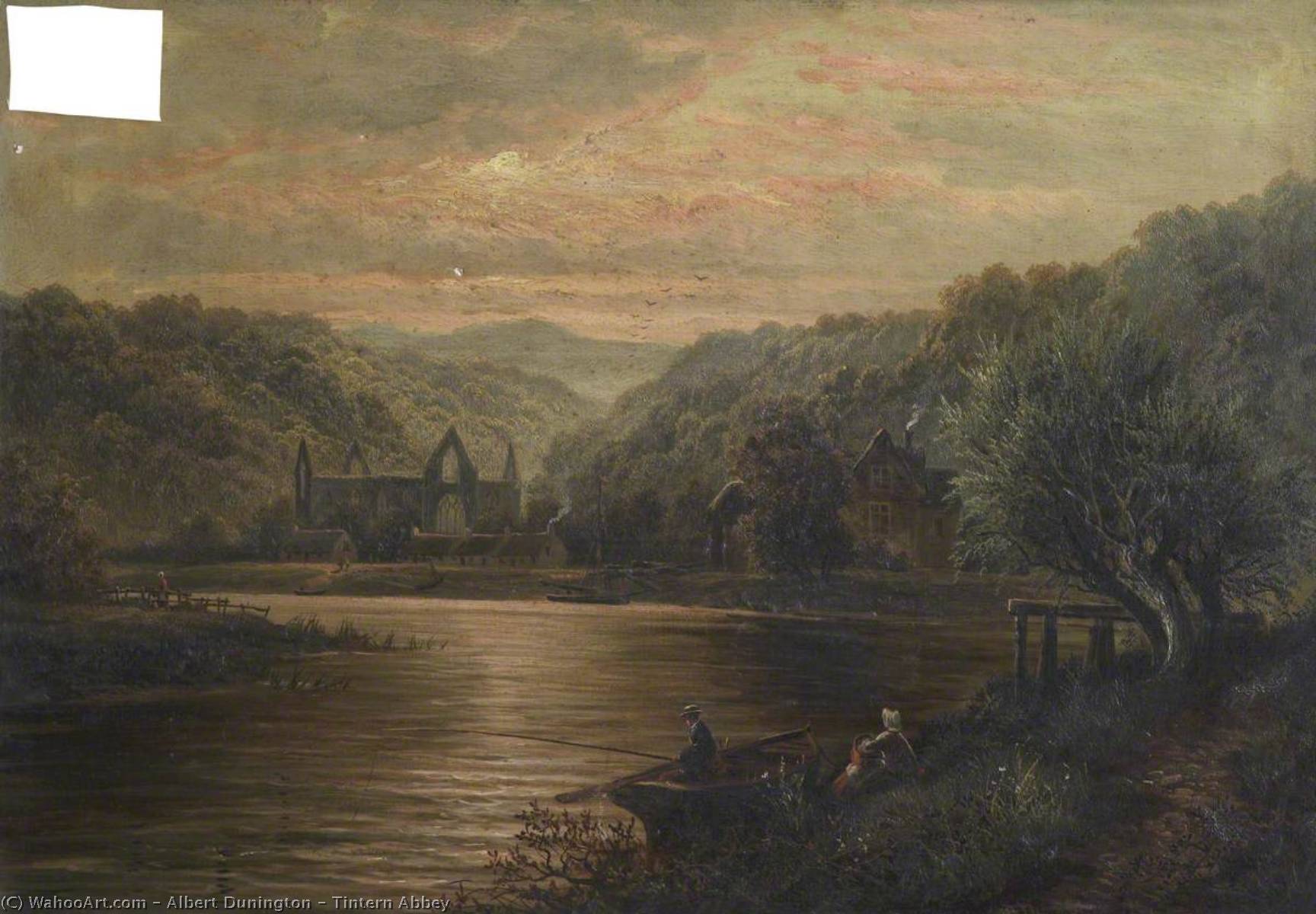
統計情報Tintern Abbey
 1894
1894 50.0 x 75.0 cm
 The Stirling Smith Art Gallery - Museum
 詳細を見る
詳細を見る
オンラインプレビューをはるかに凌ぐ、高解像度で鮮明なデジタル画像をご購入いただけます。
各ファイルは、社内の専門家が高度なツールと熟練した手作業によるレタッチを用いて、細心の注意を払って準備されています。すべての画像において、卓越した鮮明度、正確な色彩再現性、そして繊細なディテールを保証いたします。
最終ファイルは、プロフェッショナルな編集・印刷環境ですぐにご利用いただけるよう最適化された状態で、72時間以内にメールにてお届けいたします。これは、一流のデザインスタジオ、出版社、ギャラリーから信頼されているものと同等の品質です。
デジタルアート
個人での鑑賞、印刷、クリエイティブなプロジェクト用に、高解像度ファイルをダウンロードできます。 ( プリント版に切り替え 手描きの絵画を購入)
デジタル画像のご注文に付随する特典
高品質なデジタル画像配信を、確かな品質で。
ArtsDot.com を選ぶことは、単に画像を手に入れることではありません。それは、プロの手によって精密に仕上げられ、満足保証が付いた高品質なデジタルアートワークを受け取ることを意味します。ご注文いただいた際に自動的に付随する内容は、以下の通りです:

メールですぐにお届け
ご注文から72時間以内に、高解像度のデジタル画像ファイルがメールでお手元に届きます。すぐにそのままご利用いただけます。

AI技術で最適化されたデジタルファイル
お客様の作品は、高度なAIツールと専門家による手作業の編集を組み合わせてプロフェッショナルに最適化されており、細部のディテール、鮮明さ、そして正確な色再現性を最大限に引き出しています。

一生涯無料の再送サービス
ファイルを誤って削除したり、紛失してしまったりしましたか?ご安心ください。いつでも無料で再送いたします。

輸入手数料は一切かかりません
関税や手数料、配送料を気にすることなく、お気に入りのアートワークをすぐにお楽しみいただけます。デジタルダウンロードは常に免税です。

色彩再現の保証
プロ仕様のツールとカラーマネジメント技術を用いることで、デジタル画像が元の色を最大限に忠実に再現することを保証いたします。

100日間満足保証
ご購入いただいたデジタル画像にご満足いただけない場合は、100日以内であれば、理由を問わず修正または100%の返金対応をさせていただきます。

100% 返金保証
ご満足いただけない場合は、デジタルファイルを受け取ってから100日以内であれば、理由を問わず全額返金いたします。

まとめ買い割引
3枚購入で10%OFF - 5枚購入で15%OFF - 10枚以上購入で20%OFF。クリエイティブなプロジェクト、ギャラリー、エージェンシーに最適です。
A Description of the Painting
The scene depicts a serene river landscape at sunset, with a man rowing a boat in the center. The surrounding mountains and clouds add depth and drama to the painting, while the warm colors of the setting sun create a sense of tranquility. A bench on the right side of the image invites the viewer to sit and enjoy the view.Artist and Style
Albert Dunington's style is characterized by his use of soft brushstrokes and muted colors, which creates a sense of calmness in his paintings. His work is often compared to that of other notable artists, such as Thomas Stuart Smith, who also created beautiful landscape paintings like Forest and Gondola. For more information on these artists and their works, visit Albert Dunington's page on ArtsDot.com.Importance of the Painting
The Tintern Abbey painting is not only a beautiful representation of nature but also an important piece of art history. It showcases Dunington's skill in capturing light and atmosphere, making it a valuable addition to any art collection. For those interested in learning more about the artist and his work, ArtsDot.com offers a range of resources, including biographical information and articles on art history.- Painting title: Tintern Abbey
- Artist: Albert Dunington
- Museum: The Stirling Smith Art Gallery - Museum
For those interested in purchasing a handmade oil painting reproduction of Tintern Abbey, visit ArtsDot.com to explore their collection of high-quality reproductions.
関連作品










作家の略歴
The Visionary of the Victorian Canal
Albert Dunington (1860–1941) remains a singular and evocative figure in the annals of British watercolour and oil painting, a master who captured the very soul of a transforming nation. Born in Lewisham, Kent, Dunington emerged from the prestigious Slade School of Fine Art, where his artistic sensibilities were forged under the watchful eyes of titans such as Frederic Leighton and Joseph Noel Paton. This rigorous classical training provided him with a profound command over composition and anatomy, yet it was his unique ability to marry this academic precision with a Romantic sensibility that truly defined his legacy. His work does not merely document landscapes; it breathes life into the industrializing veins of late nineteenth-century Britain, offering a window into an era where the pastoral beauty of the countryside met the burgeoning might of engineering progress.
The essence of Dunington’s oeuvre lies in his unparalleled ability to render the atmospheric nuances of the British landscape. He possessed an almost scientific eye for the subtle interplay of light, mist, and shadow, techniques that allowed him to imbue even the most industrial scenes with an ethereal, dreamlike quality. Whether he was capturing the quiet ripples of the Worcestershire Canal or the dramatic sunset over a river landscape, his brushwork conveyed a deep emotional resonance. His dedication to realism was never hollow; rather, it was underpinned by a sophisticated understanding of colour theory that allowed him to recreate the textures of stone, water, and sky with breathtaking fidelity. In his hands, the damp air of an English morning or the golden warmth of a departing sun became palpable elements that the viewer could almost feel.
A Legacy of Progress and Pastoral Serenity
Dunington’s artistic journey was marked by a fascinating tension between the celebration of natural beauty and the documentation of human achievement. He was an artist who found profound meaning in the intersection of nature and industry, a theme most vibrantly expressed in his depictions of the Manchester Ship Canal. His celebrated work, ‘The Snowdrop’ with the Directors of the Manchester Ship Canal Passing Barton Bridges (1893), serves as a magnificent historical document, capturing the grandeur of steamships and the excitement of engineering marvels set against the timeless backdrop of the Sussex countryside. This ability to find beauty in the mechanical and the monumental allowed him to transcend simple landscape painting, turning his canvases into narratives of national identity and progress.
Beyond the industrial, Dunington’s repertoire extended into the deeply tranquil and the classically sublime. His paintings often invite a sense of quiet contemplation, as seen in works like Tintern Abbey, where he masterfully utilizes soft brushstrokes and muted tones to evoke a sense of peace. In these pieces, the artist explores the relationship between man and the environment, often placing solitary figures within vast, sweeping vistas to emphasize the grandeur of the natural world. His prolific output, which includes over 300 paintings, demonstrates a lifelong commitment to exploring these diverse themes:
- The Industrial Landscape: Capturing the monumental scale of new canals and bridges, documenting the era of great engineering feats.
- Rural Life: Detailed portrayals of agricultural scenes, such as Lancing Mill, Sussex, which offer a nostalgic glimpse into the rhythms of late Victorian farming.
- Atmospheric Studies: A mastery of light and weather, from the heavy mists of river valleys to the dramatic clarity of mountain vistas.
- Historical Documentation: Creating lasting visual records of specific events and landmarks that shaped the British landscape.
Today, the works of Albert Dunington continue to resonate within public collections across Britain and beyond. His significance lies not only in his technical virtuosity but in his role as a visual chronicler of a pivotal moment in history. He captured a world in transition—a world where the ancient traditions of the English landscape were being reshaped by the relentless march of the industrial revolution, leaving behind a legacy of art that is as much about the enduring spirit of nature as it is about the indelible mark of human progress.
albert dunington
1860 - 1941
プロフィール概要
- Artistic Movement Or Style: Victorian Watercolor Art
- Artists Or Movements Influenced By This Artist: ['Pre-Raphaelites']
- Artists Who Influenced This Artist: ['William Holman Hunt']
- Date Of Birth: 1860
- Date Of Death: 1941
- Full Name: Albert Dunington
- Nationality: British
- Notable Artworks: ['The Snowdrop with the Directors of the Manchester Ship Canal Passing Barton Bridges']
- Place Of Birth: England