 プレビュー
プレビュー
 プリントを購入
 シェアする
シェアする シェアする
シェアする
 詳細を見る
詳細を見る

 ダウンロード
 似ている作品
 X線調査
X線調査 スライドショー
Chez l'Artiste (also known as Les Gravures)


 詳細を見る
詳細を見る




P118B $10

P118H $10

P118W $10

P438Z $10

P508JH $12

P508YH $12

P805H $10

P805Z $10

P919BZ $10

P919G $10

P919XJ $10

P959ZH $10

P968JZ $12

W106C $8

W218G $10

W218JH $8

W218Y $10

W307PJ $10

W316G $10

W316PJ $8

W316Y $10

W398PJ $8

W4111J $10

W500HY $15

W500JH $15

W692G $12

W849H $8

W940BG $15

W953PJ $8




作品のオリジナル比率に合わせた、当店の規定サイズからお選びください。

特定のフレームやスペースに合わせて、ご希望のサイズをご入力いただけます。選択されたサイズが元の画像の比率と異なる場合、アートワークをトリミングするか、手描きで要素を追加して絵画を拡張いたします。デジタルモックアップ を制作し、制作開始前にご確認(承認)をいただきます。
画面上のプレビューは、実際のトリミングや拡張を正確に反映しているものではありません。最終的な構図は、モックアップによってのみ正確にご確認いただけます。
カスタムサイズもご利用いただけますが、元の比率を維持するためには、あらかじめ用意されたリストからサイズを選択することをお勧めいたします。
ご注文後、ArtsDot.com チームより詳細な指示をお送りするとともに、仕上がりイメージ(モックアップ)をご提供いたします。


 ガラスオプションは、110cm未満のサイズでのみご利用いただけます。

Chez l'Artiste (also known as Les Gravures)
複製技法
複製画のサイズ
-


合計金額
$ 263
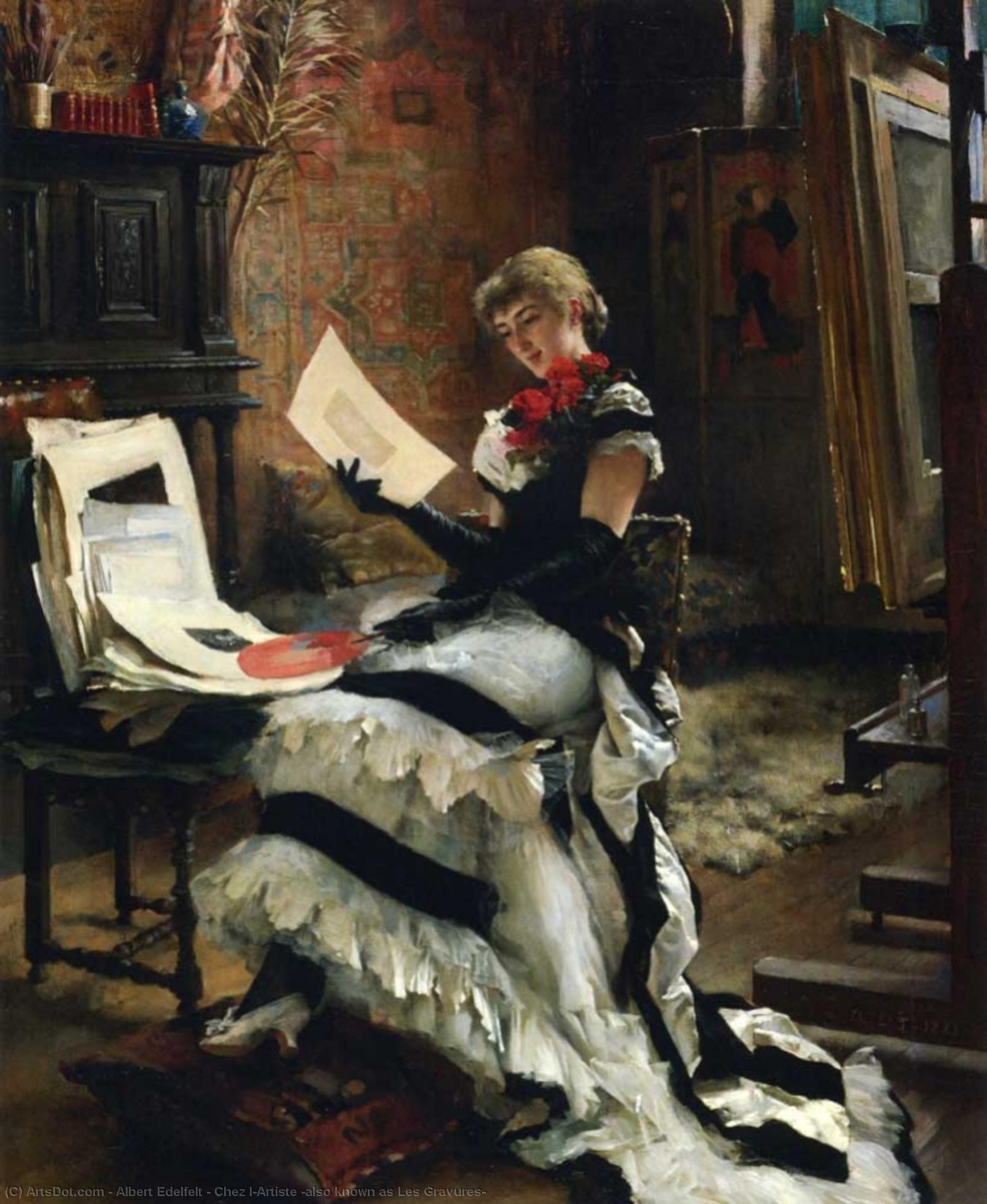
Chez l'Artiste (Les Gravures): A Portrait of Intellectual Pursuits
Albert Edelfelt’s “Chez l’Artiste,” completed in 1881, transcends mere portraiture; it embodies the spirit of intellectual engagement and artistic contemplation prevalent in late nineteenth-century Finland. Painted during a period of burgeoning cultural optimism following Sweden's unification with Norway, this artwork reflects a fascination with scientific inquiry and humanist ideals – themes central to Edelfelt’s broader artistic vision.Subject Matter and Composition
The painting depicts a woman seated at a desk adorned with a piano and chair, bathed in soft natural light. Her gaze is directed outwards, suggesting an absorption in thought rather than a preoccupation with self-representation. The inclusion of books scattered around the room reinforces this impression of scholarly activity and underscores the importance placed upon knowledge and learning within Finnish society at the time. A vase positioned on one side adds a touch of decorative elegance while subtly hinting at domestic tranquility. Edelfelt skillfully employs compositional techniques—diagonal lines guiding the eye across the canvas—to create a dynamic yet balanced image that captures both physical presence and inner reflection.Style and Technique
“Chez l’Artiste” exemplifies Edelfelt's signature style: Impressionistic realism blended with meticulous attention to detail. He utilizes oil paints on canvas, applying brushstrokes with considerable fluidity while simultaneously achieving remarkable tonal accuracy. The artist meticulously renders textures—the smooth surface of the desk, the aged wood grain of the piano, the delicate petals of the vase’s flowers—demonstrating a mastery of technique that distinguishes him from many contemporaries. Edelfelt's palette leans towards muted earth tones—browns, ochres, and greens—creating an atmosphere of understated sophistication and conveying a sense of quiet contemplation.Historical Context and Symbolism
The painting emerged during a pivotal moment in Finnish history – the struggle for independence from Sweden. The woman depicted represents not merely an individual but also embodies the aspirations of a nation striving to forge its own identity. Her posture conveys confidence and determination, mirroring the courageous spirit of those advocating for self-governance. Furthermore, the presence of intellectual pursuits—represented by the desk, piano, and books—symbolizes the belief in reason and education as instruments of progress and cultural enrichment. The vase symbolizes beauty and harmony – ideals cherished by Finns seeking to cultivate a flourishing civilization.Emotional Impact
“Chez l’Artiste” resonates deeply with viewers through its portrayal of inner serenity and intellectual curiosity. It invites contemplation on themes of knowledge, creativity, and the pursuit of meaningful existence. Edelfelt's masterful execution evokes feelings of warmth, nostalgia, and admiration for the humanist values that underpinned Finnish culture during the Belle Époque. This artwork continues to inspire artists and collectors alike, serving as a timeless testament to the enduring power of art to capture both the outward appearance and the inner essence of human experience.関連作品
アーティストの略歴
幼少期と芸術への目覚め
1854年7月21日、フィンランドのポーヴォーで生まれたアルベルト・エデルフェルトは、カール・アルベルト・エデルフェルトとアレクサンドラ・エデルフェルト(旧姓ブラント)を両親に持ちます。スウェーデン語を話すフィンランド人家庭に育った彼は、幼い頃から芸術への強い情熱を抱き、1869年にはフィンランド美術協会の絵画学校で正式な教育を受けるようになりました。ポーヴォーの美しい自然は彼の初期の作品に大きな影響を与え、その繊細な色彩感覚と風景描写の才能を開花させました。芸術的旅路:アントワープからパリへ
エデルフェルトの芸術的な探求は、様々な名門機関での研鑽へと繋がります。1873年から1874年にはアントワープ王立美術アカデミーで歴史画の技術を磨き、その後、1874年から1878年までパリ国立美術学校(École Nationale des Beaux-Arts)に入学しました。そこで彼はジャン=レオン・ジェロームに師事し、その写実的な技法と構図力を深く学びました。また、サンクトペテルブルクにも短期間滞在し、多様な芸術的影響を受けながら独自のスタイルを確立していきました。パリでの経験は、彼の作品に新たな視点と洗練された表現をもたらしました。名声の獲得と代表作
1889年のパリ万国博覧会で金メダルを受賞したことが、エデルフェルトの名声を決定づけました。この頃から、彼の作品は国際的に評価されるようになります。代表作としては、ルイ・パスツール像が挙げられ、この作品によって彼はフランスのレジオン・ドヌール勲章を授与されました。また、ブー דוワールに佇む若い女性は、彼の女性描写における繊細さと優雅さを際立たせる傑作であり、白樺林の下はフィンランドの風景を情感豊かに表現した作品として知られています。リアリズム運動への貢献と後世への影響
エデルフェルトは、フィンランドで最初に国際的な名声を得た芸術家の一人であり、フィンランドのリアリズム運動に大きく貢献しました。彼の作品は、当時の社会情勢や人々の生活を忠実に描き出し、多くの人々に感動を与えました。また、アクセリ・ガレン=カレラやグンナル・ベンドストロムといった若いフィンランド人画家たちに多大な影響を与え、彼らのパリでの活躍を支援しました。エデルフェルトの存在は、フィンランド美術界における重要な転換点となりました。美術館コレクションと記念
エデルフェルトの作品は、ヘルシンキのアテネウム美術館をはじめとする様々な美術館に所蔵されています。彼の遺産を称えるため、2004年には彼の生誕150周年を記念して100ユーロのエデルフェルト記念硬貨が発行されました。 主要な作品と美術館コレクション: さらに詳しく: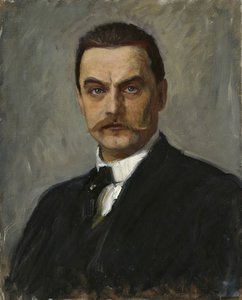
アルベルト・エデルフェルト
1854 - 1905 , 日本
基本情報
- Artistic Movement Or Style: 写実主義
- Artists Or Movements Influenced By This Artist:
- アクセリ・ガレン=カレラ
- グンナル・ベンドスト
- Artists Who Influenced This Artist: ['ジャン=レオン・ジェローム']
- Date Of Birth: 1854年7月21日
- Date Of Death: 1905年
- Full Name: アルベルト・グスタフ・アリスティデス・エデルフェルト
- Nationality: フィンランド人
- Notable Artworks (List Of Titles):
- ルイ・パスツールの肖像
- 若い女性のブードワール
- 白樺林の下
- Place Of Birth (City And Country): フィンランド ポルヴォー
関連記事
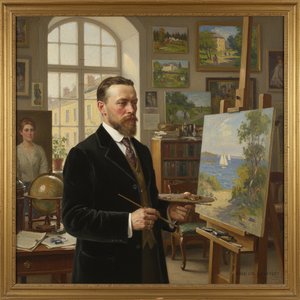
Albert Edelfelt: A Pioneer of Finnish Realism & International Impressionist Circles
Explore the life & work of Albert Edelfelt, a pioneering Finnish Realist painter who bridged Impressionism & national identity. Discover his masterpieces and lasting influence on art history.
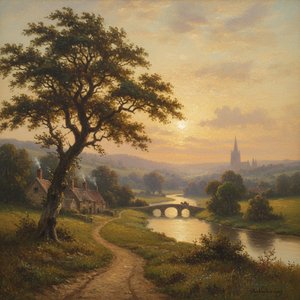
Albert Goodwin: Capturing Victorian Light & Atmosphere – A Study in Landscape Painting
Explore the captivating landscapes of Albert Goodwin (1845-1932), a celebrated Victorian watercolourist influenced by Turner & Ruskin. Discover his techniques, prolific collection, and lasting legacy in British art history.
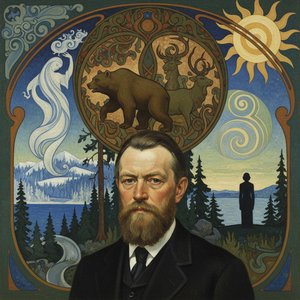
Akseli Gallen-Kallela: Shaping Finnish Identity Through National Romanticism & Symbolism
Explore the captivating world of Akseli Gallen-Kallela, Finland's iconic National Romantic painter. Discover his symbolic landscapes, Kalevala illustrations & lasting impact on Finnish identity. Expert analysis & high-quality reproductions at ArtsDot.
ダンテ・ガブリエル・ロセッティ傑作25選:美と象徴が織りなす芸術の世界 | ArtsDot
ダンテ・ガブリエル・ロセッティの傑作25選。プレラファエライトの象徴主義、美しい女性画の世界へ。油絵やアートプリントで、リビングや寝室を彩るインテリアアートを見つけましょう。ArtsDot.comで名画コレクションを探索。
The Refined Aesthetic of Victorian Illustration: A Study in Narrative & Technique
Explore the captivating world of Victorian illustration! Discover Pre-Raphaelite influences, key artists like Rossetti & Stephens, and the era's rich narrative detail. A deep dive for art enthusiasts.