 プレビュー
プレビュー
 プリントを購入
 シェアする
シェアする シェアする
シェアする
 詳細を見る
詳細を見る

 ダウンロード
 似ている作品
 X線調査
X線調査 スライドショー
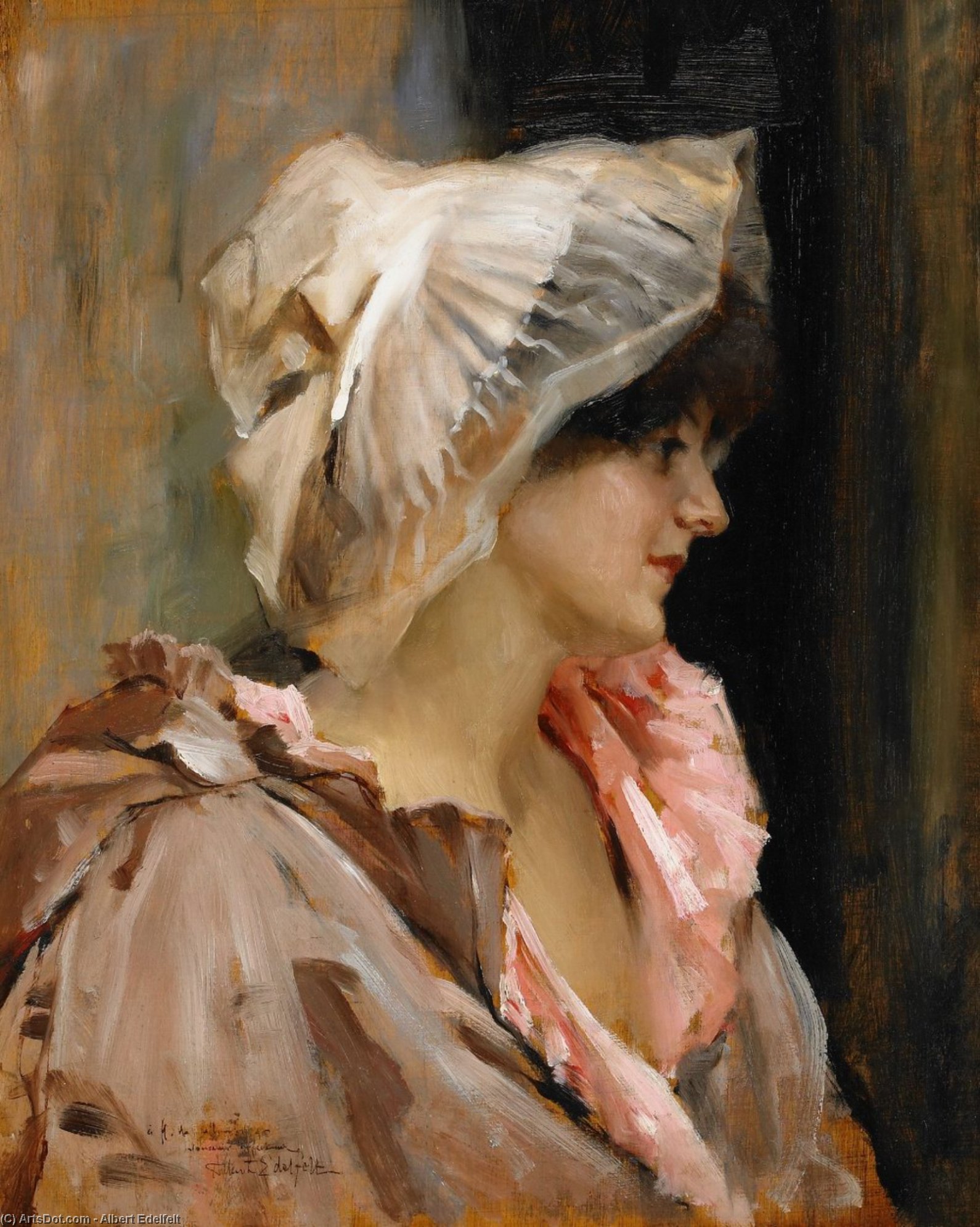
Parisian lady in a Peignoir

 詳細を見る
詳細を見る




P118B $10

P118H $10

P118W $10

P438Z $10

P508JH $12

P508YH $12

P805H $10

P805Z $10

P919BZ $10

P919G $10

P919XJ $10

P959ZH $10

P968JZ $12

W106C $8

W218G $10

W218JH $8

W218Y $10

W307PJ $10

W316G $10

W316PJ $8

W316Y $10

W398PJ $8

W4111J $10

W500HY $15

W500JH $15

W692G $12

W849H $8

W940BG $15

W953PJ $8




作品のオリジナル比率に合わせた、当店の規定サイズからお選びください。

特定のフレームやスペースに合わせて、ご希望のサイズをご入力いただけます。選択されたサイズが元の画像の比率と異なる場合、アートワークをトリミングするか、手描きで要素を追加して絵画を拡張いたします。デジタルモックアップ を制作し、制作開始前にご確認(承認)をいただきます。
画面上のプレビューは、実際のトリミングや拡張を正確に反映しているものではありません。最終的な構図は、モックアップによってのみ正確にご確認いただけます。
カスタムサイズもご利用いただけますが、元の比率を維持するためには、あらかじめ用意されたリストからサイズを選択することをお勧めいたします。
ご注文後、ArtsDot.com チームより詳細な指示をお送りするとともに、仕上がりイメージ(モックアップ)をご提供いたします。


 ガラスオプションは、110cm未満のサイズでのみご利用いただけます。

Parisian lady in a Peignoir
複製技法
複製画のサイズ
-


合計金額
$ 263
作品解説
A Portrait of Elegance: Parisian Lady in a Peignoir by Albert Edelfelt
The painting “Parisian Lady in a Peignoir” (1884), executed by Albert Edelfelt, stands as a quintessential example of Finnish Impressionism and embodies the spirit of Belle Époque Paris. More than just a depiction of a woman dressed for an evening occasion, it’s a masterful exploration of light, color, and psychological nuance—elements that cemented Edelfelt's reputation as one of Finland’s foremost artists during his lifetime.Style and Technique: Embracing Impressionistic Light
Edelfelt skillfully employed the tenets of Impressionism, prioritizing capturing fleeting moments of atmospheric illumination over meticulous realism. Unlike academic painters who sought to reproduce precise details, Edelfelt dissolved forms into shimmering patches of pigment—primarily blues and greens—creating an ethereal quality that transcends mere visual representation. The brushstrokes are loose and visible, conveying movement and vibrancy while simultaneously fostering a sense of intimacy between the viewer and the subject. He achieved this effect by studying the effects of sunlight on surfaces, meticulously observing how it transformed colors throughout the day.Historical Context: Paris at the Dawn of Modernity
Painted during a period of significant social and artistic upheaval in Paris—the burgeoning influence of Impressionism challenging established conventions—the artwork reflects the optimism and dynamism characteristic of the era. The Exposition Universelle de 1889, commemorating the centenary of the French Revolution, served as a catalyst for artistic innovation, propelling movements like Impressionism into mainstream consciousness. Edelfelt’s Parisian sojourn during this time undoubtedly fueled his creative vision and exposed him to the avant-garde ideas circulating within the city's artistic circles.Symbolism: Layers of Meaning Beyond Appearance
Beyond its surface beauty, “Parisian Lady in a Peignoir” is laden with symbolic significance. The woman’s posture—slightly turned towards the viewer—suggests openness and vulnerability, inviting contemplation about inner emotions. The pink dress symbolizes femininity and grace, while the white hat embodies purity and refinement. Furthermore, the doorway behind her represents transition—a passage from one state of being to another—perhaps hinting at a journey into self-discovery or acceptance of life’s inevitable changes. Edelfelt's use of color is deliberate; blues evoke tranquility and contemplation, mirroring the woman’s gaze and reinforcing the painting’s contemplative mood.Emotional Impact: Capturing Transient Beauty
Ultimately, “Parisian Lady in a Peignoir” succeeds in conveying an emotional resonance that lingers long after viewing it. The artist captures not only the visual splendor of Parisian light but also the subtle psychological complexities inherent in human experience. It's a portrait that speaks to themes of grace, vulnerability, and the pursuit of beauty—qualities valued during Edelfelt’s time and continuing to inspire audiences today. This artwork exemplifies Edelfelt’s ability to transform observation into profound artistic expression, securing his place as an icon of Finnish art history.関連作品
アーティストの略歴
幼少期と芸術への目覚め
1854年7月21日、フィンランドのポーヴォーで生まれたアルベルト・エデルフェルトは、カール・アルベルト・エデルフェルトとアレクサンドラ・エデルフェルト(旧姓ブラント)を両親に持ちます。スウェーデン語を話すフィンランド人家庭に育った彼は、幼い頃から芸術への強い情熱を抱き、1869年にはフィンランド美術協会の絵画学校で正式な教育を受けるようになりました。ポーヴォーの美しい自然は彼の初期の作品に大きな影響を与え、その繊細な色彩感覚と風景描写の才能を開花させました。芸術的旅路:アントワープからパリへ
エデルフェルトの芸術的な探求は、様々な名門機関での研鑽へと繋がります。1873年から1874年にはアントワープ王立美術アカデミーで歴史画の技術を磨き、その後、1874年から1878年までパリ国立美術学校(École Nationale des Beaux-Arts)に入学しました。そこで彼はジャン=レオン・ジェロームに師事し、その写実的な技法と構図力を深く学びました。また、サンクトペテルブルクにも短期間滞在し、多様な芸術的影響を受けながら独自のスタイルを確立していきました。パリでの経験は、彼の作品に新たな視点と洗練された表現をもたらしました。名声の獲得と代表作
1889年のパリ万国博覧会で金メダルを受賞したことが、エデルフェルトの名声を決定づけました。この頃から、彼の作品は国際的に評価されるようになります。代表作としては、ルイ・パスツール像が挙げられ、この作品によって彼はフランスのレジオン・ドヌール勲章を授与されました。また、ブー דוワールに佇む若い女性は、彼の女性描写における繊細さと優雅さを際立たせる傑作であり、白樺林の下はフィンランドの風景を情感豊かに表現した作品として知られています。リアリズム運動への貢献と後世への影響
エデルフェルトは、フィンランドで最初に国際的な名声を得た芸術家の一人であり、フィンランドのリアリズム運動に大きく貢献しました。彼の作品は、当時の社会情勢や人々の生活を忠実に描き出し、多くの人々に感動を与えました。また、アクセリ・ガレン=カレラやグンナル・ベンドストロムといった若いフィンランド人画家たちに多大な影響を与え、彼らのパリでの活躍を支援しました。エデルフェルトの存在は、フィンランド美術界における重要な転換点となりました。美術館コレクションと記念
エデルフェルトの作品は、ヘルシンキのアテネウム美術館をはじめとする様々な美術館に所蔵されています。彼の遺産を称えるため、2004年には彼の生誕150周年を記念して100ユーロのエデルフェルト記念硬貨が発行されました。 主要な作品と美術館コレクション: さらに詳しく: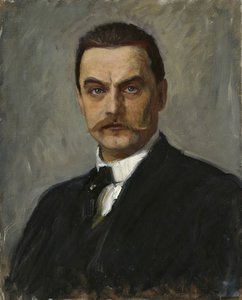
アルベルト・エデルフェルト
1854 - 1905 , 日本
基本情報
- Artistic Movement Or Style: 写実主義
- Artists Or Movements Influenced By This Artist:
- アクセリ・ガレン=カレラ
- グンナル・ベンドスト
- Artists Who Influenced This Artist: ['ジャン=レオン・ジェローム']
- Date Of Birth: 1854年7月21日
- Date Of Death: 1905年
- Full Name: アルベルト・グスタフ・アリスティデス・エデルフェルト
- Nationality: フィンランド人
- Notable Artworks (List Of Titles):
- ルイ・パスツールの肖像
- 若い女性のブードワール
- 白樺林の下
- Place Of Birth (City And Country): フィンランド ポルヴォー
関連記事
Blush & Brilliance: 10 Iconic Paintings Dominated by Light Pink Tones |
Explore 10 iconic paintings bathed in captivating light pink tones! From Monet's Impressionism to Renoir’s romance, discover the stories behind these blush-hued masterpieces. Find museum-quality art reproductions & decor inspiration at .
Elegant Art: 10 Masterpieces for a Refined Home |
Indulge in elegance with our Top 10 artworks! Explore masterpieces by Monet, Rembrandt & more. Discover timeless beauty, rich history & inspiring color palettes for your home decor. Find museum-quality art reproductions at .
ルノワール傑作25選:光と色彩が織りなす印象派の華麗なる世界 | ArtsDot
ルノワールの傑作25選🎨 印象派の光と色彩が輝く世界へ。絵画の背景、技法、そして時代を超えて愛される理由を紐解きます。ArtsDotで高品質な複製画やインテリアアートを見つけ、お部屋に芸術的な彩りを✨ Explore the full collection online!

ポール・セザンヌ:至高の25選 - 傑作と革新の軌跡 | ArtsDot
ポール・セザンヌの至高の25選。ポスト印象派を代表する画家、セザンヌの傑作と革新的な技法を紐解きます。ArtsDotで高品質な複製画やインテリアアートを見つけ、芸術の世界をご自宅に。今すぐコレクションをご覧ください。
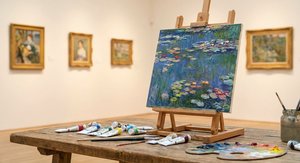
Impressionism's Masterpieces: 10 Paintings That Defined a Movement | ArtsDot
Journey through Impressionism's heart with 10 iconic paintings by Monet, Renoir & Degas. Explore light, color & the stories behind these masterpieces. Find museum-quality art reproductions and elevate your home decor on ArtsDot.com.