 プレビュー
プレビュー
 シェアする
シェアする シェアする
シェアする
 詳細を見る
詳細を見る

 ダウンロード
 似ている作品
 X線調査
X線調査 スライドショー
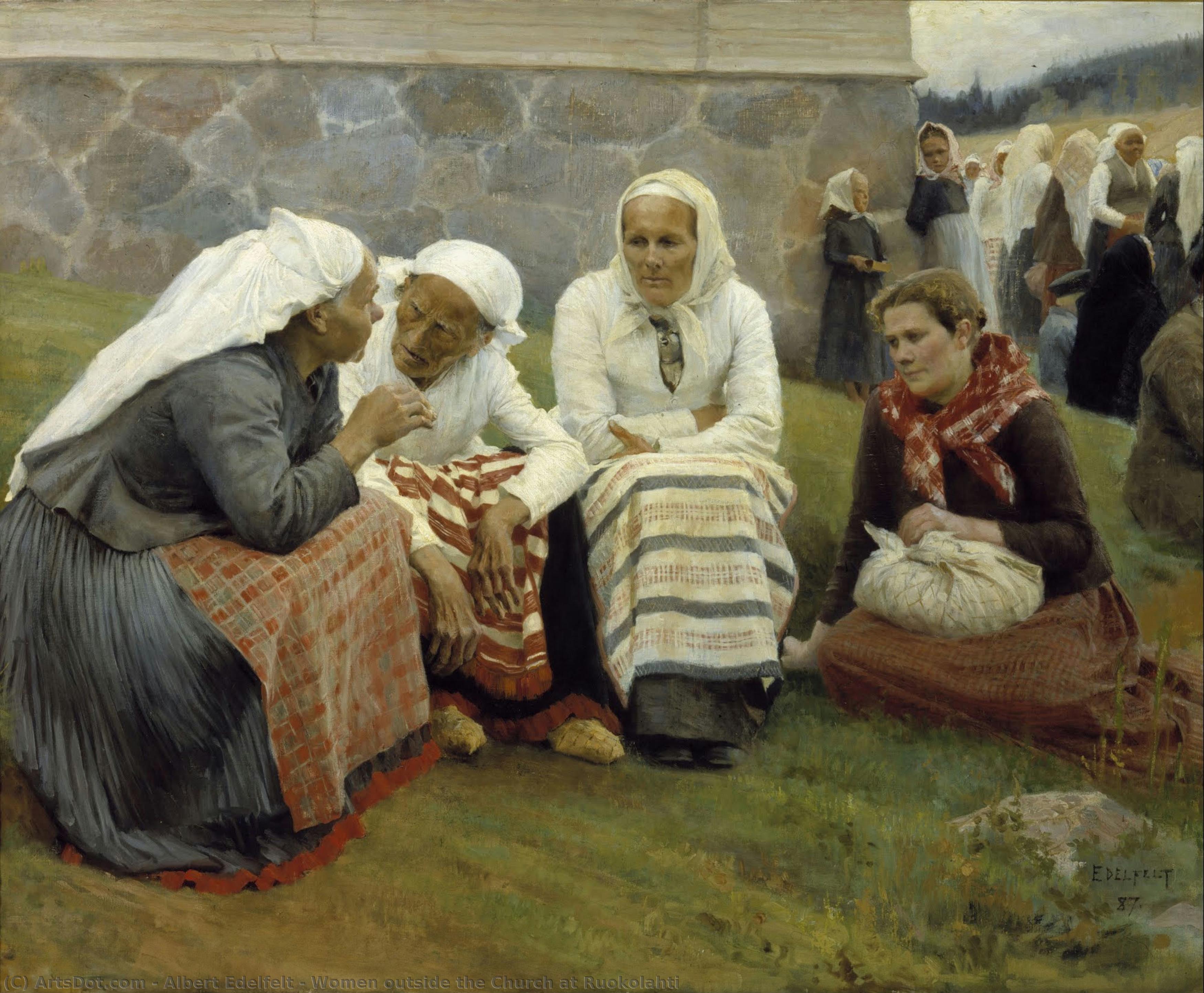
Women outside the Church at Ruokolahti
 Oil On Canvas
- WallArt
- Contemporary Realism
 1887
1887 158.0 x 129.0 cm
 アテネウム美術館
 詳細を見る
詳細を見る
ジークレー/アートプリント
迅速な制作と多彩な仕上げオプションを備えた、ミュージアムクオリティのジークレーまたはキャンバスプリント。 ( 手描きの絵画を購入 画像を購入)




P118B $10

P118H $10

P118W $10

P438Z $10

P508JH $12

P508YH $12

P805H $10

P805Z $10

P919BZ $10

P919G $10

P919XJ $10

P959ZH $10

P968JZ $12

W106C $8

W218G $10

W218JH $8

W218Y $10

W307PJ $10

W316G $10

W316PJ $8

W316Y $10

W398PJ $8

W4111J $10

W500HY $15

W500JH $15

W692G $12

W849H $8

W940BG $15

W953PJ $8




作品のオリジナル比率に合わせた、当店の規定サイズからお選びください。

特定のフレームやスペースに合わせて、ご自身でサイズを指定することも可能です。選択されたサイズが元の画像の比率と一致しない場合、作品をトリミングするか、鏡面反射または単色での塗りつぶしによって画像を拡張いたします。制作を開始する前に、ご確認用のデジタルモックアップをお送りいたします。
画面上のプレビューには、実際のトリミングや拡張は反映されませんのでご注意ください。最終的な構図を正確に確認できるのは、モックアップのみとなります。
カスタムサイズも承っておりますが、元の比率を維持するためには、あらかじめ用意されたリストからサイズを選択することをお勧めいたします。


 ガラスオプションは、110cm未満のサイズでのみご利用いただけます。

Women outside the Church at Ruokolahti
ジークレー/アートプリント
複製画のサイズ
-


合計金額
$ 62
作品詳細説明
A Snapshot of Rural Finnish Life: Albert Edelfelt’s “Women Outside the Church at Ruokolahti”
Albert Edelfelt's "Women Outside the Church at Ruokolahti," painted in 1887, is more than just a depiction of a local gathering; it’s a poignant window into the heart of Finnish rural life during a pivotal period of national identity formation. The painting captures a moment of quiet community amidst the rolling hills of Uusimaa, offering a glimpse into the everyday lives and social fabric of a region that would soon become a cornerstone of modern Finland. Edelfelt, a master of Realism with subtle Impressionistic touches, skillfully rendered this scene not as a grand historical tableau, but as an intimate portrait of ordinary people – a deliberate choice that profoundly shaped his artistic legacy.
The canvas itself is dominated by a group of women assembled outside the Ruokolahti Church. Nine figures are present, ranging from young girls to older women, engaged in conversation and seemingly enjoying each other’s company. The composition isn't rigidly formal; instead, Edelfelt allows the scene to breathe with a naturalism that reflects his deep respect for his subjects. Notice how he captures their individual personalities – the animated discussion of the younger women, the thoughtful expression on the face of an older woman, and the subtle gestures that reveal their shared experience. The artist’s attention to detail extends beyond mere likeness; he imbues each figure with a sense of life and character.
Technically, Edelfelt employs a technique characterized by loose brushstrokes and a vibrant color palette. He utilizes broken color—small, distinct strokes of paint rather than smooth blends—to create a shimmering effect that captures the light filtering through the trees and illuminating the women’s faces. The use of warm earth tones – ochres, browns, and greens – grounds the scene in its rural setting, while touches of red (particularly in the scarf worn by one woman) provide visual interest and draw the eye. The painting's scale—measuring 158 x 129 cm—further enhances the sense of immersion, inviting the viewer to step into this intimate moment in time.
Contextualizing a Nation Forged in Observation
To fully appreciate “Women Outside the Church at Ruokolahti,” it’s crucial to understand Edelfelt's artistic philosophy and the historical context of his work. He famously declared that he found his entire nation within the landscapes and people of Uusimaa, a region just south of Helsinki. This belief stemmed from a conscious decision to move away from grand historical subjects favored by many of his contemporaries and instead focus on portraying the lives of ordinary Finns – a deliberate act of national representation at a time when Finland was striving for independence from Russia. The painting’s creation coincided with a period of intense nationalist sentiment, fueled by a desire to establish a distinct Finnish identity rooted in its own traditions and culture.
The Ruokolahti Church itself holds significance within this narrative. Built in 1752, it represents the enduring strength and continuity of local community life. Its presence serves as a focal point for the gathering, symbolizing faith, tradition, and social connection. The church’s architecture—a simple yet dignified timber structure—contrasts subtly with the more informal attire and relaxed demeanor of the women, highlighting the interplay between religious observance and everyday life.
Symbolism and Emotional Resonance
Beyond its straightforward depiction of a rural gathering, “Women Outside the Church at Ruokolahti” is rich in symbolic meaning. The act of conversation itself represents the transmission of knowledge, values, and traditions from one generation to the next. The women’s shared presence suggests a strong sense of community solidarity – a vital element for a nation forging its identity. Even the red scarf worn by one woman can be interpreted as a symbol of warmth, vitality, or perhaps even a touch of defiance against societal norms.
Perhaps most powerfully, the painting evokes a feeling of quiet contentment and belonging. There’s no drama or conflict in this scene; instead, it offers a glimpse into a world where simple pleasures – conversation, companionship, and connection with one's community – are valued above all else. The soft light, the relaxed postures, and the genuine expressions on the women’s faces combine to create an atmosphere of warmth and serenity—a testament to Edelfelt’s ability to capture the essence of human experience.
A Timeless Masterpiece: Reproduction and Legacy
Today, “Women Outside the Church at Ruokolahti” stands as a beloved icon of Finnish art. Reproductions of this captivating painting are highly sought after by collectors and interior designers alike, offering a chance to bring a piece of Finnish heritage into any space. When selecting a reproduction, consider the quality of materials used – a hand-painted reproduction will undoubtedly capture the nuances of Edelfelt’s brushwork and color palette far more effectively than a digital print. This remarkable artwork serves as a poignant reminder of Finland's rich cultural heritage and the enduring power of art to connect us to our past.
関連作品
アーティストの略歴
幼少期と芸術への目覚め
1854年7月21日、フィンランドのポーヴォーで生まれたアルベルト・エデルフェルトは、カール・アルベルト・エデルフェルトとアレクサンドラ・エデルフェルト(旧姓ブラント)を両親に持ちます。スウェーデン語を話すフィンランド人家庭に育った彼は、幼い頃から芸術への強い情熱を抱き、1869年にはフィンランド美術協会の絵画学校で正式な教育を受けるようになりました。ポーヴォーの美しい自然は彼の初期の作品に大きな影響を与え、その繊細な色彩感覚と風景描写の才能を開花させました。芸術的旅路:アントワープからパリへ
エデルフェルトの芸術的な探求は、様々な名門機関での研鑽へと繋がります。1873年から1874年にはアントワープ王立美術アカデミーで歴史画の技術を磨き、その後、1874年から1878年までパリ国立美術学校(École Nationale des Beaux-Arts)に入学しました。そこで彼はジャン=レオン・ジェロームに師事し、その写実的な技法と構図力を深く学びました。また、サンクトペテルブルクにも短期間滞在し、多様な芸術的影響を受けながら独自のスタイルを確立していきました。パリでの経験は、彼の作品に新たな視点と洗練された表現をもたらしました。名声の獲得と代表作
1889年のパリ万国博覧会で金メダルを受賞したことが、エデルフェルトの名声を決定づけました。この頃から、彼の作品は国際的に評価されるようになります。代表作としては、ルイ・パスツール像が挙げられ、この作品によって彼はフランスのレジオン・ドヌール勲章を授与されました。また、ブー דוワールに佇む若い女性は、彼の女性描写における繊細さと優雅さを際立たせる傑作であり、白樺林の下はフィンランドの風景を情感豊かに表現した作品として知られています。リアリズム運動への貢献と後世への影響
エデルフェルトは、フィンランドで最初に国際的な名声を得た芸術家の一人であり、フィンランドのリアリズム運動に大きく貢献しました。彼の作品は、当時の社会情勢や人々の生活を忠実に描き出し、多くの人々に感動を与えました。また、アクセリ・ガレン=カレラやグンナル・ベンドストロムといった若いフィンランド人画家たちに多大な影響を与え、彼らのパリでの活躍を支援しました。エデルフェルトの存在は、フィンランド美術界における重要な転換点となりました。美術館コレクションと記念
エデルフェルトの作品は、ヘルシンキのアテネウム美術館をはじめとする様々な美術館に所蔵されています。彼の遺産を称えるため、2004年には彼の生誕150周年を記念して100ユーロのエデルフェルト記念硬貨が発行されました。 主要な作品と美術館コレクション: さらに詳しく: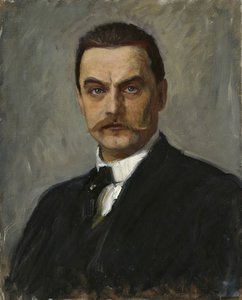
アルベルト・エデルフェルト
1854 - 1905 , 日本
基本情報
- Artistic Movement Or Style: 写実主義
- Artists Or Movements Influenced By This Artist:
- アクセリ・ガレン=カレラ
- グンナル・ベンドスト
- Artists Who Influenced This Artist: ['ジャン=レオン・ジェローム']
- Date Of Birth: 1854年7月21日
- Date Of Death: 1905年
- Full Name: アルベルト・グスタフ・アリスティデス・エデルフェルト
- Nationality: フィンランド人
- Notable Artworks (List Of Titles):
- ルイ・パスツールの肖像
- 若い女性のブードワール
- 白樺林の下
- Place Of Birth (City And Country): フィンランド ポルヴォー
関連記事
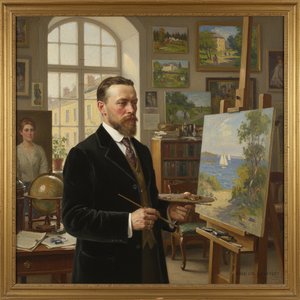
Albert Edelfelt: A Pioneer of Finnish Realism & International Impressionist Circles
Explore the life & work of Albert Edelfelt, a pioneering Finnish Realist painter who bridged Impressionism & national identity. Discover his masterpieces and lasting influence on art history.
The Enduring Muse: Women as Subject & Symbol in Art History
Explore the rich history of women in art – from iconic muses to groundbreaking artists. Discover feminist movements, global perspectives & reclaim female narratives with ArtsDot.

The Enduring Muse: Women as Subject & Symbol in Art History
Explore the rich history of women in art – from archetypal representations to contemporary voices challenging norms. Discover iconic artists & movements, and learn about reclaiming female narratives through painting and beyond.
Portrayals of Power & Perception: A Historical Survey of Women in Art
Explore the rich history of women in art – from iconic muses to groundbreaking artists. Discover feminist movements & reclaim female narratives with ArtsDot. Expert insights for discerning collectors.
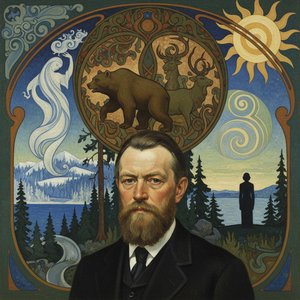
Akseli Gallen-Kallela: Shaping Finnish Identity Through National Romanticism & Symbolism
Explore the captivating world of Akseli Gallen-Kallela, Finland's iconic National Romantic painter. Discover his symbolic landscapes, Kalevala illustrations & lasting impact on Finnish identity. Expert analysis & high-quality reproductions at ArtsDot.