

 プレビュー
プレビュー
 プリントを購入
 シェアする
シェアする シェアする
シェアする
 詳細を見る
詳細を見る

 ダウンロード
 似ている作品
 X線調査
X線調査 スライドショー
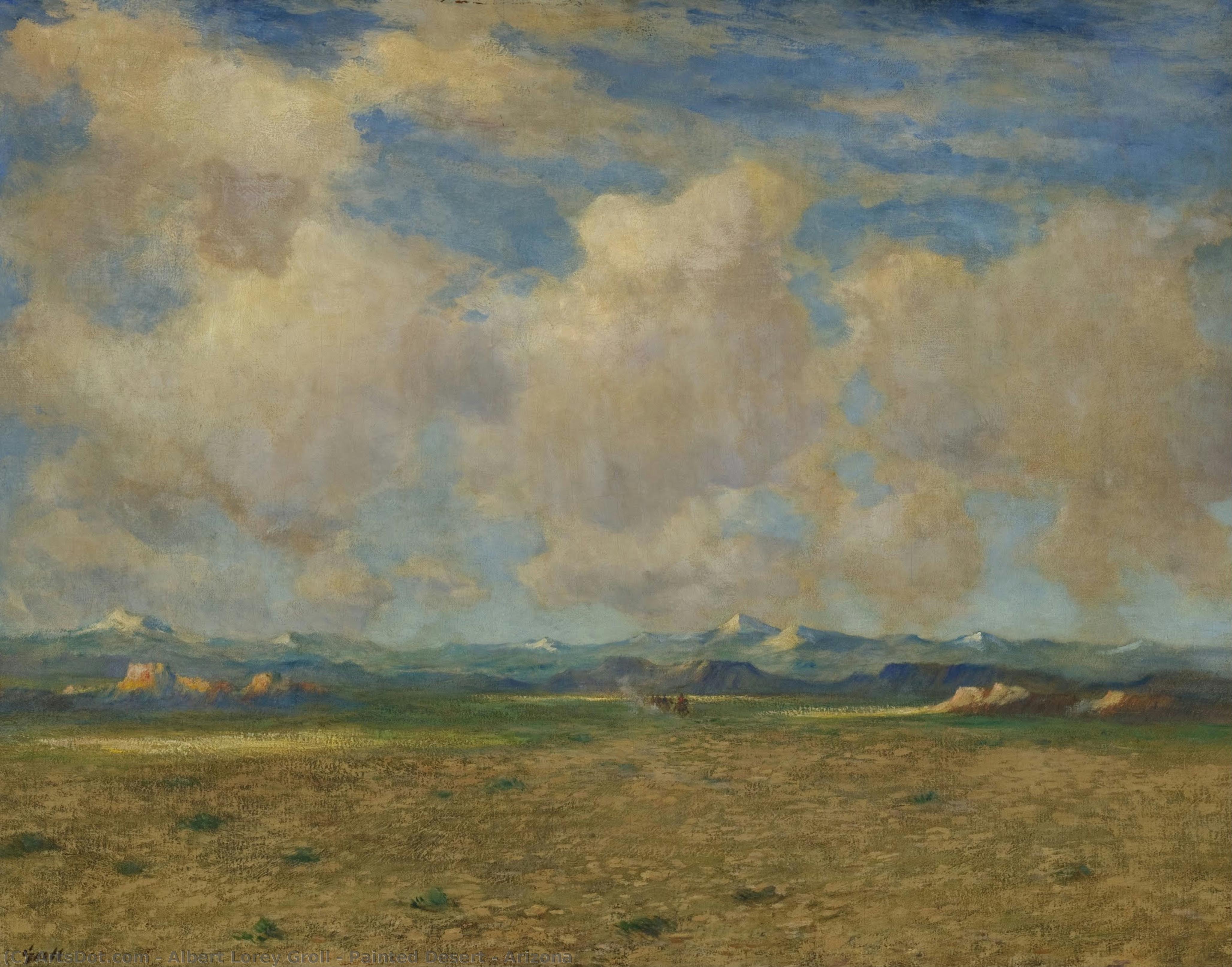
Painted Desert - Arizona

 詳細を見る
詳細を見る




































作品のオリジナル比率に合わせた、当店の規定サイズからお選びください。

特定のフレームやスペースに合わせて、ご希望のサイズをご入力いただけます。選択されたサイズが元の画像の比率と異なる場合、アートワークをトリミングするか、手描きで要素を追加して絵画を拡張いたします。デジタルモックアップ を制作し、制作開始前にご確認(承認)をいただきます。
画面上のプレビューは、実際のトリミングや拡張を正確に反映しているものではありません。最終的な構図は、モックアップによってのみ正確にご確認いただけます。
カスタムサイズもご利用いただけますが、元の比率を維持するためには、あらかじめ用意されたリストからサイズを選択することをお勧めいたします。
ご注文後、ArtsDot.com チームより詳細な指示をお送りするとともに、仕上がりイメージ(モックアップ)をご提供いたします。


 ガラスオプションは、110cm未満のサイズでのみご利用いただけます。

Painted Desert - Arizona
複製技法
複製画のサイズ
-


合計金額
$ 263
関連作品










アーティストの略歴
The Luminous Legacy of Albert Lorey Groll
Born in the bustling heart of New York City on January 1, 1866, Albert Lorey Groll was destined to become a bridge between the classical traditions of Europe and the raw, untamed beauty of the American West. The son of a German immigrant druggist, Groll’s early life was steeped in a multicultural sensibility that would later define his artistic breadth. While his roots remained firmly planted in New York, his spirit was shaped by the grand academies of the Old World. His formative years were spent traversing the great art capitals of Europe—Munich, Antwerp, and London—where he absorbed the rigorous discipline of classical figure painting and the delicate nuances of etching. Under the tutelage of masters like Ludwig von Löfftz at the Academy of Fine Arts in Munich, Groll honed a technical precision that would serve as the foundation for his later, more expressive explorations of light and atmosphere.
The trajectory of Groll’s career underwent a profound transformation upon his return to the United States. In 1895, driven by both practical necessity and an evolving artistic passion, he moved away from the costly pursuit of figure painting toward the boundless possibilities of the landscape. This shift led him on a transformative journey westward in 1904, accompanied by the ethnologist Professor Stuart Culin. It was during this expedition to Arizona that Groll encountered the vibrant, sun-drenched landscapes of the American Southwest, an experience that would become his "lucky stars." The intense reds, brilliant oranges, and deep ochres of the desert terrain offered a new palette for his experimentation, allowing him to merge his European training with a uniquely American subject matter.
A Master of Light and Texture
Groll’s artistic style is a captivating dialogue between realism and abstraction. He possessed an uncanny ability to capture the atmospheric perspective of the desert, creating a sense of immense distance through the careful layering of color and tone. His works are often celebrated for their luminous quality, as if the very heat of the Southwest were radiating from the canvas. This was achieved through a masterful use of impasto, where thick, textured strokes of paint captured the ruggedness of rock formations and the ephemeral nature of shifting clouds. In many ways, his paintings function as both windows into a specific geography and meditations on the elemental forces of nature.
Beyond the sheer visual impact of his landscapes, Groll’s work carries a certain spiritual resonance. His fascination with the vast skyscapes of New Mexico and Arizona often resulted in compositions where towering clouds and dramatic light plays became the true protagonists. This focus on the sublime elements of nature earned him deep respect among the indigenous peoples he encountered; at the Laguna Pueblo, his ability to render the majesty of the landscape was so profound that he was affectionately known as Chief Bald-Head-Eagle Eye. His technical versatility also extended to etching and mixed media, utilizing crayon and sculpture-like textures to push the boundaries of traditional oil painting.
Recognition and Enduring Influence
Throughout his long and prolific life, Groll earned significant accolades that cemented his place in the American art canon. His talent was recognized on the national stage when a scene from his Southwestern travels won a gold medal at the Pennsylvania Academy of Fine Arts in 1906. His professional standing was further solidified by his election to prestigious institutions, including:
- The National Academy of Design, where he was elected in 1910.
- The Salmagundi Club in New York, a cornerstone of the American art community.
- The American Watercolor Society, reflecting his mastery over diverse mediums.
Even as he remained a resident of New York, associating with the cultural elite, his heart and his brush were forever tethered to the desert. Groll’s historical significance lies in his ability to translate the rugged, often overlooked beauty of the American Southwest into a sophisticated visual language that resonated with both classical sensibilities and modern inclinations toward abstraction. Today, his works are preserved in esteemed collections such as the Smithsonian American Art Museum, serving as a testament to a life spent chasing the light across continents and through the vast, golden horizons of the West.
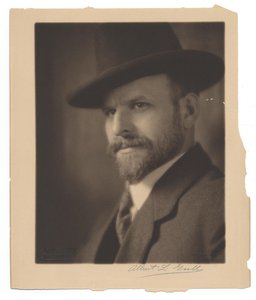
Albert Lorey Groll
1866 - 1952 , United States of America
基本情報
- Artistic Movement Or Style: Landscape painting; Southwestern art
- Artists Or Movements Influenced By This Artist: ['European Art']
- Artists Who Influenced This Artist: ['Ernest Lawson']
- Date Of Birth: January 1, 1866
- Full Name: Albert Lorey Groll
- Nationality: American
- Notable Artworks: ['Painted Desert - Arizona']
- Place Of Birth: New York City, United States