

 プレビュー
プレビュー
 プリントを購入
 シェアする
シェアする シェアする
シェアする
 詳細を見る
詳細を見る

 ダウンロード
 似ている作品
 X線調査
X線調査 スライドショー
ヘドロの頭


 詳細を見る
詳細を見る
オンラインプレビューをはるかに凌ぐ、高解像度で鮮明なデジタル画像をご購入いただけます。
各ファイルは、社内の専門家が高度なツールと熟練した手作業によるレタッチを用いて、細心の注意を払って準備されています。すべての画像において、卓越した鮮明度、正確な色彩再現性、そして繊細なディテールを保証いたします。
最終ファイルは、プロフェッショナルな編集・印刷環境ですぐにご利用いただけるよう最適化された状態で、72時間以内にメールにてお届けいたします。これは、一流のデザインスタジオ、出版社、ギャラリーから信頼されているものと同等の品質です。
デジタル画像のご注文に付随する特典
高品質なデジタル画像配信を、確かな品質で。
ArtsDot.com を選ぶことは、単に画像を手に入れることではありません。それは、プロの手によって精密に仕上げられ、満足保証が付いた高品質なデジタルアートワークを受け取ることを意味します。ご注文いただいた際に自動的に付随する内容は、以下の通りです:

メールですぐにお届け
ご注文から72時間以内に、高解像度のデジタル画像ファイルがメールでお手元に届きます。すぐにそのままご利用いただけます。

AI技術で最適化されたデジタルファイル
お客様の作品は、高度なAIツールと専門家による手作業の編集を組み合わせてプロフェッショナルに最適化されており、細部のディテール、鮮明さ、そして正確な色再現性を最大限に引き出しています。

一生涯無料の再送サービス
ファイルを誤って削除したり、紛失してしまったりしましたか?ご安心ください。いつでも無料で再送いたします。

輸入手数料は一切かかりません
関税や手数料、配送料を気にすることなく、お気に入りのアートワークをすぐにお楽しみいただけます。デジタルダウンロードは常に免税です。

色彩再現の保証
プロ仕様のツールとカラーマネジメント技術を用いることで、デジタル画像が元の色を最大限に忠実に再現することを保証いたします。

100日間満足保証
ご購入いただいたデジタル画像にご満足いただけない場合は、100日以内であれば、修正または100%の返金(理由を問う必要はありません)をさせていただきます。

100% 返金保証
ご満足いただけない場合は、デジタルファイルを受け取ってから100日以内であれば、理由を問わず全額返金いたします。

まとめ買い割引
3枚購入で10%OFF - 5枚購入で15%OFF - 10枚以上購入で20%OFF。クリエイティブなプロジェクト、ギャラリー、エージェンシーに最適です。
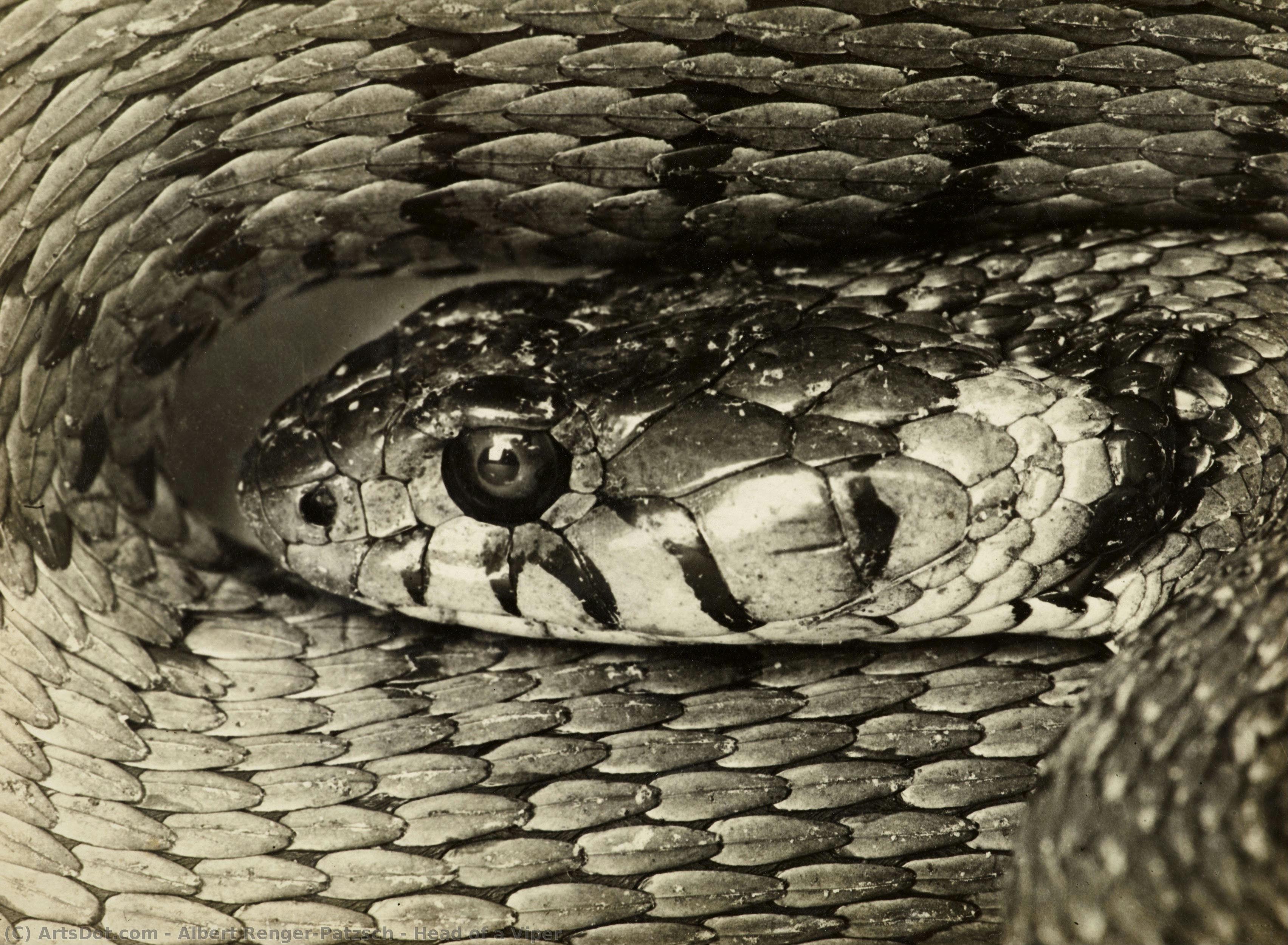
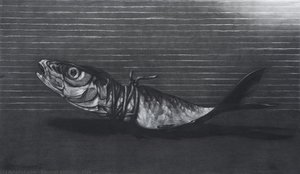
アルベルト・レンガーパッツハンの「ヘイダヴァイパー」:自然の美しさを捉えたドイツ表現主義の傑作
アルベルト・レンガーパッツハンは、ドイツ表現主義の重要な画家の一人であり、彼の作品は単なる観察を超えた深い芸術的探求を反映しています。「ヘイダヴァイパー」(写真を参照)は、その静謐さと洗練された技術が印象的な作品です。この作品は、1927年に撮影され、ドイツの美術評論家カール・ゲオルク・ハイセによって「世界は美しい」というタイトルで出版されました。彼はレンガーパッツハンのこの作品について、「ヘイダヴァイパーの頭は体の巻き込みにぴったりと合うようにページ全体が鱗模様でいっぱいに広がり、見る人の想像力が無限に伸びていくような効果があります。つまり、単なるヘイダヴァイパーを超えた絵画は、種全体の姿を表現しているのです。」と評価しました。この言葉からわかるように、レンガーパッツハンの芸術は表面的な観察にとどまらず、自然界の普遍性と根源的な美しさを追求したのです。- 画家: アルベルト・レンガーパッツハン(ドイツ、ヴュルツェブルク1897年生まれ~1966年没)
- 作品タイトル: ヘイダヴァイパー
- 制作年: 1927年
- 技法: ジエチレンシルバープリント
- サイズ: 画像サイズ:16.9 x 23.1 cm(6 5/8 x 9 1/8インチ)
関連作品






作家の略歴
John Berninger: A Pioneer of American Realism
Born in Allentown, Pennsylvania, in 1897, John Berninger’s artistic journey began remarkably early, with his first paintings emerging in his late teens. While many artists find their voice later in life, Berninger dedicated himself to the craft from a young age, establishing a foundation of meticulous observation and technical skill that would define his distinctive style. His career unfolded primarily during the interwar period and beyond, a time marked by both artistic experimentation and a deep-seated desire to capture the essence of American life with unflinching realism.
Berninger’s early influences were rooted in the burgeoning realist movement within American art. He was particularly drawn to the works of artists who sought to depict everyday subjects – rural landscapes, working-class individuals, and scenes of domesticity – with a directness and honesty rarely seen before. This commitment to portraying the tangible world around him would become a hallmark of his oeuvre. His training at the Pennsylvania Academy of the Fine Arts and the Art Institute of Chicago provided him with invaluable technical skills and exposure to diverse artistic traditions, though he ultimately forged his own unique path, prioritizing observation and detail above all else.
A key element in Berninger’s work is his painstaking attention to detail. He wasn't interested in romanticizing or idealizing; instead, he meticulously rendered the textures of clothing, the wear on furniture, and the subtle nuances of human expression. This commitment to realism extended beyond mere representation – it was a way of engaging with the subject matter on a deeply personal level. His paintings often possess a quiet dignity, reflecting a respect for his subjects and a desire to capture their stories.
The Influence of Ivan Albright and the Rise of Neue Sachlichkeit
Berninger’s artistic development coincided with the rise of several significant movements in European art, most notably *Neue Sachlichkeit* (New Objectivity) in Germany. This movement, characterized by its stark realism, unflinching portrayal of social issues, and rejection of emotionalism, exerted a considerable influence on American artists like Berninger. The emphasis on precise observation and the willingness to confront difficult realities resonated deeply with his own artistic sensibilities.
While Berninger’s work doesn't neatly align with the rigid tenets of *Neue Sachlichkeit*, there are clear parallels in his approach to depicting the human form, particularly in portraits. Like Ivan Albright, a prominent figure within this movement, Berninger possessed an extraordinary ability to render the subtle complexities of aging and decay. His paintings often feature figures that seem both familiar and unsettling, inviting viewers to contemplate the passage of time and the inevitability of mortality. The meticulous detail he applied to capturing wrinkles, sagging skin, and the weariness in a subject’s eyes speaks volumes about his artistic vision.
Furthermore, Berninger's work shares similarities with the American realist painters who preceded him, such as George Caleb Bingham and Winslow Homer. He inherited their tradition of depicting scenes from everyday life, but he infused it with a distinctly modern sensibility – a keen awareness of social change and a willingness to challenge conventional notions of beauty.
Key Works and Artistic Evolution
Throughout his career, Berninger produced a substantial body of work that reflects the evolving artistic landscape of the 20th century. His early paintings often focused on rural landscapes and portraits of farmers and their families, capturing the spirit of American agriculture with remarkable accuracy. As he matured as an artist, his subject matter broadened to include urban scenes, industrial workers, and glimpses into the lives of ordinary people.
One particularly notable example of Berninger’s artistic evolution is his series of portraits depicting elderly individuals. These paintings are not merely representations of age; they are profound meditations on memory, loss, and the enduring power of the human spirit. His meticulous rendering of wrinkles, scars, and other signs of aging transforms these subjects into compelling figures of wisdom and resilience.
Berninger’s later works often explored themes of loneliness, isolation, and the challenges of navigating a rapidly changing world. His paintings are imbued with a sense of melancholy, yet they also possess an underlying dignity and quiet strength. His ability to capture these complex emotions through his distinctive style solidified his place as one of America's most important realist painters.
Legacy and Historical Significance
John Berninger’s legacy extends beyond the individual paintings he created. He played a crucial role in shaping the course of American realism, demonstrating the power of observation and detail to convey profound truths about human experience. His commitment to portraying the lives of ordinary people with honesty and respect helped to elevate realism as a legitimate form of artistic expression.
While his work may not always be widely recognized, Berninger’s paintings continue to resonate with viewers today. His meticulous technique, evocative imagery, and profound insights into the human condition ensure that his legacy will endure for generations to come. He stands as a testament to the enduring power of realism – a genre that continues to challenge and inspire artists around the world.
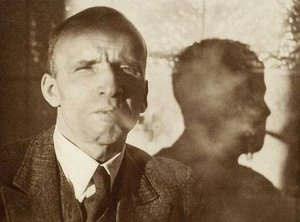
albert renger-patzsch
1897 - 1966