

 プレビュー
プレビュー
 シェアする
シェアする シェアする
シェアする
 詳細を見る
詳細を見る

 ダウンロード
 似ている作品
 X線調査
X線調査 スライドショー
 Stats
StatsTwo Girls on the Stove Bench


 詳細を見る
詳細を見る
ジークレー/アートプリント
迅速な制作と多彩な仕上げオプションを備えた、ミュージアムクオリティのジークレーまたはキャンバスプリント。 ( 手描きの絵画を購入 Switch to Digital Image)




P118B $10

P118H $10

P118W $10

P438Z $10

P508JH $12

P508YH $12

P805H $10

P805Z $10

P919BZ $10

P919G $10

P919XJ $10

P959ZH $10

P968JZ $12

W106C $8

W218G $10

W218JH $8

W218Y $10

W307PJ $10

W316G $10

W316PJ $8

W316Y $10

W398PJ $8

W4111J $10

W500HY $15

W500JH $15

W692G $12

W849H $8

W940BG $15

W953PJ $8




作品のオリジナル比率に合わせた、当店の規定サイズからお選びください。

特定のフレームやスペースに合わせて、ご自身でサイズを指定することも可能です。選択されたサイズが元の画像の比率と一致しない場合、作品をトリミングするか、鏡面反射または単色での塗りつぶしによって画像を拡張いたします。制作を開始する前に、ご確認用のデジタルモックアップをお送りいたします。
画面上のプレビューには、実際のトリミングや拡張は反映されませんのでご注意ください。最終的な構図を正確に確認できるのは、モックアップのみとなります。
カスタムサイズも承っておりますが、元の比率を維持するためには、あらかじめ用意されたリストからサイズを選択することをお勧めいたします。


 ガラスオプションは、110cm未満のサイズでのみご利用いただけます。

Two Girls on the Stove Bench
ジークレー/アートプリント
複製画のサイズ
-


合計金額
$ 62
A Moment Frozen in Time: Albert Anker’s “Two Girls on the Stove Bench”
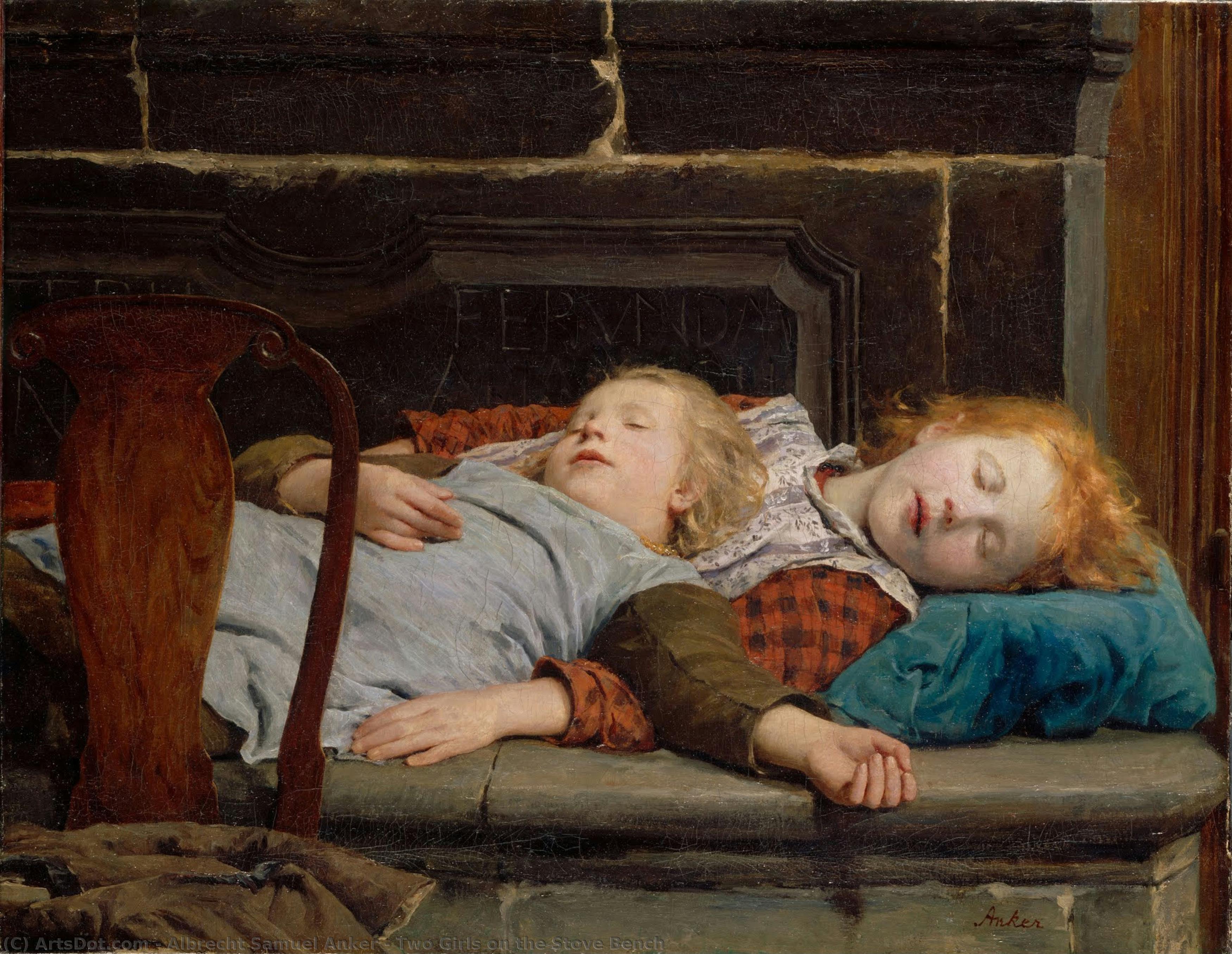
Albert Samuel Anker's "Two Girls on the Stove Bench," painted in 1895, isn’t merely a depiction of two young women; it’s a carefully constructed tableau brimming with quiet intimacy and a profound sense of rural Swiss life. Born in Ins, Switzerland, amidst a landscape steeped in tradition and a family deeply rooted in both civic duty and artistic sensibility – his father a respected veterinarian and member of the Bernese assembly – Anker dedicated his career to capturing the essence of his homeland. This particular painting, housed within the Kunsthaus Zürich’s collection, exemplifies his signature style: an almost unnervingly realistic portrayal of everyday scenes imbued with a gentle warmth and a subtle spiritual depth.
The scene unfolds in what appears to be a simple farmhouse interior. Two young girls, identified as the Räubi sisters – whose actual names were Anna and Marie – are nestled on a worn wooden bench beside a warm stove. Their posture suggests a drowsy contentment, lost in a shared dream or perhaps simply succumbing to the comforting heat of the hearth. The dark brown background, punctuated by the muted tones of the furniture and clothing, serves to dramatically highlight the girls’ pale skin and the soft glow emanating from the stove. Anker masterfully employs chiaroscuro – the dramatic contrast between light and shadow – a technique borrowed from Renaissance masters, to draw the viewer's eye directly to these figures, creating an immediate sense of connection.
The Painterly Language: Technique and Style
Anker’s technical skill is undeniable. He meticulously renders every detail, from the texture of the girls’ dresses to the worn wood of the bench. Yet, his realism isn't cold or clinical; it’s infused with a remarkable sensitivity to light and color. He utilizes short, broken brushstrokes – a hallmark of Impressionism – to create a sense of movement and atmosphere within the scene. The subtle variations in tone suggest the warmth radiating from the stove, while also hinting at the cool air outside. This delicate balance between observation and interpretation is what elevates Anker’s work beyond mere representation.
The painting's style firmly places it within the Realist movement, a reaction against the romanticism prevalent in earlier art. However, Anker transcends simple realism by imbuing his subjects with an underlying sense of spirituality. He avoids idealization or sentimentality, presenting the girls as they are – ordinary children enjoying a simple pleasure. His work reflects a deep respect for the dignity of labor and the beauty of everyday life, aligning with the values of the Swiss peasantry.
Symbolism and Context: A Portrait of Rural Switzerland
“Two Girls on the Stove Bench” is more than just a snapshot of childhood; it’s a poignant reflection of rural Swiss society in the late 19th century. Anker's family history, with its blend of civic engagement and artistic pursuits, undoubtedly informed his perspective. He wasn’t interested in depicting poverty or hardship – though he certainly recognized its existence – but rather in celebrating the simple joys and enduring values of a rural community. The stove itself is a potent symbol: it represents warmth, comfort, family, and the heart of the home.
Furthermore, the painting speaks to Anker’s broader artistic philosophy. He deliberately avoided overtly political or religious themes, believing that art should focus on capturing the beauty and dignity of human life. His paintings are often described as “moralistic,” not in a didactic sense, but rather because they subtly reinforce values such as honesty, kindness, and respect for one's fellow man – virtues deeply ingrained in Swiss culture.
A Timeless Appeal: Reproduction and Interior Design
“Two Girls on the Stove Bench” continues to resonate with viewers today due to its universal themes of childhood innocence, familial warmth, and the beauty of simple moments. Reproductions of this painting offer a wonderful opportunity to bring this evocative scene into any home or office space. Its calming colors and intimate composition create a sense of tranquility and nostalgia, making it an ideal choice for bedrooms, living rooms, or studies.
Consider framing the reproduction in a warm wood tone to further enhance its rustic charm. The painting’s subtle details – the texture of the bench, the glow of the stove – will be particularly striking when viewed up close. “Two Girls on the Stove Bench” is more than just a beautiful artwork; it's a window into another time and place—a testament to Albert Anker’s remarkable talent and his enduring love for Switzerland.
関連作品

関連記事

Idyllic Visions: Exploring the Pastoral Scene in Art History – From Arcadia to Modern Interpretations
Explore the captivating history of pastoral art from classical Arcadia to modern masterpieces. Discover key artists like Millet & Cole at ArtsDot. Find serene landscape paintings for your home.
Echoes of Daily Life: Genre Painting & Societal Values Through the Ages
Explore the captivating world of genre painting! Discover Dutch Masters like Ostade & de Hooch, hidden symbolism, and social commentary in art history. Shop museum-quality reproductions at ArtsDot.

Idyllic Visions: Exploring Pastoral Scenes in Art History – From Arcadia to Modern Interpretations
Explore the captivating history of pastoral art, from classical Arcadia to 19th-century masterpieces. Discover key artists like Millet & Cole and find serene landscape paintings for your home at ArtsDot.
Scenes of Daily Life: A Comprehensive Exploration of Genre Painting Through History
Explore the rich history of genre painting! Discover Dutch Masters & European artists who captured everyday life with stunning realism. Learn about symbolism, techniques & lasting influence.
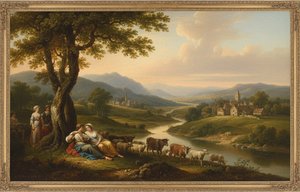
Idyllic Visions: Exploring the Pastoral Tradition in Western Art – Themes, Techniques & Enduring Appeal
Explore the rich history of pastoral art from classical Arcadia to contemporary interpretations. Discover key artists, themes & collecting tips at ArtsDot.