

 シェアする
シェアする シェアする
シェアする
 詳細を見る
詳細を見る

 ダウンロード
 似ている作品
 スライドショー
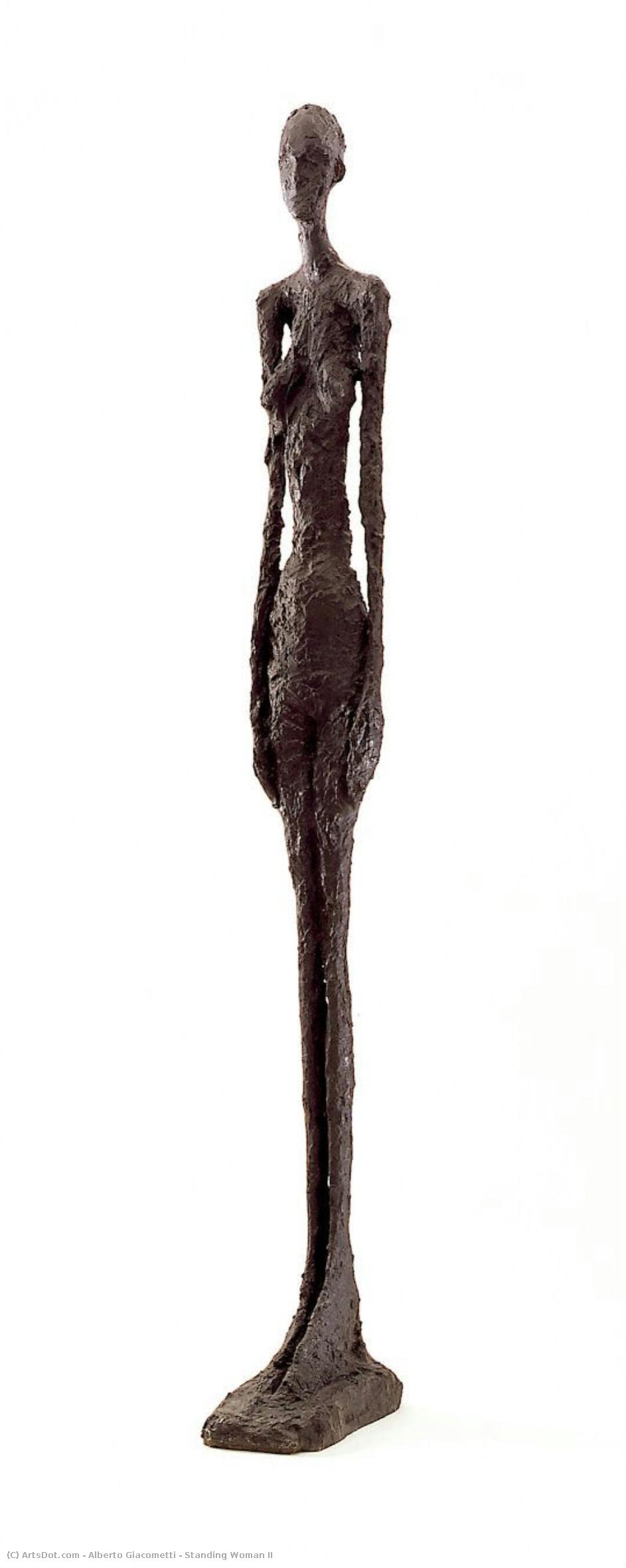
Standing Woman II


 詳細を見る
詳細を見る
ジークレー/アートプリント
迅速な制作と多彩な仕上げオプションを備えた、ミュージアムクオリティのジークレーまたはキャンバスプリント。 ( 手描きの絵画を購入 画像を購入)




































作品のオリジナル比率に合わせた、当店の規定サイズからお選びください。

特定のフレームやスペースに合わせて、ご自身でサイズを指定することも可能です。選択されたサイズが元の画像の比率と一致しない場合、作品をトリミングするか、鏡面反射または単色での塗りつぶしによって画像を拡張いたします。制作を開始する前に、ご確認用のデジタルモックアップをお送りいたします。
画面上のプレビューには、実際のトリミングや拡張は反映されませんのでご注意ください。最終的な構図を正確に確認できるのは、モックアップのみとなります。
カスタムサイズも承っておりますが、元の比率を維持するためには、あらかじめ用意されたリストからサイズを選択することをお勧めいたします。


 ガラスオプションは、110cm未満のサイズでのみご利用いただけます。

Standing Woman II
ジークレー/アートプリント
複製画のサイズ
-


合計金額
$ 62
作品詳細説明
Standing Woman II: A Silent Echo of Existential Loneliness
Alberto Giacometti’s “Standing Woman II,” a bronze sculpture born from the crucible of post-war Europe, isn't merely a depiction of a figure; it’s a profound meditation on isolation and the enduring human struggle for connection. Completed in 1960, this arresting work embodies the artist’s signature style – elongated forms rendered with a deliberate roughness that speaks to both vulnerability and an almost defiant resilience. The sculpture immediately draws the viewer in with its stark simplicity: a slender female figure, poised on a small base, facing an unseen horizon. Yet, within this apparent stillness lies a palpable sense of unease, a quiet yearning that resonates deeply.
Giacometti’s artistic journey was profoundly shaped by the turbulent years following World War II. The devastation and displacement of his time instilled in him a deep awareness of human fragility and the pervasive feeling of alienation – themes he relentlessly explored throughout his career. “Standing Woman II” is often interpreted as an embodiment of this existential loneliness, a solitary figure confronting an ambiguous future. The elongated limbs, characteristic of Giacometti’s work, contribute to a sense of vulnerability, emphasizing the woman's precarious position and her isolation from any immediate support.
The Sculpting Process: A Dance Between Precision and Imperfection
The creation of “Standing Woman II” involved a meticulous yet intuitively driven process. Giacometti typically began with modeling clay or wax, meticulously shaping the figure’s form before transferring it to a plaster cast. This cast then served as the basis for creating a mold from which the final bronze sculpture was produced using the lost-wax method – a technique renowned for its ability to capture intricate detail and texture. Crucially, Giacometti deliberately retained the marks and imperfections of the sculpting process; these deliberate rough patches aren’t flaws but rather integral elements of the work's expressive power.
The bronze itself was likely cast in multiple iterations, reflecting Giacometti’s tendency to rework his sculptures repeatedly. He wasn’t satisfied with a single definitive form, constantly refining and adjusting until he felt it captured the essence of his vision. This dedication to detail is evident in the sculpture's surface – a complex interplay of ridges, grooves, and subtle variations in texture that invite close examination. The deliberate roughness serves not only as a testament to the sculpting process but also adds a layer of tactile richness to the work.
Symbolism and Emotional Resonance
Beyond its immediate visual impact, “Standing Woman II” is rich with symbolic meaning. The figure’s posture – upright yet slightly off-balance – suggests a state of poised contemplation, a willingness to confront uncertainty. Her gaze, directed towards an unseen point in the distance, can be interpreted as a yearning for something beyond her immediate reach, a longing for connection or understanding. The sculpture's monochromatic palette—primarily shades of brown and grey—further enhances its somber mood, reinforcing the sense of isolation and introspection.
Giacometti’s figures are frequently viewed as representations of existential themes – loneliness, mortality, and the search for meaning in a seemingly indifferent universe. “Standing Woman II” embodies these concerns with remarkable clarity. It's not a work that offers easy answers or comforting resolutions; instead, it invites viewers to contemplate their own experiences of isolation and resilience. The sculpture’s enduring power lies in its ability to evoke a profound emotional response – a sense of quiet melancholy mingled with an underlying current of strength.
Historical Context and Legacy
Created during the height of Giacometti's career, “Standing Woman II” represents a pivotal moment in his artistic development. Following the devastation of World War II, he sought to explore themes of human existence and the psychological impact of trauma. This sculpture reflects his ongoing engagement with these concerns, building upon earlier works that similarly grappled with issues of isolation and alienation. The work’s placement within the broader context of Giacometti's oeuvre reveals a consistent preoccupation with the complexities of the human condition.
Today, “Standing Woman II” remains one of Giacometti’s most iconic sculptures, admired for its haunting beauty and profound emotional resonance. It stands as a testament to the artist’s unique vision and his ability to capture the essence of human experience with remarkable subtlety and power. Reproductions of this piece offer a tangible connection to this powerful work of art, allowing viewers to appreciate Giacometti's legacy in their own homes or spaces.
関連作品


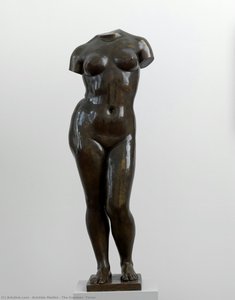
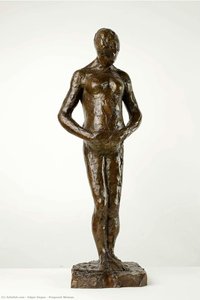
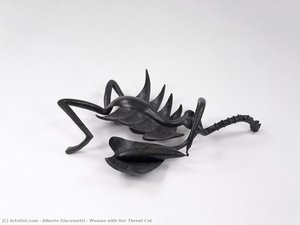
![Quatre Femmes Sur Socle [four Women On A Base] — アルベルト・ジャコメッティ, Modern Sculpture](/media/artworks/images-thumb/1c/72/1c722d6543f367f3d3096fdffeadda54.jpg)
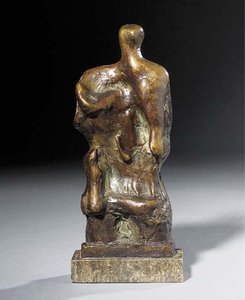
アーティストの略歴
実存の残響に刻まれた生涯
20世紀彫刻の象徴とも言える、あの魂を揺さぶるような細長い人物像。アルベルト・ジャコメッティの名は、その独特な造形とともに語り継がれています。彼は1901年、スイスのボルゴノヴォという息を呑むほど美しい風景の中に生まれました。イタリア国境に近いこのアルプスの地は、彼の中に形と空間に対する鋭い感性を育み、後の芸術的ヴィジョンを決定づけることとなります。彼は単に芸術の世界へと足を踏み入れたのではありません。まさに芸術の中に「生を受けた」のです。父ジョヴァンニ・ジャコメッティは尊敬を集めるポスト印象派の画家であり、その家庭環境は若きアルベルトにとって、創作への励ましであると同時に、揺るぎない基礎となりました。また、彼の血統には宗教改革の残響も流れています。迫害から逃れ聖域を求めたプロテスタントの難民の子孫であるという背景は、彼が一生をかけて探求し続けた「孤独」や「人間存在の在り方」というテーマに、深い精神性を与えたのかもしれません。彫刻家であった弟ディエゴや、建築家の弟ブルーノの存在も、彼らの生活における芸術の重要性を確固たるものにし、実験と相互影響が渦巻くダイナミックな創造的空間を作り出していました。キュビスムから虚無へ:変容する芸術的風景
ジャコメッティの正統な芸術の旅はジュネーブ美術学校から始まりましたが、彼の創造性に真の火を灯したのは1922年のパリへの移住でした。ロダンの元助手であったアントワン・ブールデルのスタジオに入った彼は、古典的な技法を吸収しながらも、当時のパリを席巻していた前衛芸術の潮流に飲み込まれていきました。初期の活動はキュビスムの探求に彩られ、時代の知的熱狂を反映するかのように、形態を解体し再構築する試みが繰り返されました。しかし、ジャコモッティは単なる模倣に甘んじることはありませんでした。彼は自身の声を求め、人間の身体へと深く焦点を当てた、よりパーソナルな様式へと向かっていきます。この時期、彼はシュルレアリスムに惹かれ、ミロやエルンスト、ピカソといった巨匠たちと交流しながら、夢幻的なイメージと心理的深みを湛えた作品を生み出しました。それでもなお、彼はこの運動の中にさえ制約を感じていました。最終的に彼は、純粋に無意識を追求するアプローチを拒絶し、形態を通じて存在の本質を理解しようとする、より厳格な具象的構成の分析を渇望したのです。1930年代後半には、スケールにおける劇的な変化が見られました。彼は、わずか7センチメートルにも満たない極小の彫刻を作り始めたのです。これらの矮小な像は、単なるミニチュアではありませんでした。それは物理的、そして感情的な「距離」の表現であり、彼の世界観に浸透していた断絶と喪失感を映し出していたのです。戦後のシルエット:脆弱性と人間存在の条件
第二次世界大戦の惨禍は、ジャコメッティの作品に決定的な影響を与えました。紛争中、スイスに避難した彼は彫刻を続けましたが、今日私たちが目にする最も象徴的なスタイル――あの高く引き伸ばされた細い人物像――が完成したのは、戦後のことでした。それらは伝統的な意味での肖像ではありませんでした。それは、人間の存在を極限まで削ぎ落とし、本質的な形態へと凝縮したものだったのです。荒々しい表面と細長く伸びた四肢は、戦後時代特な実存的不安を反映し、深い脆弱性と孤独を伝えてきました。それらの像は、まるで今にも無へと溶け去ってしまいそうな危うさを孕み、存在の不安定さを体現しています。これらの彫刻は、単に「人間を描いたもの」ではなく、トラウマと不確実性に揺れる世界において、「人間であること」がいかなる意味を持つのかを探求する試みでした。人物を取り巻く空間そのものが、形態と同じほど重要な役割を果たしています。それは、私たち自身の疎外感や憧憬を呼び起こす、想像上の、しかし手触りのある領域なのです。同時に、彼の絵画もまた重要性を増していきました。彫刻に見られる孤独と細りゆくテーマは、ほぼモノクロームに近い人体描写を通じて、絵画の世界にも投影されていきました。先見者の遺産
ジャコメッティの芸術的貢献は、そのキャリアを通じて高まる称賛とともに認められ、1962年のヴェネツィア・ビエンナーレにおける彫刻部門大賞という頂点に達しました。しかし、こうした成功にもかかわらず、彼は執拗なまでに自己批判的であり続けました。自らの厳しい基準に達しない作品は、何度も作り直され、時には破壊されることさえありました。ニューヨークのチェース・マンハッタン銀行ビルへの未完の依頼作「Grande Femme Debout I–IV」は、芸術と環境との関係に対する彼の不満の証であり、妥協のない芸術的誠実さを物語っています。彼の作品は実存主義哲学と深く共鳴し、人間の存在、死、そして不条理な世界における意味の探求というテーマを問いかけます。彼は単に美的な物体を作っていたのではありません。彼は「生きるということ」の本質的な問いを投げかけていたのです。アルベルト・ジャコメッティが20世紀で最も重要な彫刻家の一人と見なされるのは、当然のことと言えるでしょう。彼の影響は今もなおアーティストたちにインスピレーションを与え続け、人間存在の深遠な探求と、比類なき喚起力を持つ視覚言語によって、観る者を魅了して止みません。彼の彫刻は単なる人物の表現ではなく、断片化が進む現代社会において、私たちが共有する脆弱性と、繋がりを求める切実な願いそのものなのです。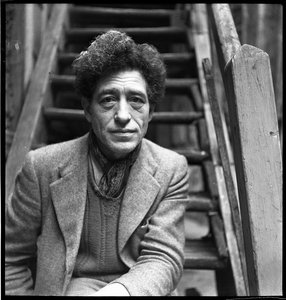
アルベルト・ジャコメッティ
1901 - 1966
基本情報
- Artistic Movement Or Style: シュルレアリスム、実存主義
- Artists Who Influenced This Artist:
- アントワーヌ・ブールデル
- ロダン
- ミロ
- マックス・エルンスト
- ピカソ
- Date Of Birth: 1901年
- Date Of Death: 1966年
- Full Name: アルベルト・ジャコメッティ
- Nationality: スイス
- Notable Artworks:
- 都市の広場
- 夢を見る横たわる女
- シュルレアリスムのテーブル
- Place Of Birth: スイス、ボルゴノボ
関連記事

Bronze Age to Modern Masters: 10 Sculptures That Redefined Art | ArtsDot
Journey through art history with 10 legendary bronze sculptures – from Michelangelo's David to Rodin’s Thinker. Explore the stories, techniques & timeless beauty of these masterpieces. Find museum-quality reproductions & elevate your home decor on ArtsDot.com.

Bronze Sculptures That Defined Art History | ArtsDot
Journey through art history with our Top 10 bronze sculptures! Explore masterpieces by Rodin, Michelangelo & more. Discover stories behind iconic statues and find museum-quality reproductions for your home decor at ArtsDot.com.

The Enduring Legacy of Bronze: A Historical & Artistic Exploration for the Collector
Explore the rich history & enduring appeal of bronze sculpture with expert insights for collectors at ArtsDot. Learn about casting techniques, iconic artists, collecting tips & contemporary interpretations.
The Enduring Legacy of Bronze: History, Technique & Artistic Expression for the Collector
Explore the rich history & enduring appeal of bronze sculpture with expert insights for collectors at ArtsDot. Learn about casting techniques, iconic artists, and collecting tips.
The Enduring Legacy of Bronze Sculpture: A Collector's Guide to Form & Cultural Significance
Explore the rich history & enduring appeal of bronze sculpture with expert insights for collectors at ArtsDot. Learn about casting techniques, iconic artists, and collecting tips to build a discerning art collection.

