 プレビュー
プレビュー
 プリントを購入
 シェアする
シェアする シェアする
シェアする
 詳細を見る
詳細を見る

 ダウンロード
 似ている作品
 X線調査
X線調査 スライドショー
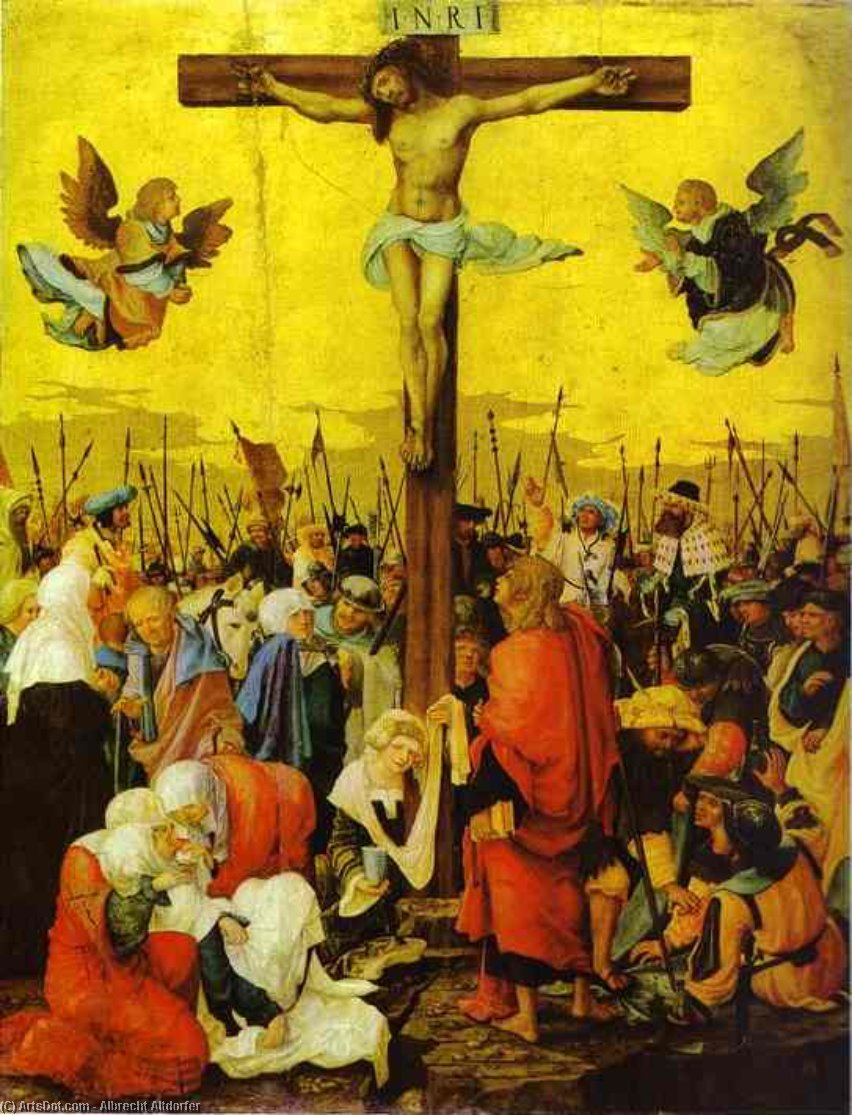
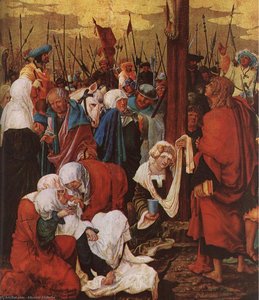
Crucifixion
 Oil On Canvas
- WallArt
- German Renaissance Landscape
 1526
1526 29.0 x 21.0 cm
 国立博物館群
 詳細を見る
詳細を見る




P118B $10

P118H $10

P118W $10

P438Z $10

P508JH $12

P508YH $12

P805H $10

P805Z $10

P919BZ $10

P919G $10

P919XJ $10

P959ZH $10

P968JZ $12

W106C $8

W218G $10

W218JH $8

W218Y $10

W307PJ $10

W316G $10

W316PJ $8

W316Y $10

W398PJ $8

W4111J $10

W500HY $15

W500JH $15

W692G $12

W849H $8

W940BG $15

W953PJ $8




作品のオリジナル比率に合わせた、当店の規定サイズからお選びください。

特定のフレームやスペースに合わせて、ご希望のサイズをご入力いただけます。選択されたサイズが元の画像の比率と異なる場合、アートワークをトリミングするか、手描きで要素を追加して絵画を拡張いたします。デジタルモックアップ を制作し、制作開始前にご確認(承認)をいただきます。
画面上のプレビューは、実際のトリミングや拡張を正確に反映しているものではありません。最終的な構図は、モックアップによってのみ正確にご確認いただけます。
カスタムサイズもご利用いただけますが、元の比率を維持するためには、あらかじめ用意されたリストからサイズを選択することをお勧めいたします。
ご注文後、ArtsDot.com チームより詳細な指示をお送りするとともに、仕上がりイメージ(モックアップ)をご提供いたします。


 ガラスオプションは、110cm未満のサイズでのみご利用いただけます。

Crucifixion
複製技法
複製画のサイズ
-


合計金額
$ 263
作品解説
The Weight of Sorrow: Albrecht Altdorfer’s “Crucifixion”
Albrecht Altdorfer's "Crucifixion," painted in 1526, isn’t merely a depiction of a pivotal religious event; it’s a visceral experience. Emerging from the burgeoning German Renaissance, Altdorfer wasn’t simply replicating biblical narratives; he was forging a new visual language, one deeply rooted in the natural world yet imbued with profound spiritual intensity. This particular rendition transcends simple illustration, becoming a landscape saturated with grief and a haunting meditation on sacrifice. The painting immediately commands attention not through grand scale – it's remarkably intimate, measuring just 29 x 21 cm – but through its masterful manipulation of light, color, and composition to evoke an overwhelming sense of sorrow.
The scene unfolds against a dramatically rendered landscape—a brooding, almost primeval forest. The trees, rendered in thick, layered brushstrokes of deep greens, browns, and purples, seem to writhe with the weight of the event. This isn’t a picturesque vista; it's a wilderness imbued with an unsettling energy. Altdorfer deliberately eschews traditional depictions of serene backgrounds, instead presenting a landscape actively participating in the drama. The distant mountains, shrouded in mist and shadow, amplify the feeling of isolation and despair. Notice how the artist uses atmospheric perspective – lighter hues for objects further away – to create a sense of depth and distance, drawing the viewer’s eye into the heart of the scene.
A Pioneer of Landscape
Albrecht Altdorfer stands as a pivotal figure in art history, largely credited with establishing landscape painting as an independent artistic subject within Europe. Prior to his work, landscapes were typically relegated to mere backgrounds for religious or mythological scenes. However, Altdorfer recognized the power of the natural world to convey emotion and meaning. His meticulous observation of nature—evident in the detailed rendering of foliage, rocks, and atmospheric conditions—transformed the landscape from a passive backdrop into an active participant in the narrative. This shift was revolutionary, paving the way for later generations of landscape artists like Albert Bierstadt and Frederic Church.
His background as a town architect and council member further informs his artistic approach. Altdorfer possessed a keen eye for spatial relationships and a deep understanding of how to create a sense of harmony and balance within a composition. This skill is brilliantly demonstrated in “Crucifixion,” where the human figure—Jesus—is carefully positioned within the landscape, creating a dynamic interplay between the earthly realm and the divine.
Symbolism and Emotional Resonance
Beyond its technical brilliance, "Crucifixion" resonates deeply with viewers through its potent symbolism. The stark simplicity of Jesus’s pose – arms outstretched, head bowed – is profoundly moving. Altdorfer avoids any overtly dramatic or theatrical elements, opting instead for a quiet, understated portrayal of suffering. The figures surrounding the cross—angels and soldiers—are rendered in muted tones, emphasizing the central tragedy. Even the light itself seems to weep, casting long shadows across the landscape.
The choice of a dark, foreboding forest as the setting is particularly significant. Forests have historically been associated with death, mourning, and the unknown. In this context, it serves as a powerful metaphor for the spiritual darkness surrounding Jesus’s sacrifice. The painting isn't simply depicting an event; it’s exploring the profound emotional consequences of that event—the grief, despair, and sense of loss experienced by those who witnessed it.
A Timeless Masterpiece
“Crucifixion” is more than just a religious painting; it’s a testament to Altdorfer's artistic genius and his ability to capture the essence of human emotion. The meticulous detail, masterful use of color and light, and profound symbolism combine to create an unforgettable image that continues to resonate with viewers centuries after its creation. Reproductions, like this one, offer a remarkable opportunity to experience the power and beauty of this iconic work, bringing its haunting message into our own spaces.
関連作品
アーティストの略歴
アルブレヒト・アルトドルフ:北方ルネサンスの風景画を切り開いた先駆者
1480年頃、ドイツのレーゲンスブルクで生まれたアルブレヒト・アルトドルフは、ゴシック時代後期と勃興するドイツ・ルネサンスを結びつける重要な人物として知られています。彼は単なる時代の芸術家ではなく、特に風景画の分野において、その芸術的軌跡を積極的に変革しました。画家でありミニチュア作家でもあった父ウルリヒ・アルトドルフから受け継がれた豊かな芸術的伝統の中で育ち、若い頃から模倣者としてではなく、革新者としての才能を発揮しました。ドナウ川沿いに位置する自由都市レーゲンスブルクは、彼の形成期に活気ある文化的背景を提供し、自然界との深いつながりを育み、それが彼の作品の中心的なテーマとなりました。芸術活動に加え、アルトドルフは町長や評議会議員としても活躍し、その多才な才能を示しました。しかし、彼が独自の芸術的声を発揮したのは、1506年頃の初期の版画や素描を通してでした。特に『聖フランチェスコの聖痕』や『聖ヒエロニムス』は、彼の成熟したスタイルを予感させ、感情的な深みと細部への徹底的なこだわりを示しました。ドナウ派と革新的なビジョン
アルトドルフは、16世紀初頭に南ドイツで活動した影響力のある芸術家集団であるドナウ派の主要なメンバーとして広く認められています。この芸術サークルは、風景の表現力を探求することへの共通の関心を持ち、それを単なる背景から独立した主題へと高めました。アルトドルフ以前、風景画は主に宗教的または歴史的な物語の設定として機能していました。彼は自然をそれ自体として描き出し、大気と感情的な響きを与えました。1511年頃にドナウ川を下り、アルプス地方への旅が彼の芸術的発展にとって極めて重要でした。劇的な眺め、鬱蒼とした森林、そしてそびえ立つ山々は、彼の中に比類のない忠実さと感情をもって自然を描く情熱を呼び起こしました。彼は、おそらく、単に見たものを再現するだけでなく、畏敬の念や神秘性、さらには精神的なつながりといった感情的な反応を伝える最初の近代的な風景画家となりました。これは単なる地形的正確さではなく、『大トウヒ』のような作品に見られるように、自然の中にあることの*体験*をとらえることでした。傑作と芸術的影響
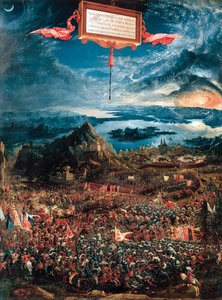
アルトドルフは、そのキャリアを通じて、絵画、版画、素描、建築設計など、多様な作品を制作しました。彼の最も有名な業績の一つに、1529年にバイエルン公ヴィルヘルム4世から依頼を受けた『アレクサンドロス大王のイッソスの戦い』があります。この壮大な絵画は、彼が構成と細部への習熟度を示しているだけでなく、戦闘シーンの劇的な緊張感を高めるために風景を革新的に使用していることを示しています。渦巻く雲、険しい山々、そして混沌とした兵士たちの乱闘は、圧倒的なエネルギーとスペクタクルを作り出します。1513年にインスブルックで神聖ローマ皇帝マクシミリアン1世と協力したことは、彼の芸術的視野をさらに広げ、大規模なプロジェクトに取り組む機会を提供しました。アルトドルフのスタイルは孤立して形成されたものではありませんでした。彼は様々な情報源からの影響を受けました。ジョルジョーネの詩的な叙情性、ルーカス・クラナッハ老人の表現力豊かな人物描写、そしてアルブレヒト・デューラーの細部へのこだわりがすべて彼の作品に痕跡を残しました。しかし、彼はこれらの影響を独自の人格的なビジョンへと統合し、感情的な強度、劇的な照明、そして喚起的な風景によって特徴づけられました。『浴後のヴィーナス』のような版画は、このメディアにおける彼のスキルを示しており、繊細な線と複雑なディテールが際立っています。遺産と永続的な影響
アルブレヒト・アルトドルフの芸術的遺産は、彼が生涯に制作した55枚のパネル画、120点の素描、そして数多くの版画を超えて広がっています。彼は風景画に対するアーティストのアプローチを根本的に変え、後世の人々がその表現力を探求するための道を開きました。彼の影響は、自然の崇高な美しさと感情的な力を捉えようとした後のドイツ・ロマン派の画家たちの作品に見ることができます。今日、アルトドルフの芸術作品は、ドイツのオストドイチェス・ガレリー美術館(*レーゲンスブルクのマリア』を所蔵)やオーストリアのKunstsammlungen und Museen Augsburgなど、世界中の主要な美術館に展示されています。彼の革新的な精神、技術的なスキル、そして自然界との深いつながりは、今日でもアーティストたちにインスピレーションを与え続けています。彼はドイツ・ルネサンスを代表する偉大な人物であり、風景を単なる背景としてではなく、深い感情と精神的な意味を呼び起こす強力な力として捉えた真の先駆者です。彼の作品は、世界に対する私たちの認識を変える芸術の永続的な力を証明しています—それは今日でも鑑賞者の心に響き続ける遺産です。アルトドルフの多様な作品を探求する
象徴的な風景画や戦闘シーンに加え、アルトドルフの芸術的範囲は、宗教的な主題、神話的な物語、さらには建築設計にも及びました。彼の『アブラハムの犠牲』のような聖書の物語の描写は、以前の解釈とは異なる劇的な強度と感情的な深みを与えられています。彼は単に聖典を説明しているのではなく、信仰を通して人間の状態を探求していました。『ムキウス・スキャエヴォラが手を燃やす』のような版画は、彼の線とディテールの習熟度を示しており、しばしば動きとドラマの感覚を伝えています。素描は、彼が細部にまで注意を払い、表現力豊かな陰影を使用していることを明らかにし、彼の創造的なプロセスへの親密な洞察を提供します。レーゲンスブルクの町長として、アルトドルフは都市の要塞や都市計画に貢献し、彼の実践的および芸術的な才能を示しました。彼が技術的なスキルと感情的な深みをシームレスに融合させた能力は、ルネサンスを代表するアーティストとしての地位を確固たるものにしました。アルトドルフの作品は、風景画への革新的なアプローチと人間の感情の深い探求のために、今日でも研究され、賞賛されています。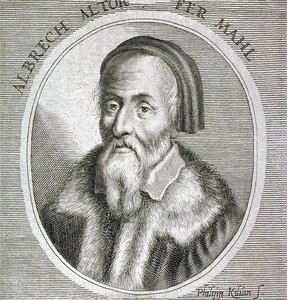
アルブレヒト・アルトドルファー
1480 - 1538 , ドイツ
基本情報
- Artistic Movement Or Style: ダヌーベ派、ルネサンス
- Artists Or Movements Influenced By This Artist: ['ドイツ浪漫派画家']
- Artists Who Influenced This Artist:
- ジョルジョーネ
- ルーカス・クラナッハ
- アルブレヒト・デューラー
- Date Of Birth: 1480年頃
- Date Of Death: 1538年
- Full Name: アルブレヒト・アルトドルファー
- Nationality: ドイツ人
- Notable Artworks (List Of Titles):
- アレクサンドロス合戦
- 大きなトウヒ
- 聖ゲオルギと竜
- Place Of Birth (City And Country): ドイツ、レーゲンスブルク
関連記事
Albrecht Dürer's Masterpieces: 25 Iconic Artworks for Your Home | ArtsDot
Explore 25 iconic artworks by Albrecht Dürer, a master of the German Renaissance. Discover the stories behind Melencolia I, Knight Death and Devil & more. Find museum-quality art reproductions for your home at ArtsDot.com.
Albrecht Altdorfer: Innovation, Spirituality & the Northern Renaissance Landscape
Explore the groundbreaking art of Albrecht Altdorfer, a pioneer of the Northern Renaissance's Danube School. Discover his innovative landscapes, spiritual symbolism & lasting influence on German painting.

Evocations of Place: A Historical Journey Through Landscape Art
Explore the rich history of landscape art with ArtsDot. Discover renowned artists, movements like Impressionism & Romanticism, and expert guidance for collecting timeless pieces. Find your perfect serene escape today!

ロマン派ランドスケープ:時代を彩る巨匠の10選|アートとインテリアの世界
ロマン派絵画の時代を彩る10選。巨匠たちの風景が織りなす感動の世界へ。ターナー、ルーベンスなど、名作の裏話と高精細複製でアートをお部屋に。ArtsDot.comで至福のアート体験を。

ジョン・コンスタブルの傑作25選:英国風景画の巨匠が描く自然と光の詩 | ArtsDot
ジョン・コンスタブルの傑作25選。英国風景画の巨匠が描く自然と光の詩の世界へ。ロマン主義を代表する絵画、デダム・ヴェールやヘイ・ウェインなど、ArtsDotで高品質なアートプリントをお楽しみください。インテリアに深みと感動を。コレクションはこちら。