

 プレビュー
プレビュー
 プリントを購入
 シェアする
シェアする シェアする
シェアする
 詳細を見る
詳細を見る

 ダウンロード
 似ている作品
 X線調査
X線調査 スライドショー
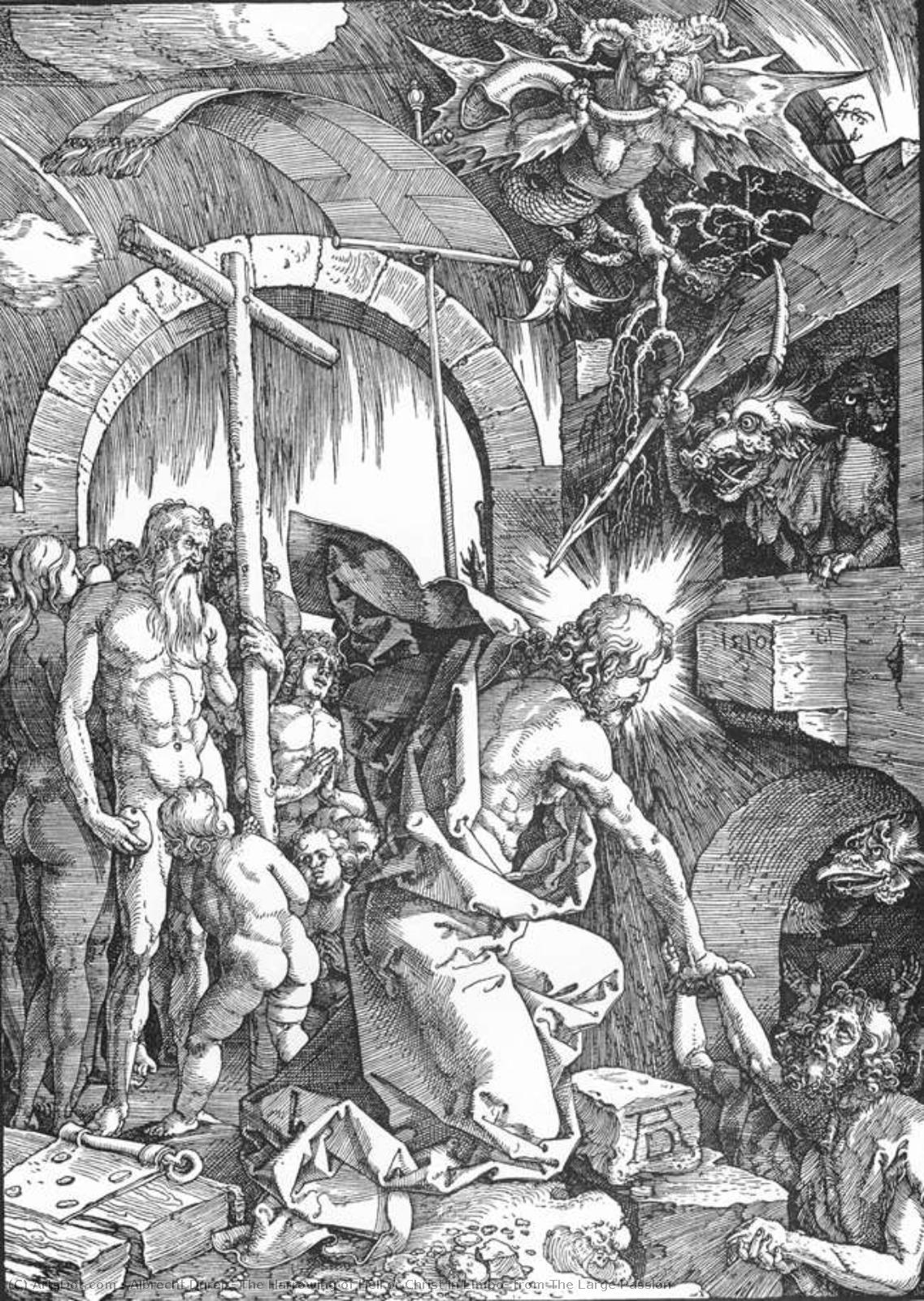
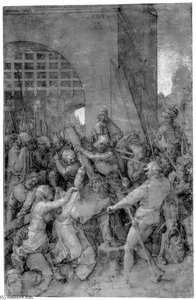
The Harrowing of Hell or Christ in Limbo, from The Large Passion


 詳細を見る
詳細を見る
オンラインプレビューをはるかに凌ぐ、高解像度で鮮明なデジタル画像をご購入いただけます。
各ファイルは、社内の専門家が高度なツールと熟練した手作業によるレタッチを用いて、細心の注意を払って準備されています。すべての画像において、卓越した鮮明度、正確な色彩再現性、そして繊細なディテールを保証いたします。
最終ファイルは、プロフェッショナルな編集・印刷環境ですぐにご利用いただけるよう最適化された状態で、72時間以内にメールにてお届けいたします。これは、一流のデザインスタジオ、出版社、ギャラリーから信頼されているものと同等の品質です。
デジタル画像のご注文に付随する特典
高品質なデジタル画像配信を、確かな品質で。
ArtsDot.com を選ぶことは、単に画像を手に入れることではありません。それは、プロの手によって精密に仕上げられ、満足保証が付いた高品質なデジタルアートワークを受け取ることを意味します。ご注文いただいた際に自動的に付随する内容は、以下の通りです:

メールですぐにお届け
ご注文から72時間以内に、高解像度のデジタル画像ファイルがメールでお手元に届きます。すぐにそのままご利用いただけます。

AI技術で最適化されたデジタルファイル
お客様の作品は、高度なAIツールと専門家による手作業の編集を組み合わせてプロフェッショナルに最適化されており、細部のディテール、鮮明さ、そして正確な色再現性を最大限に引き出しています。

一生涯無料の再送サービス
ファイルを誤って削除したり、紛失してしまったりしましたか?ご安心ください。いつでも無料で再送いたします。

輸入手数料は一切かかりません
関税や手数料、配送料を気にすることなく、お気に入りのアートワークをすぐにお楽しみいただけます。デジタルダウンロードは常に免税です。

色彩再現の保証
プロ仕様のツールとカラーマネジメント技術を用いることで、デジタル画像が元の色を最大限に忠実に再現することを保証いたします。

60日間満足保証
ご購入いただいたデジタル画像にご満足いただけない場合は、60日以内であれば、修正または100%の返金(理由を問う必要はありません)をさせていただきます。

100% 返金保証
ご満足いただけない場合は、デジタルファイルを受け取ってから60日以内であれば、理由を問わず全額返金いたします。

まとめ買い割引
3枚購入で10%OFF - 5枚購入で15%OFF - 10枚以上購入で20%OFF。クリエイティブなプロジェクト、ギャラリー、エージェンシーに最適です。
作品の詳細
A Vision of Suffering and Salvation: Albrecht Dürer’s “The Harrowing of Hell”
Albrecht Dürer's "The Harrowing of Hell," or Christ in Limbo, from his monumental “Large Passion,” is not merely a depiction of biblical narrative; it’s a profound exploration of spiritual torment and the promise of redemption. Created in 1510, this engraving stands as a testament to Dürer’s mastery of Northern Renaissance printmaking – a medium he fundamentally reshaped with his meticulous detail, dramatic lighting, and deeply symbolic imagery. It's a work that transcends its technical brilliance, offering viewers an intimate glimpse into the heart of Christian theology and the eternal struggle between darkness and light.

(Image: The Harrowing of Hell, Albrecht Dürer, 1510 - Wikimedia Commons)
A Composition of Chaos and Control
The engraving’s composition immediately commands attention. It plunges the viewer into a densely packed scene within an arched architectural setting – a stylized representation of hell's gates. Diagonal lines, expertly rendered through Dürer’s precise hatching and cross-hatching, create a dynamic tension throughout the image, pulling the eye across the chaotic tableau. At its center stands Christ, radiating an almost palpable light from his head and body, reaching down towards a group of tormented souls trapped in the oppressive darkness below. Surrounding him is a swirling vortex of figures: demonic entities attempting to resist his power, liberated spirits emerging from the depths, and biblical characters – including Adam holding the apple – bearing witness to this pivotal event. The overlapping forms and carefully considered placement of each figure contribute to a sense of overwhelming drama, mirroring the intensity of Christ’s descent.
The Language of Line: Technique and Texture
Dürer's genius lies in his masterful manipulation of line. Each stroke is deliberate, meticulously executed with fine, closely spaced lines that build up shading and texture. The varying densities of these lines create a remarkable illusion of depth and volume – from the smooth skin of Christ to the rough, jagged surfaces of the architectural elements and the tormented faces of the damned. Cross-hatching, particularly prominent in rendering shadows, is used with astonishing precision, transforming the monochrome image into a rich tapestry of light and dark. This technique isn’t simply decorative; it's integral to conveying the emotional weight of the scene – the coldness of hell, the warmth of Christ’s divine presence.
Symbolism of Light and Darkness
Beyond its technical brilliance, “The Harrowing of Hell” is profoundly symbolic. The light emanating from Christ represents not just his divinity but also salvation and hope—a beacon piercing through the suffocating darkness of sin and death. Conversely, the pervasive darkness symbolizes the consequences of transgression, the eternal suffering of those lost in despair. The demons embody malevolent forces resisting Christ’s triumph, while the liberated souls represent the promise of redemption. Adam's presence underscores the fall from grace and the need for divine intervention. The entire scene is a visual meditation on themes of judgment, mercy, and ultimately, forgiveness – core tenets of Christian belief.
A Window into the Renaissance Mind
“The Harrowing of Hell” exemplifies the artistic spirit of the Northern Renaissance, characterized by an intense focus on realism, meticulous detail, and a deep engagement with religious themes. Dürer’s work reflects his humanist ideals, blending classical influences with Christian iconography. His understanding of perspective—creating a convincing illusion of three-dimensionality within the confined space of the engraving—demonstrates his intellectual curiosity and artistic innovation. Reproductions of this powerful image offer a unique opportunity to experience the artistry and spiritual depth of one of the Renaissance’s most celebrated masters, bringing a timeless narrative into your home or studio.
関連作品

作家の略歴
アルブレヒト・デューラー:ルネサンスの巨匠、北欧とイタリアを結ぶ革新者
アルブレヒト・デューラー。その名は、ドイツ・ルネサンス美術を象徴する存在として、今もなお世界中の人々に知られています。1471年、ニュルンベルクに生まれ、1528年にこの世を去るまでの生涯は、芸術と知識への飽くなき探求心に満ち溢れていました。幼少期から父親の金細工工房で技術を学びながらも、絵画への才能を開花させたデューラーは、その卓越した技巧と革新的な精神によって、美術史に確固たる足跡を残しました。彼の作品群は、単なる美しい装飾ではなく、当時の社会情勢や思想、そして人間の内面世界を深く反映したものとして、現代においても私たちに多くの示唆を与えてくれます。ニュルンベルクの鍛錬とイタリアへの憧憬
デューラーの芸術家としてのキャリアは、ニュルンベルクで始まりました。師であるミヒャエル・ヴォルゲムットのもとで木版画や版画技術を習得し、その基礎を築きました。ヴォルゲムットの工房では、壮大な『ニュルンベルク年代記』などの制作に携わり、緻密な描写力と構図力を磨き上げました。しかし、デューラーの野心は、故郷の枠を超えたものでした。イタリア・ルネサンス美術への憧憬を抱き、1494年には初めてイタリアへと旅立ちます。フィレンツェやヴェネツィアで、レオナルド・ダ・ヴィンチ、ラファエロ、ジョヴァンニ・ベッリーニといった巨匠たちの作品に触発され、その芸術的視野は飛躍的に広がりました。古典古代の遺産とルネサンス美術の融合、そして人間性の探求というイタリア美術の本質を深く理解したデューラーは、自身の作品へと取り込み、新たな表現へと昇華させていきます。版画技術の革新と象徴主義
デューラーが最も顕著な功績を残したのは、版画技術の革新でしょう。木版画や銅版画といった技法を極め、それらを芸術的な表現手段として確立しました。特に銅版画においては、前例のないほどの細密描写と陰影表現を実現し、作品に深みと立体感を与えました。『メランコリアI』や『聖エルハルトの像』などの傑作は、その技術力の高さを物語っています。しかし、デューラーの版画は単なる写実的な再現にとどまりません。彼の作品には、キリスト教的象徴主義や錬金術的なモチーフが散りばめられており、見る者に多層的な解釈を促します。『メランコリアI』に描かれた天使の翼や、様々な道具、そして背景に広がる風景は、それぞれが複雑な意味合いを持ち合わせています。デューラーは、版画というメディアを通して、自身の知識と哲学を表現し、芸術作品に深遠な精神性を吹き込みました。理論家としてのデューラー:美術の科学化への挑戦
デューラーは単なる優れた芸術家にとどまらず、美術理論家としても傑出していました。彼は、人間の比率や幾何学的な原理に基づいた美術を追求し、『人間比例四書』などの著作を通して、その理論を展開しました。これらの著作は、当時の美術家たちに大きな影響を与え、美術の科学化という新たな潮流を生み出しました。また、デューラーは自らの芸術活動を積極的に記録し、自身の技術や思想を後世に伝えることを重視しました。彼の著書や手稿は、現代の研究者にとって貴重な資料となっており、デューラーの芸術観や制作過程を知る上で不可欠な存在です。ルネサンスにおけるデューラーの位置づけと遺産
アルブレヒト・デューラーは、ドイツ・ルネサンス美術を代表する巨匠として、その地位を確立しました。彼は、イタリア・ルネサンスの芸術的革新を取り入れながらも、北欧的な緻密な描写力と象徴主義を融合させ、独自の芸術様式を創造しました。版画技術の革新は、美術の普及に大きく貢献し、多くの芸術家たちに影響を与えました。また、彼の理論的な著作は、美術の科学化という新たな方向性を示唆し、後世の芸術家たちの思考に深遠な影響を与えました。デューラーの遺産は、現代においても私たちを魅了し続け、その芸術的探求心と革新性は、時代を超えて多くの人々にインスピレーションを与え続けています。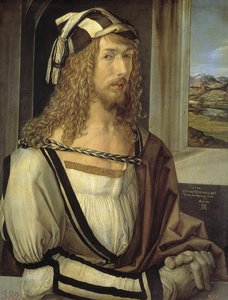
アルブレヒト・デューラー
1471 - 1528 , ドイツ
プロフィール概要
- フルネーム: アルブレヒト・デューラー
- 主な作品:
- アポカリプスの木版画
- メランコリアI
- 聖イエロニモ
- 出身地: ニュルンベルク(ドイツ)
- 国籍: ドイツ
- 影響を与えた芸術家または運動: ['北方ルネサンス']
- 影響を受けたアーティスト:
- レオナルド・ダ・ヴィンチ
- ラファエロ
- ジョヴァンニ・ベッリーニ
- 死亡年月日: 1528年4月6日
- 生年月日: 1471年5月21日
- 芸術運動またはスタイル: ドイツ・ルネサンス

