 プレビュー
プレビュー
 プリントを購入
 シェアする
シェアする シェアする
シェアする
 詳細を見る
詳細を見る

 ダウンロード
 似ている作品
 X線調査
X線調査 スライドショー
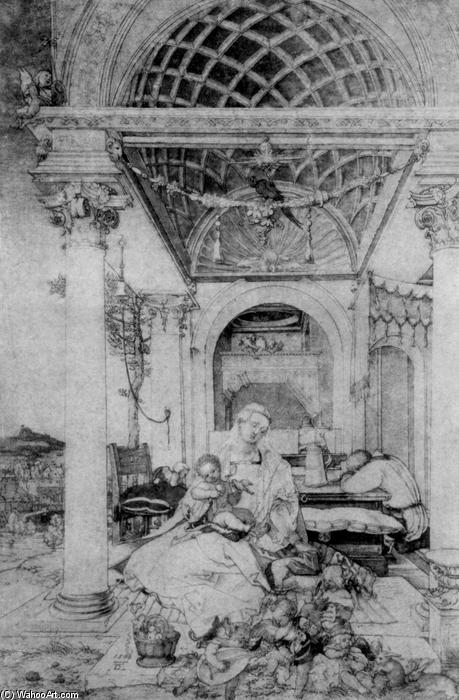
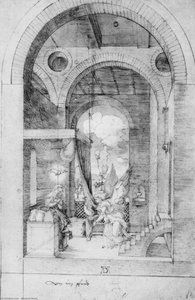
The Holy Family in a hall


 詳細を見る
詳細を見る




P118B $10

P118H $10

P118W $10

P438Z $10

P508JH $12

P508YH $12

P805H $10

P805Z $10

P919BZ $10

P919G $10

P919XJ $10

P959ZH $10

P968JZ $12

W106C $8

W218G $10

W218JH $8

W218Y $10

W307PJ $10

W316G $10

W316PJ $8

W316Y $10

W398PJ $8

W4111J $10

W500HY $15

W500JH $15

W692G $12

W849H $8

W940BG $15

W953PJ $8




作品のオリジナル比率に合わせた、当店の規定サイズからお選びください。

特定のフレームやスペースに合わせて、ご希望のサイズをご入力いただけます。選択されたサイズが元の画像の比率と異なる場合、アートワークをトリミングするか、手描きで要素を追加して絵画を拡張いたします。デジタルモックアップ を制作し、制作開始前にご確認(承認)をいただきます。
画面上のプレビューは、実際のトリミングや拡張を正確に反映しているものではありません。最終的な構図は、モックアップによってのみ正確にご確認いただけます。
カスタムサイズもご利用いただけますが、元の比率を維持するためには、あらかじめ用意されたリストからサイズを選択することをお勧めいたします。
ご注文後、ArtsDot.com チームより詳細な指示をお送りするとともに、仕上がりイメージ(モックアップ)をご提供いたします。


 ガラスオプションは、110cm未満のサイズでのみご利用いただけます。

The Holy Family in a hall
複製技法
複製画のサイズ
-


合計金額
$ 363
作品解説
A Study in Serenity: Albrecht Dürer’s ‘The Holy Family in a Hall’
Albrecht Dürer's 'The Holy Family in a Hall,' rendered with exquisite precision in pen and ink, offers a profound meditation on faith, family, and the enduring power of observation. Completed during his prolific career, this drawing transcends mere representation; it is a testament to Dürer’s mastery of Northern Renaissance artistic principles and his ability to imbue everyday subjects with spiritual significance. The work's monochromatic palette – a carefully orchestrated symphony of grays achieved through meticulous hatching and cross-hatching – immediately draws the viewer into a world of quiet contemplation, devoid of distracting color but rich in tonal nuance.
- Technical Brilliance: Dürer’s command of line is breathtaking. He employs a remarkable range of weights, from the delicate lines defining the contours of Mary's face to the bolder strokes that establish the monumental architecture of the hall. The layering of hatching and cross-hatching isn’t simply about shading; it’s a deliberate construction of volume and texture, creating an illusion of three-dimensionality on a flat surface – a technique central to Dürer’s innovative approach.
- Architectural Harmony: The composition itself is a carefully constructed tableau. The grand hall, with its soaring arches, vaulted ceiling adorned with intricate patterns, and classical columns, serves as more than just a backdrop; it's a symbolic representation of divine space – a sacred realm where the Holy Family resides.
- Linear Perspective: Dürer’s skillful manipulation of linear perspective—lines converging towards a vanishing point—creates a convincing illusion of depth within the hall, drawing the eye into the scene and reinforcing the sense of spatial realism that was revolutionary for its time.
The Northern Renaissance Vision
‘The Holy Family in a Hall’ is firmly rooted in the traditions of the Northern Renaissance, a movement characterized by an unparalleled dedication to detail, realism, and precise observation. Unlike the Italian Renaissance emphasis on idealized forms and classical mythology, Dürer's work was deeply connected to his Germanic roots, reflecting a profound interest in naturalism and a meticulous approach to rendering the world around him. This is evident in every carefully drawn line, every subtly shaded form – a testament to Dürer’s belief that art should be both beautiful and truthful.
- Dürer's Legacy: As one of the most influential artists of his era, Dürer pushed the boundaries of artistic technique and profoundly impacted subsequent generations of Northern European painters. His meticulous approach to drawing influenced not only his own work but also that of many of his contemporaries.
- A Symbol of Faith: The depiction of the Holy Family – Mary holding baby Jesus – is a powerful symbol of faith, piety, and familial love. It’s a scene familiar from religious art across centuries, yet Dürer's rendering elevates it to something truly special through his technical skill and artistic vision.
Symbolism and Emotional Resonance
Beyond its technical brilliance, ‘The Holy Family in a Hall’ resonates with profound symbolic meaning. The architectural setting – the hall itself – can be interpreted as representing heaven or the divine presence. The figures within are not merely depicted; they embody virtues: Mary represents humility and grace, while Jesus embodies innocence and divinity. The overall effect is one of serenity and contemplation, inviting viewers to reflect on themes of faith, family, and the enduring human desire for connection with the sacred.
- A Moment of Peace: The diffused lighting contributes significantly to the artwork’s emotional impact, creating a sense of calm and tranquility. It avoids harsh shadows, allowing the viewer to focus on the figures and their expressions.
- Timeless Appeal: Dürer's ability to capture such profound emotion through simple lines and tones is what makes this drawing so enduringly appealing – a testament to the power of art to transcend time and connect with viewers across generations.
Bringing ‘The Holy Family in a Hall’ into Your Space
A hand-painted reproduction of Albrecht Dürer's 'The Holy Family in a Hall' offers a unique opportunity to bring this masterpiece into your home or office. ArtsDot.com provides meticulously crafted reproductions that faithfully capture the artist’s original vision, utilizing archival quality materials for lasting beauty and vibrancy. This artwork is more than just decoration; it’s an investment in art history, a celebration of human creativity, and a source of daily inspiration.
関連作品
アーティストの略歴
アルブレヒト・デューラー:ルネサンスの巨匠、北欧とイタリアを結ぶ革新者
アルブレヒト・デューラー。その名は、ドイツ・ルネサンス美術を象徴する存在として、今もなお世界中の人々に知られています。1471年、ニュルンベルクに生まれ、1528年にこの世を去るまでの生涯は、芸術と知識への飽くなき探求心に満ち溢れていました。幼少期から父親の金細工工房で技術を学びながらも、絵画への才能を開花させたデューラーは、その卓越した技巧と革新的な精神によって、美術史に確固たる足跡を残しました。彼の作品群は、単なる美しい装飾ではなく、当時の社会情勢や思想、そして人間の内面世界を深く反映したものとして、現代においても私たちに多くの示唆を与えてくれます。ニュルンベルクの鍛錬とイタリアへの憧憬
デューラーの芸術家としてのキャリアは、ニュルンベルクで始まりました。師であるミヒャエル・ヴォルゲムットのもとで木版画や版画技術を習得し、その基礎を築きました。ヴォルゲムットの工房では、壮大な『ニュルンベルク年代記』などの制作に携わり、緻密な描写力と構図力を磨き上げました。しかし、デューラーの野心は、故郷の枠を超えたものでした。イタリア・ルネサンス美術への憧憬を抱き、1494年には初めてイタリアへと旅立ちます。フィレンツェやヴェネツィアで、レオナルド・ダ・ヴィンチ、ラファエロ、ジョヴァンニ・ベッリーニといった巨匠たちの作品に触発され、その芸術的視野は飛躍的に広がりました。古典古代の遺産とルネサンス美術の融合、そして人間性の探求というイタリア美術の本質を深く理解したデューラーは、自身の作品へと取り込み、新たな表現へと昇華させていきます。版画技術の革新と象徴主義
デューラーが最も顕著な功績を残したのは、版画技術の革新でしょう。木版画や銅版画といった技法を極め、それらを芸術的な表現手段として確立しました。特に銅版画においては、前例のないほどの細密描写と陰影表現を実現し、作品に深みと立体感を与えました。『メランコリアI』や『聖エルハルトの像』などの傑作は、その技術力の高さを物語っています。しかし、デューラーの版画は単なる写実的な再現にとどまりません。彼の作品には、キリスト教的象徴主義や錬金術的なモチーフが散りばめられており、見る者に多層的な解釈を促します。『メランコリアI』に描かれた天使の翼や、様々な道具、そして背景に広がる風景は、それぞれが複雑な意味合いを持ち合わせています。デューラーは、版画というメディアを通して、自身の知識と哲学を表現し、芸術作品に深遠な精神性を吹き込みました。理論家としてのデューラー:美術の科学化への挑戦
デューラーは単なる優れた芸術家にとどまらず、美術理論家としても傑出していました。彼は、人間の比率や幾何学的な原理に基づいた美術を追求し、『人間比例四書』などの著作を通して、その理論を展開しました。これらの著作は、当時の美術家たちに大きな影響を与え、美術の科学化という新たな潮流を生み出しました。また、デューラーは自らの芸術活動を積極的に記録し、自身の技術や思想を後世に伝えることを重視しました。彼の著書や手稿は、現代の研究者にとって貴重な資料となっており、デューラーの芸術観や制作過程を知る上で不可欠な存在です。ルネサンスにおけるデューラーの位置づけと遺産
アルブレヒト・デューラーは、ドイツ・ルネサンス美術を代表する巨匠として、その地位を確立しました。彼は、イタリア・ルネサンスの芸術的革新を取り入れながらも、北欧的な緻密な描写力と象徴主義を融合させ、独自の芸術様式を創造しました。版画技術の革新は、美術の普及に大きく貢献し、多くの芸術家たちに影響を与えました。また、彼の理論的な著作は、美術の科学化という新たな方向性を示唆し、後世の芸術家たちの思考に深遠な影響を与えました。デューラーの遺産は、現代においても私たちを魅了し続け、その芸術的探求心と革新性は、時代を超えて多くの人々にインスピレーションを与え続けています。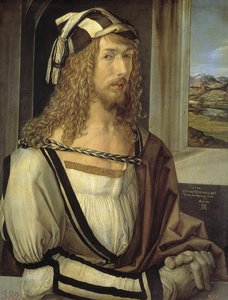
アルブレヒト・デューラー
1471 - 1528 , ドイツ
基本情報
- フルネーム: アルブレヒト・デューラー
- 主な作品:
- アポカリプスの木版画
- メランコリアI
- 聖イエロニモ
- 出身地: ニュルンベルク(ドイツ)
- 国籍: ドイツ
- 影響を与えた芸術家または運動: ['北方ルネサンス']
- 影響を受けたアーティスト:
- レオナルド・ダ・ヴィンチ
- ラファエロ
- ジョヴァンニ・ベッリーニ
- 死亡年月日: 1528年4月6日
- 生年月日: 1471年5月21日
- 芸術運動またはスタイル: ドイツ・ルネサンス
関連記事
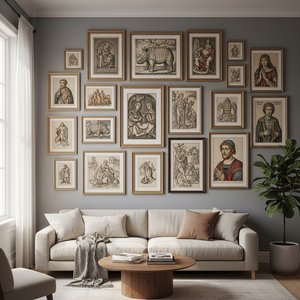
Albrecht Dürer's Masterpieces: 25 Iconic Artworks for Your Home | ArtsDot
Explore 25 iconic artworks by Albrecht Dürer, a master of the German Renaissance. Discover the stories behind Melencolia I, Knight Death and Devil & more. Find museum-quality art reproductions for your home at ArtsDot.com.

Giclée Prints: Archival Quality & Aesthetic Nuances for the Discerning Collector
Explore the world of giclée prints with ArtsDot. Learn about archival quality, aesthetic nuances & investment potential. Expert guidance for discerning art collectors seeking museum-quality reproductions and lasting value.
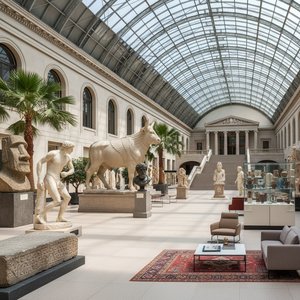
大英博物館の至宝25選:歴史と芸術が織りなす感動の旅 | ArtsDot
大英博物館の至宝25選:歴史を彩る絵画、彫刻の世界へ。印象派から古代美術まで、名作の背景と芸術家の情熱に迫ります。ArtsDotで高品質なアート複製やインテリアをお楽しみください。オンラインで全コレクションをご覧ください。

The Enduring Legacy of Fine Art Prints: Technique, History & Aesthetic Impact
Explore the rich history & techniques of fine art prints. Discover investment potential, assess authenticity, and learn how to preserve your collection with expert guidance. Trusted insights for discerning collectors.

葛飾北斎:25の傑作が語る浮世絵の世界 - ArtsDot
葛飾北斎の25選:『神奈川沖浪裏』や『富嶽三十六景』など、浮世絵の世界を深く探求。木版画の技法と日本美術の美をArtsDotで。高品質なアートプリントで空間に感動を。コレクションはこちら。