 プレビュー
プレビュー
 シェアする
シェアする シェアする
シェアする
 詳細を見る
詳細を見る

 ダウンロード
 似ている作品
 X線調査
X線調査 スライドショー
 統計情報
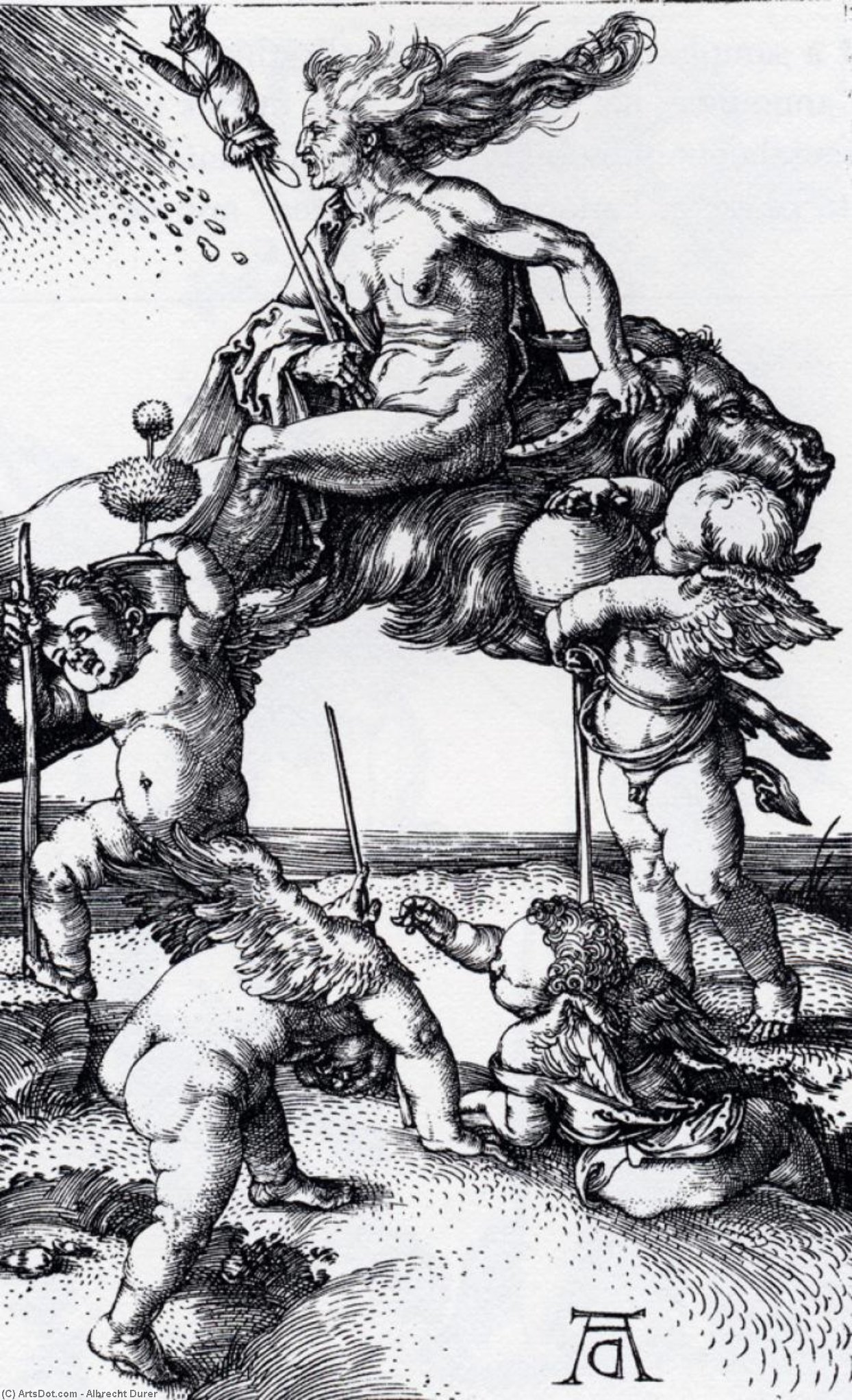
統計情報Witch Riding Backwards On A Goat


 詳細を見る
詳細を見る
ジークレー/アートプリント
迅速な制作と多彩な仕上げオプションを備えた、ミュージアムクオリティのジークレーまたはキャンバスプリント。 ( 手描きの絵画を購入 デジタル画像販売へ切り替え)




P118B $10

P118H $10

P118W $10

P438Z $10

P508JH $12

P508YH $12

P805H $10

P805Z $10

P919BZ $10

P919G $10

P919XJ $10

P959ZH $10

P968JZ $12

W106C $8

W218G $10

W218JH $8

W218Y $10

W307PJ $10

W316G $10

W316PJ $8

W316Y $10

W398PJ $8

W4111J $10

W500HY $15

W500JH $15

W692G $12

W849H $8

W940BG $15

W953PJ $8




作品のオリジナル比率に合わせた、当店の規定サイズからお選びください。

特定のフレームやスペースに合わせて、ご自身でサイズを指定することも可能です。選択されたサイズが元の画像の比率と一致しない場合、作品をトリミングするか、鏡面反射または単色での塗りつぶしによって画像を拡張いたします。制作を開始する前に、ご確認用のデジタルモックアップをお送りいたします。
画面上のプレビューには、実際のトリミングや拡張は反映されませんのでご注意ください。最終的な構図を正確に確認できるのは、モックアップのみとなります。
カスタムサイズも承っておりますが、元の比率を維持するためには、あらかじめ用意されたリストからサイズを選択することをお勧めいたします。


 ガラスオプションは、110cm未満のサイズでのみご利用いただけます。

Witch Riding Backwards On A Goat
ジークレー/アートプリント
複製画のサイズ
-


合計金額
$ 62
A Vision of Defiance: Unpacking Dürer's "Witch Riding Backwards on a Goat"
Albrecht Dürer’s “Witch Riding Backwards on a Goat,” created around 1500, is more than just a captivating image; it’s a window into the anxieties and beliefs of the Northern Renaissance. Executed in stark monochrome with meticulous detail, this engraving embodies the era's fascination with both the sacred and the profane, the beautiful and the terrifying. The scene depicts a woman, seemingly defying convention by riding her goat backwards – an act laden with symbolic weight – against a backdrop of fantastical elements that speak to the complex worldview of the time. Dürer’s mastery of engraving technique is immediately apparent in the incredibly precise line work, creating a sense of depth and drama that transcends the limitations of the medium.
- Technique: The artwork's creation hinged on the intricate process of engraving. A copper or iron plate was meticulously etched with a burin – a sharp tool used to cut lines into the metal surface. This plate, then inked and pressed onto paper through a complex system of pressure and dampening, resulted in the stunningly detailed image we see today.
- Composition: The vertical orientation and densely packed figures create a sense of urgency and narrative intensity. The slightly off-center placement of the witch and goat draws the viewer's eye, while the layered arrangement suggests depth and complexity.
The Symbolism of Rebellion and the Devil’s Embrace
The subject matter itself is profoundly symbolic. The image taps into prevalent folklore surrounding witchcraft – a fear deeply rooted in medieval Europe. The witch riding backwards represents defiance, unconventionality, and perhaps even a rejection of societal norms. The goat, often associated with pagan rituals and demonic forces, further reinforces this interpretation. However, the inclusion of an angelic figure in the upper right corner introduces a crucial element of moral judgment, suggesting a struggle between good and evil. This juxtaposition creates a powerful tension, inviting viewers to contemplate the nature of sin, redemption, and the precarious balance between these opposing forces.
Dürer’s choice to depict the witch riding backwards is particularly significant. It's not simply a depiction of witchcraft; it’s an assertion of agency within a patriarchal society where women were often viewed as vulnerable and powerless. This act of rebellion, rendered with such technical precision, elevates the image beyond a mere illustration and transforms it into a potent statement about human will.
A Masterpiece of Northern Renaissance Engraving
“Witch Riding Backwards on a Goat” is a quintessential example of Dürer’s style – characterized by its meticulous detail, precise line work, and narrative complexity. His influence extended far beyond Nuremberg; he set new standards for engraving across Europe. The use of hatching and cross-hatching to build up tonal values demonstrates his understanding of light and shadow, creating a dramatic effect that is both visually arresting and emotionally resonant. The flattened perspective, typical of engravings from this period, serves not to deceive but to emphasize the symbolic content rather than realistic representation.
Dürer’s dedication to craftsmanship is evident in every line of this engraving. It's a testament to his skill as an artist and his profound understanding of printmaking techniques. This piece remains a powerful reminder of the enduring fascination with human nature, morality, and the darker aspects of our world – themes that continue to resonate with audiences today.
関連作品
アーティストの略歴
アルブレヒト・デューラー:ルネサンスの巨匠、北欧とイタリアを結ぶ革新者
アルブレヒト・デューラー。その名は、ドイツ・ルネサンス美術を象徴する存在として、今もなお世界中の人々に知られています。1471年、ニュルンベルクに生まれ、1528年にこの世を去るまでの生涯は、芸術と知識への飽くなき探求心に満ち溢れていました。幼少期から父親の金細工工房で技術を学びながらも、絵画への才能を開花させたデューラーは、その卓越した技巧と革新的な精神によって、美術史に確固たる足跡を残しました。彼の作品群は、単なる美しい装飾ではなく、当時の社会情勢や思想、そして人間の内面世界を深く反映したものとして、現代においても私たちに多くの示唆を与えてくれます。ニュルンベルクの鍛錬とイタリアへの憧憬
デューラーの芸術家としてのキャリアは、ニュルンベルクで始まりました。師であるミヒャエル・ヴォルゲムットのもとで木版画や版画技術を習得し、その基礎を築きました。ヴォルゲムットの工房では、壮大な『ニュルンベルク年代記』などの制作に携わり、緻密な描写力と構図力を磨き上げました。しかし、デューラーの野心は、故郷の枠を超えたものでした。イタリア・ルネサンス美術への憧憬を抱き、1494年には初めてイタリアへと旅立ちます。フィレンツェやヴェネツィアで、レオナルド・ダ・ヴィンチ、ラファエロ、ジョヴァンニ・ベッリーニといった巨匠たちの作品に触発され、その芸術的視野は飛躍的に広がりました。古典古代の遺産とルネサンス美術の融合、そして人間性の探求というイタリア美術の本質を深く理解したデューラーは、自身の作品へと取り込み、新たな表現へと昇華させていきます。版画技術の革新と象徴主義
デューラーが最も顕著な功績を残したのは、版画技術の革新でしょう。木版画や銅版画といった技法を極め、それらを芸術的な表現手段として確立しました。特に銅版画においては、前例のないほどの細密描写と陰影表現を実現し、作品に深みと立体感を与えました。『メランコリアI』や『聖エルハルトの像』などの傑作は、その技術力の高さを物語っています。しかし、デューラーの版画は単なる写実的な再現にとどまりません。彼の作品には、キリスト教的象徴主義や錬金術的なモチーフが散りばめられており、見る者に多層的な解釈を促します。『メランコリアI』に描かれた天使の翼や、様々な道具、そして背景に広がる風景は、それぞれが複雑な意味合いを持ち合わせています。デューラーは、版画というメディアを通して、自身の知識と哲学を表現し、芸術作品に深遠な精神性を吹き込みました。理論家としてのデューラー:美術の科学化への挑戦
デューラーは単なる優れた芸術家にとどまらず、美術理論家としても傑出していました。彼は、人間の比率や幾何学的な原理に基づいた美術を追求し、『人間比例四書』などの著作を通して、その理論を展開しました。これらの著作は、当時の美術家たちに大きな影響を与え、美術の科学化という新たな潮流を生み出しました。また、デューラーは自らの芸術活動を積極的に記録し、自身の技術や思想を後世に伝えることを重視しました。彼の著書や手稿は、現代の研究者にとって貴重な資料となっており、デューラーの芸術観や制作過程を知る上で不可欠な存在です。ルネサンスにおけるデューラーの位置づけと遺産
アルブレヒト・デューラーは、ドイツ・ルネサンス美術を代表する巨匠として、その地位を確立しました。彼は、イタリア・ルネサンスの芸術的革新を取り入れながらも、北欧的な緻密な描写力と象徴主義を融合させ、独自の芸術様式を創造しました。版画技術の革新は、美術の普及に大きく貢献し、多くの芸術家たちに影響を与えました。また、彼の理論的な著作は、美術の科学化という新たな方向性を示唆し、後世の芸術家たちの思考に深遠な影響を与えました。デューラーの遺産は、現代においても私たちを魅了し続け、その芸術的探求心と革新性は、時代を超えて多くの人々にインスピレーションを与え続けています。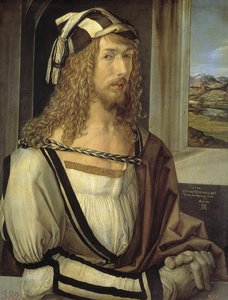
アルブレヒト・デューラー
1471 - 1528 , ドイツ
基本情報
- フルネーム: アルブレヒト・デューラー
- 主な作品:
- アポカリプスの木版画
- メランコリアI
- 聖イエロニモ
- 出身地: ニュルンベルク(ドイツ)
- 国籍: ドイツ
- 影響を与えた芸術家または運動: ['北方ルネサンス']
- 影響を受けたアーティスト:
- レオナルド・ダ・ヴィンチ
- ラファエロ
- ジョヴァンニ・ベッリーニ
- 死亡年月日: 1528年4月6日
- 生年月日: 1471年5月21日
- 芸術運動またはスタイル: ドイツ・ルネサンス
関連記事
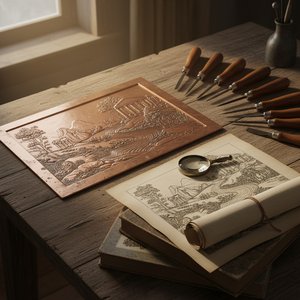
Engraving: A Historical Survey of Technique, Artistic Expression & Enduring Legacy
Explore the rich history of engraving with ArtsDot. Discover techniques, iconic artists like Dürer & Callot, collecting tips, and expert guidance for preserving your art investment. Learn about intaglio printing & more!
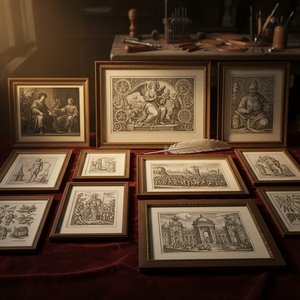
Engraving's Golden Age: 10 Masterpieces That Redefined Art | ArtsDot
Journey through art history with our Top 10 Legendary Engravings! Explore masterpieces by Dürer, Rembrandt & Goya. Discover the stories behind these iconic prints and find museum-quality reproductions for your home at ArtsDot.com.

The Intricate World of Engraving: A Historical Survey of Technique, Artistic Expression & Enduring Legacy
Explore the rich history of engraving with ArtsDot. Discover techniques, iconic artists like Dürer & Callot, collecting tips, and expert guidance for preserving your art investment. Learn about intaglio printing & more!
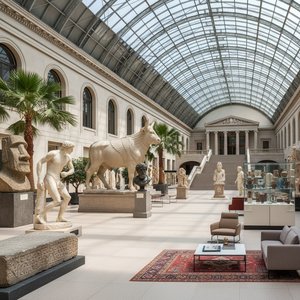
大英博物館の至宝25選:歴史と芸術が織りなす感動の旅 | ArtsDot
大英博物館の至宝25選:歴史を彩る絵画、彫刻の世界へ。印象派から古代美術まで、名作の背景と芸術家の情熱に迫ります。ArtsDotで高品質なアート複製やインテリアをお楽しみください。オンラインで全コレクションをご覧ください。
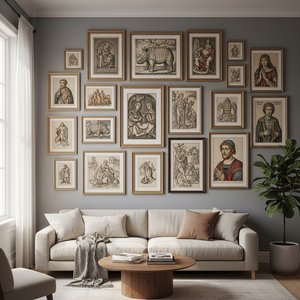
Albrecht Dürer's Masterpieces: 25 Iconic Artworks for Your Home | ArtsDot
Explore 25 iconic artworks by Albrecht Dürer, a master of the German Renaissance. Discover the stories behind Melencolia I, Knight Death and Devil & more. Find museum-quality art reproductions for your home at ArtsDot.com.