

 シェアする
シェアする シェアする
シェアする
 詳細を見る
詳細を見る

 ダウンロード
 似ている作品
 スライドショー
Set of blouses


 詳細を見る
詳細を見る
ジークレー/アートプリント
迅速な制作と多彩な仕上げオプションを備えた、ミュージアムクオリティのジークレーまたはキャンバスプリント。 ( 手描きの絵画を購入 画像を購入)




































作品のオリジナル比率に合わせた、当店の規定サイズからお選びください。

特定のフレームやスペースに合わせて、ご自身でサイズを指定することも可能です。選択されたサイズが元の画像の比率と一致しない場合、作品をトリミングするか、鏡面反射または単色での塗りつぶしによって画像を拡張いたします。制作を開始する前に、ご確認用のデジタルモックアップをお送りいたします。
画面上のプレビューには、実際のトリミングや拡張は反映されませんのでご注意ください。最終的な構図を正確に確認できるのは、モックアップのみとなります。
カスタムサイズも承っておりますが、元の比率を維持するためには、あらかじめ用意されたリストからサイズを選択することをお勧めいたします。


 ガラスオプションは、110cm未満のサイズでのみご利用いただけます。

Set of blouses
ジークレー/アートプリント
複製画のサイズ
-


合計金額
$ 62
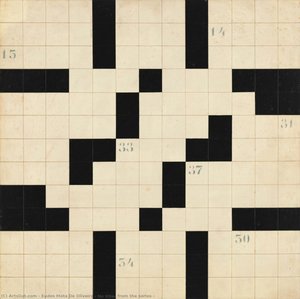
A Vibrant Echo of Brazil’s Textile Heritage: Aldemir Martins' ‘Set of Blouses’
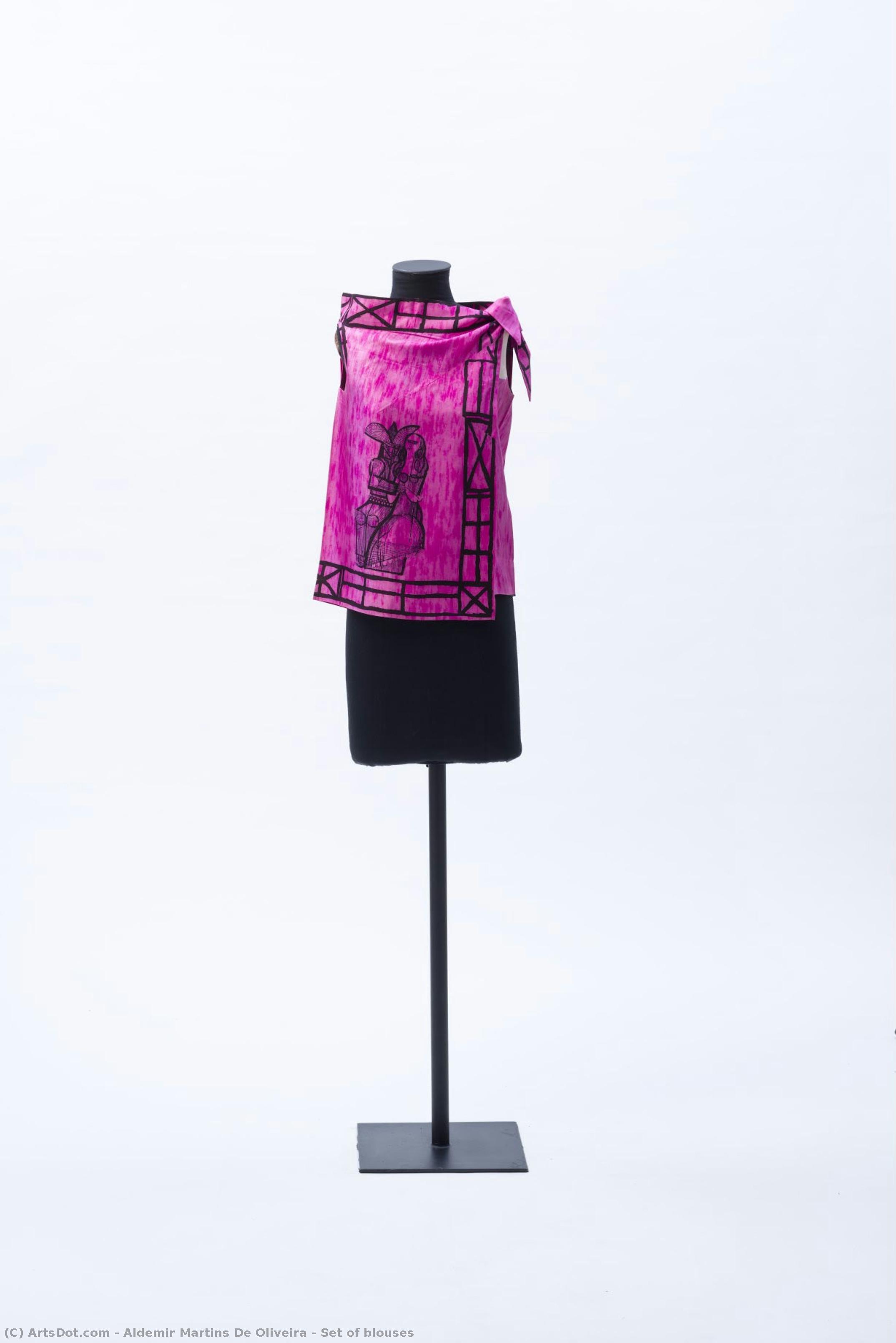
Aldemir Martins de Oliveira’s “Set of blouses” stands as a testament to the dynamism of Brazilian art in the mid-century – specifically, its engagement with emerging technologies and cultural narratives. Created in 1960, this textile artwork embodies the spirit of Fenit (National Textile Industry Fair), São Paulo, representing not just fashion but also a broader celebration of innovation and national identity during Brazil’s postwar period. The piece itself is deceptively simple: a vertical arrangement of pink fabric adorned with bold black geometric shapes and stylized figures—a deliberate choice that speaks volumes about Martins' artistic sensibilities.The Fabric of Context: Rhodia’s Visionary Sponsorship
The artwork’s provenance adds another layer of significance. Produced as part of a collection donated to Museu Brasileiro da Arte Contemporânea (MAC) in São Paulo, it was championed by Rhodia, a French chemical manufacturer actively promoting synthetic fabrics within Brazil. This collaboration underscores the broader cultural landscape of the time—a concerted effort to showcase Brazilian creativity alongside industrial progress. Lívio Rangan’s role as Rhodia's publicity manager exemplifies this vision, orchestrating fashion spectacles that aimed to elevate Brazilian design internationally.Decoding Geometric Expression: Style and Technique
Martins’s artistic style leans heavily into mid-century modern aesthetics, characterized by geometric abstraction and a masterful manipulation of color. The technique employed—likely screen printing—demonstrates precision and control, ensuring the faithful reproduction of intricate patterns onto the fabric. Bold black lines delineate squares and rectangles, creating striking visual contrast against the dominant pink hue. These shapes aren’t merely decorative; they represent a conscious rejection of traditional representation, aligning with the modernist impulse to distill form into its purest essence. The subtle sheen of the synthetic material further enhances the textural quality of the artwork, inviting contemplation on surface and materiality.Pink as Symbol: Emotion and Place
The pervasive pink color isn’t arbitrary; it evokes feelings of femininity and vibrancy—qualities deeply rooted in Brazilian culture. Simultaneously, it serves as a visual anchor, grounding the composition within the landscape of São Paulo and referencing the broader cultural milieu of the era. The stylized figures incorporated into the designs could hold symbolic meaning beyond their immediate aesthetic appeal, hinting at references to indigenous traditions or perhaps reflecting Martins’s own exploration of identity.A Legacy of Bold Vision
Aldemir Martins de Oliveira's “Set of blouses” transcends its material form—a textile reproduction—to become a conduit for understanding Brazilian art history and cultural aspirations. It exemplifies the fusion of artistic experimentation with commercial sponsorship, capturing a pivotal moment in Brazil’s modernization while simultaneously celebrating enduring aesthetic values. Its vibrant colors, geometric precision, and evocative symbolism continue to inspire collectors and interior designers alike, securing its place as an iconic piece of Brazilian mid-century modern art.関連作品


アーティストの略歴
Aldemir Martins de Oliveira: A Vision of the Brazilian Northeast
Aldemir Martins de Oliveira, born in Ico, Ceará, Brazil on November 8, 1922, and passing away in São Paulo on February 6, 2006, was a pivotal figure in 20th-century Brazilian art. More than simply a painter, he became a chronicler of his homeland’s soul – its landscapes, its people, and the enduring spirit of the Northeast. His work, characterized by vibrant colors, bold brushstrokes, and an intimate understanding of texture, transcends mere representation; it evokes a powerful sense of place and memory. Martins' artistic journey was one of profound personal connection interwoven with a growing national identity, culminating in a body of art that continues to resonate deeply within Brazil and beyond.Early Life and Artistic Beginnings
Martins’s early life shaped his artistic vision profoundly. He began drawing at the Military College in 1934, an experience that ignited a lifelong passion for visual expression. Self-taught and largely independent, he immersed himself in the burgeoning art scene of Fortaleza, contributing significantly to its cultural development by co-founding the Cultural Center for Fine Arts in 1941, later renamed the Ceará Society of Fine Arts – SCAP. This period saw him experimenting with various mediums, including illustration for regional newspapers and magazines, a crucial step in honing his observational skills and developing his distinctive style. His early work reflected the realities of Northeastern Brazil—the stark beauty of its arid landscapes, the dignity of its people, and the rhythms of rural life – themes that would dominate much of his oeuvre.A Distinctive Artistic Style: Color, Texture, and Narrative
Martins’s artistic style is immediately recognizable for its bold use of color and dynamic brushwork. He eschewed academic precision in favor of a more expressive approach, layering pigments to create rich textures that mimic the rough surfaces of his subjects – weathered wood, sun-baked earth, and the flowing garments of his figures. His palette is intensely vibrant, often employing saturated hues to capture the intensity of the Brazilian sun. However, it’s not merely color; Martins masterfully employed texture to convey depth and emotion. He frequently incorporated elements of *textura*, a technique popular in Brazil during this period, adding a tactile quality to his paintings that invites viewers to almost reach out and touch the scene. Crucially, his work is narrative—each painting tells a story, often imbued with symbolism and reflecting the cultural traditions of the Northeast.Notable Works and Recognition
Several works stand as testaments to Martins’s artistic prowess and enduring legacy. “Bird” (1957), now held by the Museum of Modern Art in New York, is arguably his most celebrated piece – a dynamic composition capturing the essence of avian flight against a dramatic sky. “Rendeira” (1955), depicting a woman weaving on a traditional loom, exemplifies his ability to imbue everyday scenes with profound meaning and emotional resonance. His illustrations for various publications further showcased his versatility and artistic vision. In 1956, he received international recognition at the Venice Biennale, awarded “best international designer,” solidifying his position as a significant voice in contemporary art. The Prêmio Jabuti, bestowed upon him in 1959, acknowledged his contributions to Brazilian literature and arts, recognizing his broader cultural impact.Legacy and Influence
Aldemir Martins de Oliveira’s influence extends far beyond the canvases he created. He served as a mentor to younger artists and played a vital role in promoting Brazilian art on an international stage. His work continues to inspire generations of artists, not only for its technical brilliance but also for its honest portrayal of Brazilian culture and identity. His dedication to capturing the essence of the Northeast—its landscapes, its people, and its traditions—has cemented his place as one of Brazil’s most important 20th-century artists. His legacy lives on through his captivating paintings, drawings, and illustrations, offering a timeless window into the heart of Brazil.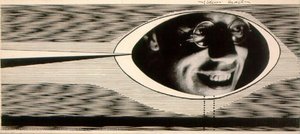
aldemir martins de oliveira
1922 - 2006 , Brazil
基本情報
- Artistic Movement Or Style: Unique blend
- Date Of Birth: November 8, 1922
- Date Of Death: February 6, 2006
- Full Name: Aldemir Martins de Oliveira
- Nationality: Brazilian
- Notable Artworks:
- Bird (1957)
- Rendeira
- Place Of Birth: Ico, Ceará, Brazil
関連記事

幾何学的抽象絵画を定義した傑作10選|アート、アーティスト、インテリア装飾
モンドリアン、マレーヴィチ…幾何学的抽象絵画を代表する傑作10選。各作品の背景や色彩構成、アーティストの情熱に迫ります。美術館品質の複製画はArtsDot.comで。オンラインでアートコレクションをご覧ください。
Woven Wonders: A Beginner's Guide to Elevating Your New Home with Timeless Textile Art
Discover how to transform your new home with the warmth of textile art. Our expert guide for newlyweds explores handwoven tapestries, tactile fibers, and timeless ways to curate a soulful, sophisticated interior through beautiful woven wonders.
Benedito Calixto: A Brazilian Modernist's Landscape of Memory & National Identity
Explore the captivating world of Benedito Calixto, a pivotal Brazilian Modernist painter. Discover his iconic landscapes, the story behind the famous Bandeirante portrait, and his lasting impact on Brazilian national identity. Learn more at ArtsDot.
Geometric Design in Art: A Historical Survey & Contemporary Appeal for Collectors
Explore the enduring legacy of geometric abstraction! Discover key artists, historical movements & investment insights for discerning art collectors. Expert guidance from ArtsDot.
Beyond Form & Color: Geometric Abstraction's Evolution in 20th/21st Century Art
Explore the evolution of geometric abstraction from Cubism to contemporary art. Discover key artists like Malevich & Mondrian, investment insights, and expert collecting advice at ArtsDot.