


 プレビュー
プレビュー
 シェアする
シェアする シェアする
シェアする
 詳細を見る
詳細を見る

 ダウンロード
 似ている作品
 X線調査
X線調査 スライドショー
Handwritten Dedication of Aleksander Fredro


 詳細を見る
詳細を見る
ジークレー/アートプリント
迅速な制作と多彩な仕上げオプションを備えた、ミュージアムクオリティのジークレーまたはキャンバスプリント。 ( 手描きの絵画を購入 画像を購入)




































作品のオリジナル比率に合わせた、当店の規定サイズからお選びください。

特定のフレームやスペースに合わせて、ご自身でサイズを指定することも可能です。選択されたサイズが元の画像の比率と一致しない場合、作品をトリミングするか、鏡面反射または単色での塗りつぶしによって画像を拡張いたします。制作を開始する前に、ご確認用のデジタルモックアップをお送りいたします。
画面上のプレビューには、実際のトリミングや拡張は反映されませんのでご注意ください。最終的な構図を正確に確認できるのは、モックアップのみとなります。
カスタムサイズも承っておりますが、元の比率を維持するためには、あらかじめ用意されたリストからサイズを選択することをお勧めいたします。


 ガラスオプションは、110cm未満のサイズでのみご利用いただけます。

Handwritten Dedication of Aleksander Fredro
ジークレー/アートプリント
複製画のサイズ
-


合計金額
$ 62
関連作品


アーティストの略歴
A Life Bridging Eras: The World of Jan Aleksander Fredro
Jan Aleksander Fredro, born in Lviv, Poland on September 2, 1829, emerged as a significant voice within the complex landscape of 19th-century Polish literature. His life unfolded during a period of intense national struggle and shifting intellectual currents, a duality that profoundly shaped his artistic vision. As the son of Jacek Fredro and Marianna Dembińska, he inherited not only noble lineage – holding the title of Count – but also a keen awareness of Poland’s turbulent history and a deep-seated patriotism. While often categorized within both Romanticism and Positivism, Fredro's work transcends easy classification, embodying a unique blend of wit, social observation, and subtle political commentary. He passed away on May 15, 1891, in Siemianice, leaving behind a legacy that continues to resonate with audiences today.From Romantic Sentiment to Positivist Realism
Fredro’s literary journey coincided with the waning years of Polish Romanticism and the rise of Positivism. The early part of his career was marked by an embrace of Romantic ideals – a focus on emotion, individualism, and national identity. However, unlike some of his more overtly passionate contemporaries, Fredro tempered these sentiments with a sharp, satirical eye. He didn’t abandon the emotional core of Romanticism but rather channeled it through comedies that exposed societal foibles and challenged conventional norms. This transition wasn't abrupt; instead, it was a gradual evolution towards a more pragmatic and realistic portrayal of Polish life. As Positivist thought gained prominence, emphasizing reason, scientific inquiry, and social progress, Fredro’s work increasingly reflected these values. He began to focus on the everyday lives of ordinary people, depicting their struggles and aspirations with remarkable clarity and nuance.The Comedic Genius: A Mirror to Polish Society
Fredro is best known for his comedies, which remain staples of the Polish theatrical repertoire. These weren’t merely lighthearted entertainments; they were shrewd observations of Polish aristocracy, gentry life, and the complexities of human relationships. Works like Śluby panieńskie (The Maidens' Vows) and Zemsta (The Revenge) are celebrated for their sparkling dialogue, memorable characters, and masterful plotting. Śluby panieńskie, for example, playfully critiques the conventions of arranged marriage and female agency, while Zemsta is a hilarious tale of neighborly feuds fueled by pride and stubbornness. His comedies often featured stock characters – the cunning servant, the pompous nobleman, the romantic idealist – but Fredro imbued them with enough individuality to make them feel fresh and relatable. He possessed an uncanny ability to capture the nuances of Polish speech and mannerisms, adding another layer of authenticity to his work.Beyond Comedy: Memoirs and Independent Thought
While celebrated as a comedic playwright, Fredro’s contributions extended beyond the theater. He was also a prolific mémorialiste, documenting his experiences and observations in insightful memoirs. These writings offer valuable glimpses into Polish society during a period of significant political upheaval. Furthermore, Fredro was a staunch independentist, deeply committed to Poland's cause for freedom and self-determination. His patriotism wasn’t expressed through overt political manifestos but rather through subtle critiques of foreign domination and celebrations of Polish culture and identity. He understood the power of art as a vehicle for social commentary and used his work to promote national consciousness and inspire resistance against oppression.A Lasting Legacy: Fredro's Place in Polish Literature
Jan Aleksander Fredro’s enduring appeal lies in his ability to blend humor, wit, and social observation with a deep-seated love for Poland. He navigated the complexities of two literary eras – Romanticism and Positivism – forging a unique artistic voice that continues to captivate audiences today. His comedies are not simply relics of the past; they remain relevant because they explore universal themes of love, ambition, and human folly.- His influence can be seen in the works of subsequent Polish playwrights.
- Fredro’s plays continue to be performed regularly on stages across Poland and beyond.
- He is remembered as a key figure in shaping modern Polish literature and national identity.
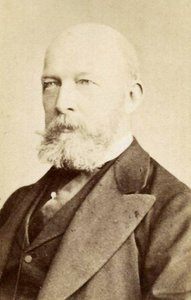
aleksander jan fredro
1829 - 1891 , Poland
基本情報
- Artistic Movement Or Style:
- Romanticism
- Positivism
- Date Of Birth: September 2, 1829
- Date Of Death: May 15, 1891
- Full Name: Jan Aleksander Fredro
- Nationality: Polish
- Place Of Birth: Lviv, Poland

