

 プレビュー
プレビュー
 プリントを購入
 シェアする
シェアする シェアする
シェアする
 詳細を見る
詳細を見る

 ダウンロード
 似ている作品
 X線調査
X線調査 スライドショー
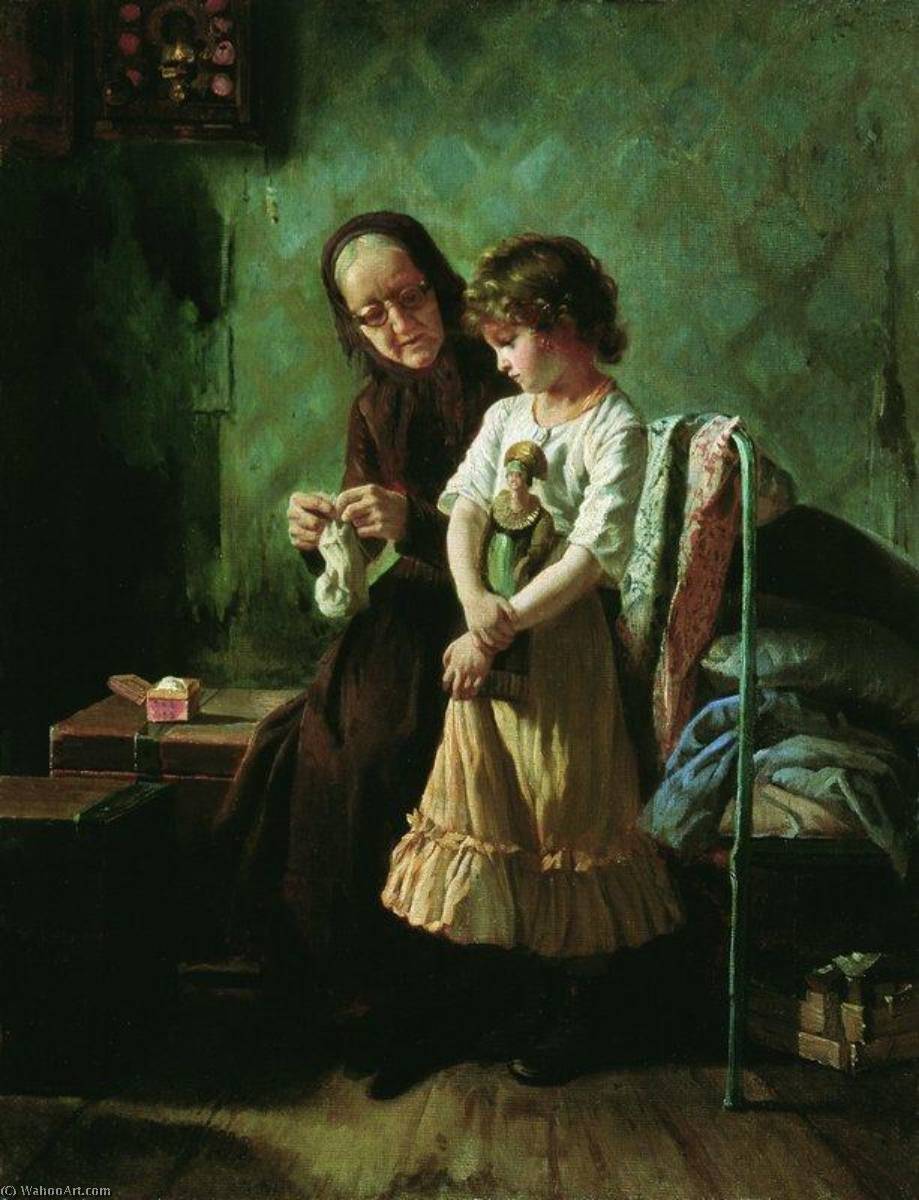
Grandmother and Granddaughter

 詳細を見る
詳細を見る
オンラインプレビューをはるかに凌ぐ、高解像度で鮮明なデジタル画像をご購入いただけます。
各ファイルは、社内の専門家が高度なツールと熟練した手作業によるレタッチを用いて、細心の注意を払って準備されています。すべての画像において、卓越した鮮明度、正確な色彩再現性、そして繊細なディテールを保証いたします。
最終ファイルは、プロフェッショナルな編集・印刷環境ですぐにご利用いただけるよう最適化された状態で、72時間以内にメールにてお届けいたします。これは、一流のデザインスタジオ、出版社、ギャラリーから信頼されているものと同等の品質です。
デジタル画像のご注文に付随する特典
高品質なデジタル画像配信を、確かな品質で。
ArtsDot.com を選ぶことは、単に画像を手に入れることではありません。それは、プロの手によって精密に仕上げられ、満足保証が付いた高品質なデジタルアートワークを受け取ることを意味します。ご注文いただいた際に自動的に付随する内容は、以下の通りです:

メールですぐにお届け
ご注文から72時間以内に、高解像度のデジタル画像ファイルがメールでお手元に届きます。すぐにそのままご利用いただけます。

AI技術で最適化されたデジタルファイル
お客様の作品は、高度なAIツールと専門家による手作業の編集を組み合わせてプロフェッショナルに最適化されており、細部のディテール、鮮明さ、そして正確な色再現性を最大限に引き出しています。

一生涯無料の再送サービス
ファイルを誤って削除したり、紛失してしまったりしましたか?ご安心ください。いつでも無料で再送いたします。

輸入手数料は一切かかりません
関税や手数料、配送料を気にすることなく、お気に入りのアートワークをすぐにお楽しみいただけます。デジタルダウンロードは常に免税です。

色彩再現の保証
プロ仕様のツールとカラーマネジメント技術を用いることで、デジタル画像が元の色を最大限に忠実に再現することを保証いたします。

60日間満足保証
ご購入いただいたデジタル画像にご満足いただけない場合は、60日以内であれば、修正または100%の返金(理由を問う必要はありません)をさせていただきます。

100% 返金保証
ご満足いただけない場合は、デジタルファイルを受け取ってから60日以内であれば、理由を問わず全額返金いたします。

まとめ買い割引
3枚購入で10%OFF - 5枚購入で15%OFF - 10枚以上購入で20%OFF。クリエイティブなプロジェクト、ギャラリー、エージェンシーに最適です。
関連作品








作家の略歴
Alexei Ivanovich Korzukhin: A Chronicle of Rural Russia
Born in 1835 in the remote village of Uktusskaya, near Yekaterinburg—a landscape steeped in gold mining history—Alexei Ivanovich Korzukhin’s life and artistic journey were inextricably linked to the rhythms of rural Russian existence. His early years, spent amidst the toil of his family's occupation as gold prospectors, instilled within him a profound appreciation for the lives of ordinary people – farmers, laborers, and villagers – a theme that would dominate much of his oeuvre. This formative experience, coupled with an innate artistic talent nurtured during childhood through icon painting lessons, laid the foundation for a career dedicated to capturing the essence of 19th-century Russia with remarkable honesty and empathy.
Early Years and Artistic Training
Korkuzhin’s formal training began at the Imperial Academy of Arts in St. Petersburg, a prestigious institution that shaped many of the era's leading artists. He entered in 1858, initially drawn to the classical style favored by the academy, but quickly became involved in the burgeoning “Peredvizhniki” (Wanderers) movement—a group dedicated to depicting Russian life as it truly was, often outside the confines of the opulent court and aristocratic circles. This association proved pivotal, exposing him to a more socially conscious approach to art and challenging the prevailing academic norms. His time at the Academy was marked by both success – earning a gold medal in 1863 – and dissent, culminating in his participation in the “Revolt of the Fourteen,” a student protest against the academy’s insistence on adhering strictly to classical artistic principles.
The Peredvizhniki and Artistic Development
Following the Academy's rejection, Korzukhin joined the "Artel of Artists," an experimental collective that fostered collaborative creation and a commitment to realism. This period proved crucial for his artistic development, allowing him to refine his technique and explore new subject matter. He embraced the Peredvizhniki’s ethos, focusing on scenes of everyday life—the struggles and joys of rural communities, the dignity of labor, and the quiet beauty of the Russian countryside. His early works, such as “Commemorating the Village Cemetery” (1865), are characterized by a somber palette, meticulous detail, and a poignant portrayal of mortality and remembrance. The influence of artists like Ilya Repin and Vasily Perov is evident in his early style, but Korzukhin quickly developed a distinctive voice—one marked by a deep understanding of human emotion and a subtle yet powerful use of symbolism.
Themes and Techniques
Korkuzhin’s artistic output spanned a diverse range of subjects, including genre scenes, portraits, and religious works. However, his most enduring legacy lies in his depictions of rural life—scenes of poverty, hardship, and resilience that offer a starkly honest reflection of 19th-century Russia. His paintings are notable for their meticulous observation of detail, capturing the textures of clothing, the weariness on faces, and the simple beauty of the landscape. He frequently employed earthy tones and muted colors to evoke a sense of realism and authenticity, while also incorporating symbolic elements—a broken plow, a meager meal, or a solitary figure—to convey deeper meanings about human existence. His later works, particularly those commissioned for churches like the Cathedral of Christ the Saviour in Moscow and the Ascension Cathedral in Yelets, demonstrate his mastery of fresco painting and his ability to seamlessly blend secular and religious themes.
Legacy and Historical Significance
Alexei Korzukhin’s life was tragically cut short in 1894, following a severe nervous shock triggered by the assassination of Tsar Alexander II. Despite this untimely death, his artistic legacy endures as a significant contribution to Russian Realism. His unflinching portrayal of rural Russia offered a powerful counterpoint to the idealized depictions favored by official art circles and provided valuable insights into the lives of ordinary people during a period of profound social and political change. His works are now housed in prominent museums across Russia, including the State Russian Museum in St. Petersburg, ensuring that his poignant vision of 19th-century Russia continues to resonate with audiences today. His paintings serve as a testament to the power of art to document history, evoke empathy, and capture the enduring spirit of humanity.
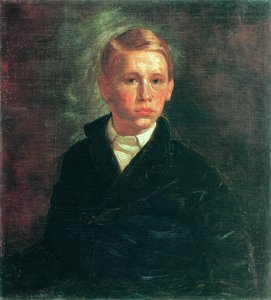
aleksei ivanovich korzukhin
1835 - 1894

