

 プレビュー
プレビュー
 シェアする
シェアする シェアする
シェアする
 詳細を見る
詳細を見る

 ダウンロード
 似ている作品
 X線調査
X線調査 スライドショー
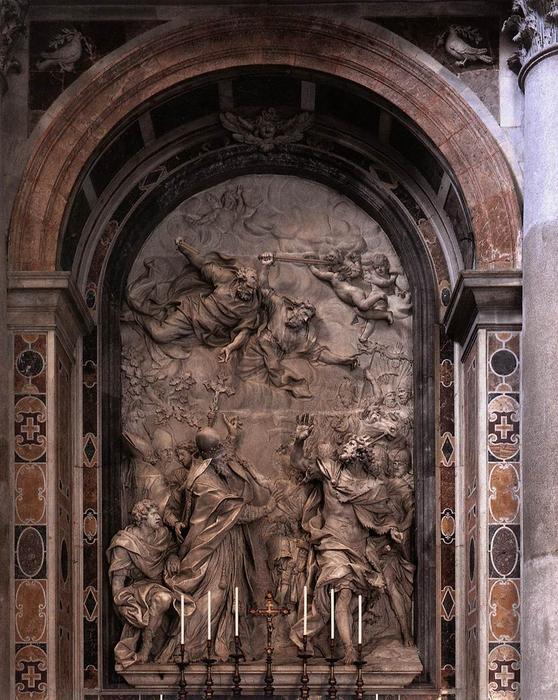
The Meeting of Leo I and Attila


 詳細を見る
詳細を見る
ジークレー/アートプリント
迅速な制作と多彩な仕上げオプションを備えた、ミュージアムクオリティのジークレーまたはキャンバスプリント。 ( 手描きの絵画を購入 画像を購入)




P118B $10

P118H $10

P118W $10

P438Z $10

P508JH $12

P508YH $12

P805H $10

P805Z $10

P919BZ $10

P919G $10

P919XJ $10

P959ZH $10

P968JZ $12

W106C $8

W218G $10

W218JH $8

W218Y $10

W307PJ $10

W316G $10

W316PJ $8

W316Y $10

W398PJ $8

W4111J $10

W500HY $15

W500JH $15

W692G $12

W849H $8

W940BG $15

W953PJ $8




作品のオリジナル比率に合わせた、当店の規定サイズからお選びください。

特定のフレームやスペースに合わせて、ご自身でサイズを指定することも可能です。選択されたサイズが元の画像の比率と一致しない場合、作品をトリミングするか、鏡面反射または単色での塗りつぶしによって画像を拡張いたします。制作を開始する前に、ご確認用のデジタルモックアップをお送りいたします。
画面上のプレビューには、実際のトリミングや拡張は反映されませんのでご注意ください。最終的な構図を正確に確認できるのは、モックアップのみとなります。
カスタムサイズも承っておりますが、元の比率を維持するためには、あらかじめ用意されたリストからサイズを選択することをお勧めいたします。


 ガラスオプションは、110cm未満のサイズでのみご利用いただけます。

The Meeting of Leo I and Attila
ジークレー/アートプリント
複製画のサイズ
-


合計金額
$ 62
作品詳細説明
A Dialogue Between Faith and Fury: Alessandro Algardi’s “The Meeting of Leo I and Attila”
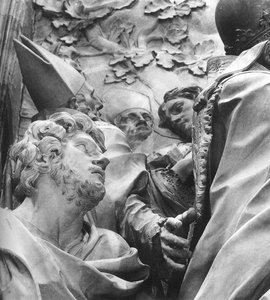
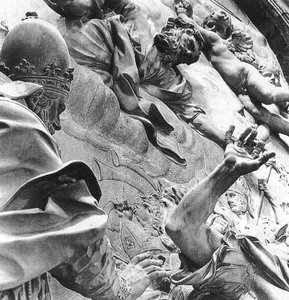
Alessandro Algardi, born in Bologna on July 31, 1598, stands as a cornerstone of Baroque sculpture—a figure whose artistic vision diverged subtly yet powerfully from the flamboyant grandeur championed by contemporaries like Gian Lorenzo Bernini. While Bernini sought to overwhelm audiences with theatrical spectacle and dynamic movement, Algardi cultivated a refined elegance underpinned by classical principles, offering instead a contemplative reflection on history and human dignity. His formative years were spent honing his craft under Agostino Carracci, absorbing the humanist ideals of the Bolognese Renaissance, before Giulio Cesare Conventi instilled in him a dedication to sculptural technique that would define his oeuvre. Early commissions—chalk statues for Santa Maria della Vita—established Algardi’s reputation as a skilled artist and secured patronage from influential figures like Ferdinando I, Duke of Mantua—a testament to his burgeoning talent and ambition. Moving to Rome in 1625, Algardi benefited greatly from the support of papal circles, propelling him into the epicenter of artistic innovation. This pivotal relocation coincided with a period of intense intellectual ferment, mirroring the broader Baroque aesthetic’s preoccupation with emotion and grandeur. Unlike Bernini's overtly dramatic gestures, Algardi favored a restrained approach—a deliberate choice that prioritized clarity of form and subtle nuances of expression. He meticulously studied ancient sculptures, striving to emulate their idealized beauty and anatomical precision, thereby grounding his work in the enduring legacy of Greek and Roman art. This commitment to classical ideals informed not only his sculptural style but also his broader artistic philosophy. The centerpiece of Algardi’s monumental output is undoubtedly “The Meeting of Leo I and Attila,” completed in 1646 for St. Peter's Basilica—a commission that cemented Algardi’s position as one of Rome’s foremost sculptors. This colossal marble relief depicts a pivotal moment in papal history: the perilous confrontation between Pope Leo I and Attila the Hun, where Leo bravely defended Rome against the barbarian onslaught. The sculpture transcends mere historical representation; it embodies a profound meditation on faith versus fear—the unwavering resolve of spiritual leadership confronting existential threat.- Style & Technique: Algardi’s masterful execution exemplifies Baroque sculptural technique—characterized by dramatic chiaroscuro, achieved through meticulous carving and polishing to maximize light reflection. The sculpture utilizes the medium of marble with exceptional precision, capturing minute details that convey a palpable sense of realism.
- Composition & Narrative: The relief's pyramidal structure lends it stability and grandeur, directing the viewer’s gaze towards the central figures—Pope Leo I and Attila. Algardi skillfully portrays multiple characters engaged in dynamic poses, conveying the urgency and tension of the historical encounter.
- Symbolism & Emotion: The inclusion of a book symbolizes papal authority and divine inspiration, while Attila’s helmet and armor represent barbarism and aggression. Algardi's emotive portrayal captures the psychological complexities of the scene—the Pope’s calm dignity juxtaposed against Attila’s menacing gaze.
関連作品
アーティストの略歴
ローマ・バロックを彩ったボローニャの彫刻家
1598年7月31日、ボローニャに生を受けたアレッサンドロ・アルガルディは、17世紀イタリア彫刻界のダイナミックな変遷において、極めて重要な役割を果たした人物です。彼の名は、しばしば偉大なライバルであるジャン・ロレンツォ・ベルニーニと並べて語られますが、アルガルディは単なる対抗馬に留まらず、独自の芸術的アイデンティティを確立していました。それは、古典的な理想主義と抑制された感情表現に根ざしたものであり、ベルニーニの演劇的な熱狂とは一線を画す、説得力のあるもう一つの選択肢を提示していたのです。彼の歩みはアゴスティーノ・カッラッチの下での修行から始まり、そこで基礎的な技術を磨きましたが、彼を彫刻の道へと決定づけたのはジュリオ・チェーザレ・コンヴェンティによる指導でした。ボローニャのサンタ・マリア・デッラ・ヴィータ礼拝堂のために制作された聖人のチョーク像など、初期の作品にはすでに芽生えつつある才能が宿っており、地元の宝石商やマントヴァ公フェルディナンド1世からの依頼を勝ち取る原動力となりました。こうした初期の成功が彼の野心の跳躍台となり、1625年にはマントヴァ公の紹介によって、運命の地であるローマへと導かれたのです。ローマ芸術界での模索
当時のローマは、芸術的革新と激しい競争が渦巻く坩堝(るつぼ)であり、ベルニーニの類まれな技巧と、ボルゲーゼ家やバルベリーニ家といった有力貴族によるパトロネージュが支配していました。アルガルディがこの街に降り立った初期の数年間は、修復作業やテラコッタの小像、肖像胸像といった小規模な依頼に勤勉に取り組む日々であり、強大な存在感を持つベルニーニの影の中で、自らの地位を確立しようと模索していました。しかし、彼はピエトロ・ダ・コルトーナやドメニキーノといった同時代の芸術家たちから支持を得ることができました。彼らはアルガルディの潜在能力を見抜き、主要な依頼を獲得することが困難であった時期に、温かな励ましを与えたのです。この初期の苦闘こそが、アルガルディの芸術的軌道を形作ることとなりました。彼は単にベルニーニを模倣しようとしたのではなく、バロック特態の美学とは異なる、古典的な感性とバロックのドラマ性を融合させた、繊細な対位法を提示することに心血を注いだのです。記念碑的な達成と芸術的様式
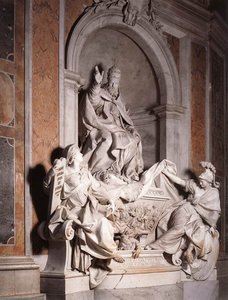
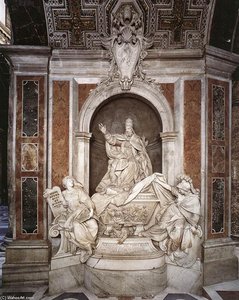
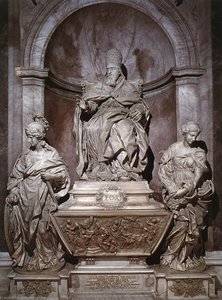
アルガルディの真の飛躍は、サン・ピエトロ大聖堂における教皇レオ11世の墓廟制作(1634-1644年)によってもたらされました。祝福の仕草で座る教皇を、寛大さと自由を象徴する寓意像が挟むこの記念碑的な作品は、彼のキャリアにおける決定的な転換点となりました。そこには解剖学的な習熟、構成力、そして物語的な細部へのこだわりが見事に表現されており、同時にベルニーニの動的なアプローチとは対照的な、抑制された美しさを提示したのです。さらに、サンタ・マリア・イン・ヴァッリチェッラのための聖フィリッポ・ネリ像(1635-1638年)は、大規模な彫刻を優雅かつ力強く完成させる彼の能力を証明し、その名声を不動のものにしました。また、劇的な彫刻群である聖パウロの斬首(1640年頃)では、古典的な枠組みの中に強烈な感情を込める彼独自の表現力が露わになっています。彼の様式は一貫して、均衡のとれた構成、威厳あるポーズ、そして細部への緻なった配慮を重視していました。こうした特質は、ベルニーニの圧倒的な演劇性に代わる、より落ち着いた美を求めるパトロンたちの心に深く響いたのです。教皇インノケンティウス10世の即位は、彼にさらなる重要な依頼をもたらし、ドリア・パンフィーリ・ヴィラの設計監修においては、数多くの彫刻や噴水の制作に携わることとなりました。また、形式的な厳格さと写実的な人物描写で知られる彼の肖像胸像は、特に高い人気を博しました。カピトリーノ美術館に収蔵されているインノケンティウス10世のブロンズ胸像は、その最高傑作の一つとして今も燦然と輝いています。遺産と永続する影響
アレッサンドロ・アルガルディが残した足跡は、彼の生涯を超えて広がっています。エルコレ・フェラータやドメニコ・グイディといった、彼に師事した次世代の彫刻家たちは、アルガルディの古典的な原理と洗練された技法を吸収し、その影響を受け継いでいきました。その名声は国境をも越え、スペインにおいても、アランフエス王宮の暖炉飾りやサラマンカのアウグスチノ修道院の墓廟制作といった依頼が寄せられました。アルガル𝑑ィのキャリアは、バロック期のローマという芸術的風景における極めて魅力的な事例といえます。それは、複数の才能ある彫刻家がいかにして共存し、競い合いながら、同時に自らの技の限界を押し広げていくことができるかを物語っています。彼は単なるベルニーニのライバルとしてではなく、ハイ・バロック様式に対して唯一無二かつ永続的な貢献を果たした彫刻家として、イタリア美術史における重要な人物であり続けています。その作品は、時代のダイナミズムによって磨き上げられた古典的理想の力を、今に伝える証なのです。1654年6月10日、彼はローマでその生涯を閉じましたが、威厳ある美と卓越した技術の遺産は、今日においてもなお、見る者の心を捉えて離しません。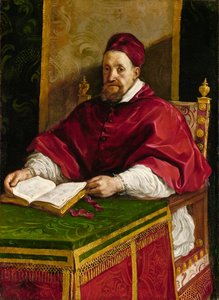
アレッサンドロ・アルガディ
1598 - 1654 , イタリア
基本情報
- Artistic Movement Or Style: 盛期バロック
- Artists Or Movements Influenced By This Artist:
- エルコレ・フェラータ
- ドメニコ・グイディ
- Artists Who Influenced This Artist:
- アゴスティーノ・カッラッチ
- ジュリオ・コンヴェンティ
- Date Of Birth: 1598年7月31日
- Date Of Death: 1654年6月10日
- Full Name: アレッサンドロ・アルガディ
- Nationality: イタリア
- Notable Artworks:
- 教皇レオ11世の墓
- 聖フィリッポ・ネリ
- 聖パウロの斬首
- ドンナ・オリンピアの胸像
- Place Of Birth: イタリア、ボローニャ
関連記事

Bronze Sculptures That Defined Art History | ArtsDot
Journey through art history with our Top 10 bronze sculptures! Explore masterpieces by Rodin, Michelangelo & more. Discover stories behind iconic statues and find museum-quality reproductions for your home decor at ArtsDot.com.

The Enduring Form: Exploring Themes & Techniques in Sculpture Across Historical Periods
Explore the rich history of sculpture from ancient masterpieces to contemporary innovations. Discover key techniques, influential artists & investment potential for discerning art collectors.
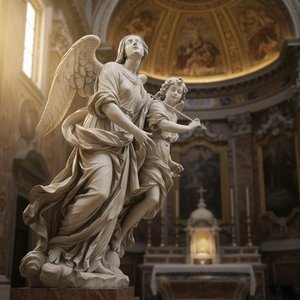
Gian Lorenzo Bernini: Sculpting Baroque Emotion & the Roman Imagination
Explore the life & revolutionary art of Gian Lorenzo Bernini, the master sculptor of the Baroque era. Discover his iconic works like David and Ecstasy of Saint Teresa – a journey into Roman artistic genius.

The Enduring Form: Sculpture Across History, Technique & Emotional Resonance
Explore the rich history of sculpture with ArtsDot. Discover key techniques, influential artists & investment potential for discerning collectors. Expert insights into valuing and collecting timeless masterpieces.

Bronze Age to Modern Masters: 10 Sculptures That Redefined Art | ArtsDot
Journey through art history with 10 legendary bronze sculptures – from Michelangelo's David to Rodin’s Thinker. Explore the stories, techniques & timeless beauty of these masterpieces. Find museum-quality reproductions & elevate your home decor on ArtsDot.com.

