 プレビュー
プレビュー
 シェアする
シェアする シェアする
シェアする
 詳細を見る
詳細を見る

 ダウンロード
 似ている作品
 X線調査
X線調査 スライドショー
Stories of St. Jerome


 詳細を見る
詳細を見る
ジークレー/アートプリント
迅速な制作と多彩な仕上げオプションを備えた、ミュージアムクオリティのジークレーまたはキャンバスプリント。 ( 手描きの絵画を購入 画像を購入)




P118B $10

P118H $10

P118W $10

P438Z $10

P508JH $12

P508YH $12

P805H $10

P805Z $10

P919BZ $10

P919G $10

P919XJ $10

P959ZH $10

P968JZ $12

W106C $8

W218G $10

W218JH $8

W218Y $10

W307PJ $10

W316G $10

W316PJ $8

W316Y $10

W398PJ $8

W4111J $10

W500HY $15

W500JH $15

W692G $12

W849H $8

W940BG $15

W953PJ $8




作品のオリジナル比率に合わせた、当店の規定サイズからお選びください。

特定のフレームやスペースに合わせて、ご自身でサイズを指定することも可能です。選択されたサイズが元の画像の比率と一致しない場合、作品をトリミングするか、鏡面反射または単色での塗りつぶしによって画像を拡張いたします。制作を開始する前に、ご確認用のデジタルモックアップをお送りいたします。
画面上のプレビューには、実際のトリミングや拡張は反映されませんのでご注意ください。最終的な構図を正確に確認できるのは、モックアップのみとなります。
カスタムサイズも承っておりますが、元の比率を維持するためには、あらかじめ用意されたリストからサイズを選択することをお勧めいたします。


 ガラスオプションは、110cm未満のサイズでのみご利用いただけます。

Stories of St. Jerome
ジークレー/アートプリント
複製画のサイズ
-


合計金額
$ 62
作品詳細説明
A Tapestry of Papal Authority: Alessandro Allori’s “Stories of St. Jerome”
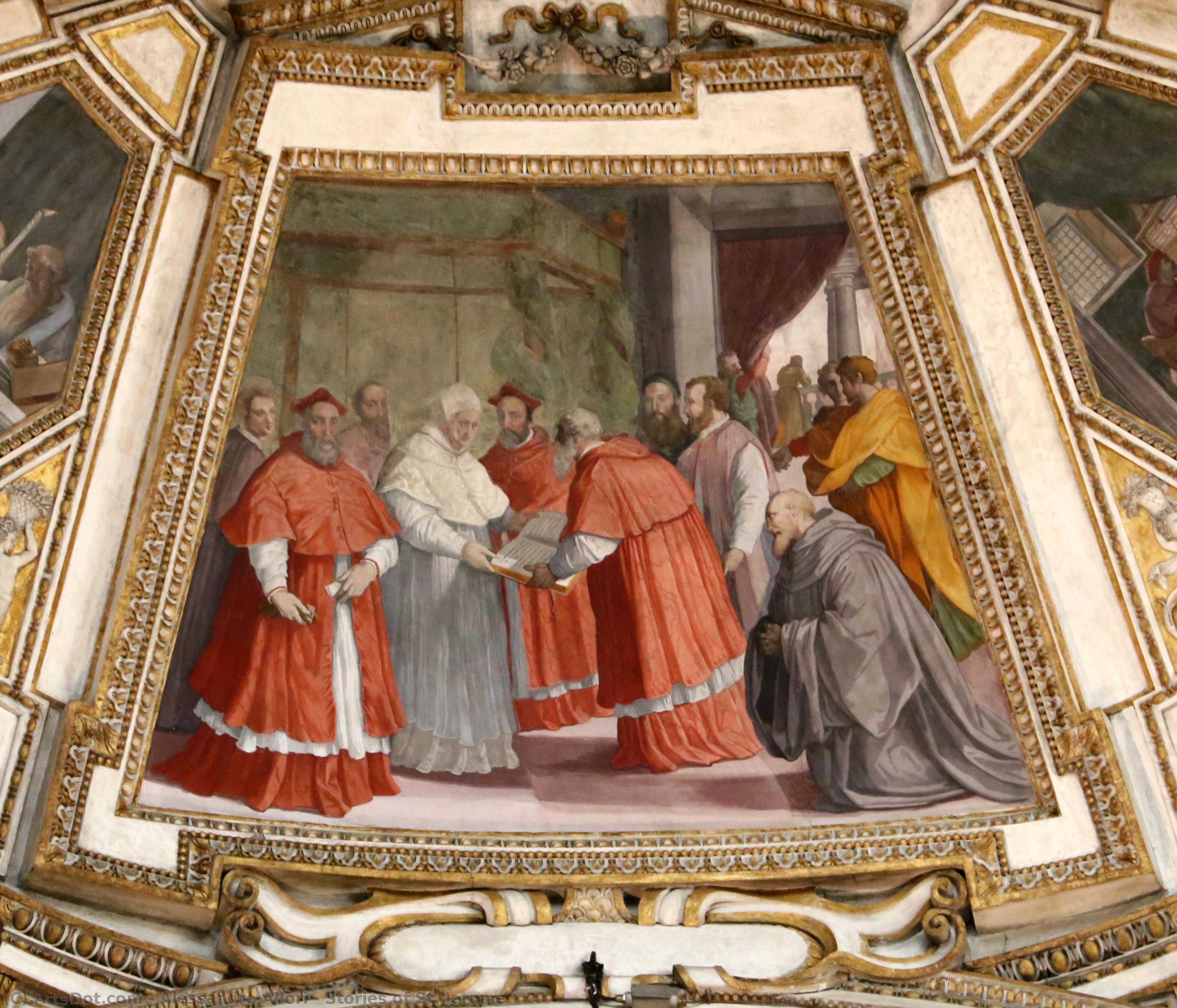
Alessandro Allori's "Stories of St. Jerome," painted in 1577, is more than just a fresco; it’s a meticulously crafted window into the heart of Renaissance Rome and the complex dynamics of papal power. Commissioned likely for a prominent location within a religious institution – though its exact whereabouts remain elusive – this monumental work offers a captivating glimpse into the intellectual and political landscape of the late 16th century. The painting depicts a scene brimming with scholarly activity, centered around a gathering of cardinals and monks engaged in a formal exchange of documents, all set against an intricately designed architectural backdrop.
The style is firmly rooted in the Mannerist tradition, yet subtly anticipates the burgeoning Baroque aesthetic. Allori’s signature approach—characterized by polished surfaces, elongated figures, and a deliberate sense of theatricality—is evident throughout. However, unlike some of his contemporaries who leaned heavily on Bronzino's cool elegance, Allori imbues his work with a vibrant energy and a heightened sense of drama. The figures are rendered with remarkable realism, their drapery cascading in luxurious folds, while the architectural elements – arches, columns, and vaulted ceilings – possess an almost sculptural quality. The use of perspective is masterful, creating a convincing illusion of depth within the confined space, though it’s characteristic of fresco painting—a flattened effect achieved through careful modeling and shading.
Decoding the Narrative: Figures and Their Significance
At the heart of the composition stands a group of cardinals, their faces conveying an air of solemn deliberation. They are surrounded by monks, engrossed in the meticulous process of examining and signing documents – likely decrees or pronouncements issued from the papal court. The inclusion of other men observing from a distance suggests a broader audience, emphasizing the gravity and importance of the proceedings. The central figure, often interpreted as St. Jerome himself (though not explicitly depicted), is subtly integrated into the scene, perhaps representing the patron saint of scholars and translators – a fitting subject for such an intellectual gathering.
Beyond the immediate depiction of a formal meeting, “Stories of St. Jerome” speaks to the broader themes of papal authority, scholarship, and the dissemination of knowledge. The act of signing documents symbolizes the power of the papacy to shape religious doctrine and influence the course of history. The monks represent the dedication to learning and the preservation of ancient texts – vital roles within the Catholic Church at the time. The overall effect is one of controlled power balanced by intellectual pursuit, a delicate equilibrium that defined much of Renaissance Rome.
Technique and Materials: A Masterclass in Fresco Painting
As a fresco, “Stories of St. Jerome” was executed directly onto wet plaster, allowing the pigments to bind permanently within the material. This technique demanded meticulous planning and execution, as any errors would be irreversible. Allori’s skill is particularly evident in his masterful use of color – dominated by rich reds, creams, and browns—to create a sense of depth and atmosphere. The application of pigment is remarkably smooth, reflecting the artist's careful attention to detail and his mastery of *buon fresco* (good fresco) technique.
The illusionistic space created through perspective is achieved not just through linear techniques but also through carefully rendered architectural details – the arches, columns, and ceiling coffers—that mimic the real world. The use of *trompe-l'oeil*, or “fooling the eye,” adds to the painting’s immersive quality, drawing the viewer into the scene and blurring the boundaries between reality and representation. The subtle variations in texture, achieved through layering pigments and manipulating the plaster surface, further enhance the illusionistic effect.
Emotional Resonance: A Portrait of Power and Reflection
Despite its formal subject matter, “Stories of St. Jerome” possesses a profound emotional resonance. The solemn expressions on the faces of the cardinals convey a sense of weighty responsibility, while the attentive gaze of the monks suggests a deep engagement with their work. The overall atmosphere is one of quiet contemplation and intellectual rigor – a testament to the importance of learning and scholarship within the context of papal authority.
More than just a historical record, this fresco invites viewers to reflect on the nature of power, knowledge, and faith. It’s a powerful reminder of the complex interplay between religious institutions, political forces, and intellectual pursuits that shaped Renaissance Europe. Today, reproductions of “Stories of St. Jerome” continue to captivate audiences with their masterful technique, evocative imagery, and enduring relevance.
関連作品
アーティストの略歴
フィレンツェの遺産:アレッサンドロ・アッローリの生涯と芸術
1535年5月31日にフィレンツェで生まれたアレッサンドロ・アッローリは、後期マニエリスム派を代表する重要な画家として知られています。彼の芸術的旅路は、幼少期の不幸な境遇から始まりました。両親を早くに亡くした彼は、フィレンツェで最も著名な画家のひとりであったアンニョロ・ブロンズィーノのもとで、思わぬ養父であり師となる人物を見出します。この引き取りは単なる家族関係を超えたものであり、洗練された技法、知的な厳密さ、そしてアッローリ自身のスタイルを形作る独特の美的原則の世界への没頭でした。ブロンズィーノは彼に技術的な熟達だけでなく、磨き上げられた表面、細長いフォルム、そして人物の冷たくて彫刻のような質感を好む特別な感性を植え付けました。この影響力はアッローリの芸術的アイデンティティの基盤となりましたが、そのキャリアを通じて模倣的であると批判されることも少なくありませんでした。彼は基礎的な訓練に加えて、解剖学の研究にも熱心に取り組み、サンタ・マリア・ヌオーヴァ病院で実際に解剖を行うほどでした。これは様式化された表現を支える人体への理解に対する彼の献身を示しています。マニエリスムの反響と芸術的発展
アッローリの作品は深くマニエリスムの伝統に根ざしており、人工性、優雅さ、そして自然主義的な表現よりも様式的な洗練を重視する芸術運動です。しかし彼は革命家ではありませんでした。むしろ既存の形式の熟練した解釈者であり発展者でした。批評家たちはしばしば、ミケランジェロやラファエロのような巨匠の作品から多大な影響を受け、ブロンズィーノの美学を通してそれらを洗練し再解釈する傾向を指摘していました。これは必ずしも批判されるべき点ではありません。それはアッローリがフィレンツェの芸術的知識伝達における重要な役割を果たしたことを示しています。彼の絵画は不気味なほど滑らかで、人物はまるで大理石のような質感を持っており、二次元的で彫像的な外観を呈しています。この効果は単なる技術の問題ではなく、自然よりも芸術を高め、理想化された美と知的な複雑さを創造しようとするマニエリスムの願望を反映した意図的な美的選択でした。彼はサンティ・ディ・ティトとともにフィレンツェで最も重要な工房を率い、クリストフォロ・デル・アルティシモ、チェーザレ・ダンディーニ、アウレリオ・ロミ、そして彼の息子であるクリストファーノ・アッローリなど、多くの著名な芸術家たちを弟子として育てました。これにより、この芸術的血統の継続が保証されました。主要作品とパトロネージ
アッローリのキャリアは、メディチ家をはじめとするフィレンツェの名門一族の庇護の下で花開きました。彼は彼らのためにいくつかの重要な装飾プロジェクトに大きく貢献し、その中でも特にパッツォ・ヴェッキオ宮殿のフランチェスコ1世の書斎への作品が挙げられます。この壮大な部屋の一部である『真珠採り』は、優雅な人物と複雑なディテールで満たされた複雑な寓意的なシーンを創造する彼の能力を示しています。彼はまた、ポッジョ・ア・カイヤノのヴィラにおけるアンドレア・デル・サルトやフランチャビージョのような初期の巨匠によって開始されたフレスコ画を拡張し、フィレンツェの芸術的遺産に関与する技術的なスキルと意欲を示しました。これらの壮大な依頼に加えて、アッローリは多くの肖像画、宗教画、祭壇画を制作し、構成力、色彩感覚、そして形式の習熟度を示しました。注目すべき例としては、ウフィツィ美術館に収蔵されている『人間の生活の寓意』が挙げられ、彼の時代に蔓延していたルネサンス人文主義の理想を体現しています。彼の『聖ヒエロニモスの物語』のフレスコ画はさらに、叙事的な絵画と幻想的な空間における彼のスキルを示しています。遺産と歴史的意義
アレッサンドロ・アッローリは1607年9月22日にフィレンツェで亡くなり、今日でも芸術史家を魅了し続ける作品群を残しました。同時代のより革新的な芸術家たちに比べて影が薄いこともありますが、彼の重要性は後期マニエリスム運動における重要な人物としての役割と、芸術的伝統の伝達者としての役割にあります。彼はミケランジェロやレオナルド・ダ・ヴィンチのような革新者ではありませんでしたが、既存のスタイルを洗練し発展させた非常に熟練した職人であり、それらの存続を次世代のために保証しました。エレオノーラ・デ・メディチの肖像画である可能性のある絵画が数十年間失われた後、ベルリンの絵画館に戻ってきたという物語は、彼の遺産に興味深い層を追加しています。彼の影響力は、特に彼の息子クリストファーノ・アッローリを通じて多くの弟子たちに及びました。アッローリの絵画は、フィレンツェのマニエリスムの優雅さと知的な複雑さに対する貴重な証拠であり、芸術が単なる表現ではなく、理想化された美と洗練された表現の追求の世界への一瞥を提供しています。彼はルネサンス様式からバロック時代への移行を理解する上で重要な人物です。今日のアッローリの世界を探求する
- 美術館コレクション: ウフィツィ美術館、ベルリンの絵画館、そして世界中のさまざまな美術館でアレッサンドロ・アッローリの傑作を発見してください。
- 注目すべき作品: 『人間の生活の寓意』、『聖ヒエロニモスの物語』、フランチェスコ1世の書斎への貢献など、象徴的な絵画を探求してください。
- さらなる研究: Wikipedia、ゲッティ美術館のアーカイブ、そしてフィレンツェのマニエリスムに関する学術論文などのリソースを通じて、アッローリの生涯と芸術をさらに深く掘り下げてください。
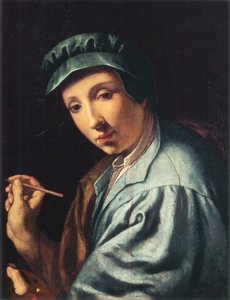
アレッサンドロ・アッローリ
1535 - 1607 , イタリア
基本情報
- Artistic Movement Or Style: マニエリスム様式
- Artists Or Movements Influenced By This Artist: ['クリストフォロ・アッローリ']
- Artists Who Influenced This Artist: ['アニョーロ・ブロンズィノ']
- Date Of Birth: 1535年5月31日
- Date Of Death: 1607年9月22日
- Full Name: アレッサンドロ・アッローリ
- Nationality: イタリア人
- Notable Artworks (List Of Titles):
- 人間の寓意
- 聖ヒエロニムスの物語
- Place Of Birth (City And Country): フィレンツェ、イタリア
関連記事

家族の遺産を壁画で彩る:伝統技法が紡ぐ、時を超越する美と記憶
古代から現代までの壁画の歴史と技法を解説。日本の壁画文化やカスタムオーダーによる家族の遺産表現、保存・修復技術まで網羅。専門家が時を超越する美と記憶を紡ぐ芸術的価値をご案内します。

The Enduring Legacy of Fresco Painting: Techniques, History & Contemporary Relevance
Explore the rich history & enduring artistry of fresco painting – from Giotto to Michelangelo! Discover techniques, conservation efforts, & modern applications. Learn how ArtsDot brings this timeless art form to your home.

The Enduring Legacy of Fresco: Technique, History & Artistic Expression Across Cultures
Explore the rich history & enduring legacy of fresco painting! Discover ancient techniques, Giotto's masterpieces, and modern applications. Expert insights for art lovers & professionals.
The Enduring Legacy of Fresco: Technique, History & Artistic Expression
Explore the rich history & enduring artistry of fresco painting. Discover techniques from Giotto to Michelangelo, conservation efforts, & modern applications. Learn how ArtsDot brings this timeless art form to your home.
Art That Lives With You: The Emotional Power of a Custom Interior Fresco
Discover the emotional power & timeless beauty of custom interior frescoes. Explore history, design tips & expert guidance from – creating lasting legacies.