

 プレビュー
プレビュー
 プリントを購入
 シェアする
シェアする シェアする
シェアする
 詳細を見る
詳細を見る

 ダウンロード
 似ている作品
 X線調査
X線調査 スライドショー
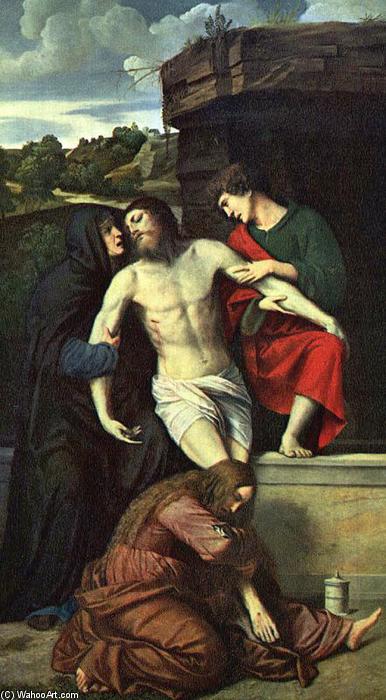
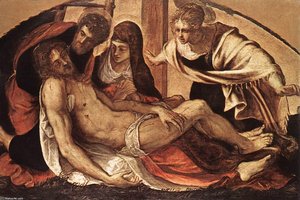
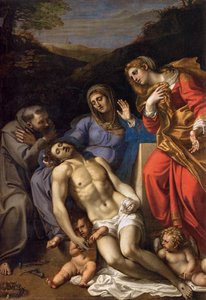
Pietà
 Oil On Panel
- Renaissance
 1520
1520 176.0 x 99.0 cm
 ナショナル・ギャラリー・オブ・アート
 詳細を見る
詳細を見る




P118B $10

P118H $10

P118W $10

P438Z $10

P508JH $12

P508YH $12

P805H $10

P805Z $10

P919BZ $10

P919G $10

P919XJ $10

P959ZH $10

P968JZ $12

W106C $8

W218G $10

W218JH $8

W218Y $10

W307PJ $10

W316G $10

W316PJ $8

W316Y $10

W398PJ $8

W4111J $10

W500HY $15

W500JH $15

W692G $12

W849H $8

W940BG $15

W953PJ $8




作品のオリジナル比率に合わせた、当店の規定サイズからお選びください。

特定のフレームやスペースに合わせて、ご希望のサイズをご入力いただけます。選択されたサイズが元の画像の比率と異なる場合、アートワークをトリミングするか、手描きで要素を追加して絵画を拡張いたします。デジタルモックアップ を制作し、制作開始前にご確認(承認)をいただきます。
画面上のプレビューは、実際のトリミングや拡張を正確に反映しているものではありません。最終的な構図は、モックアップによってのみ正確にご確認いただけます。
カスタムサイズもご利用いただけますが、元の比率を維持するためには、あらかじめ用意されたリストからサイズを選択することをお勧めいたします。
ご注文後、ArtsDot.com チームより詳細な指示をお送りするとともに、仕上がりイメージ(モックアップ)をご提供いたします。


 ガラスオプションは、110cm未満のサイズでのみご利用いただけます。

Pietà
複製技法
複製画のサイズ
-


合計金額
$ 263
The Pietà: A Silent Echo of Sorrow
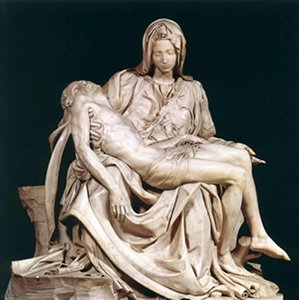
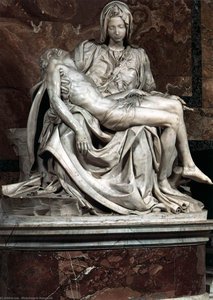
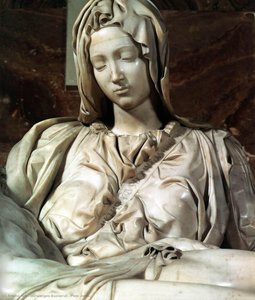
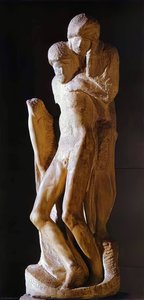
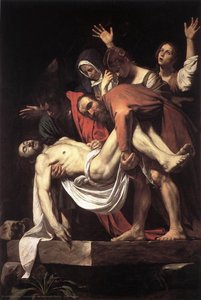
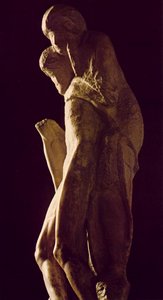
Michelangelo’s Pietà, residing within the heart of Saint Peter's Basilica in Vatican City, is not merely a sculpture; it’s an experience—a profound meditation on grief, loss, and the enduring power of maternal love. Completed around 1498-1499 during the nascent stages of the High Renaissance, this marble masterpiece transcends its material form to become a timeless symbol of human suffering and divine compassion. The sculpture captures a pivotal moment in Christian theology: the Virgin Mary cradling the lifeless body of Jesus Christ after his crucifixion, an image that has resonated deeply across centuries and cultures.
The sheer scale of the work is immediately arresting – measuring 177 cm (5 ft 9+1⁄2 in) high and 73.6 cm (28+3⁄4 in) wide. Michelangelo’s masterful manipulation of marble creates an astonishingly lifelike quality, imbuing the figures with a palpable sense of weight and vulnerability. The smooth, polished surfaces contrast dramatically with the rough texture of the stone, highlighting the delicate beauty of Mary's face against the stark reality of her son’s demise. The composition itself is carefully orchestrated – a pyramidal structure that draws the eye upwards to Mary’s serene countenance, anchoring the scene in stability amidst profound sorrow.
A Departure from Tradition: Youthful Beauty and Emotional Depth
What distinguishes Michelangelo's Pietà from earlier depictions of the subject is its radical departure from established artistic conventions. Unlike many preceding Pietà sculptures, which typically portrayed Mary as an older woman burdened by grief, Michelangelo presents her as remarkably youthful – almost ethereal in her beauty and composure. This deliberate choice was not arbitrary; it reflects a deeper theological interpretation rooted in Dante Alighieri’s Divine Comedy, where the Virgin is described as “the source of all beauty.” Michelangelo sought to capture the essence of Mary's purity and divine grace, suggesting an unbroken connection between her and God.
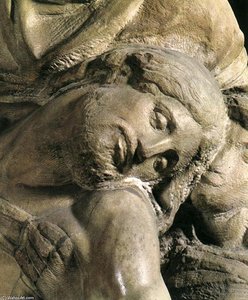
Furthermore, Michelangelo eschews overt displays of anguish or dramatic gestures. Instead, Mary’s expression is one of quiet contemplation—a profound sadness tempered by acceptance and a deep-seated love for her son. Her hands are gently cradling his body, conveying both tenderness and the weight of responsibility. The positioning of Christ's limp form, draped in flowing robes, further emphasizes his vulnerability and the finality of death. The subtle details – the delicate folds of the drapery, the realistic rendering of the wounds on Christ’s body – contribute to an overwhelming sense of realism and emotional intensity.
Symbolism and Spiritual Resonance
Beyond its technical brilliance, the Pietà is rich in symbolic meaning. The image speaks powerfully to themes of sacrifice, redemption, and the enduring bond between mother and son. The act of holding Christ’s body represents Mary's acceptance of her role as the Mother of God and her unwavering faith in his resurrection. The coins held by Mary’s left hand are often interpreted as a symbol of mourning—a gesture of offering and remembrance.
The sculpture’s placement within Saint Peter’s Basilica, one of the holiest sites in Christendom, further amplifies its spiritual significance. It serves as a constant reminder of Christ's sacrifice and Mary’s unwavering devotion, inviting viewers to contemplate their own faith and mortality. The Pietà is not simply a representation of a biblical scene; it’s an invitation to engage with profound questions about life, death, and the nature of love.
A Legacy of Beauty and Inspiration
Michelangelo's Pietà remains one of the most celebrated sculptures in Western art history. Its enduring appeal lies not only in its technical mastery but also in its ability to evoke a powerful emotional response. The sculpture’s influence can be seen in countless works of art throughout the centuries, and it continues to inspire artists, designers, and viewers alike. Whether viewed in person or through reproductions, the Pietà offers a timeless testament to the beauty of human compassion and the enduring power of faith.
アーティストの略歴
ヴェネツィア・ルネサンスの静謐なる調べ
世界的にモレット・ダ・ブレシアの名で知られるアレッサンドロ・ボンヴィチーノは、16世紀イタリアの芸術的景観において極めて重要な役割を果たした画家です。1498年頃、ロンバルディア州ロヴァートに生まれた彼は、芸術的な革新が激しく吹き荒れた時代の中に現れました。ティツィアーノやラファエロといった巨匠たちの遺産を継いぎながらも、驚くべき静寂と光り輝く色彩感覚を特徴とする、彼独自の独創的な様式を築き上げたのです。劇的な物語や華美な装飾に没頭した多くの同時代人とは異なり、モレットの作品群は「瞑想的な美」を最優先しています。それは、ルネサンス期のヨーロッパに浸透していたヒューマニズム(人文主義)の理想を鮮やかに反映したものでした。彼の名は自身の出生地への敬意を表しており、彼の静かで深遠な卓越した技法を支えた舞台となったブレシアの豊かな文化的遺産と、今もなお永遠に結びついています。
彼の形成期はブレシアの芸術的伝統に深く根ざしていました。高名な画家ジョヴァンニ・バッティスタ・ブルストロの指導の下で技を磨いた彼は、古典的な形態と調和のとれた構図に対する深い造詣をその身に刻み込みました。才能が開花するにつれ、モレットの作品は独自の融合を見せ始めます。ラファエロの優雅さやヴェネツィア派特有の空気感豊かな色彩を取り入れつつも、ティントレットのような演劇的な衝動にはあえて抗ったのです。その代わりに彼が追求したのは、抑制された美学でした。柔らかな拡散光に包まれた背景の中に、控えめながらも気品漂う姿で描かれた人物像は、細部への緻密なこだわりと見事なグレージング(透明層を重ねる技法)によって、天上的な質感さえも纏っています。そのキャンバスは、物理的な実在感と精神的な超越性を同時に感じさせるのです。
光の習熟と信仰の深淵
モレットの天才性が最も顕著に現れるのは、おそらく宗教画の制作においてでしょう。彼は祭壇画というジャンルを比類なき優雅さで極め、聖なる物語を静かな内省の瞬間へと変容させました。これらの作品において、聖書の場面は驚くべき繊細さで描かれ、過度な感情表現や劇的な演出に頼ることなく、深い精神的な真理を伝えています。被写体を包み込むようなスフマート(ぼかし技法)を生み出す光の操り方は、聖人や殉教者たちに生命を吹き込むような、柔らかく自然な輝きをもたらします。この光り輝く質感は単なる技術的な成果にとどまらず、地上の領域に存在する神聖な存在を象徴しているのです。
宗教的な献身のみならず、モレットは肖像画家としても高く評価されました。彼の肖像画は心理的な深みと、被写体の個性を驚くほどの明晰さで捉える、ある種の威厳ある静止感によって知られています。高位の聖職者であれ地元の貴族であれ、彼は描かれた人物に永続性と品格を吹き込みました。彼の技術的アプローチには、以下のような特徴が見て取れます。
- 光り輝く色彩パレット:コントラストよりも調和を重視した、洗練された色彩の使用。
- 空気遠近法:光と影の繊細な操作による、奥行きの創出。
- 古典的な構図:ルネサンス・ヒューマニズムに由来する、均衡のとれた安定した構造への依拠。
遺産と歴史的意義
ルネサンスがより動的でエネルギッシュなマニエリスム様式へと移行していく中で、モレット・ダ・ブレシアは静謐さの忠実な守護者であり続けました。彼の歴史的な重要性は、変化し続ける芸術界において、古典的な均衡を維持し続けた点にあります。彼はヴェロネーゼの壮大さやティントレットのダイナミズムに対し、平和と精神的な明晰さという視点を提供することで、不可欠な対照軸となりました。この独自の立ち位置によって、彼は後世のロンバルディア派の画家たちに影響を与え、ブレシア派の静かな威厳を後世へと受け継ぐことになったのです。
今日、モレットの作品は、その技術的な輝きだけでなく、鑑賞者に与える「感情の聖域」として愛されています。彼の絵画は、芸術が人間体験と神聖なものとの隔たりを埋めるために用いられた、深い知的・精神的な探求の時代へと通じる窓なのです。アレッサンドロ・ボンヴィチーノは、その不朽の遺産を通じて、芸術における真の力とは、決して最も大きな身振りの中にあるのではなく、最も静かに語られる真実の中に宿るものであるということを、今も私たちに伝え続けています。
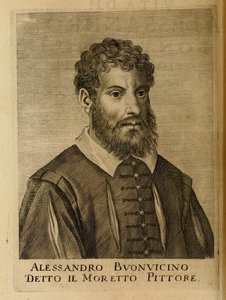
モレット・ダ・ブレシア
1498 - 1554 , イタリア
基本情報
- Artistic Movement Or Style: ルネサンス美術
- Artists Who Influenced This Artist:
- ティツィアーノ
- ラファエロ
- Date Of Birth: 1498年頃
- Date Of Death: 1554年12月
- Full Name: アレッサンドロ・ボンヴィチーノ
- Nationality: イタリア
- Notable Artworks:
- 男人の肖像
- 荒野のキリスト
- 風景を背景とした女性の肖像 1
- Place Of Birth: イタリア、ロヴァート
関連記事
ミケランジェロ傑作25選:美術史を彩る巨匠の魂と革新 - ArtsDot
ミケランジェロの傑作25選。ルネサンスを代表する芸術家の魂が宿る絵画、彫刻の世界へ。ダビデ像やピエタなど、美術史に残る名作の物語と技法を紐解きます。ArtsDotで高品質な複製画とインテリアアートを見つけましょう。

Bronze Sculptures That Defined Art History | ArtsDot
Journey through art history with our Top 10 bronze sculptures! Explore masterpieces by Rodin, Michelangelo & more. Discover stories behind iconic statues and find museum-quality reproductions for your home decor at ArtsDot.com.
The Enduring Allure of Marble in Art History: From Classical Sculpture to Modern Abstraction
Explore the captivating history of marble sculpture from ancient Greece to modern art. Discover renowned artists like Canova & Michelangelo, carving techniques, and investment insights at ArtsDot.

Bronze Age to Modern Masters: 10 Sculptures That Redefined Art | ArtsDot
Journey through art history with 10 legendary bronze sculptures – from Michelangelo's David to Rodin’s Thinker. Explore the stories, techniques & timeless beauty of these masterpieces. Find museum-quality reproductions & elevate your home decor on ArtsDot.com.

The Enduring Form: Sculpture Across History, Technique & Emotional Resonance
Explore the rich history of sculpture with ArtsDot. Discover key techniques, influential artists & investment potential for discerning collectors. Expert insights into valuing and collecting timeless masterpieces.

