

 プレビュー
プレビュー
 プリントを購入
 シェアする
シェアする シェアする
シェアする
 詳細を見る
詳細を見る

 ダウンロード
 似ている作品
 X線調査
X線調査 スライドショー
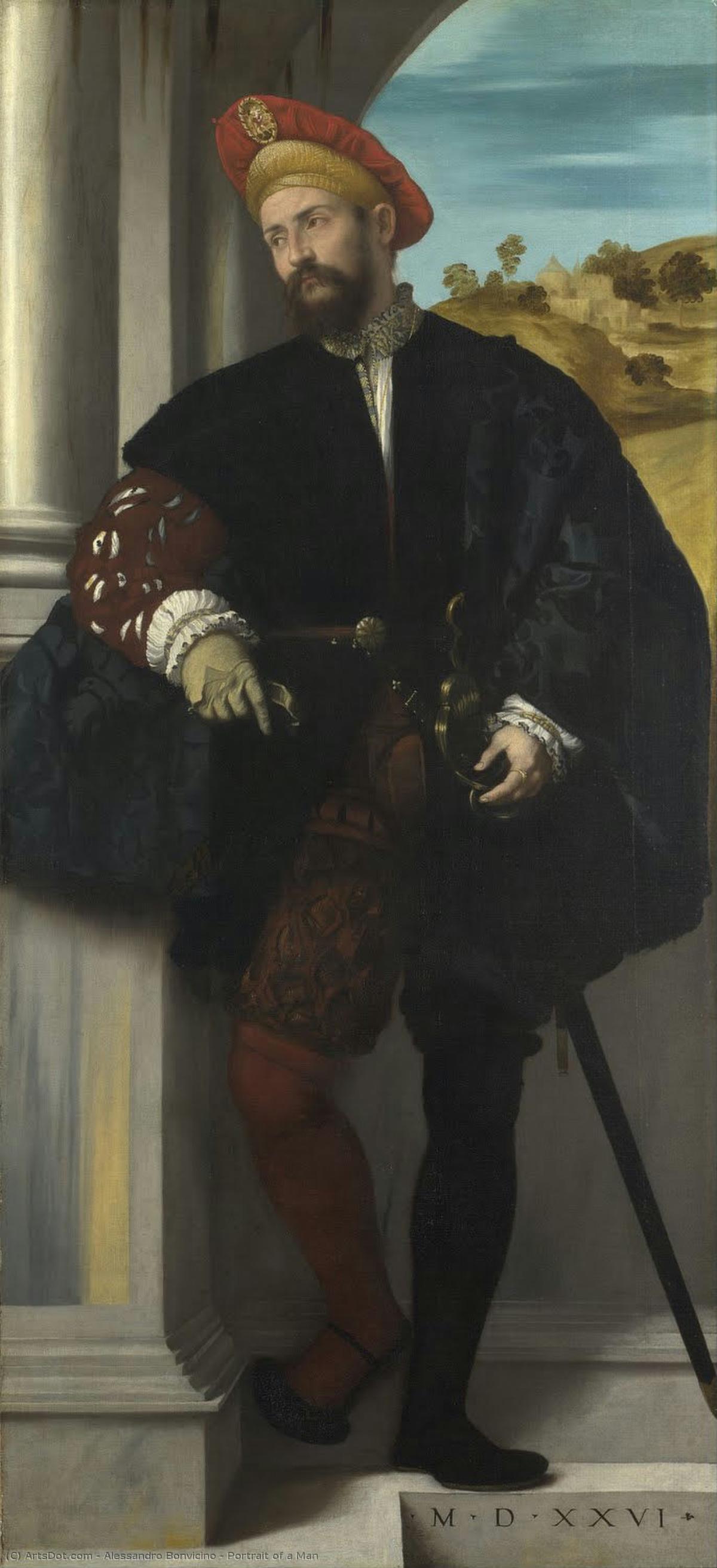
Portrait of a Man
 Oil On Canvas
- WallArt
- Early Renaissance
 1526
1526 201.0 x 92.0 cm
 ナショナル・ギャラリー
 詳細を見る
詳細を見る




P118B $10

P118H $10

P118W $10

P438Z $10

P508JH $12

P508YH $12

P805H $10

P805Z $10

P919BZ $10

P919G $10

P919XJ $10

P959ZH $10

P968JZ $12

W106C $8

W218G $10

W218JH $8

W218Y $10

W307PJ $10

W316G $10

W316PJ $8

W316Y $10

W398PJ $8

W4111J $10

W500HY $15

W500JH $15

W692G $12

W849H $8

W940BG $15

W953PJ $8




作品のオリジナル比率に合わせた、当店の規定サイズからお選びください。

特定のフレームやスペースに合わせて、ご希望のサイズをご入力いただけます。選択されたサイズが元の画像の比率と異なる場合、アートワークをトリミングするか、手描きで要素を追加して絵画を拡張いたします。デジタルモックアップ を制作し、制作開始前にご確認(承認)をいただきます。
画面上のプレビューは、実際のトリミングや拡張を正確に反映しているものではありません。最終的な構図は、モックアップによってのみ正確にご確認いただけます。
カスタムサイズもご利用いただけますが、元の比率を維持するためには、あらかじめ用意されたリストからサイズを選択することをお勧めいたします。
ご注文後、ArtsDot.com チームより詳細な指示をお送りするとともに、仕上がりイメージ(モックアップ)をご提供いたします。


 ガラスオプションは、110cm未満のサイズでのみご利用いただけます。

Portrait of a Man
複製技法
複製画のサイズ
-


合計金額
$ 263
作品解説
A Window into Renaissance Venice: Alessandro Bonvicino’s “Portrait of a Man”
Alessandro Bonvicino, more intimately known as Moretto da Brescia, possessed a rare gift – the ability to capture not just likeness but also an elusive sense of mood and atmosphere within his paintings. His “Portrait of a Man,” created in 1526, offers a compelling glimpse into the burgeoning artistic landscape of Venice during the High Renaissance, a period marked by both opulent patronage and a subtle shift towards greater psychological depth. This remarkable work, once part of the esteemed Avogadro Collection in Brescia, is more than simply a depiction of an individual; it’s a carefully constructed tableau that speaks volumes about status, contemplation, and the burgeoning humanist ideals of the era.
The painting immediately draws the eye to its subject – a gentleman presented with a dignified composure. He stands before what appears to be a pillar or wall, suggesting a moment of quiet reflection. His attire is indicative of his social standing: a richly colored suit, likely crimson trousers and a blue shirt, speaks to wealth and influence. A prominent Saint Christopher badge adorning his chest further reinforces this image of nobility and piety – a common symbol during the period, representing protection on one’s journey through life. The sword casually resting at his side hints at both power and vigilance, a subtle reminder of the responsibilities associated with his position.
The Venetian Influence: Giorgione and Titian's Legacy
“Portrait of a Man” is deeply rooted in the artistic traditions of Venice, particularly those pioneered by Giorgione and the young Titian. These masters were instrumental in developing a distinctive style characterized by atmospheric perspective, muted color palettes, and an emphasis on capturing fleeting moments of beauty and emotion. Moretto’s work echoes these influences through its hazy background, which creates a sense of distance and mystery. The lighting is soft and diffused, contributing to the painting's overall mood of contemplative serenity. The composition itself—a single figure dominating the frame—is reminiscent of Giorgione’s portraits, prioritizing psychological insight over strict realism.
Notably, the portrait dates back to 1526, a pivotal year in Venetian art history. The city was experiencing a period of immense artistic innovation, fueled by wealthy patrons eager to commission works that reflected their status and refined tastes. This era witnessed the rise of artists like Titian, who pushed the boundaries of painting technique and explored new ways of representing human emotion. Moretto’s work represents a crucial link in this chain of artistic development, demonstrating the continued influence of Venetian masters while also establishing his own unique voice.
Technique and Materials: A Masterful Blend
Painted in oil on canvas, “Portrait of a Man” showcases Moretto's meticulous attention to detail and masterful control of color. The artist skillfully employs sfumato—a technique popularized by Leonardo da Vinci—to create subtle gradations of tone and shadow, lending the figure an ethereal quality. The brushwork is smooth and refined, suggesting a deliberate effort to achieve a sense of polished elegance. The use of layered glazes builds up rich colors and textures, adding depth and luminosity to the painting’s surface. The canvas itself, likely stretched over a wooden panel, provides a stable foundation for this intricate work.
A Portrait of Contemplation: Emotional Resonance
Beyond its formal elements, “Portrait of a Man” possesses a profound emotional resonance. The sitter's distant gaze—a hallmark of Venetian portraiture— invites the viewer to contemplate his thoughts and feelings. There’s an air of quiet introspection about him, as if he is lost in thought or perhaps burdened by some unspoken concern. This subtle ambiguity elevates the portrait beyond a mere likeness, transforming it into a poignant meditation on human experience. It's a reminder that even within the confines of a formal portrait, an artist can capture something far more profound – the essence of a soul.
Currently residing at the National Gallery in London, “Portrait of a Man” stands as a testament to Moretto da Brescia’s artistic skill and his enduring contribution to the rich tapestry of Renaissance art. Reproductions offer an accessible way to appreciate this captivating work, bringing its serene beauty and subtle complexities into any setting.
関連作品
関連記事

レオナルド・ダ・ヴィンチ:至高の25選 - 芸術、科学、そして不朽の名作の世界
レオナルド・ダ・ヴィンチの至宝25選。モナリザ、最後の晩餐…ルネサンス美術を代表する名画の世界へ。芸術史、技法、そして感動の物語を紐解き、お部屋に飾る高級複製画で特別な空間を。ArtsDot.comで全コレクションをご覧ください。
Leonardo da Vinci: A Renaissance Master’s Synthesis of Art, Science & Human Observation – Reinterpreted for the Collector
Explore Leonardo da Vinci’s timeless masterpieces with ArtsDot. Discover insights into his art, science, and legacy – trusted expertise for discerning collectors seeking authentic reproductions & investment opportunities.
Renaissance Humanism's Greatest Art: 10 Masterpieces for Your Home
Explore 10 Renaissance Humanism masterpieces by Leonardo da Vinci, Michelangelo & Raphael. Discover the stories behind these iconic paintings & sculptures and bring timeless art into your home with museum-quality reproductions from ArtsDot.com. Explore the full collection online!
Antonello da Messina: Innovation, Devotion & the Sicilian Renaissance Master's Enduring Legacy
Explore the groundbreaking art of Antonello da Messina, a pivotal figure of the Renaissance. Discover his innovative oil painting techniques, captivating portraits, and lasting influence on Italian masters. Learn more at ArtsDot.
Civic Virtue and Artistic Rivalry: Patronage and Innovation in the Italian Renaissance Republics, 1400–1600
Explore the Italian Renaissance! Discover how competitive patronage & humanist ideals fueled artistic innovation in republics like Florence & Venice. Expert insights for art lovers and collectors.

