

 プレビュー
プレビュー
 シェアする
シェアする シェアする
シェアする
 詳細を見る
詳細を見る

 ダウンロード
 似ている作品
 X線調査
X線調査 スライドショー
 統計情報
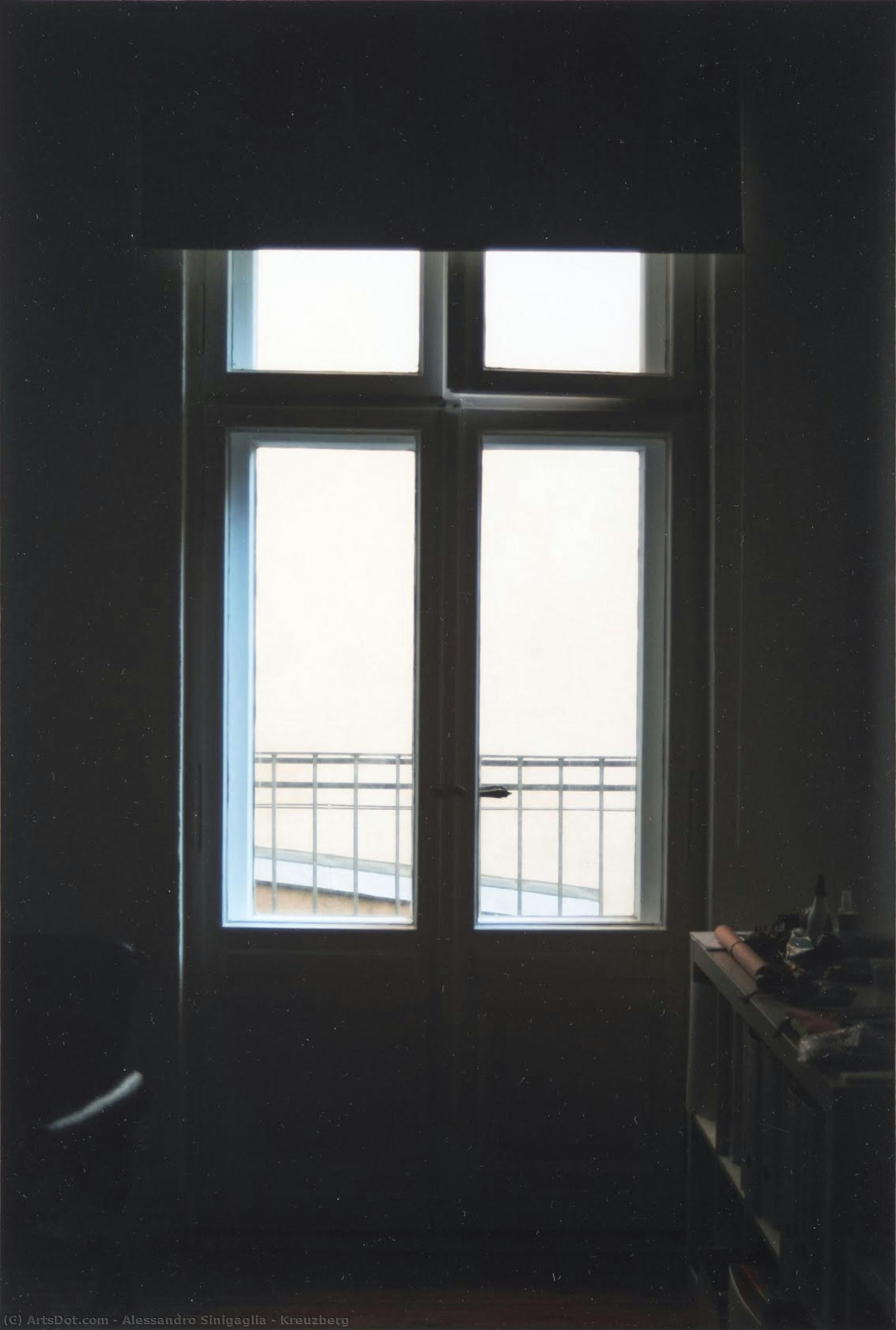
統計情報Kreuzberg
 40.0 x 51.0 cm
 Ministero degli Affari Esteri e della Cooperazione Internazionale. Collezione Farnesina
 詳細を見る
詳細を見る
手描き油彩複製画
当社のアーティストが、お客様のご希望のサイズと額縁に合わせて、キャンバスに手描きで制作する油彩画です。 ( プリント版に切り替え デジタル画像販売へ切り替え)




































作品のオリジナル比率に合わせた、当店の規定サイズからお選びください。

特定のフレームやスペースに合わせて、ご希望のサイズをご入力いただけます。選択されたサイズが元の画像の比率と異なる場合、アートワークをトリミングするか、手描きで要素を追加して絵画を拡張いたします。デジタルモックアップ を制作し、制作開始前にご確認(承認)をいただきます。
画面上のプレビューは、実際のトリミングや拡張を正確に反映しているものではありません。最終的な構図は、モックアップによってのみ正確にご確認いただけます。
カスタムサイズもご利用いただけますが、元の比率を維持するためには、あらかじめ用意されたリストからサイズを選択することをお勧めいたします。
ご注文後、ArtsDot.com チームより詳細な指示をお送りするとともに、仕上がりイメージ(モックアップ)をご提供いたします。


 ガラスオプションは、110cm未満のサイズでのみご利用いただけます。

Kreuzberg
複製技法
複製画のサイズ
-


合計金額
$ 263
関連作品





アーティストの略歴
A Life Forged in Resistance: Alessandro Sinigaglia and the Fight for Freedom
Alessandro Sinigaglia, a name resonating with courage and conviction, was more than just an Italian partisan; he embodied the complex intersection of identity, ideology, and unwavering dedication to liberation. Born in Fiesole, Italy, in 1902, his life story is one dramatically shaped by the tumultuous currents of the 20th century. His parentage itself speaks volumes – David Sinigaglia, a Jewish man from Mantua, and Cynthia White, an African American woman who arrived in Italy as a maid at Villa la Fonte. This unique heritage would profoundly influence his worldview and ultimately fuel his commitment to fighting against all forms of oppression. Early life saw him trained as a mechanic, a skill that would prove invaluable throughout his journey, but also a period marked by early political awakening within the clandestine Communist Party. Facing persecution in Italy during the Fascist regime, Sinigaglia embarked on a path of exile, seeking refuge first in France and then in the Soviet Union where he honed his skills at a party school while continuing to work as a mechanic. Further travels led him to Switzerland, organizing Italian communist exiles before joining the Republican forces during the Spanish Civil War – a crucible that solidified his anti-fascist beliefs.From Exile to Action: The Partisan Leader
The defeat in Spain forced Sinigaglia back into exile, eventually leading to arrest and confinement by Italian authorities in Ventotene in 1941. However, the fall of Mussolini in August 1943 presented a pivotal opportunity. Released from imprisonment, he returned to Florence with a burning resolve. It was here that his true leadership emerged. Sinigaglia didn’t simply join the resistance; he *built* it. He spearheaded the formation of one of the first Gruppi di Azione Patriottica (GAP) – patriotic action groups – in Florence, becoming a central figure in the burgeoning anti-fascist movement. These GAP formations were crucial for disrupting enemy operations and challenging the occupying forces directly. His mechanical expertise was vital in equipping and maintaining the resistance’s limited resources, while his organizational skills fostered unity and effectiveness within the ranks. He operated under the battle name Vittorio, a testament to his unwavering spirit and commitment to victory.A Symbol of Defiance: The Legacy of “Vittorio Sinigaglia”
Sinigaglia's life was tragically cut short on February 13, 1944, ambushed by Major Mario Carità’s Special Services Unit in Via Pandolfini, Florence. His death, however, did not extinguish his flame but rather ignited it further. A plaque commemorating his sacrifice stands at the site of his final stand, a poignant reminder of his bravery and dedication. He is honored among the fallen partisans of Florence and enshrined within the Shrine of the Florentine Partisans in Rifredi – physical testaments to his enduring legacy. In June 1944, the 22nd bis Garibaldi Brigade was dedicated to him, bearing his name as a symbol of resistance and hope. This act cemented “Vittorio Sinigaglia” not just as an individual hero but as a rallying cry for those continuing the fight against fascism.Recognition and Remembrance: The Silver Medal and Beyond
The Italian state posthumously awarded Alessandro Sinigaglia the Silver Medal of Military Valor, acknowledging his significant contributions to the resistance movement. This honor, while belated, served as official recognition of his courage and selflessness. Beyond formal accolades, however, lies a deeper significance – Sinigaglia’s story challenges conventional narratives of heroism. As an Italian partisan of African American descent, he represents a marginalized voice within a historical context often dominated by singular perspectives. His life underscores the international nature of the anti-fascist struggle and the diverse individuals who risked everything for freedom. Mauro Valeri's biography, *Negro Ebreo Comunista*, provides an in-depth exploration of his twenty years dedicated to fighting fascism, while other accounts detail the bravery of the Garibaldi Brigade named in his honor.Historical Significance: A Multi-Faceted Hero
Alessandro Sinigaglia’s importance extends far beyond his role as a partisan leader. He embodies the complexities of identity and resistance in the face of oppression. His mixed heritage – Jewish father, African American mother – shaped his understanding of injustice and fueled his unwavering commitment to equality.- International Solidarity: His journey from Italy to France, the Soviet Union, Spain, and back again highlights the transnational nature of anti-fascist movements.
- Technical Expertise: As a mechanic, he provided crucial skills for equipping and sustaining the resistance, demonstrating that heroism takes many forms.
- Organizational Prowess: He didn’t just fight; he built networks, fostered unity, and inspired others to action.
- Challenging Narratives: His story broadens our understanding of the Italian Resistance, recognizing the contributions of marginalized communities.
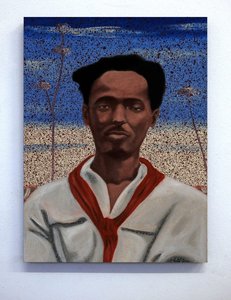
alessandro sinigaglia
1902 - 1944 , Italy
基本情報
- Artistic Movement Or Style: Partisan leader
- Date Of Birth: January 2, 1902
- Date Of Death: February 13, 1944
- Full Name: Alessandro Sinigaglia
- Nationality: Italian
- Place Of Birth: Fiesole, Italy