

 プレビュー
プレビュー
 プリントを購入
 シェアする
シェアする シェアする
シェアする
 詳細を見る
詳細を見る

 ダウンロード
 似ている作品
 X線調査
X線調査 スライドショー
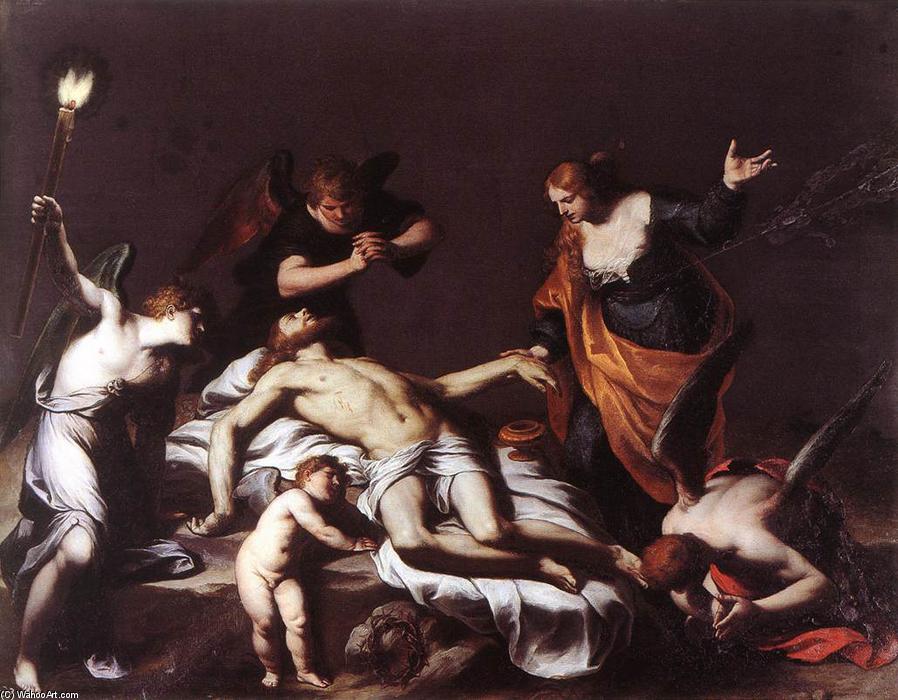
The Lamentation over the Dead Christ
 Oil
Oil- WallArt
- Roman Baroque
 1617
1617 42.0 x 53.0 cm
 ボ르게ーゼ美術館
 詳細を見る
詳細を見る




P118B $10

P118H $10

P118W $10

P438Z $10

P508JH $12

P508YH $12

P805H $10

P805Z $10

P919BZ $10

P919G $10

P919XJ $10

P959ZH $10

P968JZ $12

W106C $8

W218G $10

W218JH $8

W218Y $10

W307PJ $10

W316G $10

W316PJ $8

W316Y $10

W398PJ $8

W4111J $10

W500HY $15

W500JH $15

W692G $12

W849H $8

W940BG $15

W953PJ $8




作品のオリジナル比率に合わせた、当店の規定サイズからお選びください。

特定のフレームやスペースに合わせて、ご希望のサイズをご入力いただけます。選択されたサイズが元の画像の比率と異なる場合、アートワークをトリミングするか、手描きで要素を追加して絵画を拡張いたします。デジタルモックアップ を制作し、制作開始前にご確認(承認)をいただきます。
画面上のプレビューは、実際のトリミングや拡張を正確に反映しているものではありません。最終的な構図は、モックアップによってのみ正確にご確認いただけます。
カスタムサイズもご利用いただけますが、元の比率を維持するためには、あらかじめ用意されたリストからサイズを選択することをお勧めいたします。
ご注文後、ArtsDot.com チームより詳細な指示をお送りするとともに、仕上がりイメージ(モックアップ)をご提供いたします。


 ガラスオプションは、110cm未満のサイズでのみご利用いただけます。

The Lamentation over the Dead Christ
複製技法
複製画のサイズ
-


合計金額
$ 263
作品解説
Alessandro Turchi: Bridging Mannerism and Baroque Splendor
The Lamentation over the Dead Christ by Alessandro Turchi stands as a poignant testament to Verona’s artistic heritage during the turbulent years of the early Roman Baroque. Born in 1578, Turchi emerged from the shadow of Felice Riccio, honing his skills under Riccio's tutelage and absorbing the stylistic nuances of Veronese Mannerism – characterized by elongated figures, flattened perspectives, and a deliberate ambiguity that challenged conventional realism. Yet, unlike many of his contemporaries, Turchi swiftly embraced Rome’s burgeoning artistic dynamism, recognizing its transformative influence on European art. This decisive move propelled him towards innovation and cemented his reputation as “L’Orbetto,” the little urchin, earning admiration for his youthful energy and unwavering dedication to mastering technique.- Subject Matter: The painting depicts a profoundly emotive scene – the mourning of Christ's body by angels and Mary Magdalene after his crucifixion. This iconography draws heavily from Christian tradition, conveying themes of grief, compassion, and divine sorrow.
- Style: Turchi’s Lamentation embodies the Baroque aesthetic, prioritizing dramatic composition and emotional intensity over meticulous detail. The artist skillfully employs chiaroscuro – the interplay of light and shadow – to heighten visual impact and guide the viewer's gaze towards the central figures.
- Technique: Executed in oil on slate, Turchi utilized a layering technique that allowed for nuanced tonal gradations and subtle textural variations. This meticulous approach contributes to the painting’s palpable sense of realism despite its stylized representation.
Historical Context: Verona Under Papal Influence
Verona during Turchi's formative years experienced a surge in artistic patronage fueled by papal influence emanating from Rome. The Accademia Filarmonica commissioned him to create organ shutters, showcasing his ability to synthesize Mannerist elegance with Baroque grandeur – a hallmark of the period’s artistic landscape. This commission underscored Verona’s commitment to fostering creativity and elevating its cultural standing amidst the broader European artistic conversation.- Symbolism: The angels surrounding Christ symbolize divine compassion and guardianship, while Mary Magdalene embodies maternal sorrow and penitence. The cup placed centrally represents the Eucharist – a cornerstone of Christian faith—emphasizing the spiritual significance of the scene.
- Emotional Impact: Turchi’s Lamentation transcends mere visual representation; it evokes profound emotional responses in viewers. The artist's masterful manipulation of light and color amplifies the sorrowful atmosphere, prompting contemplation on mortality and divine mercy.
A Legacy of Artistic Innovation
Alessandro Turchi’s contribution to Veronese Baroque extends beyond a single masterpiece; it represents a pivotal moment in artistic history—a bridge between stylistic traditions that shaped the visual culture of his time. His unwavering pursuit of excellence and his embrace of Rome's transformative spirit solidified his place as one of Verona’s most celebrated artists, leaving an indelible mark on the annals of art history. The painting continues to inspire admiration for its expressive power and technical virtuosity—a testament to Turchi’s enduring legacy as “L’Orbetto,” the little urchin who illuminated Verona's artistic horizon.Further Exploration
For a deeper understanding of Alessandro Turchi’s oeuvre, consult resources such as:関連作品

アーティストの略歴
ローマ・バロックにおけるヴェローナの巨匠:アレッサンドロ・トゥルキの生涯と芸術
「リ・オルベット(小さな悪ガキ)」という愛称で親しまれたアレッサンドロ・トゥルキは、ヴェローナの後期マニエリスムの伝統と、胎動しつつあった初期ローマ・バロックのドラマチックな表現を繋ぐ、極めて重要な役割を果たした人物です。1578年、芸術への情熱に満ちたヴェローナに生を受けたトゥルキの歩みは、地方特有の様式と、ローマという芸術的革新の磁力との間に見られる、魅惑的な相互作用を反映しています。ヴェローナの名高い画家フェリーチェ・リッチョ(イル・ブルサソルチ)のもとで行われた初期の修行は、技法と構図における強固な基礎を彼に授けました。この師弟関係を通じて、形に対する緻密なアプローチと、後の初期作品を特徴づけることになる色彩への鋭い感性が養われたのです。1603年までには、トゥルキは独立した画家としての地位を確立し、その現れ始めた才能は瞬く間に認められるようになりました。ヴェローナ音楽院(Accademia Filarmonica)のためのオルガン・シャッターの制作(1606-1609年)という重要な初期の依頼は、彼の技術的な熟練度だけでなく、大規模な装飾プロジェクトをこなす多才さをも証明するものとなりました。この時期の経験がヴェローナの芸術界における彼の地位を確固たるものにし、より広い芸術的地平へと彼を導く準備となったのです。ヴェローナからローマへ:開花するキャリア
1605年のフェリーチェ・リッチョの死は、大きな転換点となりました。トゥルキはパスクアーレ・オッティーノと共に、師が遺した未完成のキャンバスを完成させるべく立ち上がりました。この試みは、彼の技術をさらに磨き上げ、芸術コミュニティにおける名声を不動のものにしました。この共同作業は単に既存の作品を仕上げるだけのものではありませんでした。それは、リッチョの様式的なニュアンスを吸収しながら、同時に自分自身の独自の声を育むための、極めて重要な学習と洗練の期間だったのです。彼の野心はやがてヴェローナの外へと向かいました。1616年までに、彼は芸術的革新の震源地であるローマへと進出し、教皇庁のパトロン制度と芸術的競争が渦巻く活気ある雰囲気の中に身を投じました。クイリナーレ宮殿のサッラ・レッジア(王の間)におけるフレスコ画装飾――「マナの収集」を描いたもの――への参画は、彼がローマの舞台に登場したことを告げる出来事でした。この依頼を通じて彼は当時の第一級の画家たちと交流し、新興のバロック様式を定義づけるドラマチックな強烈さに触れることとなったのです。この時期の特に顕著な成果は、卓越した審美眼と才能への支援で知られる有力なパトロン、枢機卿スカルピオーネ・ボルゲーゼから依頼された『キリスト、マグダラのマリア、そして天使たち』でした。様式の融合:カラヴァッジョ主義と優雅さ
トゥルキの芸術様式は極めて独特であり、柔らかさと劇的な強烈さが魅力的に融合しています。カルロ・カリアーリや、何よりも初期の師であるフェリーチェ・リッチョの作品から深い影響を受けながらも、彼は単に彼らの様式を模倣することはありませんでした。むしろ、同時代の画家たちとは一線を画す独自の道を切り拓いたのです。カラヴァッジョの影響は否定できないものであり、トゥルキは「キアロスクーロ(明暗法)」――光と影の劇的な活用――を見事に操り、絵画の中に演劇的な感覚と感情的な深みを生み出しました。しかし、カラヴァッジョによる、より峻厳で写実的な描写とは異なり、トゥルキはその強烈さを叙情的な優雅さと洗練された色彩感覚によって和らげました。彼の描く人物像は彫刻的な質感を持っていますが、同時にドラマチックな衝撃を和らげるような、穏やかな人間味に満たされています。ドラマと繊細さという、一見相反する力を見事に均衡させる能力こそが、彼の芸術的署名(シグネチャー)なのです。彼は歴史的な場面において、背景に黒大理石を用いることがしばしばあり、それによって生まれる鮮烈なコントラストが、構図の感情的な力をさらに高めていました。遺産と評価:ローマ芸術界のプリンス
その生涯を通じて、アレッサンドロ・トゥルキは単なる優れた画家であるだけでなく、献身的な指導者でもありました。彼はジョヴァンニ・チェスキーニやジョヴァンニ・バッティスタ・ロッシ(イル・ゴビーノ)といった前途有望な若き芸術家たちに、自らの知識と専門技術を惜しみなく共有しました。彼らもまた、後にヴェローナで成功を収めることになります。彼の職業的な地位は上昇し続け、1637年にはサン・ルカ・アカデミーの「プリンキペ(総長)」に選出されました。これは、ローマの芸術界における彼の指導力と芸術的権威の証でした。その一年後の1638年には、名高い教皇派芸術家ギルド(パンテオンのヴィルトゥオーゾ教皇立美術文芸アカデミー)に加わり、ローマのエリート芸術家としての地位をさらに強固なものにしました。初期バロック絵画に対するトゥルキの貢献は、劇的な強烈さと穏やかな審美的感性の巧みな融合として、今日高く評価されています。彼の心を揺さぶる宗教画や歴史画は、今なお観る者を魅了し続け、17世紀イタリアの芸術的熱狂を垣間見せてくれます。彼は自らの絵画だけでなく、彼がインスピレーションを与えた芸術家たちを通じても遺産を残し、その独自のビジョンが後世へと受け継がれることを確かなものにしたのです。彼の作品は、芸術的な統合の力と、ドラマによって洗練された美の不朽の魅力を物語る証として、今もなお輝き続けています。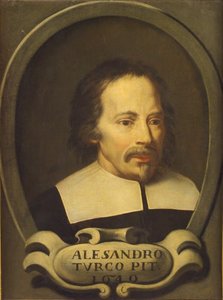
アレッサンドロ・トゥルキ
1578 - 1649 , イタリア
基本情報
- Artistic Movement Or Style: 初期バロック
- Artists Or Movements Influenced By This Artist:
- ジョヴァンニ・チェスキーニ
- ジョヴァンニ・B・ロッシ
- Artists Who Influenced This Artist:
- フェリーチェ・リッチョ
- カルロ・カリアーリ
- Date Of Birth: 1578年
- Date Of Death: 1649年
- Full Name: アレッサンドロ・トゥルキ
- Nationality: イタリア
- Notable Artworks:
- 聖母被昇天の祭壇画
- キリスト、マグダラのマリア、そして天使たち
- パリスの審判
- ケファロスとプロクリス
- Place Of Birth: イタリア、ヴェローナ
関連記事

The Dramatic Flourish: Exploring the Baroque Movement's Enduring Legacy in Art History
Explore the dramatic world of Baroque art! Discover iconic artists like Caravaggio & Rubens, defining techniques, and its lasting impact on art history. Expert insights for collectors & enthusiasts at ArtsDot.

バロックのドラマ:現代のインテリアに壮麗さと情感を取り込む
バロック様式の歴史、絵画、家具の魅力をご紹介。ArtsDotでは、高品質な油絵複製やカスタムポートレートをご提供し、現代のインテリアに壮麗さと情感を取り入れます。アートコンサルテーションも承ります。

The Visceral Stage: Exploring Dramatic Narratives & Emotional Intensity in Baroque Art
Explore the dramatic world of Baroque art! Discover iconic masters like Caravaggio & Rembrandt, their techniques, and the movement's lasting impact. Expert insights for collectors & enthusiasts at ArtsDot.

バロック美術を極めた至宝:時代を彩る10大名作の世界
バロック美術の華!カラヴァッジョ、ベルニーニら巨匠が創り上げた10大名作を徹底解剖。ドラマチックな色彩と豪華絢爛の世界観に触れ、至宝のアートプリントで空間を彩ろう。ArtsDot.comで美術館品質の複製と洗練されたインテリアを見つけましょう!

The Enduring Power of Painting: A Historical & Contemporary Exploration of Form and Emotion
Explore the rich history & enduring techniques of oil painting with ArtsDot. Discover masterpieces, learn about art collecting, and find authentic handmade reproductions crafted by skilled artists.

