

 プレビュー
プレビュー
 シェアする
シェアする シェアする
シェアする
 詳細を見る
詳細を見る

 ダウンロード
 似ている作品
 X線調査
X線調査 スライドショー
 Stats
StatsBarometrical clock
 Painting
 1765
1765- Early Modern
 43.0 x 45.0 cm
 ロイヤル・コレクション
 詳細を見る
詳細を見る
オンラインプレビューをはるかに凌ぐ、高解像度で鮮明なデジタル画像をご購入いただけます。
各ファイルは、社内の専門家が高度なツールと熟練した手作業によるレタッチを用いて、細心の注意を払って準備されています。すべての画像において、卓越した鮮明度、正確な色彩再現性、そして繊細なディテールを保証いたします。
最終ファイルは、プロフェッショナルな編集・印刷環境ですぐにご利用いただけるよう最適化された状態で、72時間以内にメールにてお届けいたします。これは、一流のデザインスタジオ、出版社、ギャラリーから信頼されているものと同等の品質です。
デジタルアート
個人での鑑賞、印刷、クリエイティブなプロジェクト用に、高解像度ファイルをダウンロードできます。 ( Switch to Print 手描きの絵画を購入)
デジタル画像のご注文に付随する特典
高品質なデジタル画像配信を、確かな品質で。
ArtsDot.com を選ぶことは、単に画像を手に入れることではありません。それは、プロの手によって精密に仕上げられ、満足保証が付いた高品質なデジタルアートワークを受け取ることを意味します。ご注文いただいた際に自動的に付随する内容は、以下の通りです:

メールですぐにお届け
ご注文から72時間以内に、高解像度のデジタル画像ファイルがメールでお手元に届きます。すぐにそのままご利用いただけます。

AI技術で最適化されたデジタルファイル
お客様の作品は、高度なAIツールと専門家による手作業の編集を組み合わせてプロフェッショナルに最適化されており、細部のディテール、鮮明さ、そして正確な色再現性を最大限に引き出しています。

一生涯無料の再送サービス
ファイルを誤って削除したり、紛失してしまったりしましたか?ご安心ください。いつでも無料で再送いたします。

輸入手数料は一切かかりません
関税や手数料、配送料を気にすることなく、お気に入りのアートワークをすぐにお楽しみいただけます。デジタルダウンロードは常に免税です。

色彩再現の保証
プロ仕様のツールとカラーマネジメント技術を用いることで、デジタル画像が元の色を最大限に忠実に再現することを保証いたします。

100日間満足保証
ご購入いただいたデジタル画像にご満足いただけない場合は、100日以内であれば、理由を問わず修正または100%の返金対応をさせていただきます。

100% 返金保証
ご満足いただけない場合は、デジタルファイルを受け取ってから100日以内であれば、理由を問わず全額返金いたします。

まとめ買い割引
3枚購入で10%OFF - 5枚購入で15%OFF - 10枚以上購入で20%OFF。クリエイティブなプロジェクト、ギャラリー、エージェンシーに最適です。
A Masterpiece of Precision and Opulence
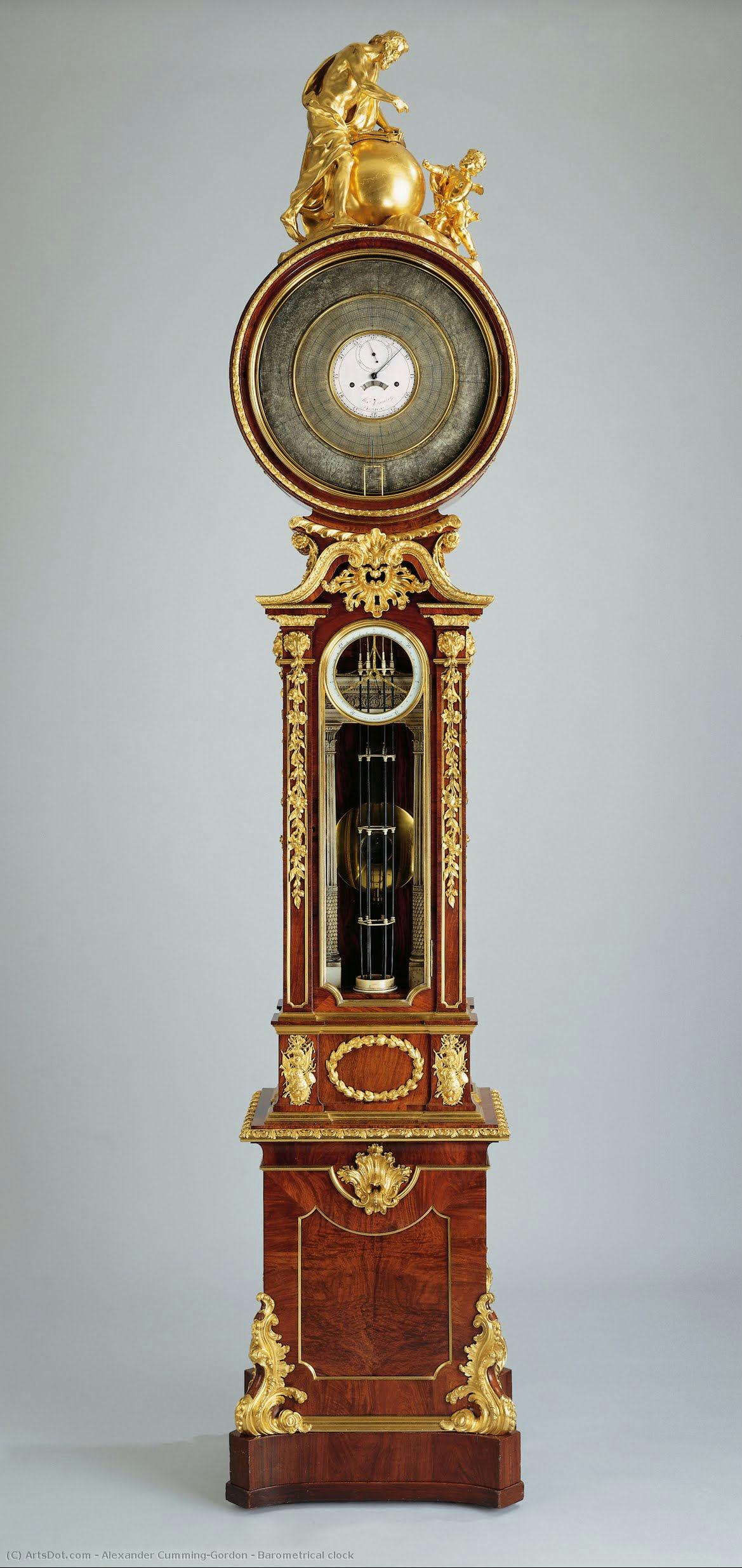
In the delicate intersection of scientific rigor and decorative splendor lies the Barometrical Clock, an extraordinary creation from 1765 by the Scottish virtuoso Alexander Cumming-Gordon. This is not merely a timepiece; it is a profound dialogue between the mechanical ingenuity of the Enlightenment and the luxurious aesthetic of the Georgian era. At first glance, the viewer is captivated by the exquisite rosewood and padouk case, which serves as a majestic stage for a complex symphony of horological instruments. The interior, adorned with ivory fittings, radiates a soft, luminous elegance that contrasts beautifully with the rich, dark tones of the precious woods. Every inch of this piece speaks to an era when scientific discovery was celebrated through the medium of fine art, making it a breathtaking centerpiece for any collection dedicated to the history of human innovation.
The artistry of the Barometrical Clock extends far beyond its functional capabilities, manifesting in a sculptural grandeur that commands attention. The dial is surmounted by meticulously chased gilt bronze ornaments, featuring a poignant depiction of an elderly man—representing Father Time—clutching a book, accompanied by a playful putto. This classical imagery invites a deeper contemplation of mortality and the relentless passage of time. Flanking the barometer, pilasters are decorated with floral swags suspended from lion masks, while military trophies rest below, lending a sense of strength and historical weight to the composition. The interplay of light upon the gold trim and the intricate textures of the wood creates a visual depth that is both intellectually stimulating and aesthetically soothing, offering a timeless allure for discerning interior designers.
The Legacy of an Inventor's Vision
To understand the soul of this work, one must look to the hands of its creator, Alexander Cumming-Gordon. A man of profound mathematical intellect and a member of the Royal Society of Edinburgh, Cumming-Gordon brought a unique scientific precision to the craft of watchmaking. His ability to integrate a month-going regulator clock with a driven barograph demonstrates a level of mechanical complexity that was truly ahead of its time. This piece reflects the spirit of an age defined by empirical investigation and the pursuit of knowledge. For the collector, owning a reproduction of such a work is an opportunity to possess a fragment of the Enlightenment—a period where the boundaries between the laboratory and the salon were beautifully blurred.
Integrating a high-quality reproduction of this barometrical clock into a contemporary or classical interior provides more than just decoration; it introduces a narrative of sophistication. Whether placed in a study filled with leather-bound books or as a focal point in a grand hall, the piece evokes an atmosphere of intellectual curiosity and refined taste. The rhythmic precision of its design and the richness of its materials offer a sense of permanence and stability in an ever-changing world. It remains a testament to the era when even the most functional instruments were treated as masterpieces of fine art, designed to inspire awe and wonder in all who behold them.
関連作品
作家の略歴
Early Life and Influences
Alexander Cumming-Gordon (1733–1806) emerged from Edinburgh’s intellectual landscape, a son of James Cumming of Rosehill and Penrose, Cornwall. His upbringing instilled in him a fascination with mathematics and mechanics—skills that would prove crucial to his groundbreaking contributions as a watchmaker and instrument inventor. Membership in the Royal Society of Edinburgh served as an emblem of his scholarly pursuits and signaled his commitment to advancing knowledge through observation and experimentation. This early exposure to scientific inquiry undoubtedly shaped his worldview and fueled his inventive spirit, laying the foundation for his remarkable career. The influence of Enlightenment ideals—emphasizing reason and empirical investigation—permeated Scottish society during Cumming-Gordon’s formative years, fostering a climate receptive to innovation and challenging established conventions.Watchmaking and Instrument Innovation
Cumming-Gordon's mastery of horology quickly distinguished him as a craftsman of exceptional talent. He apprenticed himself to an Edinburgh watchmaker, honing his skills in precision engineering and mastering the intricacies of clockwork mechanisms. Beyond mere craftsmanship, he possessed a visionary understanding of how instruments could enhance human perception and facilitate scientific discovery. His designs for musical instruments—particularly barrel organs—were revolutionary for their time, incorporating innovative features that maximized sound quality and efficiency. These endeavors weren't simply about creating beautiful objects; they represented a concerted effort to improve upon existing technologies and push the boundaries of what was considered possible. He meticulously documented his observations and experiments, contributing valuable data to the burgeoning field of instrument science.The Flush Toilet Revolution
Cumming-Gordon’s most enduring legacy rests on his pioneering invention of the flush toilet—a device that fundamentally transformed sanitation practices in Scotland and beyond. While Sir John Harington had conceived of similar designs earlier, Cumming-Gordon successfully addressed the persistent problem of foul odors emanating from traditional cesspools by incorporating a crucial element: the S-trap. This ingenious mechanism prevented sewer gases from ascending into buildings, dramatically improving hygiene and public health. His patent application in 1775 marked a watershed moment in plumbing history—a testament to his analytical mind and unwavering determination to solve practical challenges with elegant engineering solutions. The impact of Cumming-Gordon’s innovation extended far beyond Scotland, influencing sanitation standards across Europe and shaping the urban environment for generations to come.Royal Patronage and Scientific Recognition
Cumming-Gordon's reputation as an inventor and scientist garnered considerable acclaim within Edinburgh’s intellectual circles. He was appointed a surveyor of roads by Archibald Campbell, 3rd Duke of Argyll, demonstrating his commitment to improving infrastructure and promoting public welfare. Furthermore, he secured the patronage of King George III, who commissioned him to construct a barometrical clock—a sophisticated instrument designed to predict weather patterns based on atmospheric pressure changes. This project showcased Cumming-Gordon’s technical prowess and cemented his position as a leading figure in British science. His election to the Royal Society of London for Improving Natural Knowledge underscored his scholarly achievements and affirmed his standing among Britain's most distinguished intellectuals—a recognition that symbolized the culmination of his lifelong pursuit of knowledge and innovation.Historical Significance
Alexander Cumming-Gordon’s contributions transcended mere technological advancement; he embodied the spirit of Enlightenment inquiry and championed practical solutions to societal ills. His invention of the flush toilet stands as a cornerstone of modern sanitation—a device that continues to safeguard public health and enhance urban living standards. Beyond this singular achievement, his work in mathematics, instrument science, and horology profoundly influenced subsequent generations of inventors and scientists. Cumming-Gordon’s legacy persists not only in the tangible innovations he produced but also in the enduring values of reason, observation, and ingenuity that characterized his era—values that continue to inspire creativity and progress today. His story serves as a reminder that transformative breakthroughs often emerge from meticulous craftsmanship combined with unwavering intellectual curiosity.
alexander cumming-gordon
1733 - 1814 , United Kingdom
プロフィール概要
- Artistic Movement Or Style: None specified
- Artists Or Movements Influenced By This Artist: ['Historic Scotland']
- Artists Who Influenced This Artist: ['John Harington']
- Date Of Birth: 1733
- Date Of Death: 1814
- Full Name: Alexander Cumming-Gordon
- Nationality: Scottish
- Notable Artworks: ['Flush Toilet']
- Place Of Birth: Edinburgh, United Kingdom