

 プレビュー
プレビュー
 シェアする
シェアする シェアする
シェアする
 詳細を見る
詳細を見る

 ダウンロード
 似ている作品
 X線調査
X線調査 スライドショー
 Stats
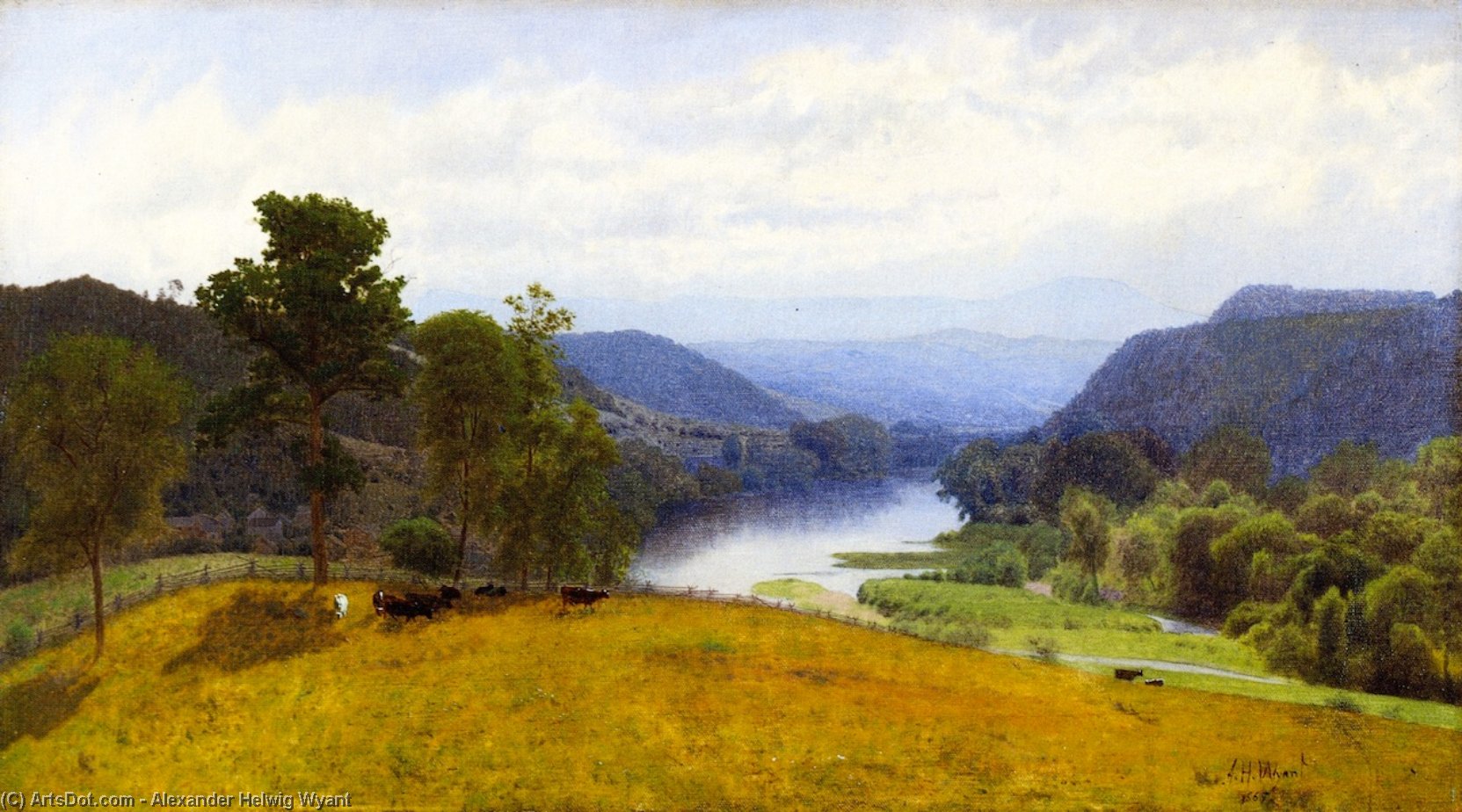
StatsSunset in the Hills


 詳細を見る
詳細を見る
手描き油彩複製画
当社のアーティストが、お客様のご希望のサイズと額縁に合わせて、キャンバスに手描きで制作する油彩画です。 ( Switch to Print Switch to Digital Image)




P118B $10

P118H $10

P118W $10

P438Z $10

P508JH $12

P508YH $12

P805H $10

P805Z $10

P919BZ $10

P919G $10

P919XJ $10

P959ZH $10

P968JZ $12

W106C $8

W218G $10

W218JH $8

W218Y $10

W307PJ $10

W316G $10

W316PJ $8

W316Y $10

W398PJ $8

W4111J $10

W500HY $15

W500JH $15

W692G $12

W849H $8

W940BG $15

W953PJ $8




作品のオリジナル比率に合わせた、当店の規定サイズからお選びください。

特定のフレームやスペースに合わせて、ご希望のサイズをご入力いただけます。選択されたサイズが元の画像の比率と異なる場合、アートワークをトリミングするか、手描きで要素を追加して絵画を拡張いたします。デジタルモックアップ を制作し、制作開始前にご確認(承認)をいただきます。
画面上のプレビューは、実際のトリミングや拡張を正確に反映しているものではありません。最終的な構図は、モックアップによってのみ正確にご確認いただけます。
カスタムサイズもご利用いただけますが、元の比率を維持するためには、あらかじめ用意されたリストからサイズを選択することをお勧めいたします。
ご注文後、ArtsDot.com チームより詳細な指示をお送りするとともに、仕上がりイメージ(モックアップ)をご提供いたします。


 ガラスオプションは、110cm未満のサイズでのみご利用いただけます。

Sunset in the Hills
複製技法
複製画のサイズ
-


合計金額
$ 263
A Poet’s Landscape: Alexander Helwig Wyant's “Sunset in the Hills”
Alexander Helwig Wyant wasn’t merely a painter of landscapes; he was, as many have described him, a poet translating the subtle moods of nature onto canvas. His work, particularly pieces like "Sunset in the Hills," offers a glimpse into an era where art sought to capture not just visual representation but also the very *feeling* of a place – a sentimentality deeply rooted in observation and introspection. This particular painting, completed in 1869, is a masterclass in tonalism, a style that prioritized atmospheric effects and subdued color palettes over sharp detail, creating an immersive experience for the viewer.
The scene unfolds within a gently rolling valley, bisected by a meandering river reflecting the fiery hues of the setting sun. Mountains rise in the distance, their forms softened by a hazy atmosphere – a deliberate choice by Wyant to evoke a sense of vastness and tranquility. Scattered throughout the foreground are a few grazing cows, adding a touch of rustic charm and grounding the scene with a familiar element of rural life. Yet, it’s not simply a depiction of a pastoral landscape; there's an underlying melancholy, a quiet contemplation that permeates the entire composition.
The Tonalist Approach: Light, Shadow, and Emotion
Wyant’s technique is characterized by its deliberate restraint. He eschewed the bright, vibrant colors favored by the Hudson River School, instead employing a carefully constructed layering of muted tones – predominantly browns, grays, and ochres – to build up the image. This “tonalism,” as it became known, wasn't about photographic accuracy; rather, it was an attempt to capture the *essence* of light and shadow, conveying mood and atmosphere with remarkable subtlety. Notice how the sunlight isn’t rendered in harsh beams but diffused through a veil of mist, casting long, soft shadows across the valley floor.
The brushstrokes themselves are loose and expressive, contributing to the painting's overall sense of movement and fluidity. Wyant wasn’t interested in meticulously detailing every blade of grass or ripple on the water; instead, he used broad strokes to suggest form and texture, allowing the viewer’s eye to fill in the gaps and actively participate in constructing the image. This technique invites a meditative response from the observer, encouraging them to linger and lose themselves within the painting's serene embrace.
A Biographical Context: Wyant’s Journey
Alexander Helwig Wyant’s artistic journey is as compelling as his paintings. Born in Port Washington, Ohio, he began sketching along the banks of the Ohio River, developing a keen eye for capturing the nuances of nature. A pivotal encounter with George Inness in 1857 profoundly influenced his style, leading him to relocate to New York City and seek formal training at the National Academy of Design. Later travels through Europe – particularly his time studying Corot and Dupré in Paris and Hans Gude in Germany – further broadened his artistic horizons, shaping his distinctive tonalist approach.
A significant turning point in Wyant’s life occurred after a stroke in 1873, which left him with paralysis on his right side. Remarkably, he adapted to this challenge by learning to paint with his left hand, demonstrating an extraordinary resilience and creative spirit. This experience undoubtedly deepened his introspective nature and informed the emotional depth of his later works. His move to Arkville, New York, in 1889, where he established a thriving artist’s colony, provided him with a supportive community and further fueled his artistic explorations.
Symbolism and Emotional Resonance
"Sunset in the Hills" is more than just a pretty landscape; it's imbued with a quiet sense of melancholy and reflection. The fading light symbolizes the passage of time and the inevitability of change, while the cows represent a connection to the land and a reminder of simpler times. The vastness of the valley evokes feelings of solitude and contemplation, inviting the viewer to step outside their own concerns and connect with the natural world.
Ultimately, Wyant’s "Sunset in the Hills" is a testament to his ability to capture not just the appearance of a landscape but also its emotional essence. It's a painting that speaks to our deepest longings for peace, tranquility, and connection – a timeless masterpiece that continues to resonate with viewers today.
関連作品

アーティストの略歴
大気の風景を描く詩人:アレクサンダー・ヘルウィグ・ワイアントの生涯と芸術
1836年、オハイオ州ポートワシントンに生まれたアレクサンダー・ヘルウィグ・ワイアントは、アメリカ美術史における極めて魅力的な転換期を象徴する存在です。彼は単なる風景の画家ではありませんでした。自然が織りなす繊細な情緒を、研ぎ澄まされた感性によってキャンバスへと翻訳する、いわば「風景とともに歩む詩人」だったのです。その旅路は、シンシナティ近郊のオハイオ川のほとりでスケッチをすることから始まる謙虚なものでしたが、重要な人物との出会いや変革的な経験を経て、情熱的な探求へと急速に開花していきました。決定的な瞬間は1857年に訪れます。ジョージ・イネスの作品に出会ったことで、彼の芸術的軌道は決定的に形作られることとなりました。この出会いを機に、彼はニューヨークへと拠点を移し、ニコラス・ロングワースの惜しみない支援を受けながら、ナショナル・アカデミ・オブ・デザインでの指導と正式な修行を求めました。その後、1860年のヨーロッパ渡航は彼の視野をさらに広げ、ドイツでの多様な芸術伝統に触れ、イギリスやアイルランドでの短い滞在を経て、ハドソン・リバー派の緻密な写実主義と、トナリズム(調性主義)の情緒的な繊細さを橋渡しするキャリアの礎を築いたのです。緻密な観察から、大気の共鳴へ
ワイアントの初期作品には、自然界の情景を細部まで克明に描き出し、アメリカの手つかずの荒野を讃えるハドソン・リバー派の影響が色濃く表れています。しかし、こうした初期の絵画の中にさえ、将来の方向性を予感させる兆しが見て取れます。それは、大気効果への関心の高まりと、より抑制された色彩への傾倒でした。時を経て、この傾向は強まり、単なる再現的な絵画から、当時台頭しつつあったトナリズムの美学へと彼を導いていきました。19世紀後半に隆盛を極めたこの運動は、正確な細部よりも、情緒、雰囲気、そして詩的な解釈を優先するものでした。ワイアントは次第に、白、灰色、土色を中心とした限定されたパレットに依存するようになり、これらの微妙な色調を用いて、光と影の儚い性質を捉えようと試みました。彼は雲を、単なる劇的な焦点としてではなく、風景の中に繊細な感情の共鳴を生み出すための媒体として巧みに操りました。この芸術的進化における決定的な出来事は、1873年に脳卒中によって右腕が麻痺してしまったことです。逆境に直面しながらも、ワイアントは驚くべきことに左手での描画を独学で習得しました。この試練は、皮肉にも大気効果や感情表現への集中をより深化させることとなりました。技術的な技巧への依存を削ぎ落とし、自らのビジョンを最も純粋な本質へと凝縮させることを彼に強いたのです。展覧会、結社、そして高まる評価
キャリアを通じて、ワイアントは自身の作品を披露する機会を積極的に求め、1864年から1892年の没年に至るまで、ナショナル・エカデミー・オブ・デザインで継続的に展覧会を行いました。また、ブルックリン芸術協会、ボストン・アート・クラブ、ペンシルベニア美術アカデミーといった著名な芸術団体が主催する展覧会にも参加し、コレクターや同時代の画家たちの間で着実に名声を築いていきました。メトロポリタン美術館に収蔵されている『モホーク・バレー』のような傑作は、緻むな観察眼と大気への感性が見事に調和した、彼の成熟した様式を象徴しています。そして、最晩年の作品である『アークビル秋の風景』は、風景画に対する彼の不変の情熱を伝える、切なくも美しい証となっています。展覧会の枠を超え、ワイアントは芸術コミュニティにも深く関わり、1878年のアメリカ・ウォーターカラー協会の設立において中心的な役割を果たし、アメリカ絵画の発展への献身をより強固なものにしました。また、センチュリー協会やナショナル・アカデミー・オブ・デザインといった権威ある組織との繋がりを維持し、確立された芸術界における自らの地位を示しました。伝統を繋ぐレガシー
アレクサンダー・ヘルウィグ・ワイアントの歴史的な意義は、多様な芸術的影響を統合し、ハドソン・リバー派の壮大さとトナリズムの内省的な情緒の間で、独自の道を切り拓いた点にあります。彼は単に過去の様式を模倣したのではなく、それらを能動的に変容させました。自然の純粋な再現から、より主観的で感情に響く解釈へと焦点を移したのです。彼の作品には、ヨーロッパのモデルの模倣を超え、独自の国家的芸術の声を確立しようとするアメリカ人画家たちの高まる志が反映されています。生前は広く称賛されたわけではありませんでしたが、近年の数十年間において、ワイアントの絵画はその詩的な質、繊細な美しさ、そして自然界に対する深い洞察力によって、ますます高い評価を得るようになりました。特にニューヨーク州アークビルで描かれた後期の作品には、フランスのバルビゾン派との明確な繋がりが見て取れます。彼らは「プレネール(戸外)」での制作を重視し、光と大気の移ろいゆく効果を捉えることに注力した画家集団です。風景画に対するワイアントの瞑想的なアプローチは、今なおアーティストにインスピレーションを与え、観る者を魅了し続けており、アメリカ美術史における極めて重要な人物としての地位を不動のものとしています。影響と芸術的親和性
- ジョージ・イネス:ワイアントの芸術的発展に深い影響を与えた主要な師であり、色調の価値や大気効果の重要性を説きました。
- ジョン・コンスタブル & J.M.W. ターナー:光、色彩、大気の革新的な使用によって、ワイアントの進化する様式のインスピレーション源となったイギリスの風景画家たちです。
- ハドソン・リバー派:ワイアントは当初この伝統に従い、緻密な観察と壮大な景観を吸収しましたが、最終的にはよりニュアンスに富んだトナリズムの美学へと向かいました。
- アメリカ・バルビゾン運動:彼の後期の作品はこの運動の原則に合致しており、戸外制作、自然光への注力、そしてアカデミックな慣習の拒絶を強調しています。
- センチュリー協会 & ナショナル・アカデミー・オブ・デザイン:これらの権威ある芸術組織への所属は、アメリカの芸術コミュニティにおける彼の地位を裏付けるとともに、展覧会や交流の機会をもたらしました。
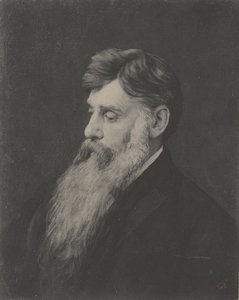
アレクサンダー・ヘルウィグ・ワイアント
1836 - 1892 , アメリカ合衆国
基本情報
- Artistic Movement Or Style: トナリズム、ハドソン・リバー派
- Artists Or Movements Influenced By This Artist:
- アメリカ水彩協会
- バルビゾン派
- Artists Who Influenced This Artist:
- ジョージ・イネス
- ジョン・コンスタブル
- J.M.W. ターナー
- Date Of Birth: 1836年1月11日
- Date Of Death: 1892年11月29日
- Full Name: アレクサンダー・ヘルウィグ・ワイアント
- Nationality: アメリカ
- Notable Artworks:
- モホーク・バレー
- アークビルの秋の風景
- ザ・フルーム
- 森の池
- Place Of Birth: アメリカ合衆国、ポート・ワシントン
関連記事

Evocations of Place: A Historical Journey Through Landscape Art
Explore the rich history of landscape art with ArtsDot. Discover renowned artists, movements like Impressionism & Romanticism, and expert guidance for collecting timeless pieces. Find your perfect serene escape today!
George Elbert Burr: A Pioneer of American Tonalism & Evocative Landscape Painting
Explore the captivating landscapes of George Elbert Burr, a pioneer of American Tonalism. Discover his masterful etchings, drypoints & watercolors – and learn about collecting this influential artist's work.
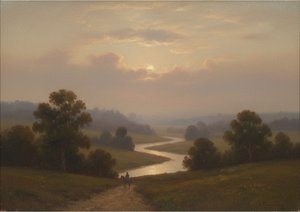
Atmospheric Visions: Exploring Tonalism in American Painting
Explore the captivating world of American Tonalism! Discover its history, key artists like Whistler & Inness, techniques, and lasting influence on art. Expert insights for collectors & enthusiasts.
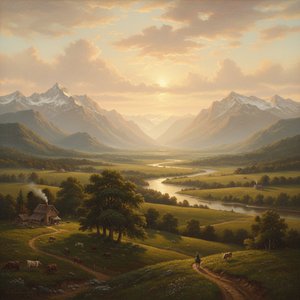
Thomas Hill: Luminosity, Landscape & the American Pastoral Ideal
Explore the luminous landscapes of Thomas Hill, a pivotal figure in the Hudson River School & Luminism movements. Discover his artistic journey, philosophical depth, and enduring legacy with ArtsDot.
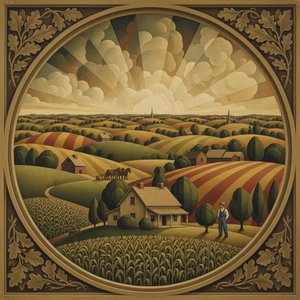
Grant Wood & American Regionalism: Identity, Myth & the Rural Landscape
Explore the world of Grant Wood & American Regionalism with ArtsDot. Discover the symbolism behind 'American Gothic', recurring themes, and the movement's lasting impact on art history. High-quality reproductions available.