

 プレビュー
プレビュー
 プリントを購入
 シェアする
シェアする シェアする
シェアする
 詳細を見る
詳細を見る

 ダウンロード
 似ている作品
 X線調査
X線調査 スライドショー
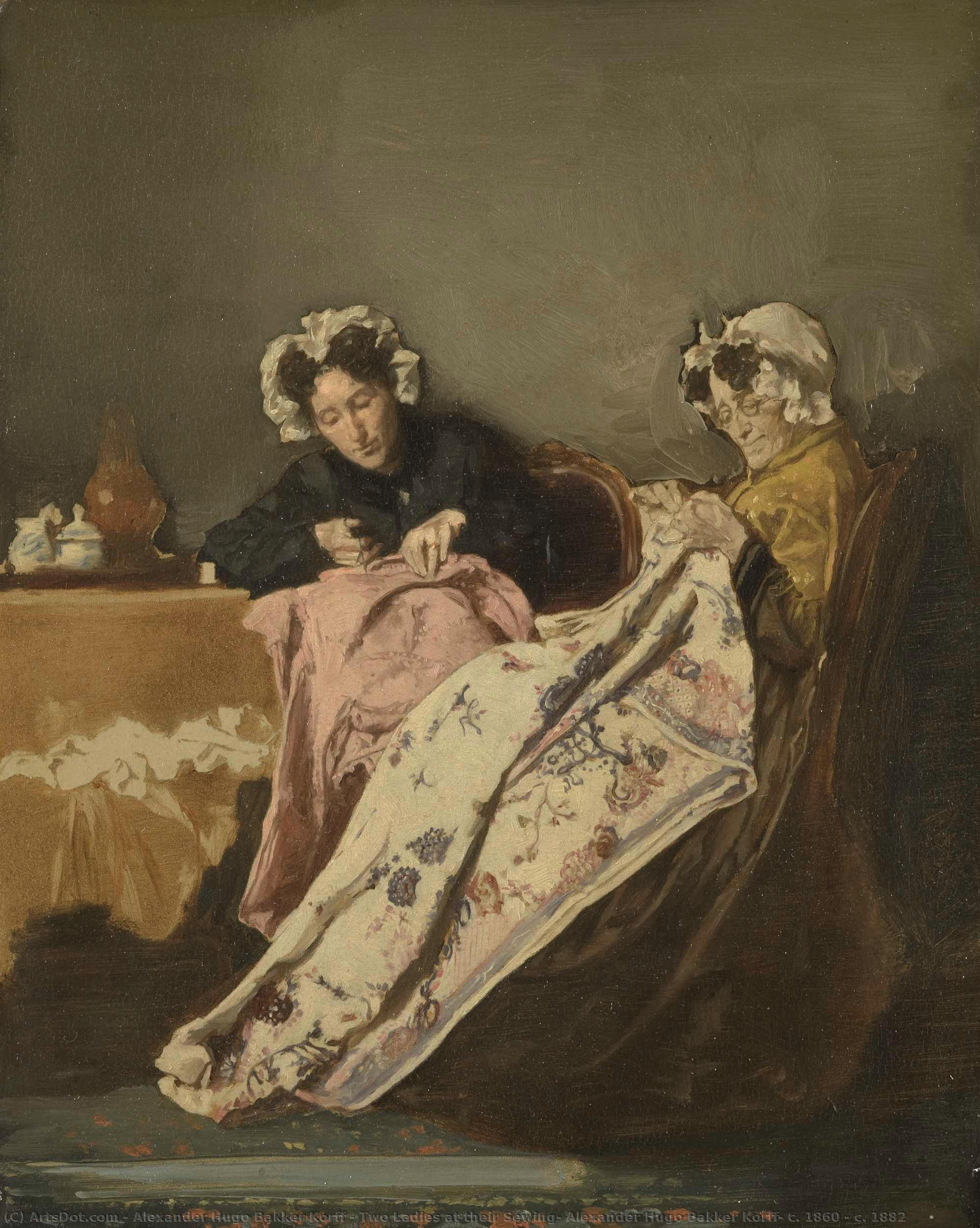
Two Ladies at their Sewing, Alexander Hugo Bakker Korff, c. 1860 - c. 1882
 1882
1882 25.0 x 20.0 cm
 詳細を見る
詳細を見る
オンラインプレビューをはるかに凌ぐ、高解像度で鮮明なデジタル画像をご購入いただけます。
各ファイルは、社内の専門家が高度なツールと熟練した手作業によるレタッチを用いて、細心の注意を払って準備されています。すべての画像において、卓越した鮮明度、正確な色彩再現性、そして繊細なディテールを保証いたします。
最終ファイルは、プロフェッショナルな編集・印刷環境ですぐにご利用いただけるよう最適化された状態で、72時間以内にメールにてお届けいたします。これは、一流のデザインスタジオ、出版社、ギャラリーから信頼されているものと同等の品質です。
デジタル画像のご注文に付随する特典
高品質なデジタル画像配信を、確かな品質で。
ArtsDot.com を選ぶことは、単に画像を手に入れることではありません。それは、プロの手によって精密に仕上げられ、満足保証が付いた高品質なデジタルアートワークを受け取ることを意味します。ご注文いただいた際に自動的に付随する内容は、以下の通りです:

メールですぐにお届け
ご注文から72時間以内に、高解像度のデジタル画像ファイルがメールでお手元に届きます。すぐにそのままご利用いただけます。

AI技術で最適化されたデジタルファイル
お客様の作品は、高度なAIツールと専門家による手作業の編集を組み合わせてプロフェッショナルに最適化されており、細部のディテール、鮮明さ、そして正確な色再現性を最大限に引き出しています。

一生涯無料の再送サービス
ファイルを誤って削除したり、紛失してしまったりしましたか?ご安心ください。いつでも無料で再送いたします。

輸入手数料は一切かかりません
関税や手数料、配送料を気にすることなく、お気に入りのアートワークをすぐにお楽しみいただけます。デジタルダウンロードは常に免税です。

色彩再現の保証
プロ仕様のツールとカラーマネジメント技術を用いることで、デジタル画像が元の色を最大限に忠実に再現することを保証いたします。

60日間満足保証
ご購入いただいたデジタル画像にご満足いただけない場合は、60日以内であれば、修正または100%の返金(理由を問う必要はありません)をさせていただきます。

100% 返金保証
ご満足いただけない場合は、デジタルファイルを受け取ってから60日以内であれば、理由を問わず全額返金いたします。

まとめ買い割引
3枚購入で10%OFF - 5枚購入で15%OFF - 10枚以上購入で20%OFF。クリエイティブなプロジェクト、ギャラリー、エージェンシーに最適です。
関連作品








作家の略歴
A Quiet Intimacy: The World of Alexander Hugo Bakker Korff
Alexander Hugo Bakker Korff, a name perhaps less immediately recognized than some of his Dutch contemporaries, nevertheless occupies a significant and charming niche within the landscape of 19th-century genre painting. Born in The Hague in 1824 and passing away in Leiden in 1882, his life unfolded amidst a period of artistic transition, bridging the echoes of the Golden Age with the burgeoning currents of Realism and the subtle shifts toward Impressionism. Bakker Korff wasn’t concerned with grand historical narratives or sweeping landscapes; instead, he dedicated himself to capturing the quiet poetry of domesticity, particularly through his celebrated series known as the “Bakker Korffjes.” These intimate scenes offer a captivating glimpse into the lives of middle-class women in the Netherlands, rendered with meticulous detail and an atmosphere of serene contemplation.Formative Years and Artistic Development
Bakker Korff’s artistic journey began with formal training at the Koninklijke Academie van Beeldende Kunsten in The Hague during the 1840s, a foundation upon which he would build his distinctive style. He further refined his skills at the Koninklijke Academie voor Schone Kunsten in Antwerp, studying under the guidance of Nicolaes de Keyser, a prominent figure in Dutch genre painting. Early influences from painters like Cornelis Kruseman and Huib van Hove are discernible in his initial works, yet Bakker Korff soon began to forge his own path. He gravitated towards interior scenes populated by women engaged in everyday activities – reading, sewing, writing letters, or simply lost in thought. It was this focus on the domestic sphere, coupled with a particular fondness for depicting ladies adorned in the fashionable caps of the era, that would ultimately define his artistic signature and give rise to the beloved “Bakker Korffjes.” These weren’t merely portraits; they were carefully constructed narratives, imbued with a sense of psychological depth and emotional resonance.The ‘Bakker Korffjes’: A World in Miniature
Around 1856, while residing in Oegstgeest alongside his sisters—who frequently served as his models—Bakker Korff embarked on the creation of his signature series. The “Bakker Korffjes” are characterized by an extraordinary level of detail, a warm and inviting palette, and a pervasive sense of quiet intimacy. These paintings aren’t dramatic or overtly expressive; their power lies in their subtlety, in the way Bakker Korff captures the fleeting moments of everyday life with such precision and sensitivity. The women he depicts appear absorbed in their tasks, yet there's often an underlying current of emotion – a hint of melancholy, a spark of curiosity, or a quiet sense of contentment. He masterfully rendered textures—the delicate fabrics of dresses, the smooth surfaces of furniture, the soft glow of candlelight—creating scenes that feel remarkably tangible and real. The compositions are carefully balanced, drawing the viewer’s eye to the central figure while simultaneously revealing details about her surroundings, offering clues about her social status and personal life.Legacy and Artistic Significance
Bakker Korff's work is deeply rooted in the Dutch tradition of genre painting, a legacy stretching back to the masters of the Golden Age. However, his style also reflects the influence of The Hague School, known for its realistic depictions of Dutch society and landscapes. He wasn’t simply replicating reality; he was interpreting it through a lens of empathy and understanding, offering a nuanced portrayal of women's lives in 19th-century Netherlands. His paintings provide valuable insights into the social customs, material culture, and domestic routines of the period. In 1870, his talent received official recognition when he was awarded the title of Knight in the Order of Leopold after exhibiting his works in Brussels. He remained actively involved in the artistic community throughout his career, serving as a member and later a board member of Pulchri Studio in The Hague, and holding a position within the Leids Schilder- en Tekengenootschap Ars Aemula Naturae. Though perhaps not a household name today, Alexander Hugo Bakker Korff’s legacy endures through the enduring charm and quiet beauty of his “Bakker Korffjes,” offering a timeless window into a bygone era.Pupils
- Dirk Leonardus Kooreman
- Jan Hendrik van Rossum du Chattel
- Elias Stark
- Jan Jacob Zuidema Broos
- Mathilde Tonnet
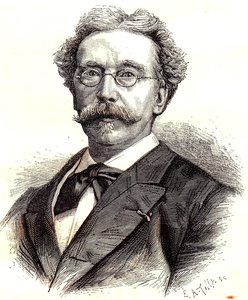
Alexander Hugo Bakker Korff
1824 - 1882 , Netherlands
プロフィール概要
- Artistic Movement Or Style: Genre painting
- Artists Or Movements Influenced By This Artist:
- Dirk Kooreman
- Jan Rossum du Chattel
- Elias Stark
- Artists Who Influenced This Artist:
- Cornelis Kruseman
- Huib van Hove
- Nicolaes de Keyser
- Date Of Birth: 1824
- Date Of Death: 1882
- Full Name: Alexander Hugo Bakker Korff
- Nationality: Dutch
- Notable Artworks:
- La romance
- Portrait of A.H. Bakker Korff
- The Bible Reading
- Place Of Birth: The Hague, Netherlands

