

 プレビュー
プレビュー
 プリントを購入
 シェアする
シェアする シェアする
シェアする
 詳細を見る
詳細を見る

 ダウンロード
 似ている作品
 X線調査
X線調査 スライドショー
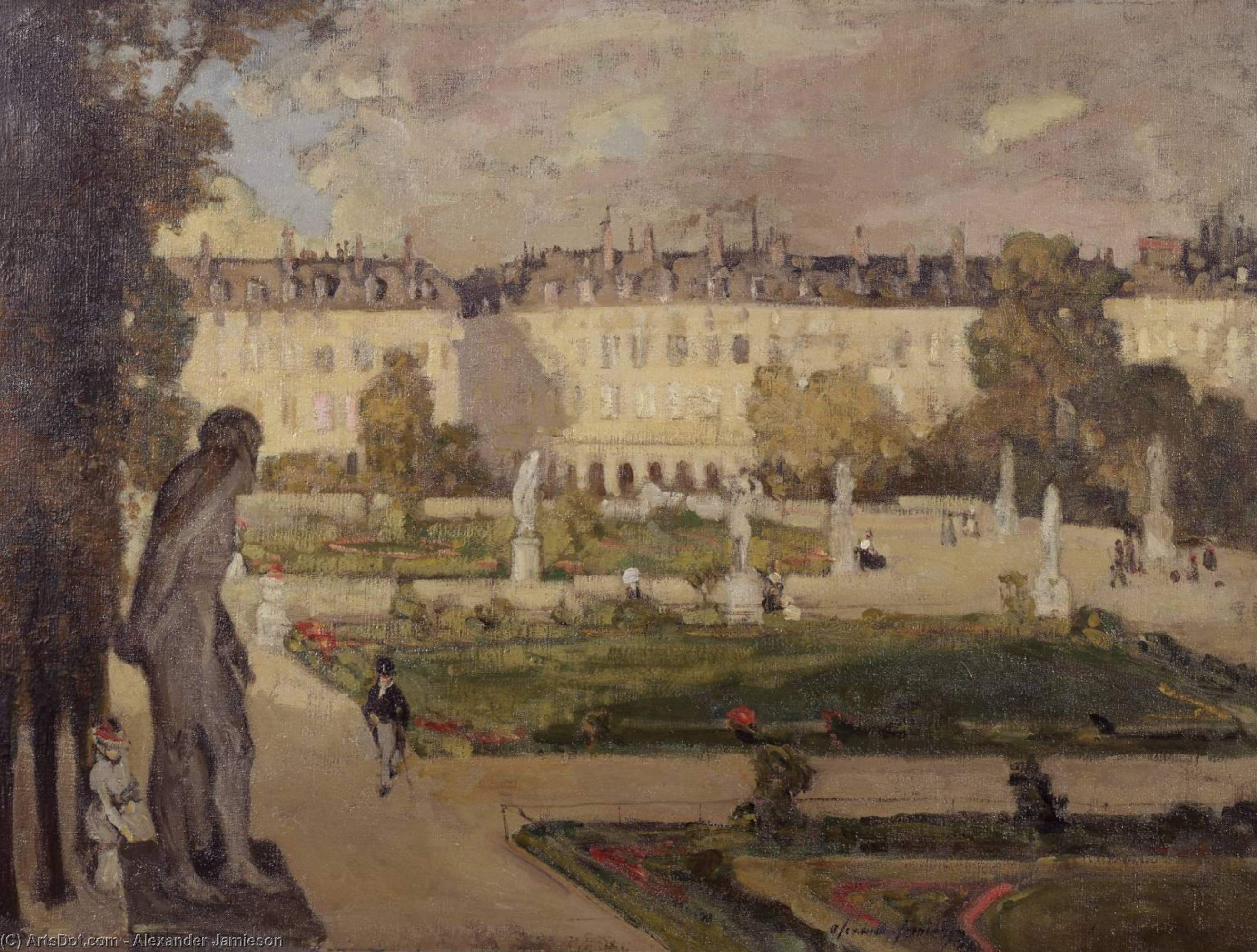
The Tuileries Gardens and the Rue de Rivoli


 詳細を見る
詳細を見る
オンラインプレビューをはるかに凌ぐ、高解像度で鮮明なデジタル画像をご購入いただけます。
各ファイルは、社内の専門家が高度なツールと熟練した手作業によるレタッチを用いて、細心の注意を払って準備されています。すべての画像において、卓越した鮮明度、正確な色彩再現性、そして繊細なディテールを保証いたします。
最終ファイルは、プロフェッショナルな編集・印刷環境ですぐにご利用いただけるよう最適化された状態で、72時間以内にメールにてお届けいたします。これは、一流のデザインスタジオ、出版社、ギャラリーから信頼されているものと同等の品質です。
デジタル画像のご注文に付随する特典
高品質なデジタル画像配信を、確かな品質で。
ArtsDot.com を選ぶことは、単に画像を手に入れることではありません。それは、プロの手によって精密に仕上げられ、満足保証が付いた高品質なデジタルアートワークを受け取ることを意味します。ご注文いただいた際に自動的に付随する内容は、以下の通りです:

メールですぐにお届け
ご注文から72時間以内に、高解像度のデジタル画像ファイルがメールでお手元に届きます。すぐにそのままご利用いただけます。

AI技術で最適化されたデジタルファイル
お客様の作品は、高度なAIツールと専門家による手作業の編集を組み合わせてプロフェッショナルに最適化されており、細部のディテール、鮮明さ、そして正確な色再現性を最大限に引き出しています。

一生涯無料の再送サービス
ファイルを誤って削除したり、紛失してしまったりしましたか?ご安心ください。いつでも無料で再送いたします。

輸入手数料は一切かかりません
関税や手数料、配送料を気にすることなく、お気に入りのアートワークをすぐにお楽しみいただけます。デジタルダウンロードは常に免税です。

色彩再現の保証
プロ仕様のツールとカラーマネジメント技術を用いることで、デジタル画像が元の色を最大限に忠実に再現することを保証いたします。

60日間満足保証
ご購入いただいたデジタル画像にご満足いただけない場合は、60日以内であれば、修正または100%の返金(理由を問う必要はありません)をさせていただきます。

100% 返金保証
ご満足いただけない場合は、デジタルファイルを受け取ってから60日以内であれば、理由を問わず全額返金いたします。

まとめ買い割引
3枚購入で10%OFF - 5枚購入で15%OFF - 10枚以上購入で20%OFF。クリエイティブなプロジェクト、ギャラリー、エージェンシーに最適です。
A Parisian Dream Captured in Oil
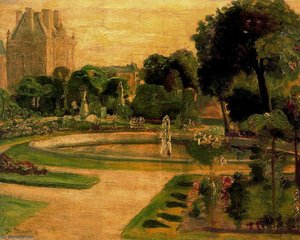
To gaze upon Alexander Jamieson's depiction of The Tuileries Gardens and the Rue de Rivoli is to be instantly transported across the Channel to the heart of turn-of-the-century Paris. This oil on canvas, painted in 1901, is far more than a mere topographical record; it is an immersion into a moment of cultivated Parisian serenity. Jamieson possesses a remarkable gift for capturing not just the visual splendor of monumental architecture and lush horticulture, but the very breath of life that moves through such grand public spaces. The composition unfolds like a gentle narrative, inviting the viewer to wander among the meticulously placed statues and follow the meandering paths suggested by the greenery.
The Artistry of Light and Leisure
Jamieson’s technique in this piece is a masterclass in rendering atmosphere. Working with oil on canvas allowed him to achieve a richness and depth of color that speaks volumes about the era's artistic sensibilities, while simultaneously echoing the Impressionistic concerns of light play. Notice how the sunlight seems to filter through the canopy, dappling the pathways and lending an almost ethereal glow to the scene. The inclusion of numerous figures—some in quiet contemplation, others engaged in leisurely strolls—grounds the painting in human experience. These scattered individuals are not merely filler; they imbue the garden with a palpable sense of ongoing life, suggesting that this peaceful moment is but one breath within the continuous rhythm of Parisian existence.
Historical Echoes and Enduring Beauty
The setting itself—the confluence of the grand Tuileries Gardens and the bustling Rue de Rivoli—places us at a pivotal juncture in Paris's history. While the energy of the early 20th century permeates the scene, Jamieson tempers any sense of chaos with an overarching feeling of tranquility. This balance is key; it speaks to the enduring appeal of structured beauty amidst urban dynamism. For the collector or designer, this piece offers a window into a romanticized vision of Parisian life—a place where classical artistry (represented by the statues) harmonizes perfectly with natural vitality.
Symbolism and Emotional Resonance
The garden, in art history, has always been a potent symbol. Here, the Tuileries Gardens represent cultivated civilization; they are nature tamed and ordered for human enjoyment. The interplay between the vibrant, living greenery and the permanence of the stone statues suggests a dialogue between the ephemeral—the passing people, the changing light—and the eternal ideals of art and beauty. Owning a reproduction of this work is to invite that very feeling into your own space: a sense of ordered calm, a sophisticated breath of fresh air, and the enduring romance of European culture.
関連作品

作家の略歴
A Legacy of Light and Atmosphere
Alexander Jamieson, born in the vibrant industrial heart of Glasgow in 1873, stands as a luminous figure within the Scottish watercolor movement of the late Victorian and early Edwardian eras. His artistic journey began amidst the rigorous academic environment of the Glasgow School of Art, where he first learned to translate the tangible world into the ethereal language of pigment and water. This formative period instilled in him a profound reverence for meticulous observation, a trait that would later allow him to capture the most fleeting of natural phenomena. Jamieson did not merely paint landscapes; he sought to capture the very breath of the atmosphere, turning the damp, shifting light of his native Scotland into enduring works of art.The Impressionist Pulse and Eastern Echoes
While his roots were firmly planted in Scottish soil, Jamieson’s artistic vision was profoundly international. He looked toward the continent, drawing deep inspiration from the Impressionist masters such as Claude Monet and Frédéric Bazille. From them, he adopted a fascination with the ephemeral—the way sunlight dances upon a frozen stream or how a sudden mist can soften the edges of a distant hill. This European sensibility was uniquely enriched by his appreciation for Japanese Ukiyo-e prints. The influence of these Eastern works is evident in his sophisticated use of asymmetrical compositions and bold, harmonious color palettes, which allowed him to break away from rigid traditionalism and embrace a more modern, fluid approach to the canvas.Mastering the Seasonal Shift
There is a particular magic found within Jamieson’s rendering of the winter season. He possessed a rare ability to depict the quiet, heavy stillness of snow-covered fields and the crystalline clarity of frozen waterways. Through delicate brushwork and luminous washes of color, he achieved a masterful rendering of tonal variations that made the cold seem almost palpable to the viewer. His technique in watercolor allowed for a transparency and light that mimicked the diffused glow of a winter sun, creating scenes that felt both intimately familiar and dreamlike. Whether capturing the stark beauty of a frost-bitten landscape or the soft textures of a snowdrift, his work remains a testament to his ability to find warmth and life within the coldest of settings.Urban Serenity and Coastal Drama
Beyond the quietude of the countryside, Jamieson’s repertoire extended into the grand, bustling stages of European urban life and the dramatic edges of the coastline. His oil paintings, such as the breathtaking Dieppe Cliffs, France, showcase a different facet of his talent, utilizing layered textures and vibrant hues to capture the raw power of the maritime landscape. Conversely, his depictions of Paris, most notably The Tuileries Gardens and the Rue de Rivoli, reveal a more refined, tranquil side of his artistry. In these works, he invites the viewer to wander through meticulously rendered gardens and sun-dappled pathways, imbuing the urban sprawl with a sense of cultivated peace. Through this diverse range of subject matter—from the serene A Lane in Marsworth to the lively streets of Paris—Jamieson secured his place as a true visionary of the landscape.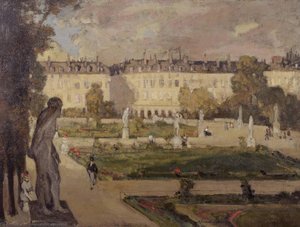
alexander jamieson
1873 - 1937 , United Kingdom
プロフィール概要
- Artistic Movement Or Style: Impressionism
- Date Of Birth: Glasgow, United Kingdom (1873)
- Date Of Death: 1937
- Full Name: Alexander Jamieson
- Nationality: Scottish
- Notable Artworks:
- A Lane in Marsworth
- Dieppe Cliffs
- Place Of Birth: Glasgow

