 プレビュー
プレビュー
 シェアする
シェアする シェアする
シェアする
 詳細を見る
詳細を見る

 ダウンロード
 似ている作品
 X線調査
X線調査 スライドショー
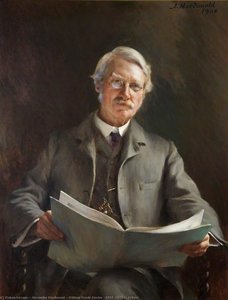
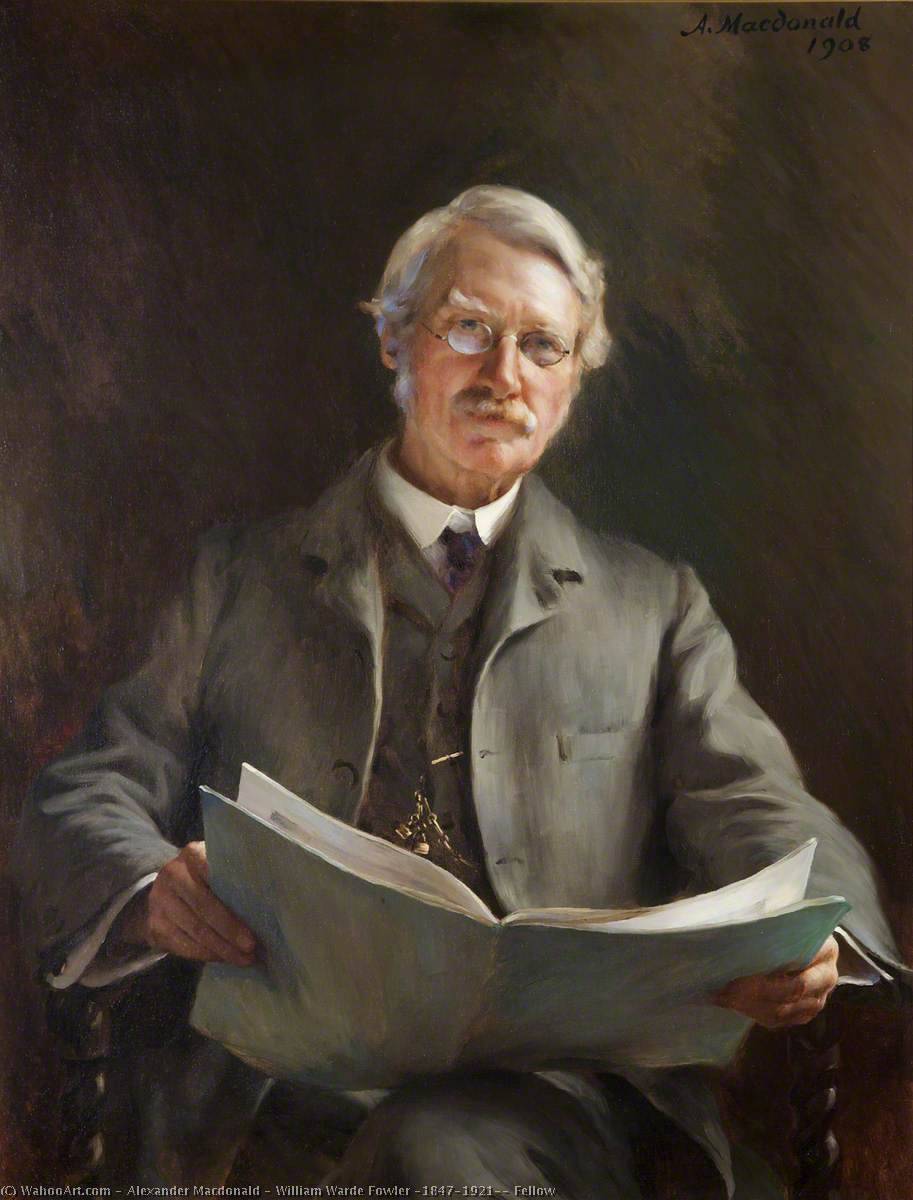
William Warde Fowler (1847–1921), Fellow
 1908
1908 102.0 x 76.0 cm
 Lincoln College
Explore the evocative portraits of Alexander Macdonald (1837-1885), a Scottish artist renowned for his detailed sketches & paintings, capturing Victorian society and landscapes.
 詳細を見る
詳細を見る
ジークレー/アートプリント
迅速な制作と多彩な仕上げオプションを備えた、ミュージアムクオリティのジークレーまたはキャンバスプリント。 ( 手描きの絵画を購入 画像を購入)




































標準サイズ
オーダーメイド
CM
INCH
作品のオリジナル比率に合わせた、当店の規定サイズからお選びください。
Loading sizes...

幅
高さ
特定のフレームやスペースに合わせて、ご自身でサイズを指定することも可能です。選択されたサイズが元の画像の比率と一致しない場合、作品をトリミングするか、鏡面反射または単色での塗りつぶしによって画像を拡張いたします。制作を開始する前に、ご確認用のデジタルモックアップをお送りいたします。
画面上のプレビューには、実際のトリミングや拡張は反映されませんのでご注意ください。最終的な構図を正確に確認できるのは、モックアップのみとなります。
カスタムサイズも承っておりますが、元の比率を維持するためには、あらかじめ用意されたリストからサイズを選択することをお勧めいたします。


 ガラスオプションは、110cm未満のサイズでのみご利用いただけます。

William Warde Fowler (1847–1921), Fellow
ジークレー/アートプリント
複製画のサイズ
-


合計金額
$ 62
関連作品








アーティストの略歴
A Glimpse into Victorian Lives: The Art of Alexander Macdonald
Alexander Macdonald, born in 1837, was a Scottish artist who quietly documented the essence of his era through an extraordinary gift for portraiture and sketching. While not as widely celebrated as some of his contemporaries, Macdonald’s work offers a uniquely intimate window into Victorian society, capturing not just likenesses but also the character and atmosphere of the time. His life, though relatively undocumented in grand biographical detail, was dedicated to honing his skills and producing an impressive body of work that continues to resonate with those seeking a deeper connection to 19th-century Scotland and beyond. He lived until 1885, leaving behind a legacy of detailed observations rendered with remarkable sensitivity.Early Training and Artistic Development
Details surrounding Macdonald’s formal artistic training remain somewhat elusive. However, the precision and skill evident in his sketches suggest a rigorous apprenticeship or dedicated study under an established artist. He quickly gravitated towards portraiture, recognizing its potential to explore human psychology and social standing. Unlike many artists who sought dramatic historical narratives or sweeping landscapes, Macdonald found beauty and meaning in the everyday faces of Victorian life – merchants, landowners, families, and individuals from all walks of society. His early works demonstrate a clear understanding of light and shadow, employing techniques reminiscent of the Dutch Masters, particularly in his ability to capture texture and realism. He wasn’t interested in idealization; instead, he strived for an honest representation of his subjects, flaws and all. This commitment to authenticity would become a defining characteristic of his style.Capturing Victorian Society: Themes and Techniques
Macdonald's artistic output primarily focused on portraiture, but it was the *way* he approached this genre that set him apart. He wasn’t merely creating images for wealthy patrons; he was building a visual archive of Victorian life. His sketches, often executed with charcoal or graphite, are particularly compelling – quick studies that reveal a remarkable ability to capture fleeting expressions and subtle nuances of personality. These weren't preliminary drawings for larger paintings, but works of art in their own right, prized for their immediacy and intimacy.- Portraiture as Social Commentary: Macdonald’s portraits often reveal details about the sitter’s profession or social status through clothing, accessories, and background elements. He subtly hinted at the complexities of Victorian class structures.
- The Power of Observation: His landscapes, though less frequent than his portraits, demonstrate a keen eye for detail and an appreciation for the natural beauty of Scotland. They often served as backdrops for his portraiture, grounding his subjects in their environment.
- A Focus on Character: Macdonald’s work is notable for its psychological depth. He wasn't simply interested in physical resemblance; he sought to capture the inner life of his sitters.