


 プレビュー
プレビュー
 プリントを購入
 シェアする
シェアする シェアする
シェアする
 詳細を見る
詳細を見る

 ダウンロード
 似ている作品
 X線調査
X線調査 スライドショー
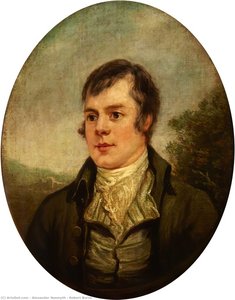
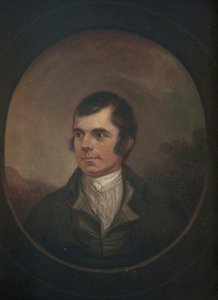
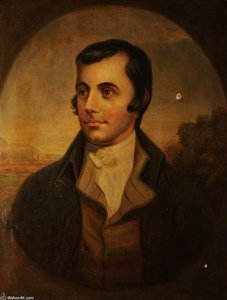
Robert Burns, 1759 - 1796. Poet


 詳細を見る
詳細を見る




P118B $10

P118H $10

P118W $10

P438Z $10

P508JH $12

P508YH $12

P805H $10

P805Z $10

P919BZ $10

P919G $10

P919XJ $10

P959ZH $10

P968JZ $12

W106C $8

W218G $10

W218JH $8

W218Y $10

W307PJ $10

W316G $10

W316PJ $8

W316Y $10

W398PJ $8

W4111J $10

W500HY $15

W500JH $15

W692G $12

W849H $8

W940BG $15

W953PJ $8




作品のオリジナル比率に合わせた、当店の規定サイズからお選びください。

特定のフレームやスペースに合わせて、ご希望のサイズをご入力いただけます。選択されたサイズが元の画像の比率と異なる場合、アートワークをトリミングするか、手描きで要素を追加して絵画を拡張いたします。デジタルモックアップ を制作し、制作開始前にご確認(承認)をいただきます。
画面上のプレビューは、実際のトリミングや拡張を正確に反映しているものではありません。最終的な構図は、モックアップによってのみ正確にご確認いただけます。
カスタムサイズもご利用いただけますが、元の比率を維持するためには、あらかじめ用意されたリストからサイズを選択することをお勧めいたします。
ご注文後、ArtsDot.com チームより詳細な指示をお送りするとともに、仕上がりイメージ(モックアップ)をご提供いたします。


 ガラスオプションは、110cm未満のサイズでのみご利用いただけます。

Robert Burns, 1759 - 1796. Poet
複製技法
複製画のサイズ
-


合計金額
$ 263
作品解説
The Enigmatic Figure: Alexander Nasmyth and the Birth of a National Icon
Alexander Nasmyth's 1787 portrait of Robert Burns is more than just a likeness; it’s a pivotal moment in the solidification of Scottish national identity. Painted during a period of burgeoning literary and cultural pride, this intimate depiction captures not merely the physical appearance of the poet but also his spirit – a blend of rustic charm, intellectual curiosity, and profound connection to the land. Nasmyth, a landscape painter as much as a portraitist, brought a unique sensibility to his work, imbuing portraits with a sense of place and atmosphere that transcends simple representation. The painting’s immediate impact was immense; it became, and remains, the most recognizable image of Burns, a symbol inextricably linked to Scotland's heritage.
- Historical Context: The late 18th century witnessed a fervent revival of Scottish culture following centuries of English dominance. The Enlightenment had fostered intellectual debate, while simultaneously fueling a desire to reclaim and celebrate traditional folklore, language, and artistic expression. Burns’s poetry, with its vibrant depictions of rural life and its passionate embrace of Scots dialect, became the cornerstone of this cultural resurgence.
- Nasmyth's Vision: Nasmyth wasn’t simply documenting Burns; he was crafting a narrative. The background – a rugged, mountainous landscape reminiscent of Burns’s native Ayrshire – subtly reinforces the poet’s connection to his roots and his deep understanding of the natural world. The composition itself is carefully balanced, drawing attention to Burns's face while simultaneously suggesting an expansive, almost timeless, setting.
A Study in Light and Shadow: Technique and Style
Nasmyth’s masterful technique reveals a sophisticated understanding of light and shadow – hallmarks of the Neoclassical style he embraced. The portrait is rendered with meticulous detail, particularly in Burns's expressive face, capturing the subtle nuances of his features and conveying a sense of intelligence and warmth. Note the delicate rendering of the fabric of his shirt, the play of light on his beard, and the atmospheric haze that softens the distant landscape. The use of oil paint allows for rich textures and vibrant colors, contributing to the painting’s overall luminosity. The slightly unfinished quality – a deliberate choice by Nasmyth – adds an element of immediacy and intimacy, as if we are witnessing a fleeting moment captured in time.
Key elements of his style include:- Precise observation of detail
- Subtle use of light and shadow to create depth
- A balanced composition that draws the eye
Symbolism and Meaning: Beyond a Simple Portrait
The portrait is laden with symbolic meaning. Burns’s attire – a simple white shirt and dark coat – speaks to his humble origins, while his gaze, directed directly at the viewer, suggests an openness and honesty that resonated deeply with the public. The mountainous backdrop isn't merely decorative; it represents the rugged beauty of Scotland and the poet’s deep connection to its landscape. Furthermore, the inclusion of a small, almost imperceptible, book in Burns’s hand subtly alludes to his intellectual pursuits and his role as a literary figure. It’s a visual shorthand that encapsulates the complex duality of the man – both a passionate poet and a thoughtful scholar.
A Timeless Legacy: Reproduction and Emotional Resonance
Reproductions of Nasmyth's portrait have become ubiquitous, appearing on everything from postage stamps to tea towels. Yet, despite its widespread dissemination, the image retains an undeniable power. It evokes a sense of nostalgia for a bygone era, celebrating Scottish heritage and reminding us of the enduring legacy of Robert Burns. When considering a high-quality reproduction, one should appreciate not only the technical skill involved in creating the original but also the profound cultural significance embedded within its frame. This portrait is more than just an image; it’s a window into the soul of Scotland.
関連作品
アーティストの略歴
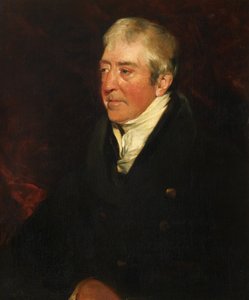
スコットランド風景画の先駆者、アレクサンダー・ナズミス
1758年にエディンバラで生まれたアレクサンダー・ナズミスは、スコットランド美術史において極めて重要な人物であり、肖像画家としてだけでなく、より重要な風景画家としての名声を確立しました。彼はしばしば「スコットランド風景画の父」と称され、伝統的な肖像画からロマン主義運動における自然景観への関心の高まりへと橋渡しをしました。ナズミスは、単なる絵描きではなく、時代の変化を感じ取り、新しい表現を追求した革新者でした。
幼少期と芸術的修練
ナズミスは当初、馬車の製造業者に弟子入りしましたが、すぐに芸術への情熱を傾けました。エディンバラのロイヤル・ハイスクールとトラステイズ・アカデミーで学び、1774年から1778年までロンドンで著名な肖像画家アラン・ラムゼイのアシスタントとして働きました。この経験は、彼に貴重な技術的訓練と当時の芸術的な潮流への触れ合いの機会を与えました。1778年にエディンバラに戻ると、彼はすぐに肖像画家としての地位を確立しました。しかし、彼の探求心は止まることを知りません。1782年から1784年まで、パトリック・ミラーの経済的支援を受けイタリアへ旅行し、イタリア人巨匠の研究やクロード・ロランの作品の模写を通して、風景画への理解を深めました。この旅は、彼の芸術的感性を大きく開花させるきっかけとなりました。
芸術的展開と主要な作品
ナズミスは当初、ラムゼイ様式の肖像画を描いていましたが、徐々に屋外の風景を取り入れた会話的な作品へと移行していきました。1787年のロバート・バーンズの肖像画は、彼の初期キャリアにおける傑作であり、人物の特徴と個性を捉える能力を示しています。しかし、1792年頃になると、ナズミスは政治的出来事や芸術的嗜好の変化に影響を受け、完全に風景画に専念することを決意しました。彼は詳細な自然観察と建築要素を特徴とする独自のスタイルを確立し、彼の風景画はすべて実際の場所を描いたものでした。また、劇場のために舞台装置を設計したり、パノラマ画を描いたりするなど、多才な芸術家としての側面も持ち合わせていました。代表的な作品には、ウェストからのエディンバラの眺め (1822-6)、ディーンからのエディンバラの眺め、ハイランドの牛の峠などがあります。これらの作品は、スコットランドの自然の美しさを鮮やかに描き出し、多くの人々に感動を与えました。
工学への関心と革新
ナズミスは芸術家であると同時に、工学にも深い関心を抱いており、いくつかの革新的なアイデアを提案しましたが、特許を取得することはありませんでした。彼はスコットランド貴族のメンバーのために邸宅の改修や美化に携わりました。1789年にはセント・バーナードの井戸を覆う円形の神殿などの注目すべき構造物を設計し、アモンドールとトンブランドの橋も手がけました。また、1788年のダルスウィントン湖でのパトリック・ミラーの蒸気船の歴史的な試験に参加し、彼の先見性のある視点を示しました。ナズミスは、芸術と工学を融合させ、社会に貢献しようとする情熱を持っていました。
遺産と影響
ナズミスはエディンバラに絵画学校を設立し、デビッド・ウィルキー、デビッド・ロバーツ、クラークソン・スタンフィールド、ジョン・トムソン・オブ・ダディングストン、さらにはジョン・ラスキンの父を含む次世代の芸術家に大きな影響を与えました。彼の自然から描くことへの強調は、芸術教育に永続的な影響を及ぼしました。また、彼の6人の娘も著名な芸術家となり、家族としての芸術的遺産を築きました。ナズミスは、スコットランドにおける風景画を確立し、後世のスコットランド風景画家たちの道を切り開いた偉大な芸術家でした。彼の作品は、今もなお多くの人々に愛され、スコットランドの自然の美しさを伝えています。
アレクサンダー・ナズミス
1758 - 1840 , イギリス
基本情報
- Artistic Movement Or Style: ロマン主義
- Artists Or Movements Influenced By This Artist:
- デイビッド・ウィルキー
- J.J.ラスキン
- Artists Who Influenced This Artist:
- アラン・ラムゼイ
- クロード
- Date Of Birth: 1758年9月9日
- Date Of Death: 1840年4月10日
- Full Name: アレクサンダー・ナズミス
- Nationality: スコットランド人
- Notable Artworks:
- ロバート・バーンズの肖像画
- 西からのエディンバラの眺め
- Pass Of The Cows, Highlands
- Place Of Birth (City And Country): イギリス、エディンバラ
関連記事
Alexander Nasmyth: Picturing Scotland's Romantic Landscape – Innovation & Identity
Explore the life & art of Alexander Nasmyth, a pivotal figure in Scottish Romantic landscape painting. Discover his iconic works, including portraits of Robert Burns, and learn about his lasting influence on national identity. Fine art reproductions available.
Patrick Nasmyth: A Scottish Romantic's Vision of History & the Grand Manner
Explore the captivating landscapes of Patrick Nasmyth, a key figure in Scottish Romanticism. Discover his Dutch influences, embrace of the Grand Manner, and lasting artistic legacy. Learn more at ArtsDot.

ロマン派ランドスケープ:時代を彩る巨匠の10選|アートとインテリアの世界
ロマン派絵画の時代を彩る10選。巨匠たちの風景が織りなす感動の世界へ。ターナー、ルーベンスなど、名作の裏話と高精細複製でアートをお部屋に。ArtsDot.comで至福のアート体験を。
David Roberts: A Scottish Pioneer of Topographical Art & Orientalist Vision
Explore the captivating world of David Roberts, a pioneering Scottish painter renowned for his detailed Orientalist scenes & stunning Egyptian landscapes. Discover his legacy and find museum-quality reproductions at ArtsDot.

Evocations of Place: A Historical Journey Through Landscape Art
Explore the rich history of landscape art with ArtsDot. Discover renowned artists, movements like Impressionism & Romanticism, and expert guidance for collecting timeless pieces. Find your perfect serene escape today!

