

 プレビュー
プレビュー
 プリントを購入
 シェアする
シェアする シェアする
シェアする
 詳細を見る
詳細を見る

 ダウンロード
 似ている作品
 X線調査
X線調査 スライドショー
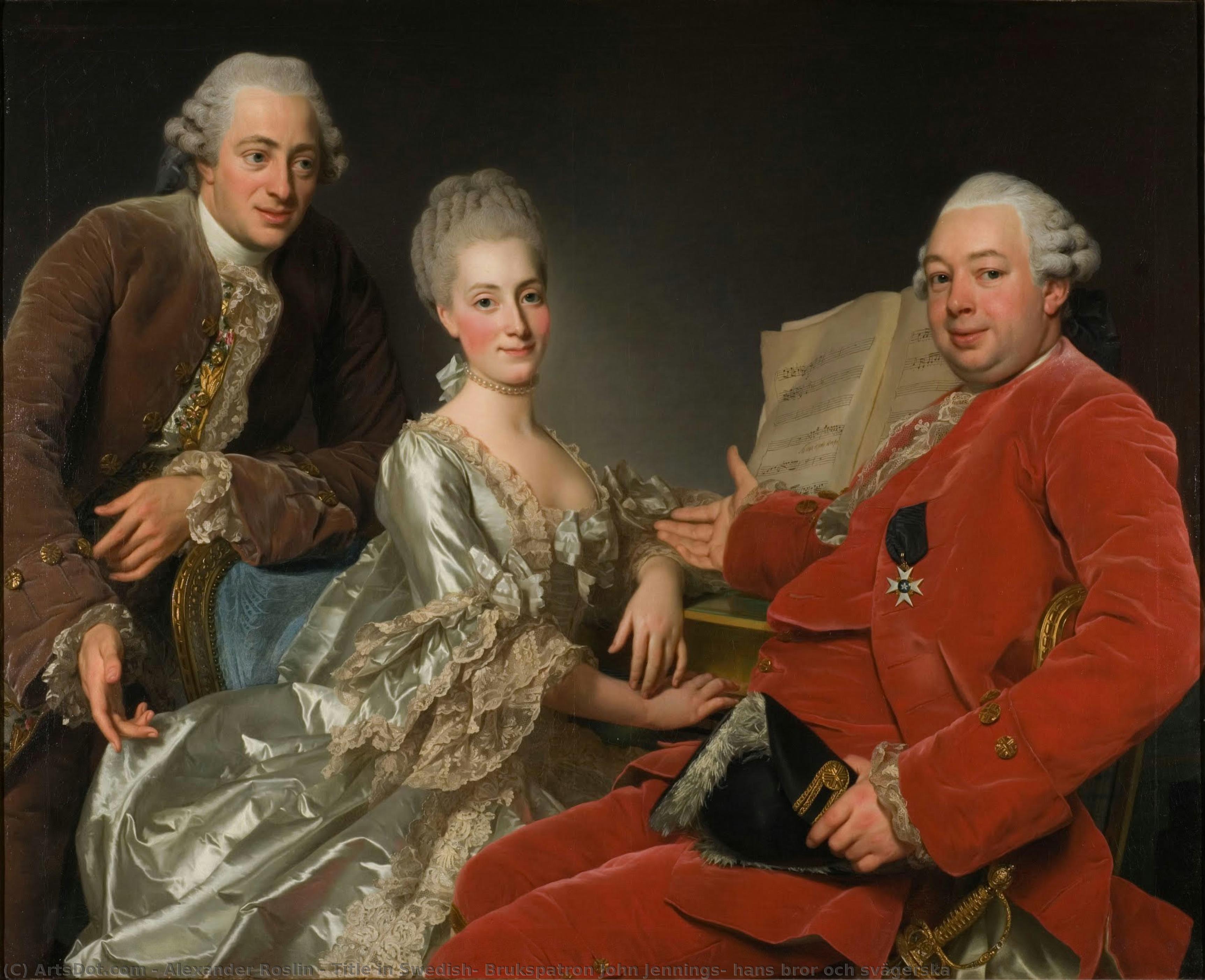
Title in Swedish: Brukspatron John Jennings, hans bror och svägerska
 Acrylic On Canvas
- WallArt
- Rococo
 1769
1769 1480.0 x 1210.0 cm
 国立美術館
国立美術館
 詳細を見る
詳細を見る




P118B $10

P118H $10

P118W $10

P438Z $10

P508JH $12

P508YH $12

P805H $10

P805Z $10

P919BZ $10

P919G $10

P919XJ $10

P959ZH $10

P968JZ $12

W106C $8

W218G $10

W218JH $8

W218Y $10

W307PJ $10

W316G $10

W316PJ $8

W316Y $10

W398PJ $8

W4111J $10

W500HY $15

W500JH $15

W692G $12

W849H $8

W940BG $15

W953PJ $8




作品のオリジナル比率に合わせた、当店の規定サイズからお選びください。

特定のフレームやスペースに合わせて、ご希望のサイズをご入力いただけます。選択されたサイズが元の画像の比率と異なる場合、アートワークをトリミングするか、手描きで要素を追加して絵画を拡張いたします。デジタルモックアップ を制作し、制作開始前にご確認(承認)をいただきます。
画面上のプレビューは、実際のトリミングや拡張を正確に反映しているものではありません。最終的な構図は、モックアップによってのみ正確にご確認いただけます。
カスタムサイズもご利用いただけますが、元の比率を維持するためには、あらかじめ用意されたリストからサイズを選択することをお勧めいたします。
ご注文後、ArtsDot.com チームより詳細な指示をお送りするとともに、仕上がりイメージ(モックアップ)をご提供いたします。


 ガラスオプションは、110cm未満のサイズでのみご利用いただけます。

Title in Swedish: Brukspatron John Jennings, hans bror och svägerska
複製技法
複製画のサイズ
-


合計金額
$ 263
作品解説
A Glimpse into the Rococo Salon: Alexander Roslin’s “Brukspatron John Jennings, hans bror och svägerska”
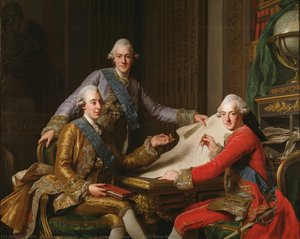
Alexander Roslin's 1769 portrait, "Brukspatron John Jennings, hans bror och svägerska," offers a captivating window into the opulent world of 18th-century Swedish aristocracy. More than just a likeness, it’s a carefully constructed tableau vivant – a staged scene brimming with social significance and subtle theatricality. Roslin, a master portraitist who served prominent families across Europe, doesn't simply depict his subjects; he crafts narratives within their appearances, revealing layers of wealth, status, and the intricate dance of relationships that defined high society.
The painting centers on John Jennings, an iron-foundry proprietor, seated alongside his brother and sister-in-law. The composition immediately draws the eye to Jennings himself, radiating a quiet confidence as he gestures expansively, seemingly showcasing his family’s prosperity. His attire – a richly embroidered red jacket – speaks volumes about his position within the social hierarchy, while the carefully arranged details around him—the open book, the subtle hints of luxury in the background—reinforce this impression. The sister-in-law, positioned between the brothers, embodies an elegance and composure characteristic of women of her station. Her posture is upright, her gestures refined, reflecting a controlled grace that was highly valued within aristocratic circles.
The Language of Rococo: Style and Technique
Roslin’s style firmly anchors this portrait within the Rococo movement – an era renowned for its elegance, ornamentation, and playful sensuality. The painting is characterized by soft, diffused lighting, creating a hazy atmosphere that lends a dreamlike quality to the scene. Roslin masterfully employs delicate brushstrokes and shimmering colors, particularly in the fabrics of the figures’ clothing. Note the luxurious textures of the velvet, silk, and brocade – meticulously rendered to convey both their beauty and their cost. The use of pastel shades contributes to the overall sense of refinement and sophistication, a hallmark of Rococo art.
Technically, Roslin demonstrates a remarkable understanding of anatomy and perspective. He captures not only the physical appearance of his subjects but also their personalities through subtle shifts in expression and body language. The figures are rendered with an almost sculptural quality, emphasizing their forms and creating a sense of depth within the composition. The background, though relatively simple, is carefully designed to provide context and reinforce the family’s status – the presence of a chair and a book suggests a comfortable domestic setting, while the couch hints at further social gatherings.
Symbolism and Social Commentary
Beyond its aesthetic qualities, “Brukspatron John Jennings” offers a glimpse into the complex social dynamics of 18th-century Sweden. The portrait isn’t merely a celebration of wealth; it's also a subtle commentary on the roles and expectations placed upon men and women within that society. The brothers, positioned as equals, represent the traditional patriarchal structure, while the sister-in-law embodies the ideal of female virtue and domesticity. Her gaze, directed towards the viewer, invites engagement and subtly asserts her presence within the scene.
Furthermore, the theatricality evident in the figures’ poses—the sweeping gestures, the carefully arranged expressions—reflects the prevalence of role-playing and masquerades within aristocratic society. As research reveals, 18th-century elites frequently engaged in elaborate performances designed to impress visitors and reinforce their social standing. Roslin skillfully captures this spirit of theatricality, transforming a simple portrait into a miniature drama.
A Legacy of Elegance: Reproduction and Interpretation
Created nearly two and a half centuries ago, “Brukspatron John Jennings” remains a testament to Alexander Roslin’s artistic skill and his ability to capture the essence of his subjects. Today, high-quality reproductions offer an accessible way to appreciate this remarkable work of art. When selecting a reproduction, consider the level of detail and accuracy – a faithful rendering will truly transport you back to the opulent salons of 18th-century Sweden. The painting’s enduring appeal lies not only in its beauty but also in its ability to evoke a sense of history, social commentary, and the timeless allure of human connection.
関連作品
アーティストの略歴
肖像画に捧げられた生涯:アレクサンダー・ローリンの世界
1718年、スウェーデンのマルメに生を受けたアレクサンダー・ローリンは、その時代の最も名高いロココ様式の肖像画家の一人としてその名を刻みました。海軍医師であった父の背中を見て育った彼は、当初、海軍の製図師という実務的な道を歩む運命にありました。しかし、若きアレクエンダーに宿っていた天賦の芸術的才能は、彼を瞬く間に異なる道へと導いていったのです。海軍提督ラース・エーレンビルによる初期の訓練は基礎的な技術を授けましたが、彼の情熱に真の火を灯し、美意識を形作ったのは、ストックホルムでのゲオルグ・エンゲルハルト・シュレーダーへの弟子入りでした。シュレーダーを通じて、ローリンはイアサン・リゴやニコラ・ド・ラルジリエールといった肖像画の巨匠たちの作品に触れることとなります。彼らの影響は、ローリン独自のスタイルという織物の中に、繊細かつ密やかに編み込まれていくことになりました。この形成期に培われたのは、単なる技術的な習熟だけではありません。貴族社会の様式美の中で、人物の個性や社会的地位を捉えきるという、深い洞察力でもあったのです。スウェーデンの始まりからパリでの栄光へ
ローリンの芸術的な旅路は、国境という枠組みに縛られることはありませんでした。スコーネ地方において地元の貴族たちの肖像を描き、自身の地位を確立した後――その初期の作品には、師シュレーダーから受け継いだ伝統的な硬さがまだ見受けられましたが――彼はさらなる探求と旅へと踏み出します。バイロイトのブランデンブルク=クルムバッハ辺境伯フリードリヒからの招聘は、彼をイタリアへと導きました。そこで彼はルネサンスやバロックの巨匠たちの研究に没頭し、その経験は彼の芸術的視野を広げるとともに、パルマ公爵に関連する有力な家系を描き出す力を磨き上げました。しかし、最終的にローリンの安住の地となり、成功の震源地となったのはパリでした。1752年にパリに定住すると、彼は瞬く間に芸術界へと駆け上がります。古典主義的な洗練と、ロココ時代特有の鮮やかな色彩や遊び心のある優雅さを見事に融合させたそのスタイルは、大きな称賛を浴びました。フランス王立絵画アカデミーへの入会は、貴族や社交界のエリートたちがこぞって彼を求める、一流肖像画家としての地位を不動のものにしました。その後、1774年から1778年にかけてのヨーロッパ・グランドツアーでは、ストックホルム、ウィーン、サンクトペテルブルクを巡り、大陸全土へとパトロンのネットワークを広げていきました。しかし、1778年にパリへ戻った頃には、彼の健康には衰えが見え始めていました。それは、フランス革命という政治的激動が、豪華絢爛な貴族肖像画への需要を終焉へと向かわせる時期とも重なっていたのです。質感の魔術師と心理的洞察
ローリンの芸術的卓越性は、単に人物の容貌を忠実に再現する能力に留まらず、質感や素材を息を呑むようなリアリズムで描き出す、類まれな技術にありました。シルク、ベルベット、サテンといった豪華な布地、煌めく宝石、そして繊細なレース――それら一つひとつのディテールが、贅沢さと洗練を感じさせるために緻密に描き込まれています。しかし、単なる技術的な技巧を超えて、ローリンには被写体の内面的な性格を捉える驚くべき才能が備わっていました。彼の肖像画は、単なる外見の記録ではありませんでした。それは、個人のパーソナリティや社会的地位、さらには一瞬の感情までも明らかにしようとする試みだったのです。この心理的な深みが、卓越した技法と結びつくことで、同時代の多くの画家たちから彼を際立たせました。彼は単に衣服や顔を描いていたのではなく、そこに宿る人物たちの物語を紡ぎ出していたのです。そのスタイルは、古典主義の厳格さとロココの軽妙さの絶妙なバランスとして語られることが多く、威厳と親しみやすさを兼ね備えた肖像を生み出しました。構図やポーズにはリゴやラルジリエールの影響が見て取れますが、ローリンはそこに独自の感性を吹き込み、色彩と筆致において独自の境地を切り拓きました。晩年の作品にはオランダ的な色彩表現への移行も見られ、健康の衰えの中でも進化し続ける芸術的ヴィジョンを感じさせます。遺産と永遠の魅力
アレクラン・ローリンが遺したレガシーは、18世紀の貴族肖像画という枠組みを遥かに超えて広がっています。彼の作品は現在、ルーヴル美術館やナショナル・ギャラリーをはじめ、世界中の主要な美術館に収蔵されており、その芸術的価値と歴史的重要性を物語っています。2006年に『エグモント・ピニャテッリ伯爵夫人ジャンヌ・ソフィー・ド・ヴィニュェロ・デュ・プレシス肖像』が300万ドルで落札されたことは、コレクターや芸術愛好家の間で今なお彼の作品への需要が高いことを証明しています。また、ジャン=バティスト・グルーズを抑えて賞を獲得した『ラ・ロシュフコー公ルイ肖像』は、パリの芸術界における彼の地位を決定的なものにしました。おそらく最も心を打つ作品の一つは、1767年の『アレクサンダー・ローリンとマリー=スザンヌ・ローリンの二連肖像』でしょう。画家自身と、優れたパステル画家であった妻マリー=スザンヌ・ジルーとの親密な姿を描いたこの作品は、二人の芸術的な協力関係を示すだけでなく、彼らの個人的な絆をも垣間見せてくれます。18世紀のヨーロッパにおいて、スウェーデンが生んだ最も名高い芸術家の一人と目されたローリンは、様式の境界を乗り越え、国際的な評価を勝ち取りました。細部への執拗なまでのこだわり、人物の本質を捉える力、そして卓越した技法は、今なお肖像画家たちにインスピレーションを与え続けています。彼は、ロココ時代の優雅さ、洗練、そして知的好奇心を体現する、美術史における極めて重要な人物であり続けているのです。彼の作品は、過ぎ去りし時代への窓であり、18世紀のヨーロッパを形作った人々の生活と感性に触れる貴重な手がかりなのです。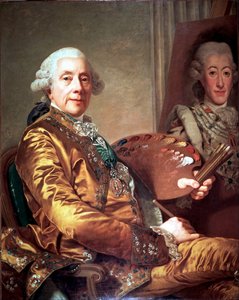
アレクサンダー・ロスリン
1718 - 1793
基本情報
- Artistic Movement Or Style: ロココ
- Artists Or Movements Influenced By This Artist: ['後世の肖像画家']
- Artists Who Influenced This Artist:
- イアサン・リゴ
- ニコラ・ド・ラルジリエール
- Date Of Birth: 1718年7月15日
- Date Of Death: 1793年
- Full Name: アレクサンダー・ロスリン
- Nationality: スウェーデン
- Notable Artworks:
- ジャンヌ・ソフィー・ド・ヴィニュエロ・デュ・プリス肖像画
- ルイ、ラ・ロシュフコー公爵肖像画
- ロスリンとマリー=スザンヌの二重肖像画
- Place Of Birth: スウェーデン、マルメ
関連記事
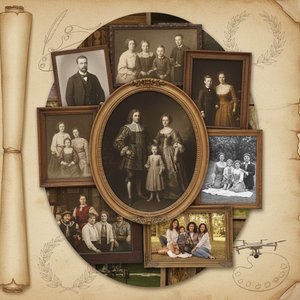
The Enduring Legacy of Family Portraiture: A Historical & Artistic Exploration
Explore the rich history of family portraiture with ArtsDot. Discover artistic styles, symbolism & collecting insights. Commission a custom oil painting or appraise your existing artwork today!

華麗なるロココ:芸術史を彩る10大傑作の世界
華麗なるロココ美術の世界へ。バロックから生まれた優雅な芸術、その10大傑作を徹底解説!ブーシェ、フロマンなど巨匠たちの技と物語を紐解き、お部屋を彩るアートを見つけよう。ArtsDot.comで至高の美術館品質レプリカとインテリアアイデアを発見。
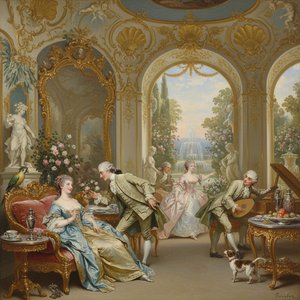
The Rococo Aesthetic: Opulence, Rebellion & the Pursuit of Pleasure in 18th-Century Art
Explore the opulent world of Rococo art! Discover its origins, key artists like Watteau & Boucher, and lasting influence on design. Expert insights for collectors & enthusiasts.
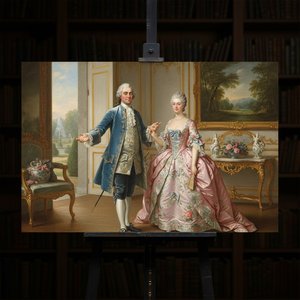
Charles-André van Loo: A Study in Rococo Portraiture & the French Court's Artistic Dynamics
Explore the elegant world of Charles-André van Loo, a master of Rococo portraiture at the French court. Discover his life, techniques, and enduring influence on 18th-century art. Hand-painted reproductions available.
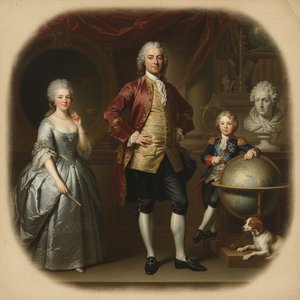
Reflecting Nobility & Nuance: 18th-Century Portraiture as a Window into Societal Values
Explore the world of 18th-century portraiture with ArtsDot. Discover symbolism, artistic innovation & societal values reflected in masterpieces by Reynolds, Hogarth & more. Expert insights for collectors.

