

 プレビュー
プレビュー
 シェアする
シェアする シェアする
シェアする
 詳細を見る
詳細を見る

 ダウンロード
 似ている作品
 X線調査
X線調査 スライドショー
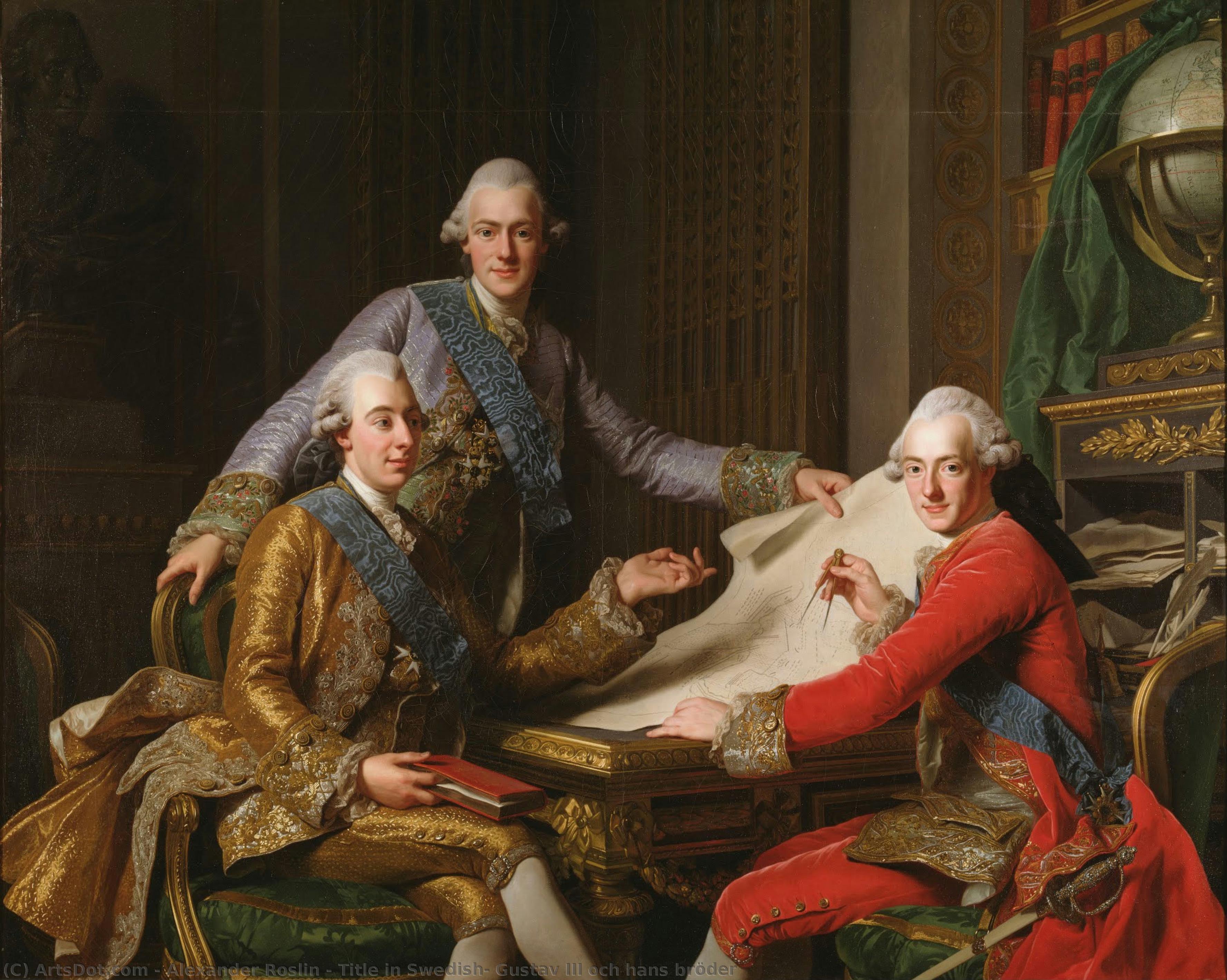
Title in Swedish: Gustav III och hans bröder
 Acrylic On Canvas
- WallArt
- Rococo Portraiture
 1771
1771 2030.0 x 1620.0 cm
 国立美術館
国立美術館
 詳細を見る
詳細を見る
ジークレー/アートプリント
迅速な制作と多彩な仕上げオプションを備えた、ミュージアムクオリティのジークレーまたはキャンバスプリント。 ( 手描きの絵画を購入 画像を購入)




P118B $10

P118H $10

P118W $10

P438Z $10

P508JH $12

P508YH $12

P805H $10

P805Z $10

P919BZ $10

P919G $10

P919XJ $10

P959ZH $10

P968JZ $12

W106C $8

W218G $10

W218JH $8

W218Y $10

W307PJ $10

W316G $10

W316PJ $8

W316Y $10

W398PJ $8

W4111J $10

W500HY $15

W500JH $15

W692G $12

W849H $8

W940BG $15

W953PJ $8




作品のオリジナル比率に合わせた、当店の規定サイズからお選びください。

特定のフレームやスペースに合わせて、ご自身でサイズを指定することも可能です。選択されたサイズが元の画像の比率と一致しない場合、作品をトリミングするか、鏡面反射または単色での塗りつぶしによって画像を拡張いたします。制作を開始する前に、ご確認用のデジタルモックアップをお送りいたします。
画面上のプレビューには、実際のトリミングや拡張は反映されませんのでご注意ください。最終的な構図を正確に確認できるのは、モックアップのみとなります。
カスタムサイズも承っておりますが、元の比率を維持するためには、あらかじめ用意されたリストからサイズを選択することをお勧めいたします。


 ガラスオプションは、110cm未満のサイズでのみご利用いただけます。

Title in Swedish: Gustav III och hans bröder
ジークレー/アートプリント
複製画のサイズ
-


合計金額
$ 62
作品詳細説明
A Royal Portrait in Crimson and Gold: Gustav III’s Ascendance
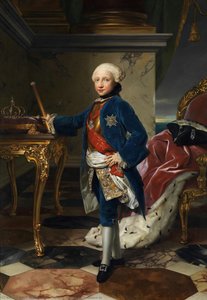
Alexander Roslin's “Title in Swedish: Gustav III och hans bröder” (King Gustav III and His Brothers) is more than just a portrait; it’s a meticulously crafted tableau of power, ambition, and the nascent drama of a nation on the cusp of transformation. Painted in 1771, during a pivotal moment in Swedish history, this work captures King Gustav III at the height of his youthful confidence, surrounded by the solemn presence of his brothers, Karl and Fredrik Adolf. The scene unfolds within a richly appointed chamber – a subtle nod to the grandeur of the royal court – suggesting both authority and an underlying sense of familial obligation. Roslin’s masterful use of color immediately draws the eye: deep crimson dominates the king's attire, symbolizing royalty, passion, and perhaps even a touch of calculated theatricality. The gold accents, lavishly applied across the fabrics and regalia, further amplify this impression of wealth and power, reflecting Gustav III’s efforts to elevate Sweden’s status on the European stage.
The Language of Symbolism: Armour, Allegory, and Revolution
Roslin doesn't simply depict a family portrait; he employs a complex system of symbolism that speaks volumes about Gustav III’s self-perception and his strategic maneuvering within the political landscape. The king’s choice to be rendered in full armour is particularly significant. It’s an archaic representation, reminiscent of classical heroes like Hercules – a deliberate allusion to the mythic ideal of strength, courage, and leadership. This heroic costume isn't merely decorative; it’s a carefully constructed image designed to project an aura of invincibility, mirroring Gustav III’s own ambition to reshape Sweden into a dominant force in Northern Europe. The gown strewn with crowns further reinforces this symbolic weight, signifying his claim to divine right and absolute authority. Interestingly, the portrait was subsequently recreated in revolutionary attire – a stark contrast to the archaic armour – reflecting the coup d'état of 1772 and the shifting political climate. This deliberate alteration, featuring a kerchief (a symbol of republicanism) highlights the king’s adaptability and his attempt to maintain control amidst growing dissent.
Technique and Detail: A Masterclass in Rococo Portraiture
Roslin's technical skill is undeniable. The painting exemplifies the height of Rococo portraiture, characterized by its delicate brushwork, luminous colors, and meticulous attention to detail. He expertly renders the textures of velvet, silk, and gold, creating a sense of tactile richness that invites the viewer to almost reach out and touch the fabrics. The faces are remarkably lifelike, capturing not only physical likeness but also subtle expressions of personality – a hint of regal composure in Gustav III’s gaze, a quiet dignity in his brothers' features. Note particularly the way Roslin captures the light reflecting off the jewels and fabrics; this is achieved through careful layering of glazes and highlights, creating an almost shimmering effect. The composition itself is carefully balanced, with each figure occupying a distinct space within the frame, contributing to the overall sense of order and formality.
Beyond the Canvas: Context and Legacy
"Title in Swedish: Gustav III och hans bröder" offers a fascinating glimpse into the political and cultural currents of 18th-century Sweden. Commissioned during a period of intense royal patronage, it reflects Gustav III’s efforts to consolidate his power and establish a new artistic identity for the nation. The painting's subsequent revisions – from archaic armour to revolutionary attire – underscore the king’s strategic use of symbolism and his ability to adapt to changing circumstances. Today, this work stands as a testament to Roslin’s genius and a valuable historical document, providing insights into the ambitions, anxieties, and artistic sensibilities of one of Sweden's most intriguing monarchs. Reproductions of this iconic portrait continue to resonate with collectors and art enthusiasts alike, offering a tangible connection to a pivotal moment in European history.
関連作品
アーティストの略歴
肖像画に捧げられた生涯:アレクサンダー・ローリンの世界
1718年、スウェーデンのマルメに生を受けたアレクサンダー・ローリンは、その時代の最も名高いロココ様式の肖像画家の一人としてその名を刻みました。海軍医師であった父の背中を見て育った彼は、当初、海軍の製図師という実務的な道を歩む運命にありました。しかし、若きアレクエンダーに宿っていた天賦の芸術的才能は、彼を瞬く間に異なる道へと導いていったのです。海軍提督ラース・エーレンビルによる初期の訓練は基礎的な技術を授けましたが、彼の情熱に真の火を灯し、美意識を形作ったのは、ストックホルムでのゲオルグ・エンゲルハルト・シュレーダーへの弟子入りでした。シュレーダーを通じて、ローリンはイアサン・リゴやニコラ・ド・ラルジリエールといった肖像画の巨匠たちの作品に触れることとなります。彼らの影響は、ローリン独自のスタイルという織物の中に、繊細かつ密やかに編み込まれていくことになりました。この形成期に培われたのは、単なる技術的な習熟だけではありません。貴族社会の様式美の中で、人物の個性や社会的地位を捉えきるという、深い洞察力でもあったのです。スウェーデンの始まりからパリでの栄光へ
ローリンの芸術的な旅路は、国境という枠組みに縛られることはありませんでした。スコーネ地方において地元の貴族たちの肖像を描き、自身の地位を確立した後――その初期の作品には、師シュレーダーから受け継いだ伝統的な硬さがまだ見受けられましたが――彼はさらなる探求と旅へと踏み出します。バイロイトのブランデンブルク=クルムバッハ辺境伯フリードリヒからの招聘は、彼をイタリアへと導きました。そこで彼はルネサンスやバロックの巨匠たちの研究に没頭し、その経験は彼の芸術的視野を広げるとともに、パルマ公爵に関連する有力な家系を描き出す力を磨き上げました。しかし、最終的にローリンの安住の地となり、成功の震源地となったのはパリでした。1752年にパリに定住すると、彼は瞬く間に芸術界へと駆け上がります。古典主義的な洗練と、ロココ時代特有の鮮やかな色彩や遊び心のある優雅さを見事に融合させたそのスタイルは、大きな称賛を浴びました。フランス王立絵画アカデミーへの入会は、貴族や社交界のエリートたちがこぞって彼を求める、一流肖像画家としての地位を不動のものにしました。その後、1774年から1778年にかけてのヨーロッパ・グランドツアーでは、ストックホルム、ウィーン、サンクトペテルブルクを巡り、大陸全土へとパトロンのネットワークを広げていきました。しかし、1778年にパリへ戻った頃には、彼の健康には衰えが見え始めていました。それは、フランス革命という政治的激動が、豪華絢爛な貴族肖像画への需要を終焉へと向かわせる時期とも重なっていたのです。質感の魔術師と心理的洞察
ローリンの芸術的卓越性は、単に人物の容貌を忠実に再現する能力に留まらず、質感や素材を息を呑むようなリアリズムで描き出す、類まれな技術にありました。シルク、ベルベット、サテンといった豪華な布地、煌めく宝石、そして繊細なレース――それら一つひとつのディテールが、贅沢さと洗練を感じさせるために緻密に描き込まれています。しかし、単なる技術的な技巧を超えて、ローリンには被写体の内面的な性格を捉える驚くべき才能が備わっていました。彼の肖像画は、単なる外見の記録ではありませんでした。それは、個人のパーソナリティや社会的地位、さらには一瞬の感情までも明らかにしようとする試みだったのです。この心理的な深みが、卓越した技法と結びつくことで、同時代の多くの画家たちから彼を際立たせました。彼は単に衣服や顔を描いていたのではなく、そこに宿る人物たちの物語を紡ぎ出していたのです。そのスタイルは、古典主義の厳格さとロココの軽妙さの絶妙なバランスとして語られることが多く、威厳と親しみやすさを兼ね備えた肖像を生み出しました。構図やポーズにはリゴやラルジリエールの影響が見て取れますが、ローリンはそこに独自の感性を吹き込み、色彩と筆致において独自の境地を切り拓きました。晩年の作品にはオランダ的な色彩表現への移行も見られ、健康の衰えの中でも進化し続ける芸術的ヴィジョンを感じさせます。遺産と永遠の魅力
アレクラン・ローリンが遺したレガシーは、18世紀の貴族肖像画という枠組みを遥かに超えて広がっています。彼の作品は現在、ルーヴル美術館やナショナル・ギャラリーをはじめ、世界中の主要な美術館に収蔵されており、その芸術的価値と歴史的重要性を物語っています。2006年に『エグモント・ピニャテッリ伯爵夫人ジャンヌ・ソフィー・ド・ヴィニュェロ・デュ・プレシス肖像』が300万ドルで落札されたことは、コレクターや芸術愛好家の間で今なお彼の作品への需要が高いことを証明しています。また、ジャン=バティスト・グルーズを抑えて賞を獲得した『ラ・ロシュフコー公ルイ肖像』は、パリの芸術界における彼の地位を決定的なものにしました。おそらく最も心を打つ作品の一つは、1767年の『アレクサンダー・ローリンとマリー=スザンヌ・ローリンの二連肖像』でしょう。画家自身と、優れたパステル画家であった妻マリー=スザンヌ・ジルーとの親密な姿を描いたこの作品は、二人の芸術的な協力関係を示すだけでなく、彼らの個人的な絆をも垣間見せてくれます。18世紀のヨーロッパにおいて、スウェーデンが生んだ最も名高い芸術家の一人と目されたローリンは、様式の境界を乗り越え、国際的な評価を勝ち取りました。細部への執拗なまでのこだわり、人物の本質を捉える力、そして卓越した技法は、今なお肖像画家たちにインスピレーションを与え続けています。彼は、ロココ時代の優雅さ、洗練、そして知的好奇心を体現する、美術史における極めて重要な人物であり続けているのです。彼の作品は、過ぎ去りし時代への窓であり、18世紀のヨーロッパを形作った人々の生活と感性に触れる貴重な手がかりなのです。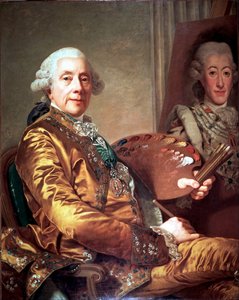
アレクサンダー・ロスリン
1718 - 1793
基本情報
- Artistic Movement Or Style: ロココ
- Artists Or Movements Influenced By This Artist: ['後世の肖像画家']
- Artists Who Influenced This Artist:
- イアサン・リゴ
- ニコラ・ド・ラルジリエール
- Date Of Birth: 1718年7月15日
- Date Of Death: 1793年
- Full Name: アレクサンダー・ロスリン
- Nationality: スウェーデン
- Notable Artworks:
- ジャンヌ・ソフィー・ド・ヴィニュエロ・デュ・プリス肖像画
- ルイ、ラ・ロシュフコー公爵肖像画
- ロスリンとマリー=スザンヌの二重肖像画
- Place Of Birth: スウェーデン、マルメ
関連記事

グスタフ・クリムト傑作25選:華麗なる装飾性と象徴が織りなす世界 | ArtsDot
グスタフ・クリムトの傑作25選。華麗なる装飾性と象徴が織りなす世界を紐解きます。キス、ポートレートなど、美術史に残る名画の物語と技法をArtsDotで。高品質複製画やインテリアアートも豊富に。今すぐコレクションをご覧ください。

バロックのドラマ:現代のインテリアに壮麗さと情感を取り込む
バロック様式の歴史、絵画、家具の魅力をご紹介。ArtsDotでは、高品質な油絵複製やカスタムポートレートをご提供し、現代のインテリアに壮麗さと情感を取り入れます。アートコンサルテーションも承ります。

The Dramatic Flourish: Exploring the Baroque Movement's Enduring Legacy in Art History
Explore the dramatic world of Baroque art! Discover iconic artists like Caravaggio & Rubens, defining techniques, and its lasting impact on art history. Expert insights for collectors & enthusiasts at ArtsDot.

バロック美術を極めた至宝:時代を彩る10大名作の世界
バロック美術の華!カラヴァッジョ、ベルニーニら巨匠が創り上げた10大名作を徹底解剖。ドラマチックな色彩と豪華絢爛の世界観に触れ、至宝のアートプリントで空間を彩ろう。ArtsDot.comで美術館品質の複製と洗練されたインテリアを見つけましょう!

Theatricality & Triumph: Baroque Drama in Painting & Sculpture
Explore the dramatic world of Baroque art! Discover its history, defining characteristics, & lasting influence on painting & sculpture. Expert insights into Caravaggio, Zurbarán, and Bernini – plus high-quality reproductions at ArtsDot.

