

 プレビュー
プレビュー
 プリントを購入
 シェアする
シェアする シェアする
シェアする
 詳細を見る
詳細を見る

 ダウンロード
 似ている作品
 X線調査
X線調査 スライドショー
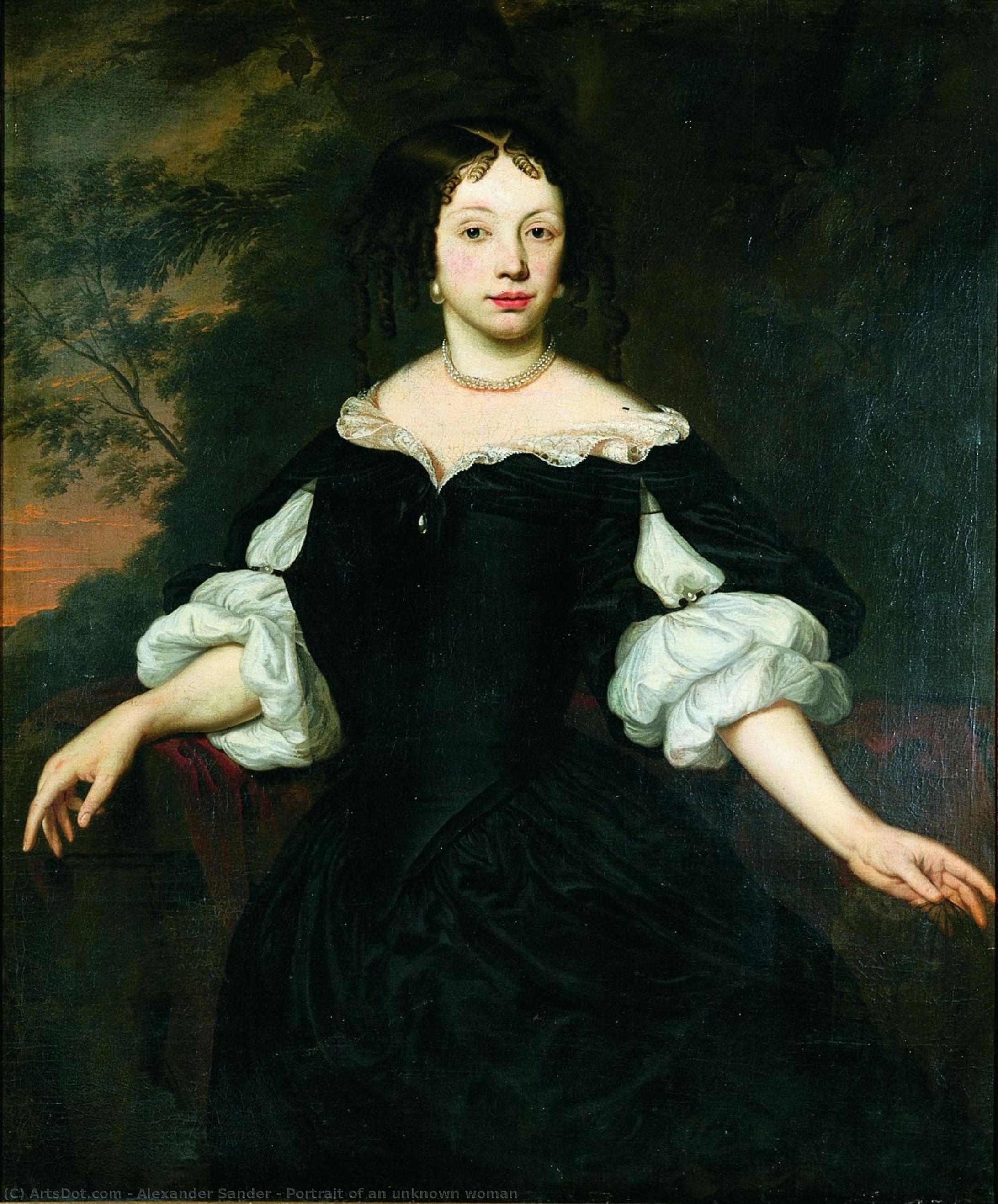
Portrait of an unknown woman
 1670
1670 122.0 x 102.0 cm
 Böttcherstraße Museums
 詳細を見る
詳細を見る




































作品のオリジナル比率に合わせた、当店の規定サイズからお選びください。

特定のフレームやスペースに合わせて、ご希望のサイズをご入力いただけます。選択されたサイズが元の画像の比率と異なる場合、アートワークをトリミングするか、手描きで要素を追加して絵画を拡張いたします。デジタルモックアップ を制作し、制作開始前にご確認(承認)をいただきます。
画面上のプレビューは、実際のトリミングや拡張を正確に反映しているものではありません。最終的な構図は、モックアップによってのみ正確にご確認いただけます。
カスタムサイズもご利用いただけますが、元の比率を維持するためには、あらかじめ用意されたリストからサイズを選択することをお勧めいたします。
ご注文後、ArtsDot.com チームより詳細な指示をお送りするとともに、仕上がりイメージ(モックアップ)をご提供いたします。


 ガラスオプションは、110cm未満のサイズでのみご利用いただけます。

Portrait of an unknown woman
複製技法
複製画のサイズ
-


合計金額
$ 263
関連作品








アーティストの略歴
Mary Stevenson Cassatt: A Pioneer of Modern Portraiture
Born in Allegheny City, Pennsylvania, in 1844, Mary Stevenson Cassatt’s life was a testament to artistic ambition and a quiet revolution within the established art world. Her early years were marked by a privileged upbringing, nurtured by supportive parents who recognized her innate talent and encouraged her pursuit of painting—a rare opportunity for women at the time. Unlike many artists of her era, Cassatt wasn't initially destined for a career in art; her family’s background in finance and land speculation provided a comfortable foundation, yet she fiercely resisted societal expectations that confined women to domestic roles. Her initial studies at the Pennsylvania Academy of the Fine Arts proved somewhat conventional, but it was her relocation to Paris in 1867—a pivotal decision driven by a desire for artistic freedom and exposure to European artistic trends—that truly shaped her trajectory.
Paris became Cassatt’s creative sanctuary. She immersed herself in the vibrant art scene, initially studying under Jean-Léon Gérôme, a respected academic painter, before seeking out the guidance of Édouard Frère and Paul Soyer, artists associated with the studio of the renowned sculptor, Alexandre Barye. Crucially, she developed a close friendship with Edgar Degas, a relationship that profoundly influenced her artistic development. Degas, recognizing Cassatt’s unique perspective and technical skill, became a mentor, offering invaluable critiques and encouraging her to explore new approaches to composition and color. This connection was not merely professional; it fostered a shared intellectual curiosity and a mutual respect for the unconventional.
Cassatt's artistic style evolved significantly over her career. Initially influenced by academic traditions—particularly in her early portraits of family members—she gradually embraced the Impressionist movement, adopting its emphasis on capturing fleeting moments of light and atmosphere. However, unlike many of her male contemporaries within the group, Cassatt never fully abandoned her own distinct voice. Her paintings often depicted intimate scenes of women’s lives – mothers with their children, ballerinas in rehearsal, and quiet domestic moments—with a remarkable sensitivity to psychological nuance and emotional depth. She was particularly fascinated by the complexities of motherhood, portraying the bond between mother and child with an honesty and tenderness rarely seen in art of that era. Her work wasn't simply about depicting these subjects; it was about exploring their inner lives, capturing their vulnerability and strength.
The Influence of Old Masters and Printmaking
Cassatt’s artistic journey was deeply informed by a rigorous study of the Old Masters—particularly Correggio and Parmigianino in Parma—and the works of Rubens and Hals. Her time spent meticulously copying these masterpieces honed her technical skills, refining her understanding of composition, color theory, and anatomical accuracy. This dedication to studying the past wasn’t about imitation; it was a deliberate effort to build a strong foundation upon which she could construct her own unique artistic vision. She sought to understand the principles that had guided generations of great artists before her.
Furthermore, Cassatt became a skilled printmaker, mastering techniques such as etching and drypoint. Printmaking offered her a new medium for exploring themes and ideas—allowing her to create multiple impressions of a single image, experimenting with different tonal values and textures. Her prints often served as studies for paintings, providing a way to develop compositions and refine her color palettes before committing them to canvas. The process of printmaking also demanded a level of precision and control that further sharpened her artistic skills.
Themes of Domesticity and Modern Womanhood
Cassatt’s oeuvre is overwhelmingly focused on the lives of women, particularly within the domestic sphere. She eschewed the grand historical narratives favored by many male artists of her time, instead choosing to depict scenes of everyday life—a mother nursing her child, a woman reading a letter, a ballerina preparing for a performance. These seemingly simple subjects were imbued with profound meaning, reflecting Cassatt’s interest in exploring the complexities of female identity and the challenges faced by women in a rapidly changing society.
Her depictions of motherhood are particularly noteworthy. Unlike idealized portrayals of maternal virtue, Cassatt presented mothers as complex individuals—frail yet resilient, loving yet sometimes weary. She captured the quiet dignity and strength of these women, acknowledging their roles as caregivers and nurturers while also recognizing their own desires and aspirations. She wasn’t simply painting “maternal scenes”; she was offering a nuanced portrait of modern womanhood – a subject largely absent from mainstream art at the time.
Legacy and Historical Significance
Mary Stevenson Cassatt's contribution to the art world is often understated, yet profoundly significant. As one of the few American women to achieve international recognition as an artist during her era, she challenged conventional notions of femininity and artistic expression. Her unwavering commitment to her own vision—a blend of academic rigor and Impressionistic sensibility—established a unique and enduring style.
Cassatt’s influence extended beyond her own paintings. She was a generous patron of the arts, supporting other artists and advocating for greater opportunities for women in the creative fields. Her work continues to resonate with viewers today, offering a poignant glimpse into the lives of women during a period of profound social and cultural transformation. She left behind a body of work that is both deeply personal and universally relatable—a testament to her artistic talent, intellectual curiosity, and unwavering spirit.
alexander sander
1926 - 1988 , Austria
基本情報
- Artistic Movement Or Style: Impressionism
- Artists Or Movements Influenced By This Artist: ['Impressionists']
- Artists Who Influenced This Artist:
- Degas
- Manet
- Date Of Birth: May 22, 1844
- Date Of Death: June 14, 1926
- Full Name: Mary Stevenson Cassatt
- Nationality: American
- Notable Artworks:
- The Mandolin Player
- Little Girl in a Blue Armchair
- Mother and Child
- Place Of Birth: Allegheny City, PA