

 プレビュー
プレビュー
 シェアする
シェアする シェアする
シェアする
 詳細を見る
詳細を見る

 ダウンロード
 似ている作品
 X線調査
X線調査 スライドショー
 統計情報
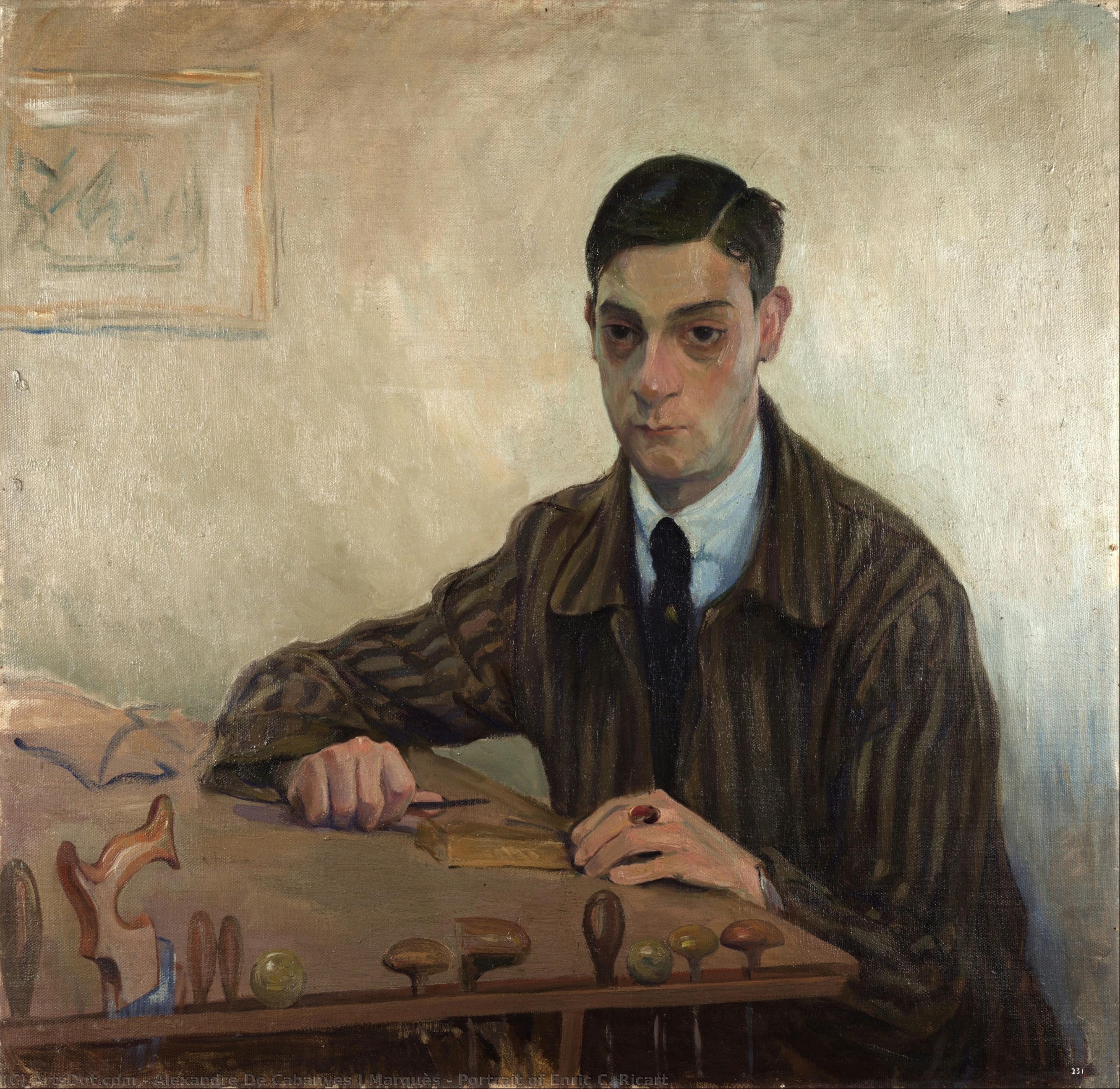
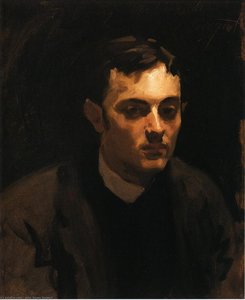
統計情報Portrait of Enric C. Ricart


 詳細を見る
詳細を見る
手描き油彩複製画
当社のアーティストが、お客様のご希望のサイズと額縁に合わせて、キャンバスに手描きで制作する油彩画です。 ( プリント版に切り替え デジタル画像販売へ切り替え)




P118B $10

P118H $10

P118W $10

P438Z $10

P508JH $12

P508YH $12

P805H $10

P805Z $10

P919BZ $10

P919G $10

P919XJ $10

P959ZH $10

P968JZ $12

W106C $8

W218G $10

W218JH $8

W218Y $10

W307PJ $10

W316G $10

W316PJ $8

W316Y $10

W398PJ $8

W4111J $10

W500HY $15

W500JH $15

W692G $12

W849H $8

W940BG $15

W953PJ $8




作品のオリジナル比率に合わせた、当店の規定サイズからお選びください。

特定のフレームやスペースに合わせて、ご希望のサイズをご入力いただけます。選択されたサイズが元の画像の比率と異なる場合、アートワークをトリミングするか、手描きで要素を追加して絵画を拡張いたします。デジタルモックアップ を制作し、制作開始前にご確認(承認)をいただきます。
画面上のプレビューは、実際のトリミングや拡張を正確に反映しているものではありません。最終的な構図は、モックアップによってのみ正確にご確認いただけます。
カスタムサイズもご利用いただけますが、元の比率を維持するためには、あらかじめ用意されたリストからサイズを選択することをお勧めいたします。
ご注文後、ArtsDot.com チームより詳細な指示をお送りするとともに、仕上がりイメージ(モックアップ)をご提供いたします。


 ガラスオプションは、110cm未満のサイズでのみご利用いただけます。

Portrait of Enric C. Ricart
複製技法
複製画のサイズ
-


合計金額
$ 263
A Glimpse into the Soul of Catalonia
In the quiet, dignified strokes of Portrait of Enric C. Ricart, we encounter more than just a likeness; we enter a moment frozen in the amber of 1920. Alexandre de Cabanyes i Marquès, a master whose name is synonymous with the luminous spirit of the Catalan Landscape School, pivots here from his celebrated seascapes to the intimate realm of portraiture. The subject, Enric C. Ricart, sits before us with a gaze that is both piercing and profoundly composed. Clad in the formal elegance of a suit and tie, he embodies the intellectual and social gravity of his era. There is a palpable stillness in the composition, a sense of a man caught in a moment of deep reflection, inviting the viewer to wonder about the thoughts swirling beneath his serious expression.
The artist’s mastery of light—a hallmark of his training under Josep Sugrañes i Florit—is subtly redirected from the sun-drenched Mediterranean shores to the controlled, indoor atmosphere of this study. While Cabanyes is renowned for capturing the shimmering dance of waves, here he uses light to sculpt the contours of a human face and to breathe life into the still-life elements surrounding his subject. The interplay of shadow and soft illumination creates a tactile reality, making the textures of the fabric, the porcelain of the cup, and the metallic glint of the knives feel almost within reach.
The Art of Stillness and Symbolism
Beyond the central figure, the arrangement of objects on the table serves as a silent narrative, enriching the portrait with layers of symbolic depth. The presence of a book suggests a life of intellect and cultivation, while the humble cup and bowl ground the scene in the domestic and the everyday. These elements act as anchors, providing a sense of stability and permanence to the composition. Even the inclusion of the knives introduces a subtle tension—a sharp, metallic contrast to the soft textures of the room—reminding us of the fleeting nature of time and the sharpness of reality that exists even within moments of quietude.
For the discerning collector or interior designer, this piece offers an unparalleled opportunity to introduce a sense of historical weight and sophisticated calm into a living space. The painting does not merely decorate a wall; it commands a room, acting as a window into the early 20th-century European zeitgeist. Its muted yet rich palette is incredibly versatile, harmonizing beautifully with both classical, traditional settings and modern, minimalist interiors that crave a touch of soulful, old-world character.
A Timeless Legacy for the Modern Collector
Owning a reproduction of such a significant work allows one to participate in the enduring legacy of Catalan art. The Portrait of Enric C. Ricart is a testament to the ability of fine art to bridge the gap between centuries, offering an emotional resonance that remains undiminished by time. As you contemplate this piece, you are not just looking at a man from 1920; you are experiencing the meticulous technique and the profound human connection that Cabanyes i Marquès dedicated his life to achieving.
Whether you are seeking a centerpiece for a grand gallery wall or a quiet focal point for a private study, this work provides an atmosphere of prestige and intellectual depth. It is an invitation to slow down, to observe the fine details of history, and to surround yourself with the luminous beauty that defines the very essence of Spanish masterworks.
関連作品


アーティストの略歴
A Luminosity Born of Catalonia: The Artistry of Alexandre de Cabanyes i Marquès
Alexandre de Cabanyes i Marquès (1877–1972) stands as a pivotal figure in Catalan landscape painting, embodying the spirit of optimism and vibrant color that characterized the golden age of Spanish artistic expression. Born in Barcelona, he possessed an unwavering passion for capturing the beauty of his surroundings—particularly the shimmering expanse of the Mediterranean Sea. This fascination profoundly shaped his oeuvre and cemented his place within the influential Catalan Landscape School. His journey was one of both local roots and international refinement, beginning under the meticulous tutelage of Josep Sugrañes i Florit, who instilled in him a foundational understanding of technique and a deep appreciation for naturalistic observation. The artist's development was further enriched by his formative period in Paris, where he absorbed the stylistic innovations of Xavier Nogués and encountered the breathtaking light-capturing techniques of Joaquín Sorolla. This exposure allowed Cabanyes to master the art of rendering fleeting moments of brilliance, a skill that would become a hallmark of his work. His training at the Escuela de la Lonja in Barcelona and the Círculo Artístico de San Lucas provided him with a rigorous academic base, yet it was his ability to blend this discipline with the impressionistic freedom found in the great European capitals that truly defined his voice.The Dance of Light and Sea
Cabanyes' distinctive style is instantly recognizable through its luminous palette, dominated by blues, greens, and yellows that skillfully render the ethereal quality of coastal vistas. He eschewed grand, dramatic narratives in favor of serene scenes populated with figures immersed in everyday life, subtly interwoven into the landscape itself. This humanist sensibility creates paintings that resonate with warmth and immediacy, much like a quiet memory of a summer afternoon. His technique involved a sophisticated layering process, building up tonal values gradually to achieve remarkable depth and a sense of breathing light within the canvas. His brushwork, often described as loose yet controlled, enhances the impression of movement and vitality, mirroring the ceaseless rhythm of the sea he loved so dearly. While he is most celebrated for his sun-drenched marinas and seascapes, Cabanyes also demonstrated a profound mastery of other genres. In his portraiture, such as the dignified Portrait of Enric C. Ricart, he redirected his mastery of light from the Mediterranean shores to the controlled, intimate atmosphere of indoor studies. Here, he used soft illumination to sculpt human features and breathe life into still-life elements, creating a tactile reality where the texture of fabric and the glint of metal feel almost within reach.Legacy and Historical Significance
The historical significance of Alexandre de Cabanyes i Marquès lies in his ability to capture the soul of Catalonia through a lens of modernism and light. As an active participant in the vibrant cultural life of Barcelona, he was a regular at the legendary Els Quatre Gats, a nexus for the city's most influential modernist thinkers and artists. His career spanned nearly a century, allowing him to witness and contribute to the evolution of Spanish art from the late 19th century through much of the 20th. His achievements were recognized far beyond the borders of Spain, notably through his participation in international exhibitions such as the 1913 Exposición de Artistas Catalanes in Montevideo. Today, his work remains a testament to a period of profound artistic optimism. Through his canvases, we continue to experience:- The atmospheric perspective that conveys the vastness and majesty of the Mediterranean coast.
- A masterful use of color that celebrates the natural brilliance of the Catalan landscape.
- A seamless integration of human presence within the natural world, reflecting a peaceful coexistence.
- A lasting influence on the tradition of Spanish landscape painting, bridging the gap between academic precision and impressionistic light.
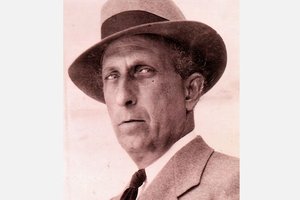
alexandre de cabanyes i marquès
1877 - 1972 , Spain
基本情報
- Artistic Movement Or Style: Landscape painting; Marina paintings
- Artists Or Movements Influenced By This Artist: Joaquín Sorolla y Bastida
- Artists Who Influenced This Artist: Josep Sugrañes i Florit
- Date Of Birth: Barcelona, Spain (1877)
- Date Of Death: Vilanova i la Geltrú (1972)
- Full Name: Alexandre de Cabanyes i Marquès
- Nationality: Spanish
- Notable Artworks: ['Portrait of Enric C. Ricart']
- Place Of Birth: Barcelona
関連記事
レオナルド・ダ・ヴィンチ:至高の25選 - 芸術、科学、そして不朽の名作の世界
レオナルド・ダ・ヴィンチの至宝25選。モナリザ、最後の晩餐…ルネサンス美術を代表する名画の世界へ。芸術史、技法、そして感動の物語を紐解き、お部屋に飾る高級複製画で特別な空間を。ArtsDot.comで全コレクションをご覧ください。
Illuminating Faith & Power: A Journey Through Medieval Art (c. 500 – c. 1500)
Explore the rich history of Medieval Art (c. 500 – c. 1500) with ArtsDot. Discover Byzantine mosaics, Gothic cathedrals & Renaissance masterpieces. Expert insights & museum-quality reproductions.
ナショナル・ギャラリーの至宝25選:名画が語る芸術と歴史 | ArtsDot
ワシントン美術館の至宝25選。セザンヌ、マティス、ピカソ…名画に秘められた物語と色彩を紐解きます。ArtsDotで高品質な絵画複製やインテリアアートを見つけ、お部屋に芸術の輝きを。今すぐコレクションをご覧ください!
C.R.W. Nevinson: A Vorticist Vision of War & Modernity
Explore the powerful art of C.R.W. Nevinson, a key British Vorticist painter. Discover his impactful depictions of WWI and evolution beyond Futurism. Expert analysis & high-quality reproductions at ArtsDot.

Etching Masters: 10 Legendary Prints That Revolutionized Art | ArtsDot
Journey through 10 legendary etching masterpieces by Rembrandt, Dürer & Goya. Explore the history of printmaking and discover timeless art for your home. Find museum-quality reproductions at ArtsDot.com.