

 プレビュー
プレビュー
 プリントを購入
 シェアする
シェアする シェアする
シェアする
 詳細を見る
詳細を見る

 ダウンロード
 似ている作品
 X線調査
X線調査 スライドショー
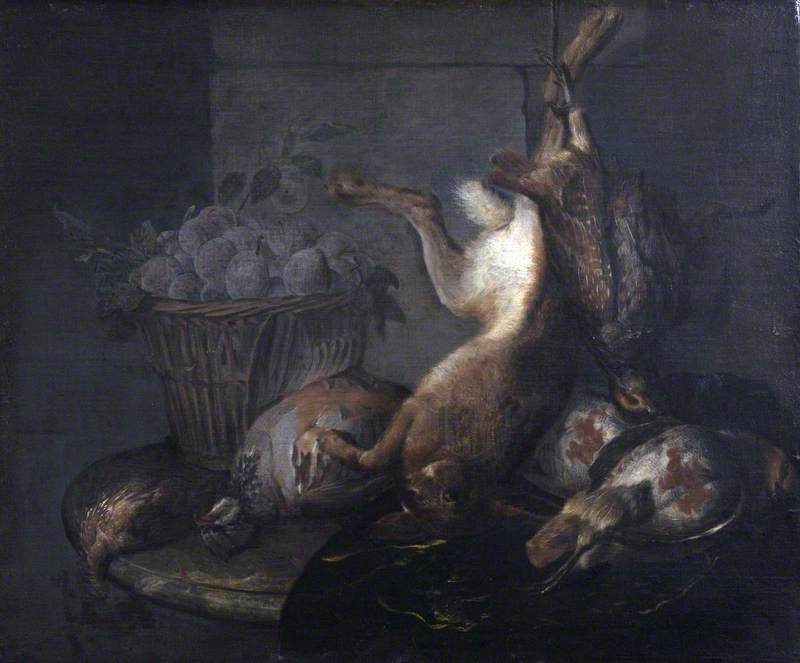
Still Life with Dead Game
 Oil On Canvas
- WallArt
- Baroque
 1714
1714- Renaissance
 65.0 x 80.0 cm
 National Trust
 詳細を見る
詳細を見る




P118B $10

P118H $10

P118W $10

P438Z $10

P508JH $12

P508YH $12

P805H $10

P805Z $10

P919BZ $10

P919G $10

P919XJ $10

P959ZH $10

P968JZ $12

W106C $8

W218G $10

W218JH $8

W218Y $10

W307PJ $10

W316G $10

W316PJ $8

W316Y $10

W398PJ $8

W4111J $10

W500HY $15

W500JH $15

W692G $12

W849H $8

W940BG $15

W953PJ $8




作品のオリジナル比率に合わせた、当店の規定サイズからお選びください。

特定のフレームやスペースに合わせて、ご希望のサイズをご入力いただけます。選択されたサイズが元の画像の比率と異なる場合、アートワークをトリミングするか、手描きで要素を追加して絵画を拡張いたします。デジタルモックアップ を制作し、制作開始前にご確認(承認)をいただきます。
画面上のプレビューは、実際のトリミングや拡張を正確に反映しているものではありません。最終的な構図は、モックアップによってのみ正確にご確認いただけます。
カスタムサイズもご利用いただけますが、元の比率を維持するためには、あらかじめ用意されたリストからサイズを選択することをお勧めいたします。
ご注文後、ArtsDot.com チームより詳細な指示をお送りするとともに、仕上がりイメージ(モックアップ)をご提供いたします。


 ガラスオプションは、110cm未満のサイズでのみご利用いただけます。

Still Life with Dead Game
複製技法
複製画のサイズ
-


合計金額
$ 263
作品解説
A Masterpiece of Natural Vitality
In the quiet, shadowed depths of Alexandre François Desportes’ 1714 masterpiece, Still Life with Dead Game, one finds a profound dialogue between life and its inevitable conclusion. This exquisite oil on canvas, measuring 65 x 80 cm, serves as a breathtaking window into the early 18th-century French aesthetic, where the boundaries between the wild natural world and the refined aristocratic lifestyle blurred seamlessly. At the heart of the composition sits a bountiful basket, overflowing with the spoils of the hunt—a collection of birds and rabbits rendered with such startling realism that they seem to pulse with a lingering energy. Desportes, often celebrated as the "Painter of Royal Hunts," does not merely present a collection of objects; he orchestrates a dramatic tableau that captures the very essence of the era's obsession with the ritualistic beauty of the chase.
The technical brilliance of this work lies in Desportes’ unparalleled ability to manipulate light and texture. The artist employs a chiaroscuro-like technique, utilizing a dark, atmospheric background to push the subjects forward into the viewer's immediate space. This stark contrast serves a dual purpose: it isolates the vibrant plumage of the birds and the soft, tactile fur of the rabbits, while simultaneously creating a sense of theatrical intimacy. Every brushstroke is a testament to his mastery, from the delicate sheen on a feather to the subtle weight of the animals nestled within the woven basket. The composition, though centered and balanced, avoids the stagnation often found in traditional still lifes; instead, through the dynamic arrangement of limbs and wings, Desportes infuses the scene with a rhythmic movement that defies the stillness of the subject matter.
Symbolism and the Elegance of the Hunt
Beyond its surface beauty, Still Life with Dead Game carries deep historical and symbolic resonance. During the reign of the French monarchy, the hunt was far more than a means of sustenance; it was a highly choreographed display of power, status, and nobility. By depicting these animals with such meticulous dignity, Desportes elevates the "dead game" from mere food to symbols of aristocratic prowess. There is a poignant tension held within the frame—a celebration of the abundance provided by nature, juxtaposed against the somber reality of mortality. For the modern collector or interior designer, this painting offers a sophisticated layer of storytelling, bringing a sense of classical grandeur and intellectual depth to any curated space.
For those looking to integrate such timeless elegance into a contemporary setting, a high-quality reproduction of this work provides an unparalleled opportunity. The painting’s ability to anchor a room with its rich, earthy tones and dramatic lighting makes it an ideal centerpiece for a study, a formal dining room, or a gallery-style hallway. It evokes a sense of heritage and a connection to the opulent traditions of the French court, offering an emotional resonance that transcends time. To possess such a piece is to invite the quiet, powerful drama of the 18th century into the modern home, celebrating the enduring allure of the natural world through the lens of a true master.
関連作品
アーティストの略歴
アレクサンドル・フランソワ・デスポルト:王室狩猟の画家
1661年、アルデンヌ地方に生まれたアレクサンドル・フランソワ・デスポルトは、18世紀美術において特異な存在として台頭しました。動物画と装飾デザインの巨匠であり、その作品はフランス王室の華麗な世界を垣間見せてくれます。彼の人生は、恵まれた生い立ち、アントウェルペの伝統に根ざしたフランドルの画家との初期の訓練、そして自然界、特に王室狩猟の儀式と美学に対する深い関心という複合的な要因によって形作られました。
デスポルトの芸術的旅程は控えめな始まりでした。12歳でパリに送られ、著名なフランク・スナイデルスの弟子であるニカシウス・ベルナールトのもとで肖像画の技術を磨きました。しかし、1695年から1696年のポーランドへの短い滞在中に、ヤン3世ソビエスキ王のために肖像画を描いたことが転機となり、狩猟に関わる動物、特にそれらに生涯の情熱を注ぐことになりました。この出会いは彼の芸術的焦点を大きく変え、フランスに戻った彼はこの魅力的な主題に特化することを決意しました。
王室の庇護と新たな芸術的方向性
パリに戻ったデスポルトはすぐにフランス宮廷で求められる画家としての地位を確立しました。1699年に絵画彫刻アカデミーに入会し、芸術界における彼の地位が確固たるものとなりました。何よりも重要なのは、ルイ14世とルイ15世の両方から依頼を受け、そのお気に入りの猟犬を描くという特権を得たことです。これらの肖像画は単なる表現ではありませんでした。それは王の地位、自然とのつながり、そして王室狩猟の壮大さを反映した慎重に構成された物語でした。
デスポルトの役割は単純な肖像画にとどまりませんでした。彼はヴェルサイユ宮殿、マリー宮殿、ムードン宮殿、コンピエーニュ宮殿、ショワジー宮殿など、フランスで最も壮麗な城のいくつかのために精巧な装飾パネルを作成するよう命じられました。それぞれの作品は独特の建築様式を反映し、芸術家の多様性を示しています。1742年にルイ15世から依頼を受けたショワジー宮殿での彼の仕事は、特に重要な例であり、王室宮廷の豪華な内装に関する貴重な洞察を提供しています。彼はまた、シャンティイ宮殿でデュック・ド・ブルボンのために装飾画も制作し、多様なパトロンや環境に適応する能力を示しました。
独自の表現:風景研究と静物
デスポルトを同時代の人々と区別したのは、革新的な構成へのアプローチでした。多くの芸術家が記憶や理想化された表現に頼っていたのに対し、デスポルトは自然界を*現場で*注意深く研究しました。彼は王室狩猟中に小さなスケッチブックを持ち歩き、動物の動き、光と影の戯れ、そして周囲の風景を直接観察してスケッチしました。これらの要素は後に彼の完成した絵画に影響を与えました。この直接的な観察へのコミットメントは当時の革命的なものでした。
彼の絵画は頻繁に、フランス宮廷の贅沢な食事習慣を反映した銀食器の細心の静物と組み合わされていました。これらの配置は単なる装飾ではありませんでした。それは視覚的な記録であり、ルイ14世時代の失われた富と贅沢を垣間見せてくれます。これらの精巧な銀食器の設定が含まれていることは、この時代の人々の物質文化を再構築しようとする歴史家にとって非常に貴重であることが証明されています。
タペストリーのカートゥーンと永続的な遺産
デスポルトの影響力は絵画を超えて、サヴォナリー工房やゴブラン工房で制作されたタペストリーのためのカートゥーンを作成することにも及びました。彼の「ヌーヴェル・インド」のデザインは、8つの壮大なタペストリーがゴブランで織られたものであり、最も有名な業績の1つです。これらの作品は構成、色彩、細部への熟練度を示しており、芸術家がタペストリー織りの複雑なパターンに巧みに翻訳したスキルを証明しています。
デスポルトは1743年にスタジオで多くの動物や植物の研究と、ヤン・ファイトによる狐狩猟のスケッチを残しました。彼の甥であるニコラ・デスポルトは、彼が確立した芸術的伝統を発展させ、彼の遺産が永続することを保証しました。セーヴル磁器製造所での画家モデルのための資源としてコンテ・ダンジヴィレがこれらの資源を獲得したことは、デスポルトの顕著な適応性と世代を超えてアーティストにインスピレーションを与える能力をさらに確固たるものとしました。
主な特徴と影響
デスポルトのアートは、細心の注意を払ったディテール、劇的な照明、そして動物の行動に対する深い理解によって特徴付けられています。彼の構成はしばしばダイナミックで魅力的であり、狩猟のエネルギーと興奮をとらえています。彼はフランドルの芸術的伝統と自身の革新的な風景研究を巧みに融合させ、視覚的に見事で歴史的に重要な作品を生み出しました。彼の作品は今日でも美術史家やコレクターによって研究されており、18世紀フランス王室の世界とアレクサンドル・フランソワ・デスポルトの芸術性に関する貴重な洞察を提供しています。
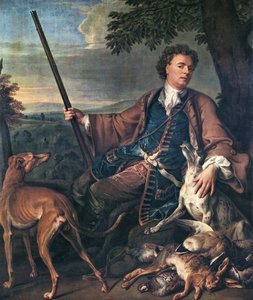
アレクサンドル・フランソワ・デポール
1661 - 1743 , フランス
基本情報
- Artistic Movement Or Style: アニマリエ、バロック
- Artists Or Movements Influenced By This Artist:
- ウードリー
- バロック絵画
- Artists Who Influenced This Artist:
- ニコラシウス・ベルナール
- フランツ・スナイデルス
- Date Of Birth: 1661年2月24日
- Date Of Death: 1743年4月20日
- Full Name: アレクサンドル・フランソワ・デポール
- Nationality: フランス人
- Notable Artworks:
- 自画像(狩猟服姿)
- ゴブラン織りタペストリー
- ヌーヴェル・インドのタペストリー
- Place Of Birth: フランス、シャンピニュール
関連記事
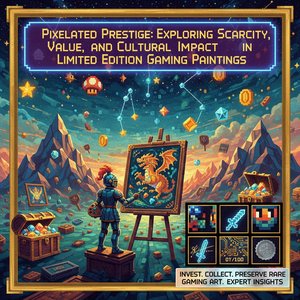
Pixelated Prestige: Exploring Scarcity, Value, and Cultural Impact in Limited Edition Gaming Paintings
Explore the world of limited edition gaming paintings! Discover investment strategies, artist insights & preservation tips for collectors. Trusted expertise in rare video game art.
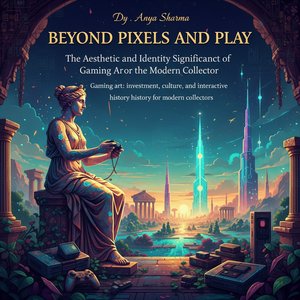
Beyond Pixels and Play: The Aesthetic and Identity Significance of Gaming Art for the Modern Collector
Explore the rising world of gaming art! Discover why collectors are investing in vintage games & interactive experiences. Expert insights on value, trends & cultural significance.
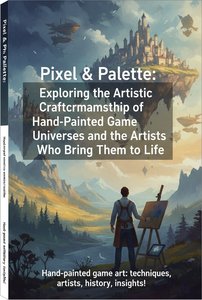
Pixel & Palette: Exploring the Artistic Craftsmanship of Hand-Painted Game Universes and the Artists Who Bring Them to Life
Explore the artistry of hand-painted game universes! Discover techniques, artists & history behind this unique style. Expert insights for collectors & developers.
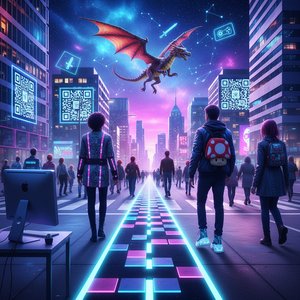
ゲームストリート:デジタル美学が現代文化に及ぼす影響 - ファッション、アート、そしてアイデンティティの再構築
ゲームストリートの隆盛と現代文化への影響を徹底解説。ファッション、アート、アイデンティティの変化を探り、ArtsDot.comが提案する新しいアート体験をご紹介します。デジタル美学を取り入れた作品で、あなただけの表現を見つけましょう。
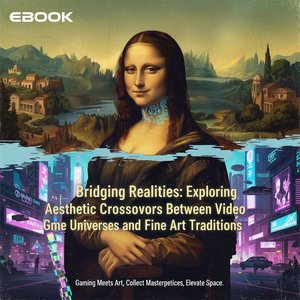
Bridging Realities: Exploring Aesthetic Crossovers Between Video Game Universes and Fine Art Traditions
Explore the fascinating intersection of video game aesthetics & fine art traditions. Discover how gaming influences design, collect iconic art reproductions, and elevate your space with expert guidance from ArtsDot.

