

 プレビュー
プレビュー
 プリントを購入
 シェアする
シェアする シェアする
シェアする
 詳細を見る
詳細を見る

 ダウンロード
 似ている作品
 X線調査
X線調査 スライドショー
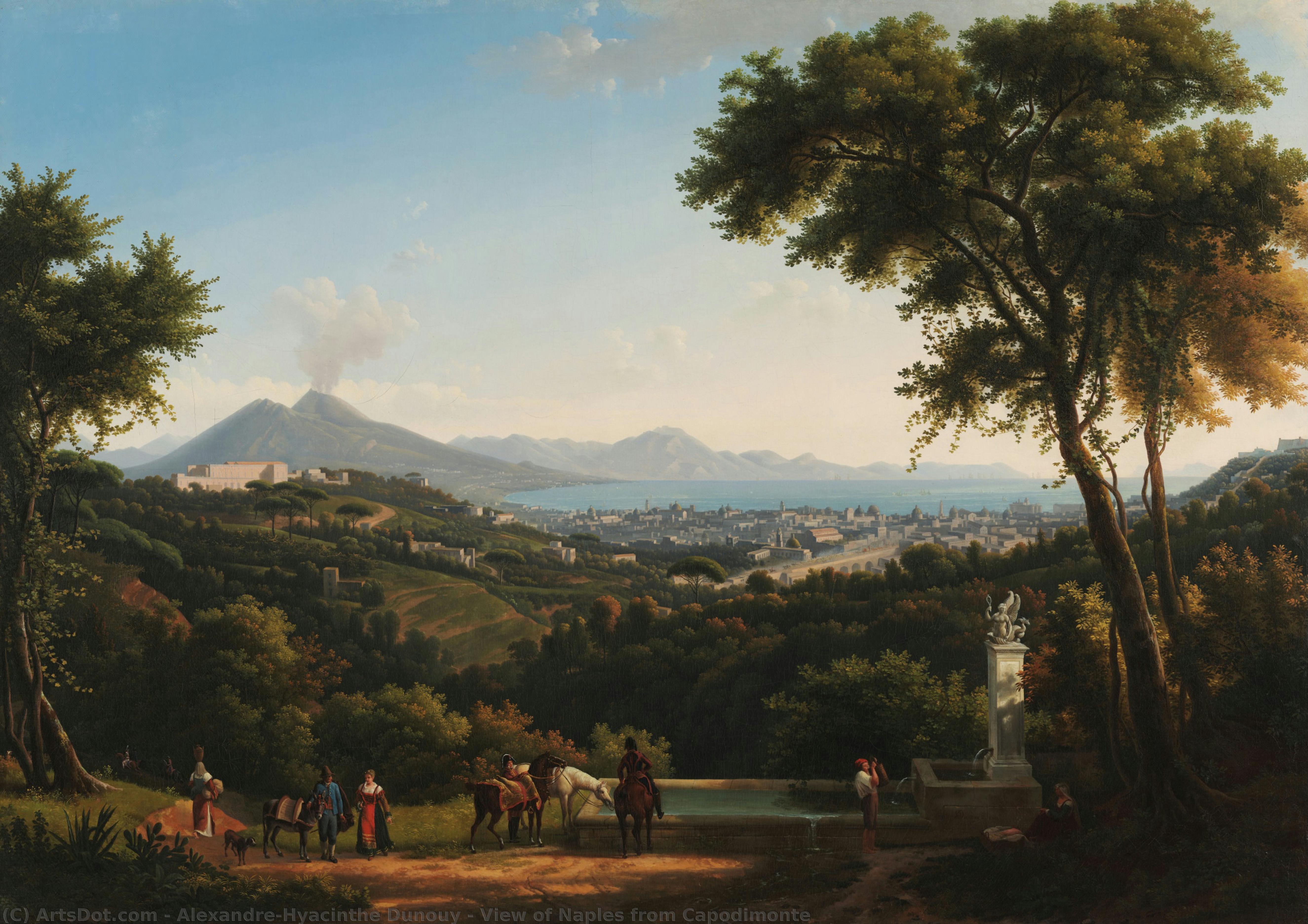
View of Naples from Capodimonte


 詳細を見る
詳細を見る
オンラインプレビューをはるかに凌ぐ、高解像度で鮮明なデジタル画像をご購入いただけます。
各ファイルは、社内の専門家が高度なツールと熟練した手作業によるレタッチを用いて、細心の注意を払って準備されています。すべての画像において、卓越した鮮明度、正確な色彩再現性、そして繊細なディテールを保証いたします。
最終ファイルは、プロフェッショナルな編集・印刷環境ですぐにご利用いただけるよう最適化された状態で、72時間以内にメールにてお届けいたします。これは、一流のデザインスタジオ、出版社、ギャラリーから信頼されているものと同等の品質です。
デジタル画像のご注文に付随する特典
高品質なデジタル画像配信を、確かな品質で。
ArtsDot.com を選ぶことは、単に画像を手に入れることではありません。それは、プロの手によって精密に仕上げられ、満足保証が付いた高品質なデジタルアートワークを受け取ることを意味します。ご注文いただいた際に自動的に付随する内容は、以下の通りです:

メールですぐにお届け
ご注文から72時間以内に、高解像度のデジタル画像ファイルがメールでお手元に届きます。すぐにそのままご利用いただけます。

AI技術で最適化されたデジタルファイル
お客様の作品は、高度なAIツールと専門家による手作業の編集を組み合わせてプロフェッショナルに最適化されており、細部のディテール、鮮明さ、そして正確な色再現性を最大限に引き出しています。

一生涯無料の再送サービス
ファイルを誤って削除したり、紛失してしまったりしましたか?ご安心ください。いつでも無料で再送いたします。

輸入手数料は一切かかりません
関税や手数料、配送料を気にすることなく、お気に入りのアートワークをすぐにお楽しみいただけます。デジタルダウンロードは常に免税です。

色彩再現の保証
プロ仕様のツールとカラーマネジメント技術を用いることで、デジタル画像が元の色を最大限に忠実に再現することを保証いたします。

60日間満足保証
ご購入いただいたデジタル画像にご満足いただけない場合は、60日以内であれば、修正または100%の返金(理由を問う必要はありません)をさせていただきます。

100% 返金保証
ご満足いただけない場合は、デジタルファイルを受け取ってから60日以内であれば、理由を問わず全額返金いたします。

まとめ買い割引
3枚購入で10%OFF - 5枚購入で15%OFF - 10枚以上購入で20%OFF。クリエイティブなプロジェクト、ギャラリー、エージェンシーに最適です。
作品の詳細
A Panoramic Vision of Naples: Dunouy's Capture of Light
Alexandre-Hyacinthe Dunouy’s “View of Naples from Capodimonte,” painted in 1813, transcends mere landscape depiction; it embodies the spirit of the Grand Tour and Romanticism’s fascination with sublime beauty. Executed in oil on canvas, this monumental piece captures a breathtaking vista of Mount Vesuvius dominating the cityscape of Naples—a scene instantly recognizable from its prominent place within artistic memory. Dunouy wasn't simply recording what he saw; he was striving to distill the essence of Italian light and atmosphere onto canvas, reflecting the prevailing aesthetic ideals of his time.- Composition & Style: The painting employs a pyramidal structure—a technique borrowed from classical art—drawing the viewer’s eye upwards towards the distant volcano and cityscape. This deliberate compositional choice lends stability and grandeur to the scene while simultaneously emphasizing Dunouy's mastery of perspective, creating an illusion of depth that transports the observer to Naples itself.
- Technique & Texture: Dunouy’s meticulous brushwork—characterized by smooth blending and layering—results in a remarkably refined surface texture. The artist skillfully utilized oil paint to achieve realistic representations of foliage, water surfaces, and architectural details, demonstrating an unwavering commitment to capturing the nuances of natural light and color.
Historical Context: The Grand Tour and Romantic Idealism
“View of Naples from Capodimonte” emerged during a pivotal moment in European art history—the era of the Grand Tour, when aristocratic travelers embarked on journeys to Italy to immerse themselves in classical culture and artistic splendor. Dunouy’s painting reflects this fascination with antiquity, albeit infused with Romantic sensibilities. Unlike the rationalism of Neoclassicism, Romanticism prioritized emotion and imagination, seeking inspiration in nature's grandeur and striving to convey its sublime power—qualities perfectly embodied in Dunouy’s depiction of Mount Vesuvius and the surrounding landscape.- Symbolism: The volcano serves as a potent symbol of both destruction and renewal—a reminder of Pompeii’s tragic fate yet simultaneously representing the enduring vitality of Italy's natural environment. Dunouy’s masterful use of color—particularly warm hues—creates an atmosphere of tranquility and golden light, evoking feelings of peace and contemplation.
Emotional Impact: Capturing the Essence of Naples
Dunouy’s “View of Naples from Capodimonte” succeeds in capturing not only the visual splendor of the Italian landscape but also its emotional resonance. The painting invites viewers to contemplate the beauty and majesty of nature—to appreciate the grandeur of Mount Vesuvius and the serenity of the cityscape—and to experience a profound connection with the artistic spirit of the Romantic era. It remains an enduring testament to Dunouy’s skill as a painter and his ability to translate visual observation into evocative emotional expression.- Legacy: Dunouy's work continues to inspire artists and collectors alike, demonstrating the timeless appeal of classical composition combined with Romantic idealism—a combination that secures its place within the canon of European landscape painting.
Additional Research & Details
Further exploration into Alexandre-Hyacinthe Dunouy’s oeuvre reveals a prolific artist dedicated to capturing the beauty of both Paris and Italy, influenced by the classical ideals of his time and celebrated for his meticulous detail and masterful use of oil paint. Examining reproductions of “View of Naples from Capodimonte” alongside scholarly articles provides invaluable insight into Dunouy's artistic vision and its contribution to the broader context of Romantic landscape painting.関連作品

作家の略歴
Alexandre-Hyacinthe Dunouy: A Parisian Painter of Italian Light
Born in the heart of Paris in 1757 and passing away in Jouy-en-Josas in 1841, Alexandre-Hyacinthe Dunouy remains a quietly significant figure within the landscape painting traditions of late 18th and early 19th century France. Often categorized as one of the “little masters,” a group known for their meticulous detail and classical compositions, Dunouy’s work offers a serene glimpse into the world of French art during a period of immense social and political change. His career, spanning over five decades, was marked by a consistent dedication to capturing the beauty of both his native Paris and the captivating landscapes he encountered through extensive travels, particularly in Italy.
Dunouy’s early artistic development was undoubtedly influenced by the prevailing classical ideals that dominated French painting at the time. His initial works focused on depicting familiar Parisian views – streets, parks, and surrounding regions – exhibiting these scenes at the prestigious Paris Salon starting in 1791. These early pieces demonstrate a strong adherence to established compositional principles, showcasing a careful attention to detail and an attempt to emulate the idealized landscapes favored by artists like Claude Lorrain and Nicolas Poussin. However, it was Dunouy’s journeys south, particularly his sojourn in Italy between 1810 and 1815 under the patronage of Joachim Murat, that truly shaped his artistic vision and established him as a distinct voice within the landscape genre.
Italian Influences and Patronage
Dunouy’s time in Italy proved transformative. He was immersed in the very landscapes he had long admired through prints and descriptions, experiencing firsthand the dramatic light, vibrant colors, and architectural grandeur of the region. This immersion profoundly impacted his style, moving him away from a purely academic approach towards a more expressive and nuanced depiction of nature. The influence of Italianate landscape painting is readily apparent in works like “Italian Landscape with a Village at the Foot of a Mountain Range,” where the warm light, atmospheric perspective, and idealized forms evoke the spirit of artists such as Canaletto and Marcantonio Raimondi.
Crucially, his patronage by Joachim Murat, then ruling over Naples, provided him with unprecedented access to artistic resources and opportunities. This privileged position allowed Dunouy to study directly under Italian masters, observe architectural details, and gain a deeper understanding of the region’s visual language. The resulting paintings are not simply copies of Italian scenes but rather sophisticated interpretations imbued with his own Parisian sensibility.
Notable Works and Recognition
Dunouy's oeuvre is characterized by a remarkable consistency in style and subject matter. He frequently depicted views of Rome, Naples, and the surrounding countryside – landscapes that he meticulously rendered with an almost photographic precision. His paintings are often small-scale, intended for decorative purposes rather than grand historical narratives. Despite this, they possess a remarkable depth and atmospheric quality, capturing the essence of light and shadow with subtle grace.
Throughout his career, Dunouy received significant recognition for his artistic skill. He was awarded medals in 1819 and 1827 by the French government, acknowledging his contributions to the art world. His works are now housed in museums across Europe, including the Musée Réattu in Arles, France, a testament to their enduring appeal and historical significance.
Teaching and Legacy
While much remains unknown about Dunouy’s personal life, there is evidence suggesting that he may have played a role in mentoring younger artists. He is believed to have instructed Achille-Etna Michallon, another notable landscape painter of the period. This suggests a commitment to passing on his knowledge and artistic principles to future generations.
Dunouy’s legacy lies not in revolutionary innovation but rather in his steadfast dedication to classical ideals and his ability to capture the beauty of the natural world with remarkable skill and subtlety. He represents a vital link between the Neoclassical tradition and the emerging Romantic movement, offering a serene counterpoint to the dramatic intensity that characterized some of his contemporaries. His paintings continue to be appreciated for their exquisite detail, atmospheric quality, and timeless appeal – a testament to the enduring power of a Parisian painter’s love affair with Italian light.
Alexandre-Hyacinthe Dunouy
1757 - 1841

