

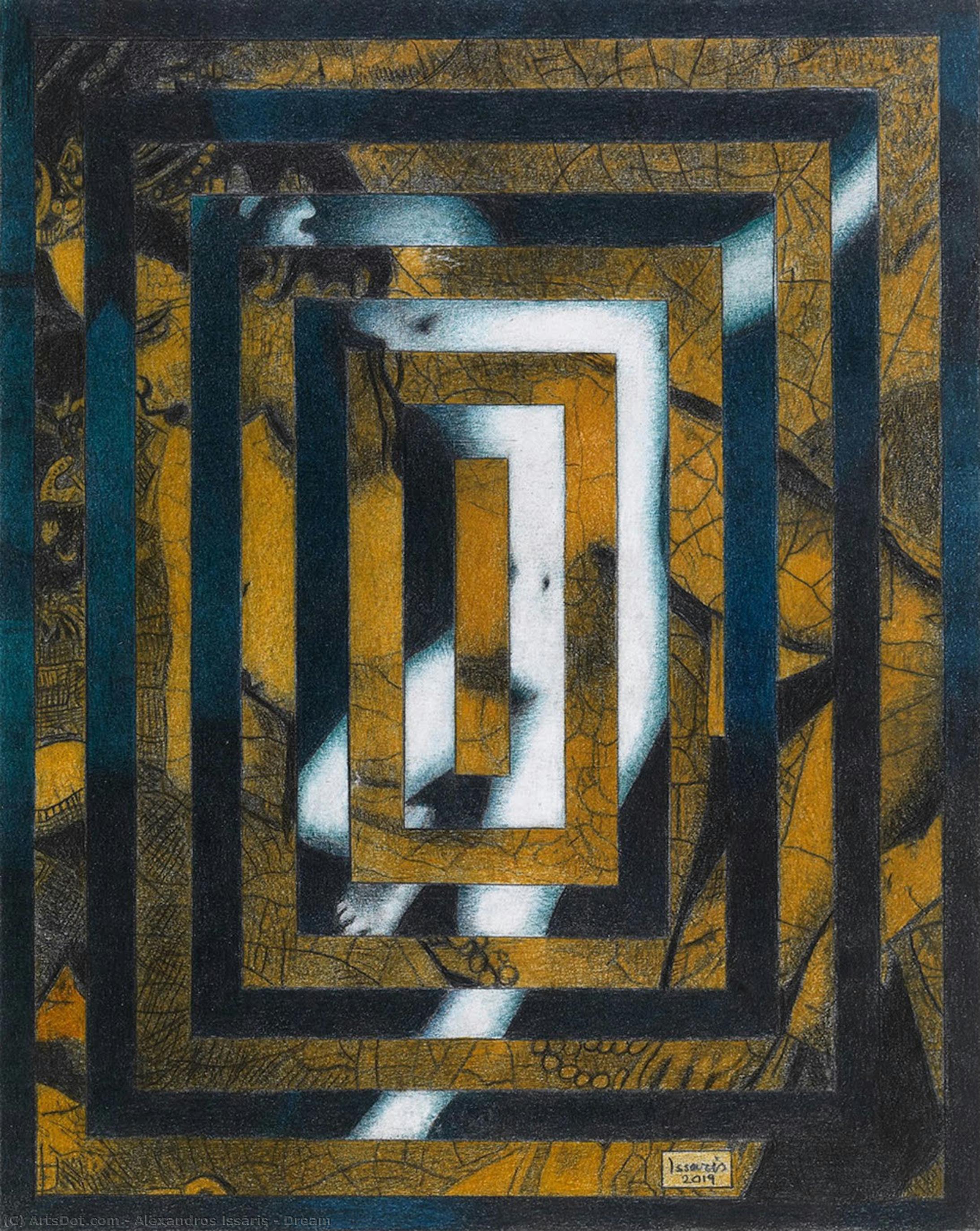
 プレビュー
プレビュー
 シェアする
シェアする シェアする
シェアする
 詳細を見る
詳細を見る

 ダウンロード
 似ている作品
 X線調査
X線調査 スライドショー
 Stats
StatsDream
 Other
Other 2019
2019 28.0 x 23.0 cm
 ソティリス・フェリオス・コレクション
 詳細を見る
詳細を見る
ジークレー/アートプリント
迅速な制作と多彩な仕上げオプションを備えた、ミュージアムクオリティのジークレーまたはキャンバスプリント。 ( 手描きの絵画を購入 Switch to Digital Image)




P118B $10

P118H $10

P118W $10

P438Z $10

P508JH $12

P508YH $12

P805H $10

P805Z $10

P919BZ $10

P919G $10

P919XJ $10

P959ZH $10

P968JZ $12

W106C $8

W218G $10

W218JH $8

W218Y $10

W307PJ $10

W316G $10

W316PJ $8

W316Y $10

W398PJ $8

W4111J $10

W500HY $15

W500JH $15

W692G $12

W849H $8

W940BG $15

W953PJ $8




作品のオリジナル比率に合わせた、当店の規定サイズからお選びください。

特定のフレームやスペースに合わせて、ご自身でサイズを指定することも可能です。選択されたサイズが元の画像の比率と一致しない場合、作品をトリミングするか、鏡面反射または単色での塗りつぶしによって画像を拡張いたします。制作を開始する前に、ご確認用のデジタルモックアップをお送りいたします。
画面上のプレビューには、実際のトリミングや拡張は反映されませんのでご注意ください。最終的な構図を正確に確認できるのは、モックアップのみとなります。
カスタムサイズも承っておりますが、元の比率を維持するためには、あらかじめ用意されたリストからサイズを選択することをお勧めいたします。


 ガラスオプションは、110cm未満のサイズでのみご利用いただけます。

Dream
ジークレー/アートプリント
複製画のサイズ
-


合計金額
$ 62
関連作品
アーティストの略歴
Robert Delaunay: A Pioneer of Color and Rhythm
Robert Delaunay, born Robert-Victor-Felix Delaunay in Paris on April 12, 1885, was a pivotal figure in the early development of modern art. His life, marked by both artistic innovation and personal turmoil, profoundly shaped the trajectory of movements like Orphism and Cubism. Initially apprenticed to a theatrical designer – a surprisingly formative experience that instilled an appreciation for composition and visual storytelling – Delaunay’s path shifted dramatically towards painting in 1902. This early exposure to stagecraft would later inform his dynamic use of space and rhythm within his canvases. He was deeply influenced by Neo-Impressionism, particularly the work of Paul Gauguin and Georges Seurat, absorbing their emphasis on color theory and meticulous brushwork. However, Delaunay quickly moved beyond mere imitation, seeking a more radical expression through abstraction.The Birth of Orphism: Color as Language
Delaunay’s most significant contribution to the art world lies in his creation of Orphism – a term he coined alongside his wife, Sonia Delaunay. This movement, emerging around 1912, represented a deliberate break from traditional representation. Rather than depicting objects realistically, Delaunay and Sonia focused on exploring the pure potential of color itself. They employed a technique known as “simultanism,” layering vibrant hues – often yellows, blues, and reds – in overlapping planes to create an intense, pulsating effect. This wasn’t simply about aesthetic pleasure; it was a deliberate attempt to evoke emotions and sensations directly through color. Influenced by the theories of Antoine Autrey, Delaunay believed that colors possessed inherent energies and could be used to communicate ideas and feelings independently of form. Their work became increasingly geometric, incorporating circles, squares, and other abstract shapes, further emphasizing the primacy of color and its dynamic relationships.Cubism and Beyond: A Shifting Palette
While Delaunay’s early works are often associated with Cubism due to their fragmented forms and multiple perspectives – a period heavily influenced by artists like Picasso and Braque – he quickly diverged from the movement's more analytical approach. He retained some of Cubism’s spatial experimentation but prioritized color above all else. During World War I, Delaunay and Sonia moved to Spain and Portugal, seeking refuge from the conflict and embracing the vibrant colors of the Iberian Peninsula. This period saw a shift towards larger-scale canvases and a greater emphasis on rhythmic patterns within his compositions. He began incorporating elements of textile design, reflecting his interest in decorative arts and creating works that could be experienced both visually and tactilely.Later Works: Abstraction and the Watermill Center
In the 1930s, Delaunay’s style evolved further towards pure abstraction. He continued to work with circular forms and vibrant color fields, often employing assistants to execute large-scale panels and reliefs. These monumental works, frequently commissioned for public spaces like the Aeronautics pavilion at the 1937 Paris International Exhibition, demonstrated his mastery of scale and his ability to create immersive visual experiences. Later in life, Delaunay established the Watermill Center in 1992 – a space dedicated to supporting emerging artists and fostering experimentation with new forms of artistic expression. This institution stands as a testament to his enduring legacy and his commitment to pushing the boundaries of contemporary art.Legacy and Influence
Robert Delaunay’s impact on modern art is undeniable. He liberated color from its representational function, paving the way for later abstract artists like Wassily Kandinsky and Paul Klee. His exploration of rhythm, composition, and the emotional power of color continues to inspire artists today. His work remains a vibrant celebration of visual energy and a powerful reminder that art can transcend mere imitation and speak directly to the human spirit. Delaunay died in Montpellier on October 25, 1941, leaving behind a body of work that is both visually stunning and conceptually profound. His legacy endures as one of the most important figures in the development of abstract art.
alexandros issaris
1941 - 2022 , Greece
基本情報
- Artistic Movement Or Style:
- Divisionism
- Cubism
- Orphic Cubism
- Simultanism
- Artists Or Movements Influenced By This Artist:
- Klee
- Marc
- Apolinaire
- Artists Who Influenced This Artist:
- Neo-Impressionism
- Cézanne
- Date Of Birth: 1885-04-12
- Date Of Death: 1941-10-25
- Full Name: Robert Delaunay
- Nationality: French
- Notable Artworks:
- Endless Rhythm
- The Eiffel Tower
- Cityscapes
- Place Of Birth: Paris, France
関連記事
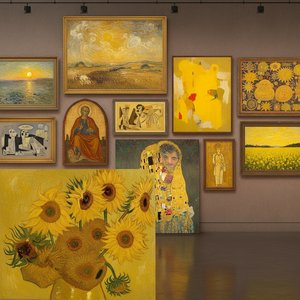
Golden Hues: 10 Masterpieces Dominated by Chrome Yellow | ArtsDot
Immerse yourself in golden light! Explore 10 famous paintings dominated by 'Chrome Yellow', from Van Gogh’s Sunflowers to Monet's Haystacks. Discover the stories behind these iconic Impressionist & Post-Impressionist masterpieces and find museum-quality art reproductions at ArtsDot.com.
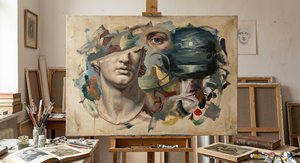
The Subconscious Canvas: Exploring Dream Imagery in Art History & Contemporary Practice
Explore the captivating world of dream imagery in art history & contemporary practice. Discover key artists, symbolism, investment potential & expert insights for collectors at ArtsDot.
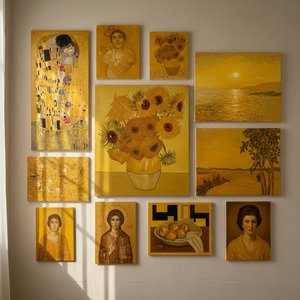
Golden Hues: Top 10 Paintings Dominated by Yellow Ochre |
Explore 10 iconic paintings bathed in golden yellow ochre! From Van Gogh's sunflowers to Monet’s haystacks, discover the stories behind these masterpieces. Find museum-quality art reproductions & elevate your home decor on .
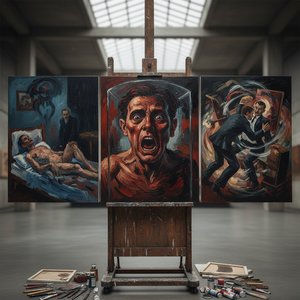
フランシス・ベーコン傑作25選:魂を揺さぶる絵画の世界 | ArtsDot
フランシス・ベーコンの傑作25選。魂を揺さぶる表現主義絵画の世界へ。人物画、三面図、ポープ・インノケンティウス10世など、美術史に残る名作をArtsDotで高精細複製画としてご紹介。インテリアに深みと個性を。今すぐコレクションをご覧ください。
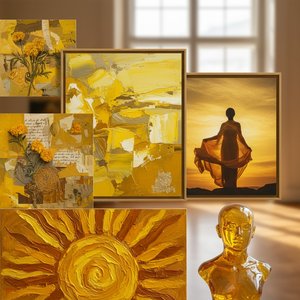
The Golden Hue: Exploring Symbolism & Emotion in Yellow Art
Explore the rich symbolism & emotional power of yellow in art history! From Van Gogh to Kandinsky, discover how artists used this vibrant hue. Expert analysis & high-quality reproductions at ArtsDot.