

 プレビュー
プレビュー
 プリントを購入
 シェアする
シェアする シェアする
シェアする
 詳細を見る
詳細を見る

 ダウンロード
 似ている作品
 X線調査
X線調査 スライドショー
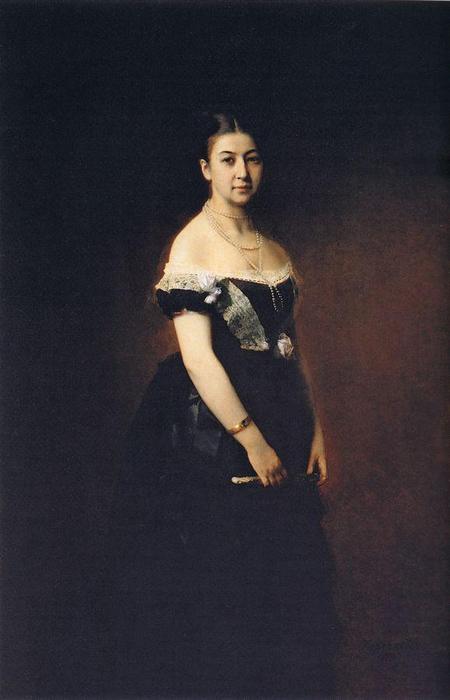
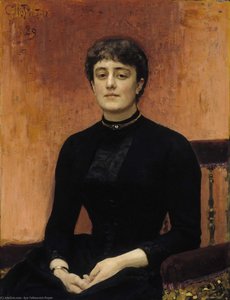
Portrait of E. A. Tretyakova


 詳細を見る
詳細を見る




P118B $10

P118H $10

P118W $10

P438Z $10

P508JH $12

P508YH $12

P805H $10

P805Z $10

P919BZ $10

P919G $10

P919XJ $10

P959ZH $10

P968JZ $12

W106C $8

W218G $10

W218JH $8

W218Y $10

W307PJ $10

W316G $10

W316PJ $8

W316Y $10

W398PJ $8

W4111J $10

W500HY $15

W500JH $15

W692G $12

W849H $8

W940BG $15

W953PJ $8




作品のオリジナル比率に合わせた、当店の規定サイズからお選びください。

特定のフレームやスペースに合わせて、ご希望のサイズをご入力いただけます。選択されたサイズが元の画像の比率と異なる場合、アートワークをトリミングするか、手描きで要素を追加して絵画を拡張いたします。デジタルモックアップ を制作し、制作開始前にご確認(承認)をいただきます。
画面上のプレビューは、実際のトリミングや拡張を正確に反映しているものではありません。最終的な構図は、モックアップによってのみ正確にご確認いただけます。
カスタムサイズもご利用いただけますが、元の比率を維持するためには、あらかじめ用意されたリストからサイズを選択することをお勧めいたします。
ご注文後、ArtsDot.com チームより詳細な指示をお送りするとともに、仕上がりイメージ(モックアップ)をご提供いたします。


 ガラスオプションは、110cm未満のサイズでのみご利用いただけます。

Portrait of E. A. Tretyakova
複製技法
複製画のサイズ
-


合計金額
$ 263
A Study in Russian Realism: The Enigmatic Portrait of E. A. Tretyakova
Alexei Harlamoff’s 1875 “Portrait of E. A. Tretyakova” is more than a simple likeness; it's a meticulously crafted tableau of restrained elegance and subtle emotional depth, embodying the core tenets of late 19th-century Russian Realism. Painted during a period of significant social and artistic transformation in Russia – a nation grappling with modernization while clinging to its traditions – Harlamoff’s work offers a poignant glimpse into the lives of the Russian elite, capturing not just their appearance but also an unspoken narrative of dignity and quiet contemplation.
The painting immediately draws the eye with its masterful use of chiaroscuro. The subject, E. A. Tretyakova, is enveloped in deep shadows, a deliberate choice that creates a sense of mystery and intimacy. Light, diffused and soft, washes over her face and upper body, highlighting the delicate contours of her features – the subtle curve of her lips, the gentle slope of her brow, and the luminous quality of her eyes. This strategic illumination doesn’t simply reveal; it invites us to imagine a story behind the gaze, a world unseen.
The Language of Form and Texture: Harlamoff's Technique
Harlamoff’s technical skill is evident in every brushstroke. The painting is executed in oil on canvas, utilizing a layering technique that builds up rich textures and subtle tonal variations. Notice the meticulous rendering of the dark gown – each fold and drape meticulously depicted with short, controlled strokes. The fabric appears to possess a remarkable weight and texture, conveying both luxury and a sense of timelessness. The artist’s ability to capture the nuances of light reflecting off the velvet is particularly striking.
- Layered Impasto: Harlamoff employs a technique of building up paint in layers, creating a tactile surface that invites close examination.
- Soft Blending: The transitions between dark and light are remarkably smooth, achieved through careful blending and the use of glazing techniques.
- Detailed Brushwork: Despite the overall softness, individual brushstrokes are discernible, particularly in the rendering of fabric textures and facial features.
Historical Context and Symbolic Resonance
Painted in 1875, this portrait reflects the artistic climate of late 19th-century Russia, a period marked by a shift towards realism and naturalism following the Romantic era. Harlamoff’s work aligns with the broader trends of the time, emphasizing psychological depth and social observation. The subject herself, E. A. Tretyakova, remains largely enigmatic, adding to the painting's allure. While her identity is known, the portrait offers no explicit clues about her life or personality beyond a sense of quiet dignity.
The dark attire and somber lighting are not merely stylistic choices; they carry symbolic weight. The deep shadows evoke themes of elegance, mystery, and perhaps even melancholy – suggesting a woman accustomed to privilege and burdened by unspoken responsibilities. The painting can be interpreted as a meditation on the complexities of female identity within a rigid social hierarchy.
A Timeless Masterpiece: Reproduction and Beyond
Reproductions of “Portrait of E. A. Tretyakova” capture much of the original’s atmospheric power, offering a compelling window into Harlamoff's artistic vision. Whether displayed in a private residence or a public gallery, this painting continues to resonate with viewers, inviting contemplation and sparking dialogue about beauty, identity, and the enduring legacy of Russian Realism. Its rich textures and evocative mood make it an ideal choice for collectors seeking a piece that transcends mere decoration – a work of art capable of transporting us to another time and place.
関連作品
アーティストの略歴
アレクセイ・アレクセエヴィチ・ハルラモフ:光と影の詩人
1840年、ロシアのサラトフ近郊の小さな村で生まれたアレクセイ・アレクセエヴィチ・ハルラモフ(Alexei Alexeievich Harlamov)は、農奴の家庭に生まれながらも、その卓越した才能によってロシア美術界において確固たる地位を築き上げました。彼の名はしばしばラテン文字でHarlamoffと記されますが、それは彼が国際的な舞台での活動を意識していたことを示唆しています。ハルラモフは単なる肖像画家ではありませんでした。彼は、19世紀ロシアの社会情勢や人々の内面を描き出し、光と影のコントラストによって人間の美しさを追求した詩人であり、その作品は今日でも多くの人々を魅了し続けています。
サンクトペテルブルクでの研鑽とパリへの憧憬
ハルラモフの幼少期は農奴としての厳しいものでしたが、1850年に両親が自由を獲得したことで、彼は芸術の道を歩む機会を得ました。1854年、帝国アカデミー・オブ・アーツ(Imperial Academy of Arts)に客員学生として入学し、才能を開花させていきます。3年後には素描で銀メダルを受賞するなど、その才能は早くから認められました。しかし、ハルラモフの心はより広い世界を求めていました。1869年にはアカデミーからの奨学金を得てパリへと渡り、西洋美術の中心地で研鑽を積むことになります。
レンブラントの影響と芸術的成熟
パリでの生活は、ハルラモフの芸術観に大きな変化をもたらしました。特に彼に影響を与えたのは、オランダの巨匠レンブラントでした。アカデミーからレンブラントの「トルプ医師の解剖講義」の模写を依頼されたことは、彼の技術的な向上だけでなく、光と影の表現に対する深い探求心を促しました。ノルマンディーや南ネーデルランドでの風景画制作、ブリュッセルやロンドンでの旧 мастеровの展覧会鑑賞などを通じて、ハルラモフは自身の芸術スタイルを確立していきます。1870年にはツァリーナ・マリア・アレクサンドロヴナが彼の作品を購入するなど、徐々にその名声が高まりました。
サロンでの成功とロシア社交界との交流
ハルラモフはパリでレオ・ボナ(Léon Bonnat)の独立したスタジオで学び、1872年にはウィーン万国博覧会で銅メダルを受賞するなど、国際的な評価も獲得しました。しかし、アカデミーからの教授職の推薦が認められなかったことは、彼の芸術に対する独自の信念とアカデミーの保守的な姿勢との間の葛藤を示唆しています。それでもハルラモフは自身の道を歩み続け、1874年にはリュ・フォンテヌ通り42番地にアトリエを構え、精力的に作品制作に取り組みました。同年には、彫刻家のポジャロスティン(Pozhalostin)の肖像画でアカデミー会員の称号を獲得し、その才能はロシア国内でも広く認められるようになりました。
ハルラモフは、イヴァン・トゥルゲーネフをはじめとする多くのロシア芸術家や知識人たちと交流を深めました。ルイ・ヴィアール(Louis Viardot)やポリーヌ・ヴィアール=ガルシア(Pauline Viardot-Garcia)のサロンにも頻繁に招かれ、彼らの知的な刺激を受けながら、自身の作品世界をさらに発展させていきました。ハルラモフはトゥルゲーネフからの紹介を通じて、ボゴリューボフ(Bogolyubov)、パリのアートディーラーであるアドルフ・グーピル(Adolphe Goupil)、そしてモスクワのコレクターであるドミトリ・ボトキ(Dimitri P. Botkin)など、多くのパトロンを獲得し、経済的な安定も得ることができました。
晩年の功績と芸術的遺産
ハルラモフは1876年にはバッド・エムスでツァーリ・アレクサンドル2世の肖像画を制作し、その後もヴルール=レ=ローズやエトレタなどの風景画を描き続けました。彼の作品はサロンやパリ万国博覧会で同時に展示され、1876年にはアレクサンドル・F・オネーギン(Alexander F. Onegin)の肖像画で第二等メダルを受賞するなど、その評価はますます高まりました。ハルラモフの作品は、サンクトペテルブルクのアレクサンドル3世博物館、モスクワのトレチャコフ美術館、そしてブロービンスキー・コレクションなどに所蔵されており、今日でも多くの人々を魅了し続けています。アレクセイ・アレクセエヴィチ・ハルラモフは、ロシア美術史において重要な位置を占める画家として、その名は永遠に輝き続けるでしょう。
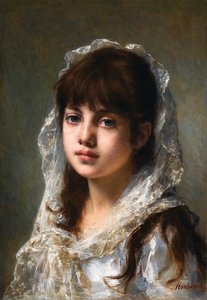
アレクセイ・アレクセーエヴィチ・ハルラモフ
1840 - 1925 , ロシア
基本情報
- Artistic Movement Or Style: 写実主義
- Artists Or Movements Influenced By This Artist: ['旧派画家']
- Artists Who Influenced This Artist: ['レンブラント']
- Date Of Birth: 1840年10月18日
- Date Of Death: 1925年
- Full Name: アレクセイ・アレクセエヴィチ・ハルラモフ
- Nationality: ロシア人
- Notable Artworks (List Of Titles):
- キエフの洗礼
- トレチャコフ夫人の肖像
- Place Of Birth (City And Country): サラトフ、ロシア
関連記事
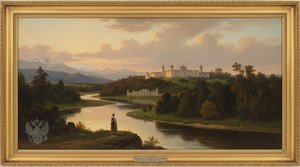
Alexei Harlamoff: A Study in Russian Romantic Landscape Painting & Imperial Patronage
Explore the captivating world of Alexei Harlamoff, a master of Russian Romantic painting. Discover his life, Imperial patronage, signature style & enduring legacy with ArtsDot.
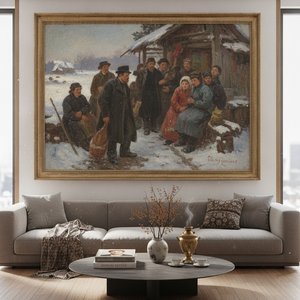
Discover Russian Realism: Soulful Masterpieces and the Timeless Spirit of the Peredvizhniki for Your Modern Home
Elevate your home with the soulful beauty of Russian Realism. Discover exquisite hand-painted reproductions of Peredvizhniki masterpieces, from lyrical landscapes to profound portraits, curated to bring historical depth and timeless elegance to your modern interior design.
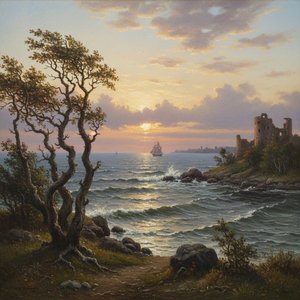
Alexei Bogolyubov: Bridging Realism & Romanticism in the Russian Landscape Tradition
Explore the captivating world of Alexei Bogolyubov, a master of Russian Realism & Romanticism. Discover his stunning landscapes, maritime scenes, and lasting influence on 19th-century art. Learn more at ArtsDot.

Romantic Realism's Finest: 10 Masterpieces for Your Home | ArtsDot
Explore 10 defining masterpieces of Romantic Realism! Discover Courbet, Millet & Daumier's powerful paintings—capturing emotion and social realities. Find museum-quality reproductions for your home at ArtsDot.com.
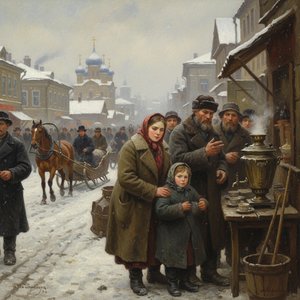
Vladimir Makovsky: Realism, Social Commentary & Russian Life in Late 19th-Century Painting
Explore the captivating world of Vladimir Makovsky, a leading Russian realist painter. Discover his insightful depictions of 19th-century life, social commentary & legacy with ArtsDot.

