

 プレビュー
プレビュー
 プリントを購入
 シェアする
シェアする シェアする
シェアする
 詳細を見る
詳細を見る

 ダウンロード
 似ている作品
 X線調査
X線調査 スライドショー
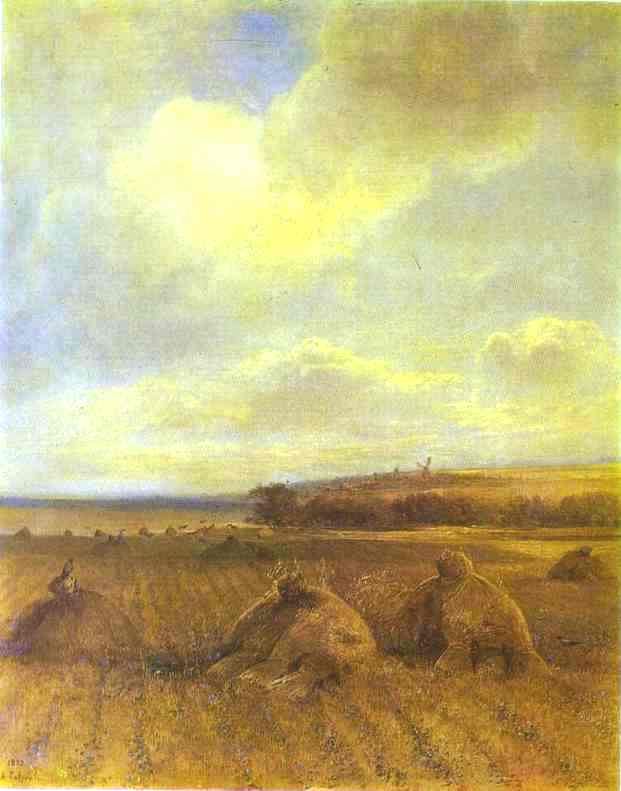
The End of Summer on the Volga River


 詳細を見る
詳細を見る




P118B $10

P118H $10

P118W $10

P438Z $10

P508JH $12

P508YH $12

P805H $10

P805Z $10

P919BZ $10

P919G $10

P919XJ $10

P959ZH $10

P968JZ $12

W106C $8

W218G $10

W218JH $8

W218Y $10

W307PJ $10

W316G $10

W316PJ $8

W316Y $10

W398PJ $8

W4111J $10

W500HY $15

W500JH $15

W692G $12

W849H $8

W940BG $15

W953PJ $8




作品のオリジナル比率に合わせた、当店の規定サイズからお選びください。

特定のフレームやスペースに合わせて、ご希望のサイズをご入力いただけます。選択されたサイズが元の画像の比率と異なる場合、アートワークをトリミングするか、手描きで要素を追加して絵画を拡張いたします。デジタルモックアップ を制作し、制作開始前にご確認(承認)をいただきます。
画面上のプレビューは、実際のトリミングや拡張を正確に反映しているものではありません。最終的な構図は、モックアップによってのみ正確にご確認いただけます。
カスタムサイズもご利用いただけますが、元の比率を維持するためには、あらかじめ用意されたリストからサイズを選択することをお勧めいたします。
ご注文後、ArtsDot.com チームより詳細な指示をお送りするとともに、仕上がりイメージ(モックアップ)をご提供いたします。


 ガラスオプションは、110cm未満のサイズでのみご利用いただけます。

The End of Summer on the Volga River
複製技法
複製画のサイズ
-


合計金額
$ 263
A Moment Frozen in Time: The Volga’s Serene Farewell
Alexei Kondratyevich Savrasov's “The End of Summer on the Volga River,” painted in 1873, isn’t merely a depiction of a landscape; it’s an immersion into a specific mood, a poignant distillation of fading light and quiet contemplation. Savrasov, a pivotal figure in establishing the "lyrical landscape" movement within Russian art, eschewed the grand, heroic narratives favored by earlier generations. Instead, he focused on capturing the subtle emotional resonance of everyday scenes – here, the melancholic beauty of a Volga sunset, signaling summer’s end.
The painting immediately draws the eye with its muted palette: the dominant hues are ochres, browns, and deep blues, reflecting the twilight sky and the damp earth. These aren't vibrant, celebratory colors; they possess a somber quality, mirroring the feeling of transition and loss inherent in the subject matter. The artist masterfully employs atmospheric perspective – distant elements fade into a hazy blue, creating a sense of depth and vastness that stretches out towards the horizon. The brushstrokes are loose and expressive, particularly noticeable in the depiction of the hay bales and the riverbank reeds, conveying a feeling of movement and rustling in the breeze.
A Volga Valley Portrait: People and Livestock
Central to the composition is a small group of figures – men and women – standing near a horse. They are not actively engaged in any particular activity; rather, they seem lost in quiet observation, their postures suggesting a shared appreciation for the scene’s beauty. Their presence anchors the painting, reminding us that this landscape isn't simply an abstract vista but a lived experience, a moment of connection with nature and each other. The horse, a symbol of strength and vitality, adds another layer to the narrative – perhaps representing the bounty of the land or the enduring rhythm of rural life.
Savrasov’s skill lies in his ability to imbue these ordinary subjects with an extraordinary sense of dignity. The figures are rendered with a gentle realism, their faces etched with a quiet serenity. They are not idealized heroes but relatable individuals, reflecting the simple pleasures and enduring values of rural Russia.
Echoes of Tradition: Savrasov’s Lyrical Vision
Painted during a period of significant social and political change in Russia – the late 19th century – “The End of Summer on the Volga River” reflects the growing interest in depicting Russian landscapes with emotional depth and psychological insight. Savrasov's work aligns with the broader trend towards realism, but he departs from purely objective representation to prioritize capturing a specific mood or feeling. He was deeply influenced by the Romantic tradition, particularly the emphasis on nature’s power to evoke emotion, yet he tempered this influence with a distinctly Russian sensibility.
The painting's historical context is further illuminated by its connection to the Volga Bulgaria, a significant trading center and cultural crossroads that flourished along the river for centuries. Savrasov’s depiction of the Volga – a vital artery connecting Europe and Asia – subtly alludes to this rich history, suggesting a continuity between past and present.
A Legacy of Serenity: The Enduring Appeal
“The End of Summer on the Volga River” is more than just a beautiful painting; it’s a meditation on time, memory, and the enduring power of nature. Savrasov's masterful use of light, color, and composition creates an atmosphere of profound tranquility, inviting viewers to pause and contemplate the fleeting beauty of the natural world. It remains a powerful example of Russian lyrical landscape painting, demonstrating Savrasov’s ability to transform ordinary scenes into works of enduring emotional resonance. Reproductions capture this essence beautifully, offering a window into a timeless moment on the Volga.
関連作品
アーティストの略歴
抒情的な風景画の先駆者:アレクセイ・サヴラソフの生涯と芸術
1830年にモスクワで生まれたアレクセイ・コンドラティエヴィチ・サヴラソフは、ロシア絵画史において重要な位置を占めています。彼は単なる風景の記録者ではなく、「抒情的な風景」として知られるものを創造した大地の詩人でした。彼の作品は単純な描写を超越し、平凡な場面に深遠な感情的な共鳴を与え、より広範なヨーロッパの伝統の中で独特のロシアの声を作り上げました。サヴラソフの道のりは、カール・ラバスのもとでモスクワ絵画彫刻建築学校で正式な訓練を受け、1850年に卒業後、この時期に台頭しつつあった風景画に専念することから始まりました。初期の旅はウクライナを巡り、その広大な景色を吸収しましたが、1854年にはマリア・ニコラエヴナ大公女からの招待を受けてサンクトペテルブルクに移住することが大きな転換点となりました。この転居により、彼はロシア芸術界の中心に身を置き、母校で教鞭を取り、アイザック・レヴィタンやコンスタンティン・コロヴィンなど、後世の多くの芸術家に深い感銘を与えました。
独自のビジョンの出現
サヴラソフの芸術的発展は、ロシアの伝統と西ヨーロッパの巨匠たちへの接触によって形作られました。1860年代にイギリスとスイスへ旅したことは、特にジョン・コンスタブルやアレクサンドル・カラメの作品との出会いにおいて重要な経験となりました。彼は彼らが大気効果を捉え、風景にムードと感情を与える能力を高く評価しました。しかし、サヴラソフは単に模倣するのではなく、これらの影響を独自のものへと昇華させました。彼の絵画は、アカデミックアートが好んだ壮大な歴史的または理想化された風景から離れ、ロシアの田園地帯のより親密で写実的な描写へと移行していきました。彼は劇的な景色ではなく、静かな森の道、雪解けの野原、木々の間に佇む村の教会といった質素な場面に美を見出しました。この変化は、高まる国民意識とロシアの土地固有の特徴を祝う願望を反映していました。美術史家カール・ヘルツの妹ソフィア・カルロヴナ・ヘルツとの結婚は、彼の生活を豊かにし、パヴェル・トレチャコフのような収集家も交え、知的な交流や芸術的コラボレーションが盛んに行われる活気ある家庭環境を作り出しました。特にワシリー・ペローフとの親密な友情は、互いの作品を助け合う関係となり、ペローフは風景画に人物像を加える手伝いをし、サヴラソフはペローフのジャンルシーンの背景を提供しました。
「カラスが帰ってきた」:決定的な瞬間
サヴラソフはキャリアを通じて膨大な数の作品を制作しましたが—*悪天候の中のクリムスキー橋からの眺め*(1851)、*冬の夜*(1869)、*沼地の夕暮れ*(1871)など—、彼の最も象徴的で永続的な業績は、やはり *カラスが帰ってきた*(1871)です。春の到来を描いたこの一見シンプルな作品—雪解けの背景に白樺の木に巣に戻ってくるカラス—は、ロシア国民全体の想像力を捉えました。それは単なる視覚的な表現ではなく、希望、再生、郷愁といった感情を呼び起こす体験でした。この絵画の力は、普遍的な人間の感情を特定可能で共感を呼ぶ場面へと凝縮する能力にありました。批評家たちはこれを「ムードランドスケープ」の誕生と称賛し、精密な地形的詳細よりも雰囲気や感情を優先するスタイルです。*カラスが帰ってきた*はサヴラソフに広く認知をもたらし、政府後援のアカデミックな伝統からの脱却を目指す写実主義芸術運動であるペレドヴィジニキ(放浪者たち)グループにおける彼の地位を確固たるものにしました。
悲劇と遺産
サヴラソフは芸術的に成功を収めましたが、その晩年は個人的な悲劇とアルコール依存症によって蝕まれました。1871年に娘が亡くなったことは壊滅的な出来事となり、彼の芸術と幸福に影響を与える深刻な危機を引き起こしました。アルコールとの闘いは1882年の教職解任につながり、彼は最終的に貧困の中で孤立し忘れ去られた日々を送りました。再生の精神を美しく捉えたアーティストが、個人的な衰退を経験することは皮肉なことです。しかし、苦難の中でもサヴラソフは絵を描き続けましたが、彼の晩年の作品にはしばしば内面の葛藤が反映されていました。1897年の彼の葬儀は、忠実な友人たち—パヴェル・トレチャコフを含む—だけが出席する粛々としたものでした。彼はサヴラソフの遺産を後世のために保存しました。アレクセイ・サヴラソフがロシアの風景画に与えた影響は計り知れません。彼はアイザック・レヴィタンのようなアーティストが自然界の感情的な深さを探求する道を切り開き、今日でも共鳴し続ける抒情的な写実主義の伝統を確立しました。彼の絵画は単なる画像ではなく、ロシアの美しさ、憂鬱さ、そして永続的な精神を捉えた魂の窓なのです。
選ばれた作品
- 悪天候の中のクリムスキー橋からの眺め (1851)
- オラニエンバウム近郊の眺め (1854)
- 川と釣り人のいる風景 (1859)
- 田舎の眺め (1867)
- 冬の夜 (1869)
- 冬 (1870)
- カラスが帰ってきた (1871)
- ニジニー・ノヴゴロド近郊の洞窟修道院 (1871)
- スハレフの塔 (1872)
- 虹 (1873)
- 春の日 (1873)
- 筏 (1873)
- 修道院の門 (1875)
- 早春。解氷。 (1880年代)
- 春。菜園 (1893)
- ラプティツァ(泥の海、1894)
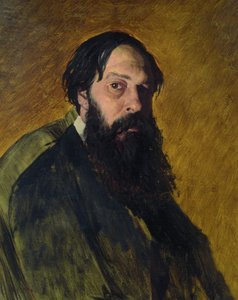
アレクセイ・サヴラソフ
1830 - 1897 , ロシア
基本情報
- Artistic Movement Or Style: 叙情的な風景画
- Artists Or Movements Influenced By This Artist:
- イサーク・レヴィタン
- ペレドヴィジニキ
- Artists Who Influenced This Artist:
- ジョン・コンスタブル
- アレクサンドル・カラメ
- Date Of Birth: 1830年5月24日
- Date Of Death: 1897年10月8日
- Full Name: アレクセイ・コンドラティエヴィチ・サブラソフ
- Nationality: ロシア人
- Notable Artworks (List Of Titles):
- 「巣立ちの季節」
- クレムリンの眺め
- 冬の夜
- Place Of Birth (City And Country): モスクワ、ロシア
関連記事
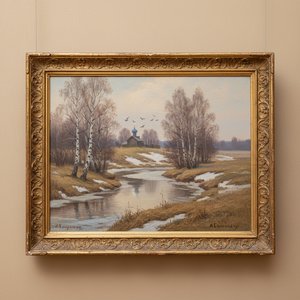
Aleksey Savrasov: The Poetic Realism That Defined Russian Landscape Painting
Explore the poetic realism of Aleksey Savrasov, founder of Russian lyrical landscape painting. Discover his masterpieces like 'The Rooks Have Returned' and learn about his lasting influence on 19th-century art. ArtsDot offers high-quality reproductions.

ジョン・コンスタブルの傑作25選:英国風景画の巨匠が描く自然と光の詩 | ArtsDot
ジョン・コンスタブルの傑作25選。英国風景画の巨匠が描く自然と光の詩の世界へ。ロマン主義を代表する絵画、デダム・ヴェールやヘイ・ウェインなど、ArtsDotで高品質なアートプリントをお楽しみください。インテリアに深みと感動を。コレクションはこちら。
Serene Visions: Exploring Themes of Tranquility in Art History & Contemporary Practice
Explore the history of serene landscape art & discover artists who evoke tranquility. Find the perfect calming artwork for your home with expert guidance from ArtsDot.

ロマン派ランドスケープ:時代を彩る巨匠の10選|アートとインテリアの世界
ロマン派絵画の時代を彩る10選。巨匠たちの風景が織りなす感動の世界へ。ターナー、ルーベンスなど、名作の裏話と高精細複製でアートをお部屋に。ArtsDot.comで至福のアート体験を。

Evocations of Place: A Historical Journey Through Landscape Art
Explore the rich history of landscape art with ArtsDot. Discover renowned artists, movements like Impressionism & Romanticism, and expert guidance for collecting timeless pieces. Find your perfect serene escape today!

