 プレビュー
プレビュー
 シェアする
シェアする シェアする
シェアする
 詳細を見る
詳細を見る

 ダウンロード
 似ている作品
 X線調査
X線調査 スライドショー
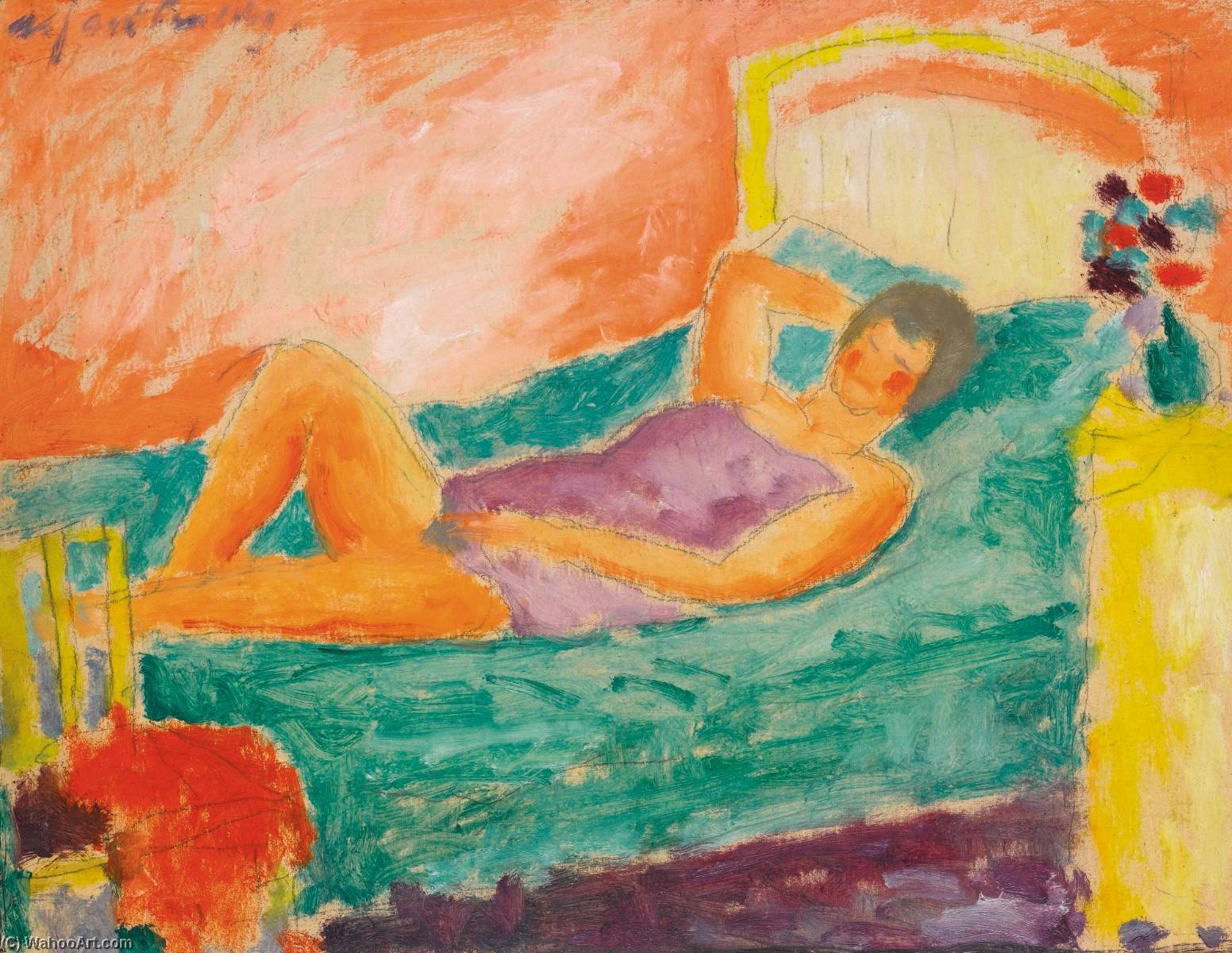
Akt in St. Prex (Nude in St. Prex)

 詳細を見る
詳細を見る
ジークレー/アートプリント
迅速な制作と多彩な仕上げオプションを備えた、ミュージアムクオリティのジークレーまたはキャンバスプリント。 ( 手描きの絵画を購入 画像を購入)




P118B $10

P118H $10

P118W $10

P438Z $10

P508JH $12

P508YH $12

P805H $10

P805Z $10

P919BZ $10

P919G $10

P919XJ $10

P959ZH $10

P968JZ $12

W106C $8

W218G $10

W218JH $8

W218Y $10

W307PJ $10

W316G $10

W316PJ $8

W316Y $10

W398PJ $8

W4111J $10

W500HY $15

W500JH $15

W692G $12

W849H $8

W940BG $15

W953PJ $8




作品のオリジナル比率に合わせた、当店の規定サイズからお選びください。

特定のフレームやスペースに合わせて、ご自身でサイズを指定することも可能です。選択されたサイズが元の画像の比率と一致しない場合、作品をトリミングするか、鏡面反射または単色での塗りつぶしによって画像を拡張いたします。制作を開始する前に、ご確認用のデジタルモックアップをお送りいたします。
画面上のプレビューには、実際のトリミングや拡張は反映されませんのでご注意ください。最終的な構図を正確に確認できるのは、モックアップのみとなります。
カスタムサイズも承っておりますが、元の比率を維持するためには、あらかじめ用意されたリストからサイズを選択することをお勧めいたします。


 ガラスオプションは、110cm未満のサイズでのみご利用いただけます。

Akt in St. Prex (Nude in St. Prex)
ジークレー/アートプリント
複製画のサイズ
-


合計金額
$ 62
A Symphony in Crimson and Gold: Exploring Rembrandt’s ‘The Return of Susanna and David’
Rembrandt van Rijswijk’s “The Return of Susanna and David,” painted around 1637-38, transcends mere depiction; it embodies the profound emotional core of biblical narrative interwoven with masterful artistic technique. This monumental canvas, housed in the Gemäldegalerie Alte Meister in Dresden, Germany, captures a pivotal moment from the Book of Judges – Susanna’s daring escape from David’s lustful pursuit and subsequent triumphant return to her husband’s embrace.
Style & Composition: Rembrandt's signature style—characterized by dramatic chiaroscuro—dominates the artwork. The artist skillfully employs light and shadow to sculpt figures, creating a palpable sense of depth and realism that was revolutionary for its time. The composition is deliberately asymmetrical, drawing the viewer’s eye across the canvas with an energetic diagonal line tracing Susanna's movement as she flees David’s gaze. Despite the turbulent scene depicted, Rembrandt achieves remarkable serenity through careful positioning and subtle gestures.
Technique: Rembrandt utilized a technique known as impasto—thickly applied paint—primarily on Susanna’s drapery and David’s torso. This textural approach wasn't merely decorative; it conveyed the physicality of the figures, emphasizing their vulnerability and strength simultaneously. The artist meticulously blended oil paints with turpentine to achieve luminous colors and subtle gradations, capturing the ethereal quality of light filtering through the room.
Historical Context: Painted during Rembrandt’s Golden Age—a period marked by artistic flourishing in Amsterdam—the painting reflects the broader intellectual currents of its time. Baroque art sought to evoke emotion and grandeur, mirroring the religious fervor prevalent in Europe. Rembrandt's depiction aligns with humanist ideals that championed human dignity and moral fortitude, portraying Susanna as a courageous heroine who defies societal pressures.
Symbolism: The painting is rich in symbolic imagery. Susanna’s scarlet robe symbolizes purity and innocence, while David’s gaze represents desire and temptation. The biblical narrative itself speaks to themes of righteousness versus wickedness, courage versus fearlessness, and ultimately, triumph over adversity. Rembrandt subtly incorporates these symbols into the artwork's visual language, enriching its meaning beyond a simple retelling of the story.
Emotional Impact: “The Return of Susanna and David” resonates deeply with viewers due to its masterful portrayal of human emotion. Rembrandt captures the palpable tension between Susanna’s apprehension and David’s unwavering gaze, conveying the psychological drama inherent in the situation. The painting's luminous colors and dramatic chiaroscuro evoke a sense of awe and wonder, inviting contemplation on themes of faith, morality, and resilience—a testament to Rembrandt’s enduring legacy as one of history’s greatest artists.
Exploring Rembrandt’s Mastery: Light and Shadow – A Detailed Examination
Rembrandt's unparalleled ability to manipulate light and shadow—known as chiaroscuro—is arguably the defining characteristic of “The Return of Susanna and David.” He doesn’t merely illuminate his subjects; he sculpts them with light, creating an illusion of three-dimensionality that transcends conventional painting techniques. Observe how Rembrandt directs beams of light across Susanna's drapery, highlighting its folds and contours, while simultaneously plunging David’s torso into darkness.
This dramatic interplay of light and shadow isn’t simply stylistic ornamentation; it serves a crucial narrative purpose. The darkness symbolizes David’s obsession and the threat he poses to Susanna’s safety, whereas the light represents divine grace and Susanna's eventual deliverance. Rembrandt achieves this effect through meticulous layering of glazes—thin coats of translucent paint—allowing him to subtly modulate the intensity of color and luminosity.
The Texture of Emotion: Impasto Technique and Its Significance
Rembrandt’s impasto technique – applying thick layers of paint onto the canvas – is particularly evident in Susanna's gown. The textured surface captures the physicality of fabric, conveying a sense of movement and dynamism that contributes to the painting’s overall emotional impact. This deliberate roughness wasn’t intended as mere accident; it was a conscious decision by Rembrandt to heighten the visual experience for the viewer.
Furthermore, impasto enhances the expressive qualities of the artwork. The ridges and peaks of paint create a palpable sense of depth and texture, mirroring the turbulent emotions depicted in the scene. It’s as if Rembrandt himself wanted to imbue the canvas with the very essence of human experience—a bold departure from smoother, more polished styles prevalent during the Baroque period.
A Window into Biblical Narrative: Rembrandt's Interpretation
"The Return of Susanna and David" isn’t merely a reproduction of biblical scripture; it’s Rembrandt’s profound interpretation of its themes. He captures the psychological complexities of the narrative, portraying Susanna as a woman grappling with fear and vulnerability while simultaneously asserting her moral integrity. Rembrandt skillfully conveys the drama of the moment—the desperate flight from danger, the unwavering gaze of desire—transforming a familiar tale into an unforgettable visual experience.
Through his masterful use of light, shadow, and texture, Rembrandt elevates “The Return of Susanna and David” beyond mere storytelling; it becomes a timeless meditation on human resilience and the triumph of virtue over temptation—a masterpiece that continues to inspire awe and admiration centuries after its creation.
関連作品

アーティストの略歴
アレクセイ・フォン・ヤヴレンスキー:感情に染められた人生
アレクセイ・フォン・ヤヴレンスキー(1864年3月13日 - 1941年3月15日)は、ロシア生まれの画家であり、20世紀初頭の表現主義を代表する重要な人物の一人として知られています。彼の人生は、故郷であるトルジョックから始まり、モスクワでの幼少期を経て、芸術への情熱が芽生え、やがてミュンヘンへと移り、独自の芸術世界を確立していくという、波瀾万丈なものでした。当初は軍人としての道を志しましたが、1880年のモスクワ万博で目にした芸術作品との出会いが、彼の人生の転換点となり、絵画への献身へと導きました。サンクトペテルブルク美術アカデミーでの学びを経て、彼はイリヤ・レピンという巨匠と出会い、その影響を受けながら、自身の芸術的探求を深めていきます。そして、画家であり庇護者でもあるマリアンネ・フォン・ヴェレフキンの登場は、彼の芸術活動に大きな支えとなり、経済的な安定をもたらすだけでなく、芸術家としての成長を促しました。ミュンヘンでの表現主義の萌芽
1894年にミュンヘンへ拠点を移したヤヴレンスキーは、アントン・アズベーの私塾で研鑽を積む中で、当時のヨーロッパ美術界を席巻していた新しい芸術思想に触れました。フェルディナント・ホドラーやヤン・ヴェルカデといった画家たちとの交流を通して、象徴主義や合成主義の影響を受け、内面世界からの感情表現を重視する独自のスタイルへと発展していきます。初期の作品には印象派的な要素も残されていますが、次第に色彩の鮮烈さが増し、構成は簡素化され、より精神性を帯びた表現へと向かっていきました。新ミュンヘン芸術家協会への参加や、青い騎士団(Der Blaue Reiter)との関わりを通して、彼は表現主義運動の中心人物の一人として活躍しました。神秘の顔:魂を映す色彩
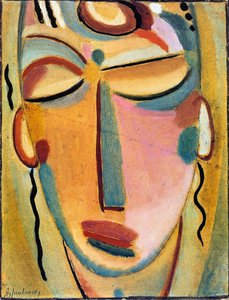
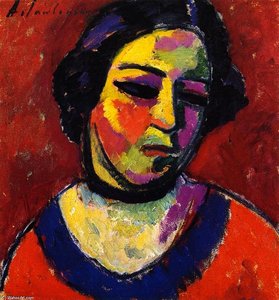
ヤヴレンスキーの芸術における最大の功績は、1909年頃から制作を開始した「神秘の顔」シリーズにあります。これらの作品は、単なる肖像画ではなく、被写体の内面にある精神性や感情を捉えようとした試みであり、その鮮やかな色彩と抽象化されたフォルムは見る者を魅了します。ショッコと赤い帽子やアレクサンドル・サハロフの肖像といった作品に見られるように、顔は幾何学的な形へと還元され、色彩によって感情が表現されています。これは、肉体的な外見を超えて、人間の魂の本質を捉えようとしたヤヴレンスキーの芸術的探求の集大成と言えるでしょう。1910年代には、さらに抽象化が進み、限られた色彩と幾何学的な構成要素によって、強烈な感情表現を生み出す独自の様式を確立しました。流浪と晩年:揺るぎない芸術への献身
第一次世界大戦の勃発により、ヤヴレンスキーはドイツから亡命し、スイスへと移り住みました。そこで彼はエミー・シェイヤーという女性と出会い、彼女は彼の作品を熱心に擁護し、アメリカで積極的にプロモーションを行いました。晩年は、関節炎による身体的な苦痛に苛まれながらも、芸術への情熱は衰えることなく、1937年まで制作活動を続けました。1941年3月15日、ヴィースバーデンにてその生涯を閉じましたが、彼の作品は今日でも世界中の美術館に収蔵され、多くの人々に感動を与え続けています。影響と芸術的遺産
ヤヴレンスキーの芸術は、イリヤ・レピンやマリアンネ・フォン・ヴェレフキンの庇護のもとで育まれました。また、フェルディナント・ホドラー、ヤン・ヴェルカデといった画家たちとの交流も彼の芸術的成長に大きな影響を与えました。さらに、ワシリー・カンディンスキーやフランツ・マルクといった青い騎士団のメンバーとの共同制作は、表現主義運動を深化させる上で重要な役割を果たしました。ヤヴレンスキーの作品は、色彩とフォルムを通して人間の内面世界を探求する姿勢が特徴であり、その影響は現代美術にも受け継がれています。彼の芸術的遺産は、感情に根差した表現の可能性を示唆し、後世のアーティストたちに多大なインスピレーションを与え続けています。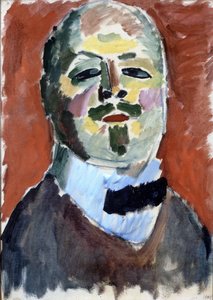
アレクセイ・フォン・ヤウレンスキー
1864 - 1941 , ロシア
基本情報
- フルネーム: アレクセイ・フォン・ヤヴレンスキー
- 主な作品:
- ショッコと赤い帽子
- アレクサンダー・サハロフの肖像
- 紫色のターバン
- 出生地: トルジョック(ロシア)
- 国籍: ロシア
- 影響を与えた芸術家/運動: ['ブルーライダー']
- 影響を受けたアーティスト:
- イリヤ・レーピン
- フェルディナント・ホドラー
- 死亡年月日: 1941年3月15日
- 生年月日: 1864年3月13日
- 芸術運動/スタイル: 表現主義