 プレビュー
プレビュー
 プリントを購入
 シェアする
シェアする シェアする
シェアする
 詳細を見る
詳細を見る

 ダウンロード
 似ている作品
 X線調査
X線調査 スライドショー
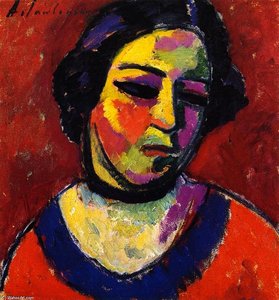
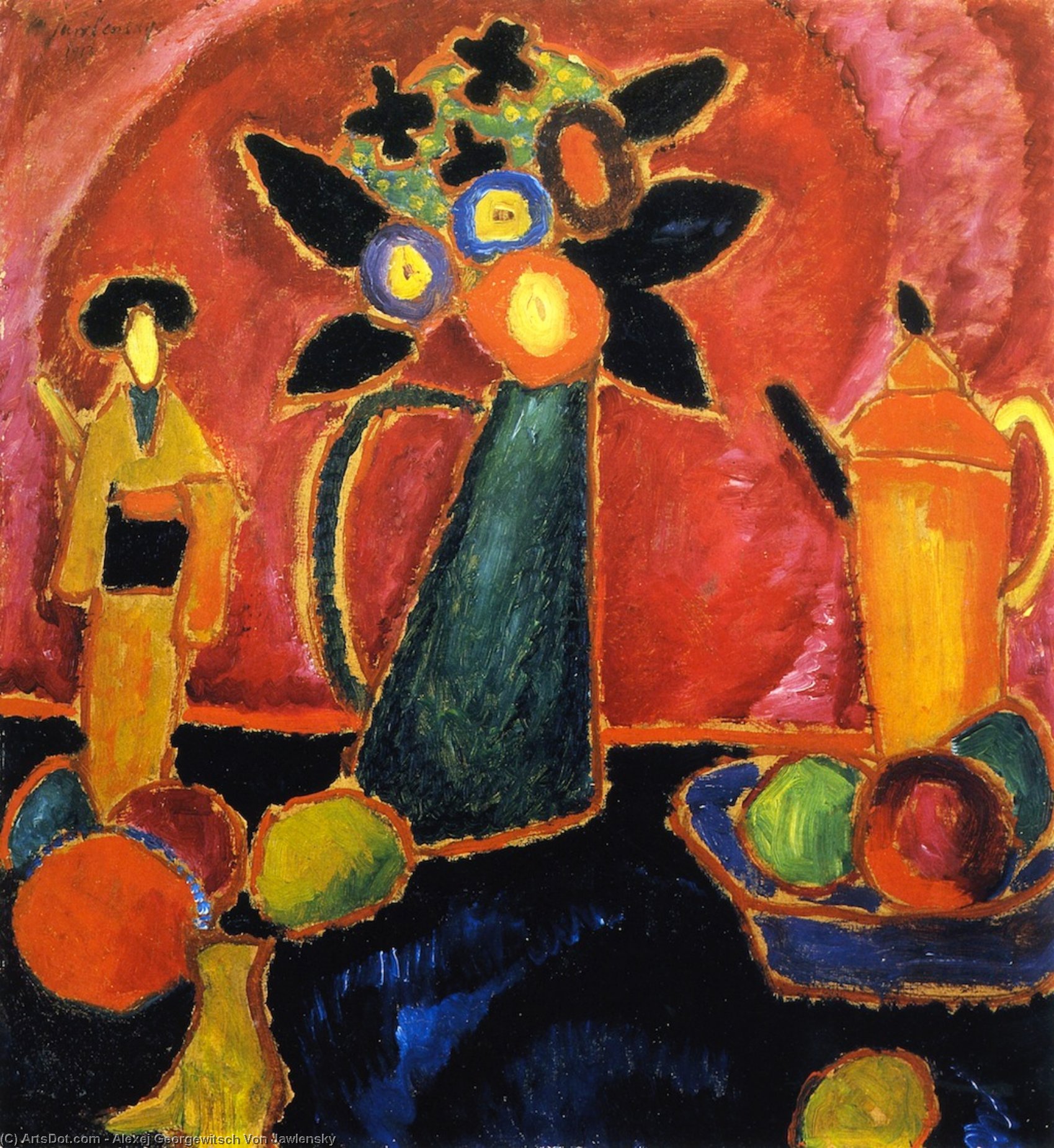
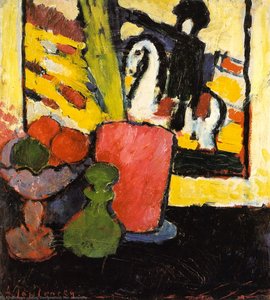
Japanese Flower
 Acrylic On Canvas
- WallArt
- Expressionist Color Study
 1913
1913- 19th Century
 54.0 x 50.0 cm
 詳細を見る
詳細を見る




P118B $10

P118H $10

P118W $10

P438Z $10

P508JH $12

P508YH $12

P805H $10

P805Z $10

P919BZ $10

P919G $10

P919XJ $10

P959ZH $10

P968JZ $12

W106C $8

W218G $10

W218JH $8

W218Y $10

W307PJ $10

W316G $10

W316PJ $8

W316Y $10

W398PJ $8

W4111J $10

W500HY $15

W500JH $15

W692G $12

W849H $8

W940BG $15

W953PJ $8




作品のオリジナル比率に合わせた、当店の規定サイズからお選びください。

特定のフレームやスペースに合わせて、ご希望のサイズをご入力いただけます。選択されたサイズが元の画像の比率と異なる場合、アートワークをトリミングするか、手描きで要素を追加して絵画を拡張いたします。デジタルモックアップ を制作し、制作開始前にご確認(承認)をいただきます。
画面上のプレビューは、実際のトリミングや拡張を正確に反映しているものではありません。最終的な構図は、モックアップによってのみ正確にご確認いただけます。
カスタムサイズもご利用いただけますが、元の比率を維持するためには、あらかじめ用意されたリストからサイズを選択することをお勧めいたします。
ご注文後、ArtsDot.com チームより詳細な指示をお送りするとともに、仕上がりイメージ(モックアップ)をご提供いたします。


 ガラスオプションは、110cm未満のサイズでのみご利用いただけます。

Japanese Flower
複製技法
複製画のサイズ
-


合計金額
$ 263
作品解説
Alexej von Jawlensky’s ‘Japanese Flower’: A Study in Emotional Color
This arresting artwork, titled ‘Japanese Flower,’ offers a profound glimpse into the intensely expressive world of Alexej von Jawlensky – a pivotal figure in early 20th-century Expressionism. Executed in 1913, during a period of immense artistic experimentation and emotional upheaval, this piece transcends mere representation, instead functioning as a direct conduit for the artist’s deeply felt inner state. The subject matter itself—a woman contemplating a vibrant flower arrangement – is deliberately ambiguous, inviting viewers to project their own emotions and interpretations onto the scene.
The Artist's Vision: Jawlensky and the New Munich Group
Alexej von Jawlensky (1864-1941) was a key member of several influential artistic groups during his time, including the Neue Künstlervereinigung München (New Artists’ Association), often referred to as “Die Brucke” (“The Bridge”), and later Die Blaue Vier (“The Blue Four”). These groups, reacting against the prevailing academic styles, championed a raw, subjective approach to art – prioritizing emotional impact over photographic realism. Jawlensky's training at St. Petersburg Academy of Arts instilled in him a strong foundation in traditional techniques, but his time with Ilya Repin and Marianne Werefkin exposed him to a more expressive style. His relocation to Munich in 1894 marked a crucial turning point, placing him within the orbit of artists like Kandinsky and other pioneers pushing the boundaries of color and form. The influence of Nabis (Symbolist) painters, particularly through Verkade and Sérusier, is evident in his early work’s emphasis on luminous color and simplified forms.
Technique & Style: A Fusion of Realism and Expression
‘Japanese Flower’ exemplifies Jawlensky's distinctive artistic style – a potent blend of realism and expression. The meticulous rendering of the woman’s figure, with its subtly modeled features and carefully observed details, is juxtaposed against a deliberately flattened, almost graphic use of color. Jawlensky employed thick impasto brushstrokes, layering paint to create a tactile surface that vibrates with energy. His palette is dominated by intense, saturated hues – deep reds, blues, and greens – applied in bold, unmodulated blocks. This technique wasn’t simply decorative; it was a deliberate strategy to evoke powerful emotional responses in the viewer. The apples scattered throughout the composition are not merely still life elements but symbolic additions, potentially representing temptation, desire, or even mortality—themes frequently explored by Jawlensky.
Symbolism & Emotional Resonance
Beyond its formal qualities, ‘Japanese Flower’ is laden with symbolism. The woman's contemplative pose suggests a moment of introspection and perhaps a yearning for something beyond the material world. The inclusion of the bird in the upper left corner could represent freedom, spirituality, or simply an element of nature adding to the scene’s tranquility. Jawlensky frequently employed such seemingly simple details to imbue his work with layers of meaning. This painting resonates deeply with the artist's broader concerns – exploring themes of faith, suffering, and the human condition through a highly personal and emotionally charged lens. It is a testament to Jawlensky’s ability to translate profound psychological states onto canvas, creating an artwork that continues to captivate and move viewers over a century later.
関連作品
アーティストの略歴
アレクセイ・フォン・ヤヴレンスキー:感情に染められた人生
アレクセイ・フォン・ヤヴレンスキー(1864年3月13日 - 1941年3月15日)は、ロシア生まれの画家であり、20世紀初頭の表現主義を代表する重要な人物の一人として知られています。彼の人生は、故郷であるトルジョックから始まり、モスクワでの幼少期を経て、芸術への情熱が芽生え、やがてミュンヘンへと移り、独自の芸術世界を確立していくという、波瀾万丈なものでした。当初は軍人としての道を志しましたが、1880年のモスクワ万博で目にした芸術作品との出会いが、彼の人生の転換点となり、絵画への献身へと導きました。サンクトペテルブルク美術アカデミーでの学びを経て、彼はイリヤ・レピンという巨匠と出会い、その影響を受けながら、自身の芸術的探求を深めていきます。そして、画家であり庇護者でもあるマリアンネ・フォン・ヴェレフキンの登場は、彼の芸術活動に大きな支えとなり、経済的な安定をもたらすだけでなく、芸術家としての成長を促しました。ミュンヘンでの表現主義の萌芽
1894年にミュンヘンへ拠点を移したヤヴレンスキーは、アントン・アズベーの私塾で研鑽を積む中で、当時のヨーロッパ美術界を席巻していた新しい芸術思想に触れました。フェルディナント・ホドラーやヤン・ヴェルカデといった画家たちとの交流を通して、象徴主義や合成主義の影響を受け、内面世界からの感情表現を重視する独自のスタイルへと発展していきます。初期の作品には印象派的な要素も残されていますが、次第に色彩の鮮烈さが増し、構成は簡素化され、より精神性を帯びた表現へと向かっていきました。新ミュンヘン芸術家協会への参加や、青い騎士団(Der Blaue Reiter)との関わりを通して、彼は表現主義運動の中心人物の一人として活躍しました。神秘の顔:魂を映す色彩
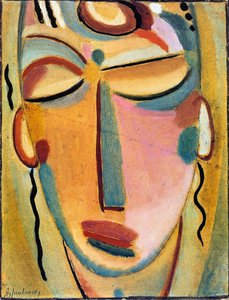
ヤヴレンスキーの芸術における最大の功績は、1909年頃から制作を開始した「神秘の顔」シリーズにあります。これらの作品は、単なる肖像画ではなく、被写体の内面にある精神性や感情を捉えようとした試みであり、その鮮やかな色彩と抽象化されたフォルムは見る者を魅了します。ショッコと赤い帽子やアレクサンドル・サハロフの肖像といった作品に見られるように、顔は幾何学的な形へと還元され、色彩によって感情が表現されています。これは、肉体的な外見を超えて、人間の魂の本質を捉えようとしたヤヴレンスキーの芸術的探求の集大成と言えるでしょう。1910年代には、さらに抽象化が進み、限られた色彩と幾何学的な構成要素によって、強烈な感情表現を生み出す独自の様式を確立しました。流浪と晩年:揺るぎない芸術への献身
第一次世界大戦の勃発により、ヤヴレンスキーはドイツから亡命し、スイスへと移り住みました。そこで彼はエミー・シェイヤーという女性と出会い、彼女は彼の作品を熱心に擁護し、アメリカで積極的にプロモーションを行いました。晩年は、関節炎による身体的な苦痛に苛まれながらも、芸術への情熱は衰えることなく、1937年まで制作活動を続けました。1941年3月15日、ヴィースバーデンにてその生涯を閉じましたが、彼の作品は今日でも世界中の美術館に収蔵され、多くの人々に感動を与え続けています。影響と芸術的遺産
ヤヴレンスキーの芸術は、イリヤ・レピンやマリアンネ・フォン・ヴェレフキンの庇護のもとで育まれました。また、フェルディナント・ホドラー、ヤン・ヴェルカデといった画家たちとの交流も彼の芸術的成長に大きな影響を与えました。さらに、ワシリー・カンディンスキーやフランツ・マルクといった青い騎士団のメンバーとの共同制作は、表現主義運動を深化させる上で重要な役割を果たしました。ヤヴレンスキーの作品は、色彩とフォルムを通して人間の内面世界を探求する姿勢が特徴であり、その影響は現代美術にも受け継がれています。彼の芸術的遺産は、感情に根差した表現の可能性を示唆し、後世のアーティストたちに多大なインスピレーションを与え続けています。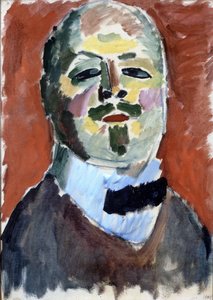
アレクセイ・フォン・ヤウレンスキー
1864 - 1941 , ロシア
基本情報
- フルネーム: アレクセイ・フォン・ヤヴレンスキー
- 主な作品:
- ショッコと赤い帽子
- アレクサンダー・サハロフの肖像
- 紫色のターバン
- 出生地: トルジョック(ロシア)
- 国籍: ロシア
- 影響を与えた芸術家/運動: ['ブルーライダー']
- 影響を受けたアーティスト:
- イリヤ・レーピン
- フェルディナント・ホドラー
- 死亡年月日: 1941年3月15日
- 生年月日: 1864年3月13日
- 芸術運動/スタイル: 表現主義
関連記事

葛飾北斎:25の傑作が語る浮世絵の世界 - ArtsDot
葛飾北斎の25選:『神奈川沖浪裏』や『富嶽三十六景』など、浮世絵の世界を深く探求。木版画の技法と日本美術の美をArtsDotで。高品質なアートプリントで空間に感動を。コレクションはこちら。

Giclée Prints: Archival Quality & Aesthetic Nuances for the Discerning Collector
Explore the world of giclée prints with ArtsDot. Learn about archival quality, aesthetic nuances & investment potential. Expert guidance for discerning art collectors seeking museum-quality reproductions and lasting value.

The Enduring Legacy of Fine Art Prints: Technique, History & Aesthetic Impact
Explore the rich history & techniques of fine art prints. Discover investment potential, assess authenticity, and learn how to preserve your collection with expert guidance. Trusted insights for discerning collectors.

Echoes of Time: Exploring the Enduring Appeal & Historical Context of Vintage Art Prints
Explore the captivating world of vintage art prints! Discover their history, collecting tips & enduring appeal. Expert insights on chromolithography and building a legacy collection with ArtsDot.
The Enduring Legacy of Woodblock Printmaking: Technique, History & Artistic Expression
Explore the rich history of woodblock printmaking – from ancient techniques to Ukiyo-e masterpieces. Discover expert insights on collecting, preserving & appreciating this enduring art form.