 プレビュー
プレビュー
 シェアする
シェアする シェアする
シェアする
 詳細を見る
詳細を見る

 ダウンロード
 似ている作品
 X線調査
X線調査 スライドショー
 統計情報
統計情報Meditative Woman


 詳細を見る
詳細を見る
手描き油彩複製画
当社のアーティストが、お客様のご希望のサイズと額縁に合わせて、キャンバスに手描きで制作する油彩画です。 ( プリント版に切り替え デジタル画像販売へ切り替え)




P118B $10

P118H $10

P118W $10

P438Z $10

P508JH $12

P508YH $12

P805H $10

P805Z $10

P919BZ $10

P919G $10

P919XJ $10

P959ZH $10

P968JZ $12

W106C $8

W218G $10

W218JH $8

W218Y $10

W307PJ $10

W316G $10

W316PJ $8

W316Y $10

W398PJ $8

W4111J $10

W500HY $15

W500JH $15

W692G $12

W849H $8

W940BG $15

W953PJ $8




作品のオリジナル比率に合わせた、当店の規定サイズからお選びください。

特定のフレームやスペースに合わせて、ご希望のサイズをご入力いただけます。選択されたサイズが元の画像の比率と異なる場合、アートワークをトリミングするか、手描きで要素を追加して絵画を拡張いたします。デジタルモックアップ を制作し、制作開始前にご確認(承認)をいただきます。
画面上のプレビューは、実際のトリミングや拡張を正確に反映しているものではありません。最終的な構図は、モックアップによってのみ正確にご確認いただけます。
カスタムサイズもご利用いただけますが、元の比率を維持するためには、あらかじめ用意されたリストからサイズを選択することをお勧めいたします。
ご注文後、ArtsDot.com チームより詳細な指示をお送りするとともに、仕上がりイメージ(モックアップ)をご提供いたします。


 ガラスオプションは、110cm未満のサイズでのみご利用いただけます。

Meditative Woman
複製技法
複製画のサイズ
-


合計金額
$ 263
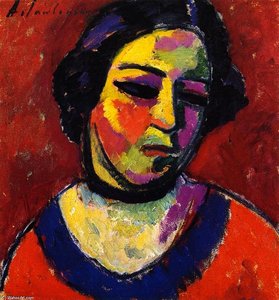
A Window into the Soul: The Expressive Power of Meditative Woman
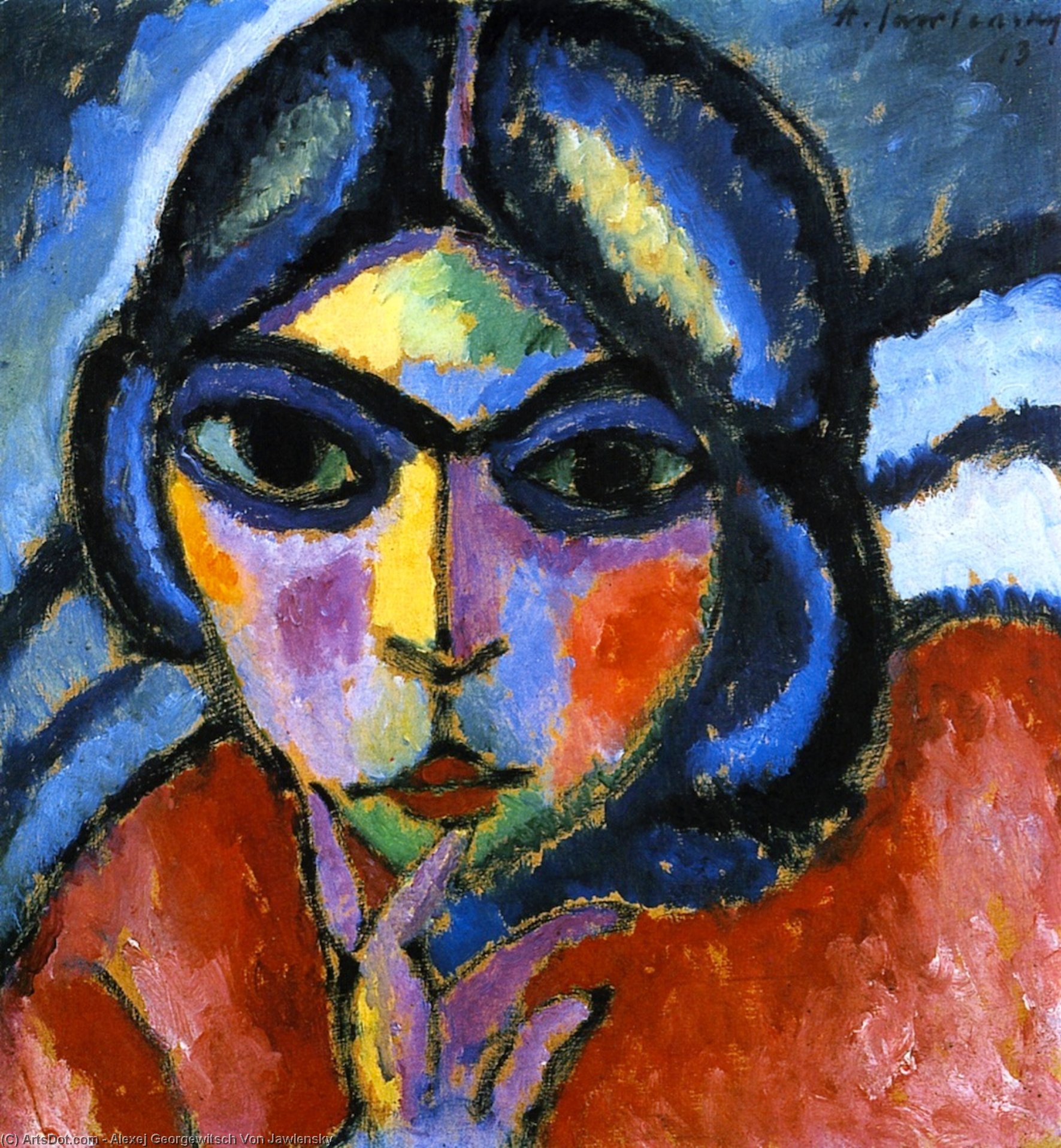
In the realm of early twentieth-century modernism, few works capture the profound intersection of psychological depth and chromatic intensity quite like Alexej von Jawlensky’s 1913 masterpiece, Meditative Woman. This oil on panel work is far more than a mere portrait; it is an arresting emblem of the Expressionist movement, a period where artists sought to strip away the superficial layers of reality to reveal the raw, emotional truth beneath. As one gazes upon the subject, there is an immediate sense of being drawn into a private moment of introspection. The woman, with her long, flowing hair and a gaze that drifts toward an unseen horizon, embodies a quiet strength and a deep, internal dialogue. For the discerning collector or interior designer, this piece offers a captivating focal point that commands attention through its spiritual gravity rather than mere decorative flair.
The technical brilliance of Jawlensky lies in his ability to use color as a language of emotion. Moving away from the academic precision of his Russian training, Jawlensky embraced a vibrant, almost rhythmic palette dominated by crimson, ochre, and violet. These are not merely colors chosen for their beauty; they are carefully selected pigments intended to vibrate against one another, creating a sense of movement and life within the stillness of the subject's pose. The artist employs a masterful technique of thick impasto, where layers of paint are applied with such confidence that the canvas takes on a palpable, physical texture. This tactile quality adds a layer of complexity to the work, allowing light to catch the ridges of the brushstrokes and lending a sense of urgency and vitality to the woman's contemplative expression.
Historical Resonance and Symbolic Depth
To understand Meditative Woman, one must consider the turbulent era of its creation. Painted in 1913, on the precipice of profound global upheaval, the painting reflects a world in transition. Jawlensky, a pivotal figure in groups such as Der Blaue Reiter, utilized the distorted forms and heightened colors characteristic of Expressionism to mirror the existential anxieties of the age. The elongated features of the face and the simplified, bold outlines serve to de-emphasette the physical likeness in favor of a psychological portrait. In this way, the subject becomes an archetype for the human condition—a symbol of solitude, spirituality, and the search for meaning amidst chaos.
For those looking to integrate such a profound work into a curated space, Meditative Woman provides an unparalleled opportunity to introduce narrative depth. Whether placed in a contemporary gallery setting or as a soulful centerpiece in a sophisticated residential study, the painting acts as a catalyst for conversation and reflection. It does not simply occupy space; it transforms it, inviting anyone who encounters it to pause, breathe, and engage in their own moment of meditation. Owning a high-quality reproduction of this Jawlensky treasure allows the enduring legacy of Expressionist emotion to reside within your personal collection, offering a timeless connection to one of art history's most evocative eras.
関連作品

アーティストの略歴
アレクセイ・フォン・ヤヴレンスキー:感情に染められた人生
アレクセイ・フォン・ヤヴレンスキー(1864年3月13日 - 1941年3月15日)は、ロシア生まれの画家であり、20世紀初頭の表現主義を代表する重要な人物の一人として知られています。彼の人生は、故郷であるトルジョックから始まり、モスクワでの幼少期を経て、芸術への情熱が芽生え、やがてミュンヘンへと移り、独自の芸術世界を確立していくという、波瀾万丈なものでした。当初は軍人としての道を志しましたが、1880年のモスクワ万博で目にした芸術作品との出会いが、彼の人生の転換点となり、絵画への献身へと導きました。サンクトペテルブルク美術アカデミーでの学びを経て、彼はイリヤ・レピンという巨匠と出会い、その影響を受けながら、自身の芸術的探求を深めていきます。そして、画家であり庇護者でもあるマリアンネ・フォン・ヴェレフキンの登場は、彼の芸術活動に大きな支えとなり、経済的な安定をもたらすだけでなく、芸術家としての成長を促しました。ミュンヘンでの表現主義の萌芽
1894年にミュンヘンへ拠点を移したヤヴレンスキーは、アントン・アズベーの私塾で研鑽を積む中で、当時のヨーロッパ美術界を席巻していた新しい芸術思想に触れました。フェルディナント・ホドラーやヤン・ヴェルカデといった画家たちとの交流を通して、象徴主義や合成主義の影響を受け、内面世界からの感情表現を重視する独自のスタイルへと発展していきます。初期の作品には印象派的な要素も残されていますが、次第に色彩の鮮烈さが増し、構成は簡素化され、より精神性を帯びた表現へと向かっていきました。新ミュンヘン芸術家協会への参加や、青い騎士団(Der Blaue Reiter)との関わりを通して、彼は表現主義運動の中心人物の一人として活躍しました。神秘の顔:魂を映す色彩
ヤヴレンスキーの芸術における最大の功績は、1909年頃から制作を開始した「神秘の顔」シリーズにあります。これらの作品は、単なる肖像画ではなく、被写体の内面にある精神性や感情を捉えようとした試みであり、その鮮やかな色彩と抽象化されたフォルムは見る者を魅了します。ショッコと赤い帽子やアレクサンドル・サハロフの肖像といった作品に見られるように、顔は幾何学的な形へと還元され、色彩によって感情が表現されています。これは、肉体的な外見を超えて、人間の魂の本質を捉えようとしたヤヴレンスキーの芸術的探求の集大成と言えるでしょう。1910年代には、さらに抽象化が進み、限られた色彩と幾何学的な構成要素によって、強烈な感情表現を生み出す独自の様式を確立しました。流浪と晩年:揺るぎない芸術への献身
第一次世界大戦の勃発により、ヤヴレンスキーはドイツから亡命し、スイスへと移り住みました。そこで彼はエミー・シェイヤーという女性と出会い、彼女は彼の作品を熱心に擁護し、アメリカで積極的にプロモーションを行いました。晩年は、関節炎による身体的な苦痛に苛まれながらも、芸術への情熱は衰えることなく、1937年まで制作活動を続けました。1941年3月15日、ヴィースバーデンにてその生涯を閉じましたが、彼の作品は今日でも世界中の美術館に収蔵され、多くの人々に感動を与え続けています。影響と芸術的遺産
ヤヴレンスキーの芸術は、イリヤ・レピンやマリアンネ・フォン・ヴェレフキンの庇護のもとで育まれました。また、フェルディナント・ホドラー、ヤン・ヴェルカデといった画家たちとの交流も彼の芸術的成長に大きな影響を与えました。さらに、ワシリー・カンディンスキーやフランツ・マルクといった青い騎士団のメンバーとの共同制作は、表現主義運動を深化させる上で重要な役割を果たしました。ヤヴレンスキーの作品は、色彩とフォルムを通して人間の内面世界を探求する姿勢が特徴であり、その影響は現代美術にも受け継がれています。彼の芸術的遺産は、感情に根差した表現の可能性を示唆し、後世のアーティストたちに多大なインスピレーションを与え続けています。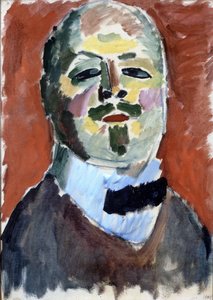
アレクセイ・フォン・ヤウレンスキー
1864 - 1941 , ロシア
基本情報
- フルネーム: アレクセイ・フォン・ヤヴレンスキー
- 主な作品:
- ショッコと赤い帽子
- アレクサンダー・サハロフの肖像
- 紫色のターバン
- 出生地: トルジョック(ロシア)
- 国籍: ロシア
- 影響を与えた芸術家/運動: ['ブルーライダー']
- 影響を受けたアーティスト:
- イリヤ・レーピン
- フェルディナント・ホドラー
- 死亡年月日: 1941年3月15日
- 生年月日: 1864年3月13日
- 芸術運動/スタイル: 表現主義
関連記事
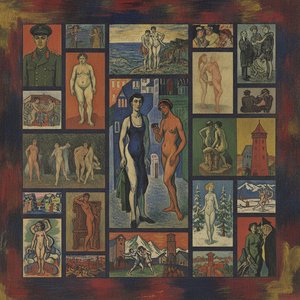
25 Masterpieces by Ernst Ludwig Kirchner: The Soul of German Expressionism
Immerse yourself in the raw emotion of German Expressionism with our curated guide to the top 25 Ernst Ludwig Kirchner masterpieces. Explore iconic works, bold colors, and urban landscapes through museum-quality art reproductions. Discover all masterpieces on ArtsDot.com.
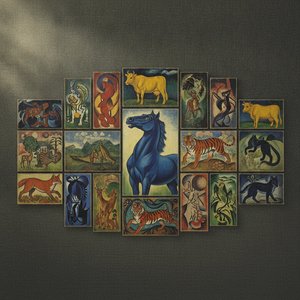
25 Masterpieces by Franz Marc: The Soul of German Expressionism
Immerse yourself in the vibrant world of Franz Marc. Explore 25 iconic German Expressionist masterpieces, from symbolic blue horses to spiritual landscapes. Find inspiration for museum-quality art reproductions and decor. Discover all masterpieces on ArtsDot.com.
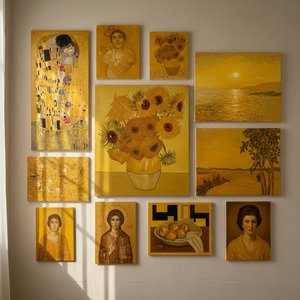
Golden Hues: Top 10 Paintings Dominated by Yellow Ochre |
Explore 10 iconic paintings bathed in golden yellow ochre! From Van Gogh's sunflowers to Monet’s haystacks, discover the stories behind these masterpieces. Find museum-quality art reproductions & elevate your home decor on .
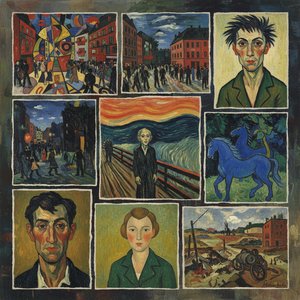
Expressionist Painting: 10 Masterpieces That Defined a Movement | ArtsDot
Explore 10 Expressionist paintings that revolutionized art! Discover Munch, Kirchner & Kandinsky's iconic works. Find museum-quality reproductions and vibrant canvas prints to elevate your home decor on ArtsDot.com.

10 Masterpieces Defined by the Magic of Cobalt Violet
Immerse yourself in the enchanting world of cobalt violet. Explore 10 iconic masterpieces, from Impressionist classics to modern gems, and learn the stories behind their vibrant hues. Find museum-quality art reproductions for your decor at ArtsDot.com. Discover all masterpieces online.