 プレビュー
プレビュー
 シェアする
シェアする シェアする
シェアする
 詳細を見る
詳細を見る

 ダウンロード
 似ている作品
 X線調査
X線調査 スライドショー
Portrait of a Woman, Katia


 詳細を見る
詳細を見る
ジークレー/アートプリント
迅速な制作と多彩な仕上げオプションを備えた、ミュージアムクオリティのジークレーまたはキャンバスプリント。 ( 手描きの絵画を購入 画像を購入)




P118B $10

P118H $10

P118W $10

P438Z $10

P508JH $12

P508YH $12

P805H $10

P805Z $10

P919BZ $10

P919G $10

P919XJ $10

P959ZH $10

P968JZ $12

W106C $8

W218G $10

W218JH $8

W218Y $10

W307PJ $10

W316G $10

W316PJ $8

W316Y $10

W398PJ $8

W4111J $10

W500HY $15

W500JH $15

W692G $12

W849H $8

W940BG $15

W953PJ $8




作品のオリジナル比率に合わせた、当店の規定サイズからお選びください。

特定のフレームやスペースに合わせて、ご自身でサイズを指定することも可能です。選択されたサイズが元の画像の比率と一致しない場合、作品をトリミングするか、鏡面反射または単色での塗りつぶしによって画像を拡張いたします。制作を開始する前に、ご確認用のデジタルモックアップをお送りいたします。
画面上のプレビューには、実際のトリミングや拡張は反映されませんのでご注意ください。最終的な構図を正確に確認できるのは、モックアップのみとなります。
カスタムサイズも承っておりますが、元の比率を維持するためには、あらかじめ用意されたリストからサイズを選択することをお勧めいたします。


 ガラスオプションは、110cm未満のサイズでのみご利用いただけます。

Portrait of a Woman, Katia
ジークレー/アートプリント
複製画のサイズ
-


合計金額
$ 62
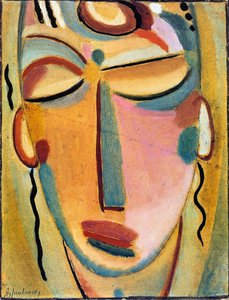
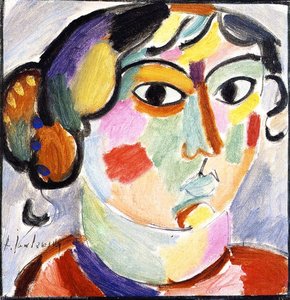
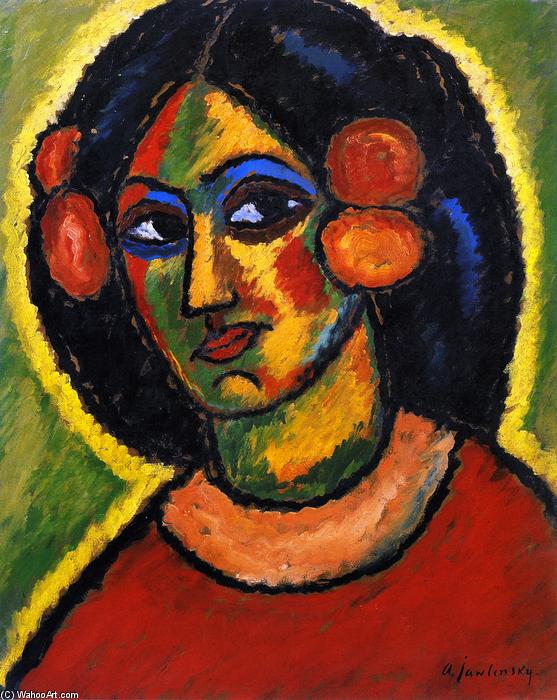
Alexej von Jawlensky’s ‘Katia’: A Portrait of Raw Emotion
“Katia,” painted circa 1903 by the profoundly influential Russian Expressionist Alexej von Jawlensky, is not merely a portrait; it's an excavation of the soul. This arresting image of a woman, identified as Katia – a name that resonates with both fragility and strength – immediately confronts the viewer with an intensity rarely found in earlier portraiture. Jawlensky, deeply committed to distilling emotion onto canvas, eschewed academic realism for a style characterized by bold, fractured planes, simplified forms, and a deliberate avoidance of smooth transitions. The result is a work brimming with psychological depth, a testament to his belief that art should directly confront the viewer’s innermost feelings.
The painting's technical execution is as vital to its impact as its subject matter. Jawlensky employed a technique he termed “pointillé,” meticulously applying small dots of paint – often in vibrant reds and ochres – to build up form and texture. This method creates an almost vibrating surface, intensifying the emotional charge of the image. Notice how this pointillist approach doesn’t create a smooth rendering but rather amplifies the sense of movement and unrest within Katia's gaze. The brushwork is deliberately rough, contributing to the overall feeling of urgency and vulnerability.
Symbolism Within the Fragmented Form
Beyond its technical brilliance, “Katia” is rich in symbolic potential. Jawlensky’s portraits were rarely straightforward representations; they were carefully constructed explorations of human character and emotion. Katia's gaze, direct and unwavering, suggests a profound awareness – perhaps even a burden – that she carries within her. The stark contrast between the warm tones of her face and the cool blues and greens of her clothing creates a visual tension, mirroring the internal conflict likely present in the sitter. Some scholars suggest the red dress represents passion or danger, while the muted background symbolizes isolation or introspection.
The composition itself is deliberately unbalanced, further contributing to the painting’s unsettling effect. The placement of Katia slightly off-center and her gaze directed beyond the viewer creates a sense of detachment and invites speculation about her thoughts and feelings. This deliberate disruption of traditional portrait conventions was characteristic of Jawlensky's approach – he sought to disrupt the viewer's comfortable assumptions about representation.
Historical Context & Jawlensky’s Vision
“Katia” emerged during a period of immense social and artistic upheaval in Europe. The rise of industrialization, coupled with anxieties surrounding modernity, fueled a growing interest in psychological realism and emotional expression. Jawlensky was at the forefront of this movement, aligning himself with the burgeoning Expressionist group in Munich. He rejected the prevailing aesthetic trends of his time, prioritizing raw emotion over polished technique. His work anticipated many of the key tenets of Expressionism – an emphasis on subjective experience, a rejection of objective reality, and a willingness to confront uncomfortable truths.
Jawlensky’s personal life also profoundly influenced his art. He experienced periods of intense emotional turmoil and spiritual searching, which he channeled into his paintings. “Katia” can be seen as an embodiment of these struggles – a poignant reflection on the complexities of human existence. It's a powerful reminder that great art often arises from profound personal experience.
A Timeless Masterpiece for Your Collection
ArtsDot offers meticulously crafted hand-painted reproductions of “Katia,” allowing you to bring this iconic work into your home or office. Our skilled artisans employ the same techniques and materials as Jawlensky, ensuring an authentic representation of this emotionally charged masterpiece. Whether you are a seasoned art collector, an interior designer seeking a statement piece, or simply someone who appreciates exceptional artistry, a reproduction of “Katia” will undoubtedly become a treasured addition to your collection – a constant source of contemplation and aesthetic delight.
関連作品
アーティストの略歴
アレクセイ・フォン・ヤヴレンスキー:感情に染められた人生
アレクセイ・フォン・ヤヴレンスキー(1864年3月13日 - 1941年3月15日)は、ロシア生まれの画家であり、20世紀初頭の表現主義を代表する重要な人物の一人として知られています。彼の人生は、故郷であるトルジョックから始まり、モスクワでの幼少期を経て、芸術への情熱が芽生え、やがてミュンヘンへと移り、独自の芸術世界を確立していくという、波瀾万丈なものでした。当初は軍人としての道を志しましたが、1880年のモスクワ万博で目にした芸術作品との出会いが、彼の人生の転換点となり、絵画への献身へと導きました。サンクトペテルブルク美術アカデミーでの学びを経て、彼はイリヤ・レピンという巨匠と出会い、その影響を受けながら、自身の芸術的探求を深めていきます。そして、画家であり庇護者でもあるマリアンネ・フォン・ヴェレフキンの登場は、彼の芸術活動に大きな支えとなり、経済的な安定をもたらすだけでなく、芸術家としての成長を促しました。ミュンヘンでの表現主義の萌芽
1894年にミュンヘンへ拠点を移したヤヴレンスキーは、アントン・アズベーの私塾で研鑽を積む中で、当時のヨーロッパ美術界を席巻していた新しい芸術思想に触れました。フェルディナント・ホドラーやヤン・ヴェルカデといった画家たちとの交流を通して、象徴主義や合成主義の影響を受け、内面世界からの感情表現を重視する独自のスタイルへと発展していきます。初期の作品には印象派的な要素も残されていますが、次第に色彩の鮮烈さが増し、構成は簡素化され、より精神性を帯びた表現へと向かっていきました。新ミュンヘン芸術家協会への参加や、青い騎士団(Der Blaue Reiter)との関わりを通して、彼は表現主義運動の中心人物の一人として活躍しました。神秘の顔:魂を映す色彩
ヤヴレンスキーの芸術における最大の功績は、1909年頃から制作を開始した「神秘の顔」シリーズにあります。これらの作品は、単なる肖像画ではなく、被写体の内面にある精神性や感情を捉えようとした試みであり、その鮮やかな色彩と抽象化されたフォルムは見る者を魅了します。ショッコと赤い帽子やアレクサンドル・サハロフの肖像といった作品に見られるように、顔は幾何学的な形へと還元され、色彩によって感情が表現されています。これは、肉体的な外見を超えて、人間の魂の本質を捉えようとしたヤヴレンスキーの芸術的探求の集大成と言えるでしょう。1910年代には、さらに抽象化が進み、限られた色彩と幾何学的な構成要素によって、強烈な感情表現を生み出す独自の様式を確立しました。流浪と晩年:揺るぎない芸術への献身
第一次世界大戦の勃発により、ヤヴレンスキーはドイツから亡命し、スイスへと移り住みました。そこで彼はエミー・シェイヤーという女性と出会い、彼女は彼の作品を熱心に擁護し、アメリカで積極的にプロモーションを行いました。晩年は、関節炎による身体的な苦痛に苛まれながらも、芸術への情熱は衰えることなく、1937年まで制作活動を続けました。1941年3月15日、ヴィースバーデンにてその生涯を閉じましたが、彼の作品は今日でも世界中の美術館に収蔵され、多くの人々に感動を与え続けています。影響と芸術的遺産
ヤヴレンスキーの芸術は、イリヤ・レピンやマリアンネ・フォン・ヴェレフキンの庇護のもとで育まれました。また、フェルディナント・ホドラー、ヤン・ヴェルカデといった画家たちとの交流も彼の芸術的成長に大きな影響を与えました。さらに、ワシリー・カンディンスキーやフランツ・マルクといった青い騎士団のメンバーとの共同制作は、表現主義運動を深化させる上で重要な役割を果たしました。ヤヴレンスキーの作品は、色彩とフォルムを通して人間の内面世界を探求する姿勢が特徴であり、その影響は現代美術にも受け継がれています。彼の芸術的遺産は、感情に根差した表現の可能性を示唆し、後世のアーティストたちに多大なインスピレーションを与え続けています。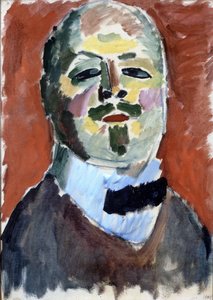
アレクセイ・フォン・ヤウレンスキー
1864 - 1941 , ロシア
基本情報
- フルネーム: アレクセイ・フォン・ヤヴレンスキー
- 主な作品:
- ショッコと赤い帽子
- アレクサンダー・サハロフの肖像
- 紫色のターバン
- 出生地: トルジョック(ロシア)
- 国籍: ロシア
- 影響を与えた芸術家/運動: ['ブルーライダー']
- 影響を受けたアーティスト:
- イリヤ・レーピン
- フェルディナント・ホドラー
- 死亡年月日: 1941年3月15日
- 生年月日: 1864年3月13日
- 芸術運動/スタイル: 表現主義
関連記事

Crimson Threads of Narrative: Exploring Symbolism & Representation in Artworks Featuring the Red Dress
Explore the rich symbolism of the red dress in art history! From ancient power displays to iconic portraits like Cézanne’s 'Madame Cezanne', discover the cultural and artistic significance behind this captivating color. Expert analysis & insights.
マーク・ロスコ傑作25選:色彩が織りなす深遠な世界|ArtsDot
マーク・ロスコの傑作25選。抽象表現主義を代表する巨匠、色彩が織りなす深遠な世界を探求します。絵画の背景や技法、感動的なストーリーを紐解き、ArtsDotで高品質なアートプリントをお楽しみください。リビングやオフィスにモダンアートを飾るなら!
エゴン・シーレ傑作25選:魂を揺さぶる表現主義の世界 | ArtsDot
エゴン・シーレの傑作25選。表現主義を代表するオーストリアの画家、その魂を揺さぶる人物画や自画像の世界へ。ArtsDotで名画の複製画とインテリアアートをお楽しみください。コレクションを見る▶
German Expressionism's 10 Defining Masterpieces | Art for Your Home
Explore 10 defining German Expressionism masterpieces – from Munch's 'The Scream' to Kandinsky’s abstracts. Discover the artists, stories & bold colors behind this powerful art movement. Find museum-quality reproductions at ArtsDot.com.
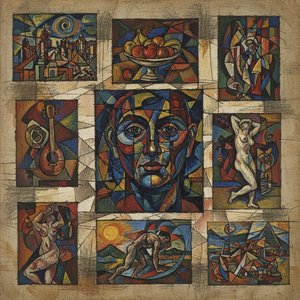
Cubist Expressionism's 10 Defining Masterpieces | Art for Your Home
Explore 10 defining Cubist Expressionism masterpieces by Picasso, Braque & more. Discover the stories behind these bold, geometric paintings and bring museum-quality art to your home with ArtsDot.com. Explore the full collection online.