

 プレビュー
プレビュー
 プリントを購入
 シェアする
シェアする シェアする
シェアする
 詳細を見る
詳細を見る

 ダウンロード
 似ている作品
 X線調査
X線調査 スライドショー
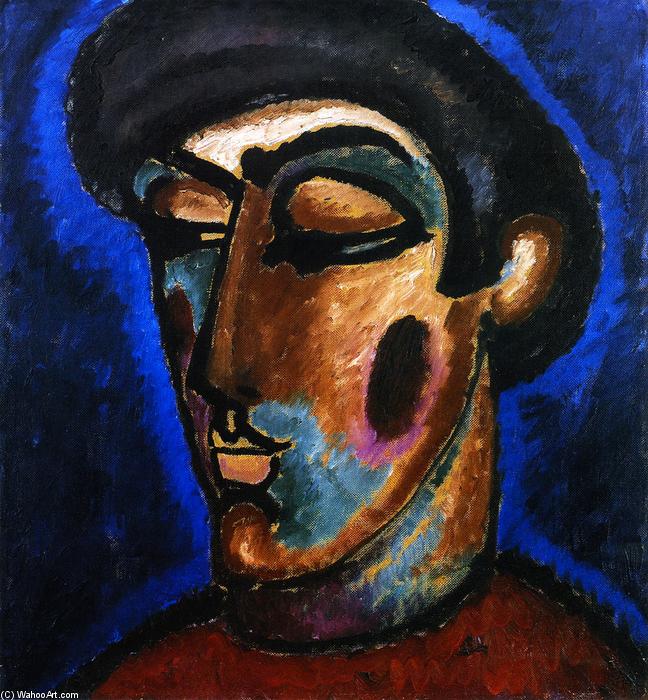
Renaissance Head


 詳細を見る
詳細を見る
オンラインプレビューをはるかに凌ぐ、高解像度で鮮明なデジタル画像をご購入いただけます。
各ファイルは、社内の専門家が高度なツールと熟練した手作業によるレタッチを用いて、細心の注意を払って準備されています。すべての画像において、卓越した鮮明度、正確な色彩再現性、そして繊細なディテールを保証いたします。
最終ファイルは、プロフェッショナルな編集・印刷環境ですぐにご利用いただけるよう最適化された状態で、72時間以内にメールにてお届けいたします。これは、一流のデザインスタジオ、出版社、ギャラリーから信頼されているものと同等の品質です。
デジタル画像のご注文に付随する特典
高品質なデジタル画像配信を、確かな品質で。
ArtsDot.com を選ぶことは、単に画像を手に入れることではありません。それは、プロの手によって精密に仕上げられ、満足保証が付いた高品質なデジタルアートワークを受け取ることを意味します。ご注文いただいた際に自動的に付随する内容は、以下の通りです:

メールですぐにお届け
ご注文から72時間以内に、高解像度のデジタル画像ファイルがメールでお手元に届きます。すぐにそのままご利用いただけます。

AI技術で最適化されたデジタルファイル
お客様の作品は、高度なAIツールと専門家による手作業の編集を組み合わせてプロフェッショナルに最適化されており、細部のディテール、鮮明さ、そして正確な色再現性を最大限に引き出しています。

一生涯無料の再送サービス
ファイルを誤って削除したり、紛失してしまったりしましたか?ご安心ください。いつでも無料で再送いたします。

輸入手数料は一切かかりません
関税や手数料、配送料を気にすることなく、お気に入りのアートワークをすぐにお楽しみいただけます。デジタルダウンロードは常に免税です。

色彩再現の保証
プロ仕様のツールとカラーマネジメント技術を用いることで、デジタル画像が元の色を最大限に忠実に再現することを保証いたします。

100日間満足保証
ご購入いただいたデジタル画像にご満足いただけない場合は、100日以内であれば、理由を問わず修正または100%の返金対応をさせていただきます。

100% 返金保証
ご満足いただけない場合は、デジタルファイルを受け取ってから100日以内であれば、理由を問わず全額返金いたします。

まとめ買い割引
3枚購入で10%OFF - 5枚購入で15%OFF - 10枚以上購入で20%OFF。クリエイティブなプロジェクト、ギャラリー、エージェンシーに最適です。
The Renaissance Head: A Study in Emotion by Alexej von Jawlensky
This arresting portrait, tentatively dated 1913, offers a profound glimpse into the artistic vision of Alexej von Jawlensky – a figure profoundly ahead of his time. Far removed from the idealized beauty championed during the High Renaissance, this work embodies the raw emotional intensity that would come to define Expressionism. The image depicts a man’s face, partially obscured by a dark hat, rendered with an almost brutal directness. His eyes are closed, suggesting a state of deep contemplation or perhaps profound sorrow, while subtle makeup adds an element of theatricality and intrigue – a deliberate departure from naturalistic representation.
Jawlensky's masterful use of color is immediately striking. The dominant palette of black and blue creates a dramatic depth, punctuated by sharp contrasts that heighten the sense of drama and psychological tension. These colors weren’t chosen for their representational accuracy; instead, they were employed to evoke specific emotional responses – darkness hinting at hidden anxieties, blues suggesting melancholy or spiritual yearning. The deliberate lack of blending in his brushstrokes contributes to this effect, creating a textured surface that vibrates with energy.
A Portrait of the Zeitgeist: Jawlensky and the New Munich Circle
To fully appreciate “Renaissance Head,” it’s crucial to understand its context within the artistic landscape of early 20th-century Germany. Jawlensky was a central figure in the Neue Künstlervereinigung München (New Artist's Association), a group that actively challenged the conservative trends of the established art world. This circle, alongside figures like Kandinsky and Orphée, sought to express subjective experience through intensely personal artistic language – a reaction against the academic conventions dominating European art at the time. The influence of artists like Henri Matisse, with his bold use of color and simplified forms, is clearly evident in Jawlensky’s approach.
Furthermore, the subject himself, Alexander Sacharoff, was a key figure within Munich's avant-garde scene – a dancer known for his androgynous appearance and provocative performances. Jawlensky’s fascination with Sacharoff reflects a broader exploration of gender identity and human psychology that characterized much of Expressionist art. The portrait isn’t simply a likeness; it’s an investigation into the inner life of a complex individual.
Symbolism and Technique: A Masterclass in Restraint
Jawlensky's technique is defined by its remarkable restraint. He employed a limited palette, focusing on essential forms and avoiding superfluous detail. The strong outlines defining the man’s face are particularly significant – they create a sense of solidity and permanence, while simultaneously emphasizing the vulnerability inherent in the closed eyes. The use of particle board as a support, rather than traditional canvas, further contributes to the work's raw, almost sculptural quality.
Interestingly, research reveals that this particular piece, “Frauenkopf (Woman’s Head),” created around the same time, utilized Sacharoff as a model. This suggests a deliberate exploration of duality and perhaps a commentary on societal expectations surrounding gender roles – themes frequently explored by Jawlensky through his portraits. The painting's enduring power lies in its ability to evoke a profound sense of mystery and invite viewers to contemplate the complexities of human emotion.
Collecting this Masterpiece: A Reproduction for the Discerning Eye
ArtsDot offers meticulously hand-painted reproductions of Alexej von Jawlensky’s “Renaissance Head,” ensuring that you possess an authentic representation of this seminal work. Our skilled artisans replicate Jawlensky's distinctive style and color palette with exceptional accuracy, capturing the emotional intensity and technical brilliance of the original. This reproduction is more than just a print; it’s a tangible connection to one of the most important figures in 20th-century art – a piece that will undoubtedly enrich your collection and inspire contemplation for years to come.
関連作品
作家の略歴
アレクセイ・フォン・ヤヴレンスキー:感情に染められた人生
アレクセイ・フォン・ヤヴレンスキー(1864年3月13日 - 1941年3月15日)は、ロシア生まれの画家であり、20世紀初頭の表現主義を代表する重要な人物の一人として知られています。彼の人生は、故郷であるトルジョックから始まり、モスクワでの幼少期を経て、芸術への情熱が芽生え、やがてミュンヘンへと移り、独自の芸術世界を確立していくという、波瀾万丈なものでした。当初は軍人としての道を志しましたが、1880年のモスクワ万博で目にした芸術作品との出会いが、彼の人生の転換点となり、絵画への献身へと導きました。サンクトペテルブルク美術アカデミーでの学びを経て、彼はイリヤ・レピンという巨匠と出会い、その影響を受けながら、自身の芸術的探求を深めていきます。そして、画家であり庇護者でもあるマリアンネ・フォン・ヴェレフキンの登場は、彼の芸術活動に大きな支えとなり、経済的な安定をもたらすだけでなく、芸術家としての成長を促しました。ミュンヘンでの表現主義の萌芽
1894年にミュンヘンへ拠点を移したヤヴレンスキーは、アントン・アズベーの私塾で研鑽を積む中で、当時のヨーロッパ美術界を席巻していた新しい芸術思想に触れました。フェルディナント・ホドラーやヤン・ヴェルカデといった画家たちとの交流を通して、象徴主義や合成主義の影響を受け、内面世界からの感情表現を重視する独自のスタイルへと発展していきます。初期の作品には印象派的な要素も残されていますが、次第に色彩の鮮烈さが増し、構成は簡素化され、より精神性を帯びた表現へと向かっていきました。新ミュンヘン芸術家協会への参加や、青い騎士団(Der Blaue Reiter)との関わりを通して、彼は表現主義運動の中心人物の一人として活躍しました。神秘の顔:魂を映す色彩
ヤヴレンスキーの芸術における最大の功績は、1909年頃から制作を開始した「神秘の顔」シリーズにあります。これらの作品は、単なる肖像画ではなく、被写体の内面にある精神性や感情を捉えようとした試みであり、その鮮やかな色彩と抽象化されたフォルムは見る者を魅了します。ショッコと赤い帽子やアレクサンドル・サハロフの肖像といった作品に見られるように、顔は幾何学的な形へと還元され、色彩によって感情が表現されています。これは、肉体的な外見を超えて、人間の魂の本質を捉えようとしたヤヴレンスキーの芸術的探求の集大成と言えるでしょう。1910年代には、さらに抽象化が進み、限られた色彩と幾何学的な構成要素によって、強烈な感情表現を生み出す独自の様式を確立しました。流浪と晩年:揺るぎない芸術への献身
第一次世界大戦の勃発により、ヤヴレンスキーはドイツから亡命し、スイスへと移り住みました。そこで彼はエミー・シェイヤーという女性と出会い、彼女は彼の作品を熱心に擁護し、アメリカで積極的にプロモーションを行いました。晩年は、関節炎による身体的な苦痛に苛まれながらも、芸術への情熱は衰えることなく、1937年まで制作活動を続けました。1941年3月15日、ヴィースバーデンにてその生涯を閉じましたが、彼の作品は今日でも世界中の美術館に収蔵され、多くの人々に感動を与え続けています。影響と芸術的遺産
ヤヴレンスキーの芸術は、イリヤ・レピンやマリアンネ・フォン・ヴェレフキンの庇護のもとで育まれました。また、フェルディナント・ホドラー、ヤン・ヴェルカデといった画家たちとの交流も彼の芸術的成長に大きな影響を与えました。さらに、ワシリー・カンディンスキーやフランツ・マルクといった青い騎士団のメンバーとの共同制作は、表現主義運動を深化させる上で重要な役割を果たしました。ヤヴレンスキーの作品は、色彩とフォルムを通して人間の内面世界を探求する姿勢が特徴であり、その影響は現代美術にも受け継がれています。彼の芸術的遺産は、感情に根差した表現の可能性を示唆し、後世のアーティストたちに多大なインスピレーションを与え続けています。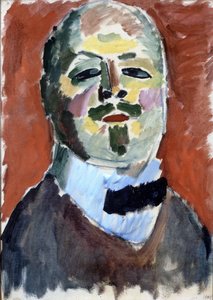
アレクセイ・フォン・ヤウレンスキー
1864 - 1941 , ロシア
プロフィール概要
- フルネーム: アレクセイ・フォン・ヤヴレンスキー
- 主な作品:
- ショッコと赤い帽子
- アレクサンダー・サハロフの肖像
- 紫色のターバン
- 出生地: トルジョック(ロシア)
- 国籍: ロシア
- 影響を与えた芸術家/運動: ['ブルーライダー']
- 影響を受けたアーティスト:
- イリヤ・レーピン
- フェルディナント・ホドラー
- 死亡年月日: 1941年3月15日
- 生年月日: 1864年3月13日
- 芸術運動/スタイル: 表現主義