

 プレビュー
プレビュー
 プリントを購入
 シェアする
シェアする シェアする
シェアする
 詳細を見る
詳細を見る

 ダウンロード
 似ている作品
 X線調査
X線調査 スライドショー
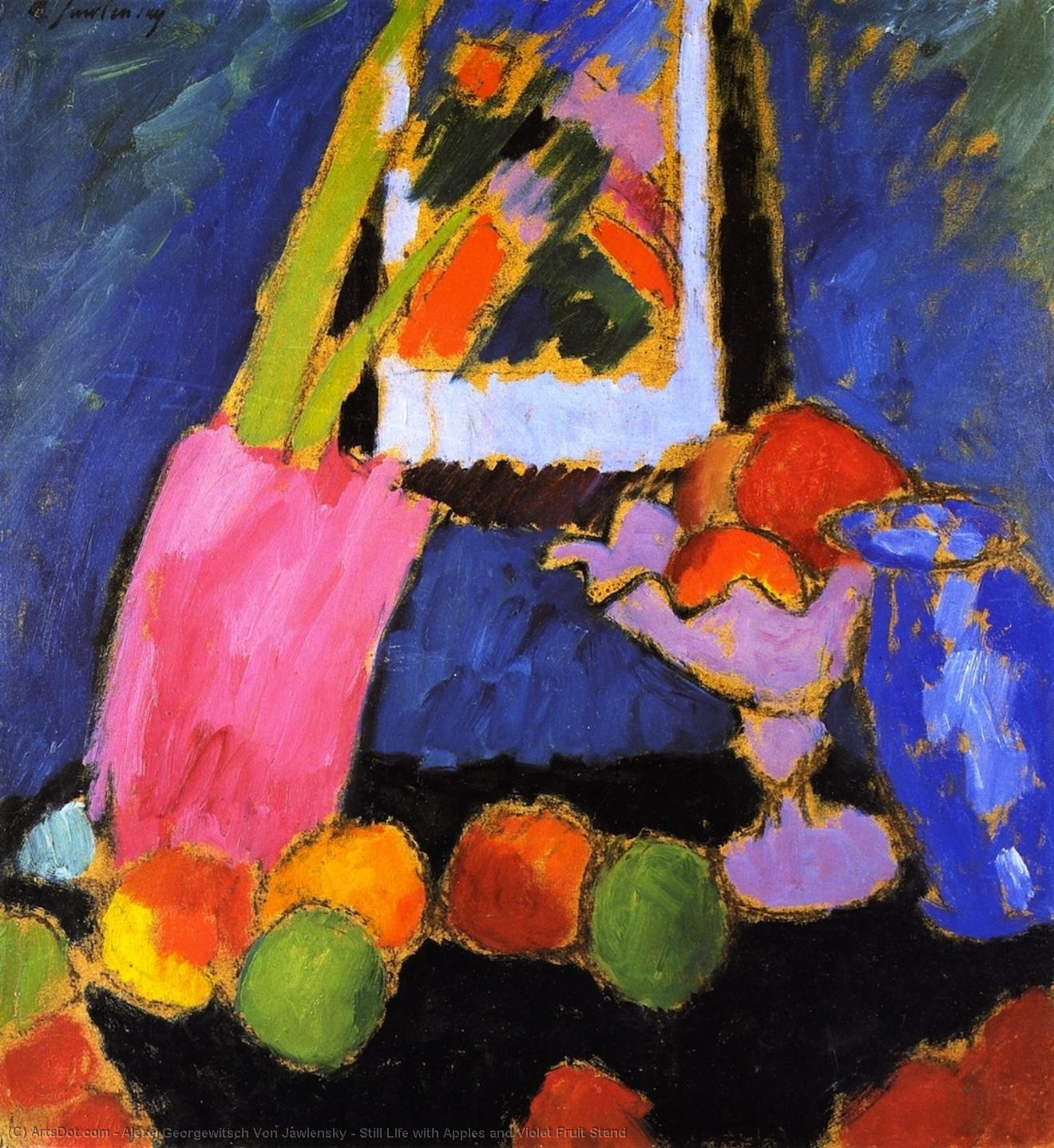
Still LIfe with Apples and Violet Fruit Stand
 Acrylic On Canvas
- WallArt
- Expressionism
 1912
1912 49.0 x 52.0 cm
 Städel Museum
 詳細を見る
詳細を見る
オンラインプレビューをはるかに凌ぐ、高解像度で鮮明なデジタル画像をご購入いただけます。
各ファイルは、社内の専門家が高度なツールと熟練した手作業によるレタッチを用いて、細心の注意を払って準備されています。すべての画像において、卓越した鮮明度、正確な色彩再現性、そして繊細なディテールを保証いたします。
最終ファイルは、プロフェッショナルな編集・印刷環境ですぐにご利用いただけるよう最適化された状態で、72時間以内にメールにてお届けいたします。これは、一流のデザインスタジオ、出版社、ギャラリーから信頼されているものと同等の品質です。
デジタル画像のご注文に付随する特典
高品質なデジタル画像配信を、確かな品質で。
ArtsDot.com を選ぶことは、単に画像を手に入れることではありません。それは、プロの手によって精密に仕上げられ、満足保証が付いた高品質なデジタルアートワークを受け取ることを意味します。ご注文いただいた際に自動的に付随する内容は、以下の通りです:

メールですぐにお届け
ご注文から72時間以内に、高解像度のデジタル画像ファイルがメールでお手元に届きます。すぐにそのままご利用いただけます。

AI技術で最適化されたデジタルファイル
お客様の作品は、高度なAIツールと専門家による手作業の編集を組み合わせてプロフェッショナルに最適化されており、細部のディテール、鮮明さ、そして正確な色再現性を最大限に引き出しています。

一生涯無料の再送サービス
ファイルを誤って削除したり、紛失してしまったりしましたか?ご安心ください。いつでも無料で再送いたします。

輸入手数料は一切かかりません
関税や手数料、配送料を気にすることなく、お気に入りのアートワークをすぐにお楽しみいただけます。デジタルダウンロードは常に免税です。

色彩再現の保証
プロ仕様のツールとカラーマネジメント技術を用いることで、デジタル画像が元の色を最大限に忠実に再現することを保証いたします。

60日間満足保証
ご購入いただいたデジタル画像にご満足いただけない場合は、60日以内であれば、修正または100%の返金(理由を問う必要はありません)をさせていただきます。

100% 返金保証
ご満足いただけない場合は、デジタルファイルを受け取ってから60日以内であれば、理由を問わず全額返金いたします。

まとめ買い割引
3枚購入で10%OFF - 5枚購入で15%OFF - 10枚以上購入で20%OFF。クリエイティブなプロジェクト、ギャラリー、エージェンシーに最適です。
作品の詳細
Still Life with Apples and Violet Fruit Stand – A Window Into Jawlensky’s Soul
The painting “Still Life with Apples and Violet Fruit Stand,” executed in 1912 by Alexej von Jawlensky, transcends mere representation; it embodies the artist's deeply felt emotional landscape—a characteristic hallmark of Expressionism. Examining this artwork offers a fascinating glimpse into both Jawlensky’s artistic vision and the broader intellectual currents shaping early twentieth-century Europe.Subject Matter and Composition
At first glance, the scene presents itself as deceptively simple: a tabletop adorned with a vase containing violet blossoms alongside an assortment of fruit – predominantly apples, oranges, and bananas. However, this apparent tranquility belies a carefully considered compositional strategy designed to convey profound psychological depth. The placement of the apples in the foreground establishes visual dominance, anchoring the viewer’s gaze while simultaneously hinting at vulnerability and fragility. Behind them lie the oranges and bananas, creating layers of texture and color that contribute to the overall vibrancy of the piece. The vase itself serves as a focal point, symbolizing purity and contemplation amidst the abundance of earthly delights.Style and Technique – Embracing Emotion Through Color
Jawlensky’s artistic approach aligns perfectly with the tenets of Expressionism—a movement driven by an urgent desire to communicate inner feelings rather than objective reality. He eschews meticulous detail in favor of bold, expressive brushstrokes that prioritize color above all else. The palette is dominated by shades of red, orange, yellow, and green, colors chosen not for their literal depiction but for their ability to evoke specific emotional responses. Thick impasto—the application of paint in textured layers—further amplifies the visual impact, creating palpable physicality within the canvas and mirroring the artist’s impassioned engagement with his subject matter. The deliberate distortion of form contributes to this expressive intent, prioritizing feeling over accurate representation.Historical Context – Expressionism's Response to Uncertainty
“Still Life” emerged during a period marked by significant social and political upheaval—the dawn of the Great War and the escalating anxieties surrounding modernity’s rapid transformations. Expressionist artists reacted against prevailing artistic conventions, rejecting academic idealism in favor of confronting uncomfortable truths about human existence. Jawlensky's work reflects this spirit of rebellion, articulating a profound disillusionment with societal norms while simultaneously seeking solace in spiritual contemplation—themes that resonate powerfully across time and continue to inspire viewers today. The painting stands as testament to the movement’s conviction that art should serve as a conduit for emotional catharsis and a vehicle for exploring existential questions.Symbolism – Apples, Violet Blossoms, and the Vase's Significance
Beyond its formal qualities, “Still Life” is laden with symbolic meaning. Apples, traditionally associated with knowledge and temptation, represent both beauty and vulnerability—a duality that encapsulates Jawlensky’s artistic preoccupation with confronting difficult emotions. Violet blossoms symbolize purity and spiritual devotion, offering a counterpoint to the anxieties of the era and reflecting the artist's own quest for inner harmony. The vase itself embodies stillness and contemplation, inviting viewers to pause and consider the profound implications of their surroundings—a deliberate gesture designed to elevate the artwork beyond mere visual pleasure into a realm of psychological introspection.Emotional Impact – A Portrait of Inner Turmoil
Ultimately, “Still Life with Apples and Violet Fruit Stand” succeeds in conveying an arresting emotional portrait of Alexej von Jawlensky’s inner turmoil. The painting's vibrant colors and textured brushstrokes capture the artist’s passionate engagement with his subject matter—a testament to Expressionism’s conviction that art should serve as a catalyst for confronting uncomfortable truths about human experience. Viewing this artwork evokes a sense of melancholy beauty, prompting reflection on themes of vulnerability, spirituality, and the enduring power of emotion. It remains a compelling reminder that true artistic achievement lies not in replicating reality but in translating inner feeling into tangible form—a feat accomplished masterfully by Jawlensky’s visionary hand.関連作品
作家の略歴
アレクセイ・フォン・ヤヴレンスキー:感情に染められた人生
アレクセイ・フォン・ヤヴレンスキー(1864年3月13日 - 1941年3月15日)は、ロシア生まれの画家であり、20世紀初頭の表現主義を代表する重要な人物の一人として知られています。彼の人生は、故郷であるトルジョックから始まり、モスクワでの幼少期を経て、芸術への情熱が芽生え、やがてミュンヘンへと移り、独自の芸術世界を確立していくという、波瀾万丈なものでした。当初は軍人としての道を志しましたが、1880年のモスクワ万博で目にした芸術作品との出会いが、彼の人生の転換点となり、絵画への献身へと導きました。サンクトペテルブルク美術アカデミーでの学びを経て、彼はイリヤ・レピンという巨匠と出会い、その影響を受けながら、自身の芸術的探求を深めていきます。そして、画家であり庇護者でもあるマリアンネ・フォン・ヴェレフキンの登場は、彼の芸術活動に大きな支えとなり、経済的な安定をもたらすだけでなく、芸術家としての成長を促しました。ミュンヘンでの表現主義の萌芽
1894年にミュンヘンへ拠点を移したヤヴレンスキーは、アントン・アズベーの私塾で研鑽を積む中で、当時のヨーロッパ美術界を席巻していた新しい芸術思想に触れました。フェルディナント・ホドラーやヤン・ヴェルカデといった画家たちとの交流を通して、象徴主義や合成主義の影響を受け、内面世界からの感情表現を重視する独自のスタイルへと発展していきます。初期の作品には印象派的な要素も残されていますが、次第に色彩の鮮烈さが増し、構成は簡素化され、より精神性を帯びた表現へと向かっていきました。新ミュンヘン芸術家協会への参加や、青い騎士団(Der Blaue Reiter)との関わりを通して、彼は表現主義運動の中心人物の一人として活躍しました。神秘の顔:魂を映す色彩
ヤヴレンスキーの芸術における最大の功績は、1909年頃から制作を開始した「神秘の顔」シリーズにあります。これらの作品は、単なる肖像画ではなく、被写体の内面にある精神性や感情を捉えようとした試みであり、その鮮やかな色彩と抽象化されたフォルムは見る者を魅了します。ショッコと赤い帽子やアレクサンドル・サハロフの肖像といった作品に見られるように、顔は幾何学的な形へと還元され、色彩によって感情が表現されています。これは、肉体的な外見を超えて、人間の魂の本質を捉えようとしたヤヴレンスキーの芸術的探求の集大成と言えるでしょう。1910年代には、さらに抽象化が進み、限られた色彩と幾何学的な構成要素によって、強烈な感情表現を生み出す独自の様式を確立しました。流浪と晩年:揺るぎない芸術への献身
第一次世界大戦の勃発により、ヤヴレンスキーはドイツから亡命し、スイスへと移り住みました。そこで彼はエミー・シェイヤーという女性と出会い、彼女は彼の作品を熱心に擁護し、アメリカで積極的にプロモーションを行いました。晩年は、関節炎による身体的な苦痛に苛まれながらも、芸術への情熱は衰えることなく、1937年まで制作活動を続けました。1941年3月15日、ヴィースバーデンにてその生涯を閉じましたが、彼の作品は今日でも世界中の美術館に収蔵され、多くの人々に感動を与え続けています。影響と芸術的遺産
ヤヴレンスキーの芸術は、イリヤ・レピンやマリアンネ・フォン・ヴェレフキンの庇護のもとで育まれました。また、フェルディナント・ホドラー、ヤン・ヴェルカデといった画家たちとの交流も彼の芸術的成長に大きな影響を与えました。さらに、ワシリー・カンディンスキーやフランツ・マルクといった青い騎士団のメンバーとの共同制作は、表現主義運動を深化させる上で重要な役割を果たしました。ヤヴレンスキーの作品は、色彩とフォルムを通して人間の内面世界を探求する姿勢が特徴であり、その影響は現代美術にも受け継がれています。彼の芸術的遺産は、感情に根差した表現の可能性を示唆し、後世のアーティストたちに多大なインスピレーションを与え続けています。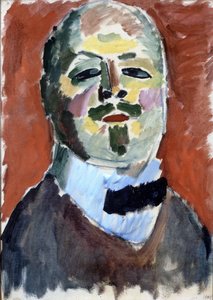
アレクセイ・フォン・ヤウレンスキー
1864 - 1941 , ロシア
プロフィール概要
- フルネーム: アレクセイ・フォン・ヤヴレンスキー
- 主な作品:
- ショッコと赤い帽子
- アレクサンダー・サハロフの肖像
- 紫色のターバン
- 出生地: トルジョック(ロシア)
- 国籍: ロシア
- 影響を与えた芸術家/運動: ['ブルーライダー']
- 影響を受けたアーティスト:
- イリヤ・レーピン
- フェルディナント・ホドラー
- 死亡年月日: 1941年3月15日
- 生年月日: 1864年3月13日
- 芸術運動/スタイル: 表現主義

