 プレビュー
プレビュー
 シェアする
シェアする シェアする
シェアする
 詳細を見る
詳細を見る

 ダウンロード
 似ている作品
 X線調査
X線調査 スライドショー
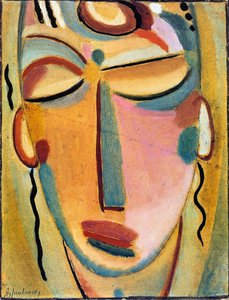
Woman from Turkestan
 Acrylic On Canvas
- WallArt
- Expressionist Movement
 1912
1912 68.0 x 50.0 cm
 詳細を見る
詳細を見る
ジークレー/アートプリント
迅速な制作と多彩な仕上げオプションを備えた、ミュージアムクオリティのジークレーまたはキャンバスプリント。 ( 手描きの絵画を購入 画像を購入)




P118B $10

P118H $10

P118W $10

P438Z $10

P508JH $12

P508YH $12

P805H $10

P805Z $10

P919BZ $10

P919G $10

P919XJ $10

P959ZH $10

P968JZ $12

W106C $8

W218G $10

W218JH $8

W218Y $10

W307PJ $10

W316G $10

W316PJ $8

W316Y $10

W398PJ $8

W4111J $10

W500HY $15

W500JH $15

W692G $12

W849H $8

W940BG $15

W953PJ $8




作品のオリジナル比率に合わせた、当店の規定サイズからお選びください。

特定のフレームやスペースに合わせて、ご自身でサイズを指定することも可能です。選択されたサイズが元の画像の比率と一致しない場合、作品をトリミングするか、鏡面反射または単色での塗りつぶしによって画像を拡張いたします。制作を開始する前に、ご確認用のデジタルモックアップをお送りいたします。
画面上のプレビューには、実際のトリミングや拡張は反映されませんのでご注意ください。最終的な構図を正確に確認できるのは、モックアップのみとなります。
カスタムサイズも承っておりますが、元の比率を維持するためには、あらかじめ用意されたリストからサイズを選択することをお勧めいたします。


 ガラスオプションは、110cm未満のサイズでのみご利用いただけます。

Woman from Turkestan
ジークレー/アートプリント
複製画のサイズ
-


合計金額
$ 62
作品詳細説明
A Window Into Emotion: Exploring Alexej von Jawlensky’s “Woman from Turkestan”
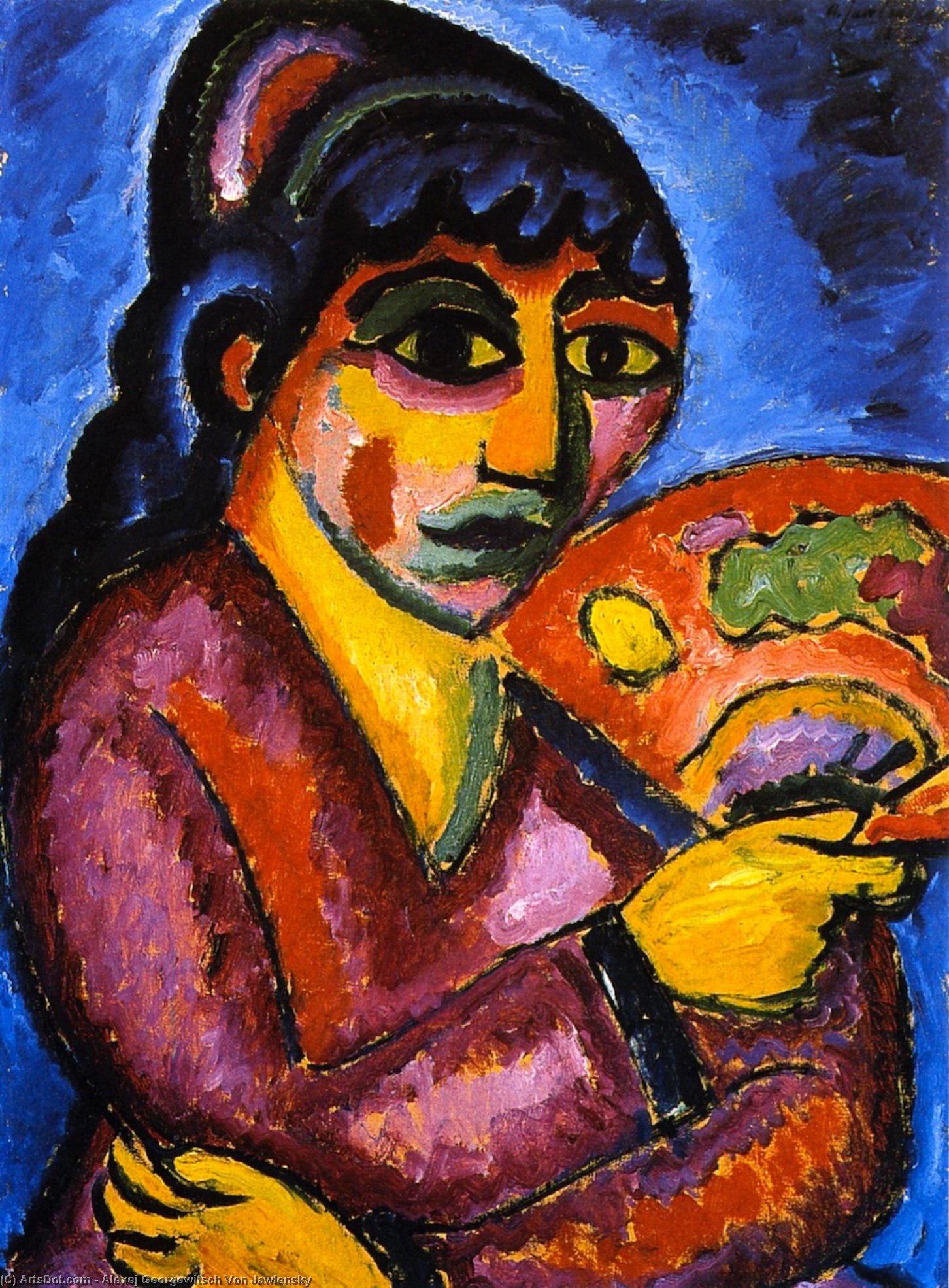
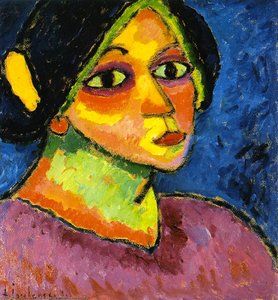
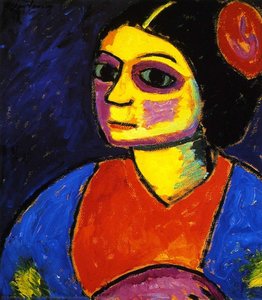
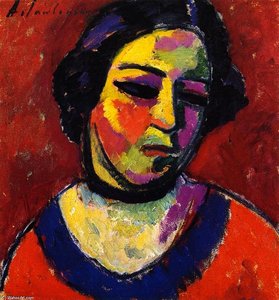
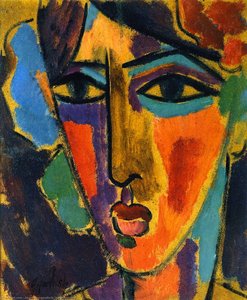
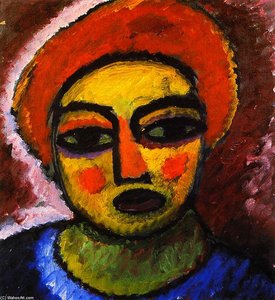
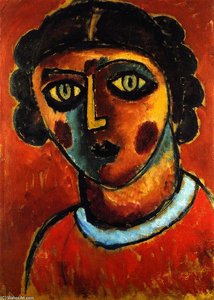
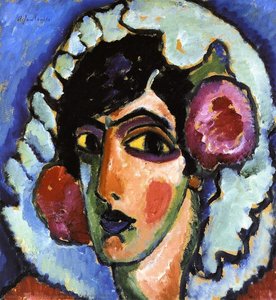
The painting "Woman from Turkestan" by Alexej Georgewitsch Von Jawlensky stands as an arresting testament to the fervor of Expressionism, a movement that sought not merely to depict reality but to convey its underlying emotional essence. Created in 1912 during a period of profound artistic upheaval—marked by the burgeoning influence of Cubism and Futurism alongside the urgent questioning of established norms—the artwork embodies Jawlensky’s singular vision: a deliberate distortion of form coupled with an audacious palette designed to provoke visceral responses within the viewer. Measuring 68 x 50 cm, this oil on panel piece resides within the National Gallery of Art's collection, offering visitors a rare glimpse into the mind of one of Expressionism’s most distinctive voices.The Language of Color and Form
Jawlensky’s technique is characterized by an uncompromising commitment to color theory—specifically, the use of complementary hues to heighten visual impact. The dominant shade of deep blue serves as a grounding force, anchoring the composition while simultaneously fostering a sense of contemplative stillness. However, it is punctuated by bursts of vibrant pink and yellow, strategically positioned to capture attention and inject dynamism into the scene. These colors aren’t merely decorative; they represent an active engagement with psychological color symbolism—pink conveying tenderness and vulnerability, yellow embodying optimism and enlightenment. Simultaneously, the artist employs simplified geometric shapes—primarily circles and squares—to reduce visual complexity and emphasize essential contours. This stylistic choice reflects the Expressionist preoccupation with distilling artistic expression to its purest form, prioritizing emotional resonance over meticulous representation.Historical Context: The Turbulent Dawn of Modern Art
“Woman from Turkestan” emerged against a backdrop of significant social and intellectual transformation. The First World War was looming on the horizon, fueling anxieties about societal stability and prompting artists to confront existential questions. Expressionism responded to these concerns by rejecting rational idealism in favor of subjective experience—a radical departure from prevailing artistic conventions. Influenced by Nietzsche’s proclamation that “God is dead,” Jawlensky and his fellow Expressionists sought to liberate art from moral constraints, allowing it to express the raw emotions of humanity without mediation. The painting's depiction of a solitary woman contemplating a plate speaks powerfully to this spirit of introspection—a reflection on inner life amidst external turmoil.Symbolism Beyond Surface Appearance
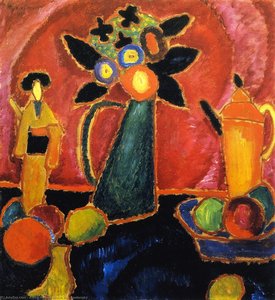
Beyond its striking visual qualities, “Woman from Turkestan” is laden with symbolic significance. The woman herself embodies resilience and quiet contemplation—a figure poised between vulnerability and strength. Her gaze directs inward, suggesting a preoccupation with internal thoughts and feelings rather than outward observation. Furthermore, the inclusion of two plates—one positioned prominently at the top right corner and another lower left—may represent nourishment for both body and soul—a visual metaphor for spiritual sustenance. The clock above her head serves as a poignant reminder of time’s relentless passage—emphasizing the fleeting nature of existence and prompting viewers to contemplate mortality.Emotional Resonance: A Portrait of Inner Turmoil
Ultimately, “Woman from Turkestan” succeeds in conveying an overwhelming sense of emotional depth. Jawlensky's masterful manipulation of color and form compels us to confront uncomfortable truths about human experience—namely, the anxieties inherent in confronting uncertainty and loss. The painting’s melancholic beauty resides precisely in its ability to evoke empathy—drawing viewers into a shared contemplation of the complexities of consciousness. It is an artwork that lingers in the memory long after viewing, prompting reflection on themes of solitude, introspection, and the enduring quest for meaning—a timeless masterpiece that continues to inspire artists and collectors alike.
アーティストの略歴
アレクセイ・フォン・ヤヴレンスキー:感情に染められた人生
アレクセイ・フォン・ヤヴレンスキー(1864年3月13日 - 1941年3月15日)は、ロシア生まれの画家であり、20世紀初頭の表現主義を代表する重要な人物の一人として知られています。彼の人生は、故郷であるトルジョックから始まり、モスクワでの幼少期を経て、芸術への情熱が芽生え、やがてミュンヘンへと移り、独自の芸術世界を確立していくという、波瀾万丈なものでした。当初は軍人としての道を志しましたが、1880年のモスクワ万博で目にした芸術作品との出会いが、彼の人生の転換点となり、絵画への献身へと導きました。サンクトペテルブルク美術アカデミーでの学びを経て、彼はイリヤ・レピンという巨匠と出会い、その影響を受けながら、自身の芸術的探求を深めていきます。そして、画家であり庇護者でもあるマリアンネ・フォン・ヴェレフキンの登場は、彼の芸術活動に大きな支えとなり、経済的な安定をもたらすだけでなく、芸術家としての成長を促しました。ミュンヘンでの表現主義の萌芽
1894年にミュンヘンへ拠点を移したヤヴレンスキーは、アントン・アズベーの私塾で研鑽を積む中で、当時のヨーロッパ美術界を席巻していた新しい芸術思想に触れました。フェルディナント・ホドラーやヤン・ヴェルカデといった画家たちとの交流を通して、象徴主義や合成主義の影響を受け、内面世界からの感情表現を重視する独自のスタイルへと発展していきます。初期の作品には印象派的な要素も残されていますが、次第に色彩の鮮烈さが増し、構成は簡素化され、より精神性を帯びた表現へと向かっていきました。新ミュンヘン芸術家協会への参加や、青い騎士団(Der Blaue Reiter)との関わりを通して、彼は表現主義運動の中心人物の一人として活躍しました。神秘の顔:魂を映す色彩
ヤヴレンスキーの芸術における最大の功績は、1909年頃から制作を開始した「神秘の顔」シリーズにあります。これらの作品は、単なる肖像画ではなく、被写体の内面にある精神性や感情を捉えようとした試みであり、その鮮やかな色彩と抽象化されたフォルムは見る者を魅了します。ショッコと赤い帽子やアレクサンドル・サハロフの肖像といった作品に見られるように、顔は幾何学的な形へと還元され、色彩によって感情が表現されています。これは、肉体的な外見を超えて、人間の魂の本質を捉えようとしたヤヴレンスキーの芸術的探求の集大成と言えるでしょう。1910年代には、さらに抽象化が進み、限られた色彩と幾何学的な構成要素によって、強烈な感情表現を生み出す独自の様式を確立しました。流浪と晩年:揺るぎない芸術への献身
第一次世界大戦の勃発により、ヤヴレンスキーはドイツから亡命し、スイスへと移り住みました。そこで彼はエミー・シェイヤーという女性と出会い、彼女は彼の作品を熱心に擁護し、アメリカで積極的にプロモーションを行いました。晩年は、関節炎による身体的な苦痛に苛まれながらも、芸術への情熱は衰えることなく、1937年まで制作活動を続けました。1941年3月15日、ヴィースバーデンにてその生涯を閉じましたが、彼の作品は今日でも世界中の美術館に収蔵され、多くの人々に感動を与え続けています。影響と芸術的遺産
ヤヴレンスキーの芸術は、イリヤ・レピンやマリアンネ・フォン・ヴェレフキンの庇護のもとで育まれました。また、フェルディナント・ホドラー、ヤン・ヴェルカデといった画家たちとの交流も彼の芸術的成長に大きな影響を与えました。さらに、ワシリー・カンディンスキーやフランツ・マルクといった青い騎士団のメンバーとの共同制作は、表現主義運動を深化させる上で重要な役割を果たしました。ヤヴレンスキーの作品は、色彩とフォルムを通して人間の内面世界を探求する姿勢が特徴であり、その影響は現代美術にも受け継がれています。彼の芸術的遺産は、感情に根差した表現の可能性を示唆し、後世のアーティストたちに多大なインスピレーションを与え続けています。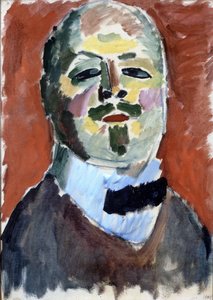
アレクセイ・フォン・ヤウレンスキー
1864 - 1941 , ロシア
基本情報
- フルネーム: アレクセイ・フォン・ヤヴレンスキー
- 主な作品:
- ショッコと赤い帽子
- アレクサンダー・サハロフの肖像
- 紫色のターバン
- 出生地: トルジョック(ロシア)
- 国籍: ロシア
- 影響を与えた芸術家/運動: ['ブルーライダー']
- 影響を受けたアーティスト:
- イリヤ・レーピン
- フェルディナント・ホドラー
- 死亡年月日: 1941年3月15日
- 生年月日: 1864年3月13日
- 芸術運動/スタイル: 表現主義
関連記事
Bold Strokes & Powerful Visions: 10 Artworks That Command Attention | ArtsDot
Experience art's raw power! Explore 10 iconic paintings – Van Gogh, Kahlo & more – that define 'bold'. Discover the stories behind these expressive masterpieces and find museum-quality reproductions for your home at ArtsDot.com.
Ivan Bilibin: A Synthesis of Folklore, Modernism & National Identity in Russian Illustration
Explore the enchanting world of Ivan Bilibin, a master Russian illustrator who synthesized folklore, Art Nouveau & national identity. Discover his iconic fairy tale illustrations and legacy with ArtsDot.
German Expressionism's 10 Defining Masterpieces | Art for Your Home
Explore 10 defining German Expressionism masterpieces – from Munch's 'The Scream' to Kandinsky’s abstracts. Discover the artists, stories & bold colors behind this powerful art movement. Find museum-quality reproductions at ArtsDot.com.
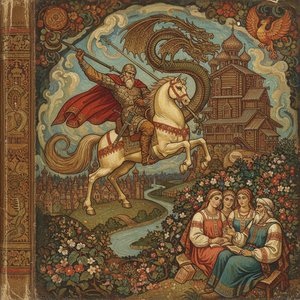
Victor Vasnetsov: Myth, Nationalism & the Revival of Russian Fairy Tale Painting
Explore the captivating world of Victor Vasnetsov, a co-founder of Russian folklorist painting. Discover his iconic works, influence on national identity, and lasting legacy in this expert guide.
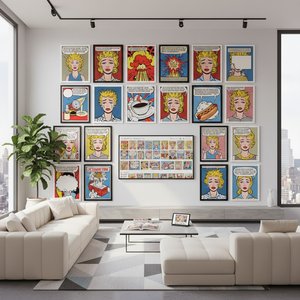
ロイ・リキテンスタイン傑作25選:ポップアートの革新と現代美術への影響 | ArtsDot
ロイ・リキテンスタインの傑作25選。ポップアートを代表する画家、その技法と時代背景を紐解きます。ベンデイ・ドット、コミック表現…ArtsDotで高品質な複製画やインテリアアートを見つけ、空間にモダンアートの息吹を吹き込みましょう。全作品はこちらから: ArtsDot.com