

 プレビュー
プレビュー
 プリントを購入
 シェアする
シェアする シェアする
シェアする
 詳細を見る
詳細を見る

 ダウンロード
 似ている作品
 X線調査
X線調査 スライドショー
オウポル トラ イ ト ア ン バ ク ス ソ ン ポ ル ト ラ イ ト ( ア ン シ エ ン テ イ ト レ)


 詳細を見る
詳細を見る
オンラインプレビューをはるかに凌ぐ、高解像度で鮮明なデジタル画像をご購入いただけます。
各ファイルは、社内の専門家が高度なツールと熟練した手作業によるレタッチを用いて、細心の注意を払って準備されています。すべての画像において、卓越した鮮明度、正確な色彩再現性、そして繊細なディテールを保証いたします。
最終ファイルは、プロフェッショナルな編集・印刷環境ですぐにご利用いただけるよう最適化された状態で、72時間以内にメールにてお届けいたします。これは、一流のデザインスタジオ、出版社、ギャラリーから信頼されているものと同等の品質です。
デジタル画像のご注文に付随する特典
高品質なデジタル画像配信を、確かな品質で。
ArtsDot.com を選ぶことは、単に画像を手に入れることではありません。それは、プロの手によって精密に仕上げられ、満足保証が付いた高品質なデジタルアートワークを受け取ることを意味します。ご注文いただいた際に自動的に付随する内容は、以下の通りです:

メールですぐにお届け
ご注文から72時間以内に、高解像度のデジタル画像ファイルがメールでお手元に届きます。すぐにそのままご利用いただけます。

AI技術で最適化されたデジタルファイル
お客様の作品は、高度なAIツールと専門家による手作業の編集を組み合わせてプロフェッショナルに最適化されており、細部のディテール、鮮明さ、そして正確な色再現性を最大限に引き出しています。

一生涯無料の再送サービス
ファイルを誤って削除したり、紛失してしまったりしましたか?ご安心ください。いつでも無料で再送いたします。

輸入手数料は一切かかりません
関税や手数料、配送料を気にすることなく、お気に入りのアートワークをすぐにお楽しみいただけます。デジタルダウンロードは常に免税です。

色彩再現の保証
プロ仕様のツールとカラーマネジメント技術を用いることで、デジタル画像が元の色を最大限に忠実に再現することを保証いたします。

60日間満足保証
ご購入いただいたデジタル画像にご満足いただけない場合は、60日以内であれば、修正または100%の返金(理由を問う必要はありません)をさせていただきます。

100% 返金保証
ご満足いただけない場合は、デジタルファイルを受け取ってから60日以内であれば、理由を問わず全額返金いたします。

まとめ買い割引
3枚購入で10%OFF - 5枚購入で15%OFF - 10枚以上購入で20%OFF。クリエイティブなプロジェクト、ギャラリー、エージェンシーに最適です。
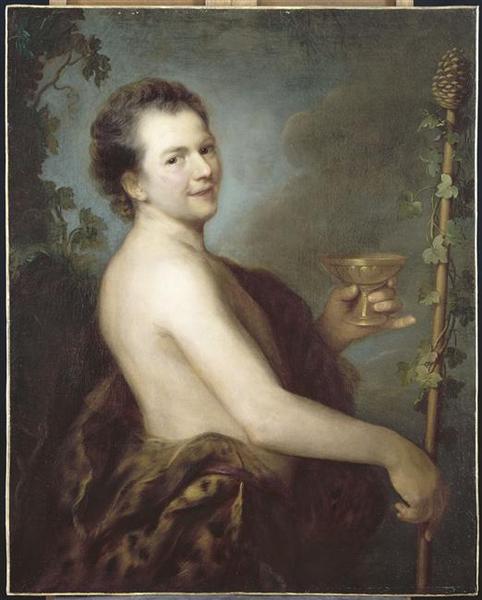
Autoportrait en Bacchus Son portrait (ancien titre) – Une Œuvre Éclatante de Grimou
Alexis Grimou, né à Argenteuil en 1678 et décédé à Paris en 1733, demeure une figure fascinante dans l’histoire de la peinture française du XVIIIe siècle. Bien que son nom ne résonne pas avec autant de puissance que celui des artistes contemporains les plus célèbres comme Rembrandt ou Vermeer, Grimou a laissé une empreinte artistique significative et est reconnu pour sa capacité unique à capturer l'âme humaine et à traduire les idées complexes dans la beauté visuelle. Cette maîtrise exceptionnelle du clair-obscur et une profonde connaissance des œuvres des maîtres néerlandais lui ont valu le titre bien mérité de « Rembrandt français », une comparaison qui souligne avec précision son talent artistique fondamental. Contrairement aux artistes de son temps, souvent liés à des académies prestigieuses et bénéficiant d’une formation rigoureuse dans les ateliers établis, Grimou suivait une voie artistique autodidacte, nourrie par une étude constante et une véritable passion pour l’art classique hollandais. Cette indépendance intellectuelle et créative se reflétait dans son style pictural caractéristique : une approche pleine de sensibilité et d'observation minutieuse qui lui permettait de donner vie à ses sujets avec une précision remarquable. Il était particulièrement intéressé par les portraits psychologiques, cherchant à révéler les émotions et les préoccupations profondes de ceux qu’il représentait, dépassant ainsi les conventions esthétiques de son époque. L’œuvre maîtresse de Grimou est sans doute « Autoportrait en Bacchus », peint en 1728 et aujourd'hui conservé au musée Magnin à Dijon. Cette œuvre emblématique incarne parfaitement le courant baroque français, mais elle témoigne également d'une influence considérable du mouvement rococo néerlandais, notamment chez Rembrandt et Gerrit van Honthorst. Grimou avait assimilé les principes esthétiques de ces artistes majeurs : une recherche constante de la lumière naturelle pour créer des effets dramatiques et mettre en valeur les contours du visage et du corps ; une utilisation habile du clair-obscur pour renforcer l’expressivité émotionnelle ; et une attention particulière aux détails anatomiques afin d'obtenir une représentation fidèle de la réalité humaine. La composition du tableau est remarquable pour sa simplicité élégante : Grimou adopte une pose trois quarts classique, faisant face au spectateur avec un regard déterminé et confiant. Il porte une robe rouge foncé légèrement ouverte sur le côté gauche, laissant apparaître une partie de son corps nu et mettant en évidence la beauté naturelle de ses formes humaines. À sa droite, il tient une coupe à décor en relief contenant du vin rouge, symbole de joie et d’abondance, tout comme les attributs classiques associés au dieu grec Bacchus : une peau de léopard pour rappeler la puissance sauvage de la nature ; un lierre vert luxuriant pour évoquer la fertilité et la résilience ; et une pomme de pin sculptée avec une tête humaine pour symboliser la sagesse et la connaissance. Ces éléments iconographiques sont soigneusement intégrés dans la peinture afin d’ajouter une dimension supplémentaire à son sens esthétique et émotionnel. La maîtrise technique de Grimou est exceptionnelle : il utilise une pâte épaisse et brillante pour créer des effets de lumière et d'ombre saisissants, utilisant notamment le clair-obscur pour accentuer les contours du visage et donner profondeur à la peinture. Ses coups de pinceau sont doux et précis, permettant une reproduction fidèle des textures superficielles et une représentation réaliste des détails anatomiques. L’artiste accorde une grande importance à l’observation attentive de la lumière naturelle et à sa manipulation habile afin d'obtenir une atmosphère chaleureuse et immersive qui transporte le spectateur dans un univers artistique raffiné. Cette œuvre demeure un témoignage précieux de la sensibilité esthétique et du talent artistique du XVIIIe siècle français.関連作品



作家の略歴
A Life Illuminated: The World of Alexis Grimou
Alexis Grimou, a name perhaps less instantly recognizable than those of his celebrated contemporaries, nevertheless occupies a vital and fascinating niche in the history of 18th-century French art. Born in Argenteuil in 1678 and passing away in Paris in 1733, Grimou carved out a unique path as a portraitist, earning him the evocative moniker “the French Rembrandt.” This title wasn’t merely bestowed for stylistic imitation; it acknowledged a shared mastery of light and shadow, an ability to penetrate beyond surface appearances and reveal the inner lives of his subjects. Unlike many artists of his era who benefited from formal apprenticeships within established studios, Grimou's artistic journey was largely self-directed, fueled by diligent study and a profound engagement with the works of Dutch masters like Anthony van Dyck and, most significantly, Rembrandt. This independent spirit would come to define not only his technique but also his approach to the art world itself.Forging a Style: Light, Shadow, and Psychological Depth
Grimou’s dedication to the Dutch tradition profoundly shaped his artistic identity. He wasn't simply replicating techniques; he was absorbing a philosophy of painting that prioritized psychological realism and emotional resonance. His canvases are characterized by a warm, rich palette, often employing earth tones and subtle gradations of color. However, it is his masterful use of chiaroscuro – the dramatic interplay of light and shadow – that truly sets him apart. This technique wasn’t merely decorative; it served to sculpt form, heighten drama, and most importantly, illuminate the character of his sitters. He moved beyond mere physical likeness, striving to capture a sense of personality, mood, and even vulnerability in each portrait. His compositions often feel intimate and informal, depicting women engaged in everyday activities – singing, playing musical instruments, or simply lost in thought. These weren’t grand, imposing portraits designed to showcase wealth or status; they were glimpses into private moments, imbued with a sense of genuine human connection. His genre paintings further expanded this exploration of daily life, offering candid observations of ordinary people and their experiences—a departure from the more formal conventions prevalent at the time.Navigating the Artistic Landscape: Academies and Independence
Grimou’s talent was undeniable, leading to his acceptance into the prestigious Royal Academy of Painting and Sculpture in Paris in 1705. However, his tenure there proved short-lived. Disillusioned by what he perceived as a lack of artistic rigor and an abundance of mediocrity among his peers, he resigned from the Academy, demonstrating a fiercely independent streak. This refusal to compromise his artistic vision led him to seek alternative avenues for creative expression, ultimately finding a more congenial environment at the Académie de Saint-Luc in 1709. The Académie de Saint-Luc, known for its more progressive and less restrictive atmosphere, allowed Grimou greater freedom to pursue his own artistic path. This period marked a flourishing of creativity, as he continued to refine his style and explore new thematic possibilities.Lasting Legacy: Influence and Rediscovery
While not achieving the widespread fame of some of his contemporaries during his lifetime, Alexis Grimou’s influence on subsequent generations of French painters is undeniable. Artists like Jean-Honoré Fragonard and Louis-David Greuze were deeply impacted by his emphasis on psychological realism and his ability to imbue portraits with personality and emotion. His work served as a bridge between the formality of Baroque portraiture and the more intimate, emotionally charged style that would come to characterize Rococo painting. Though largely overlooked for many years, Grimou’s art has experienced a resurgence in recent decades, thanks to renewed scholarly interest and a growing appreciation for his unique contribution to French artistic heritage. Paintings such as Young Woman in Theatrical Costume, with its expressive emotion, Young Pilgrim Girl, showcasing delicate handling of light and texture, and the captivating self-portrait Portrait de l'Artiste en Buveur stand as testaments to his skill. Grimou’s legacy lies not only in the beauty of his paintings but also in his unwavering commitment to artistic integrity and his ability to capture the essence of human experience on canvas, solidifying his place as a significant figure in 18th-century French art.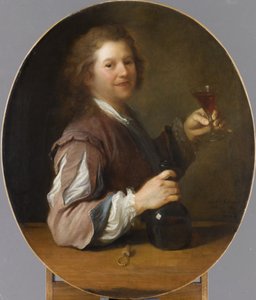
Alexis Grimou
1678 - 1733

