

 プレビュー
プレビュー
 プリントを購入
 シェアする
シェアする シェアする
シェアする
 詳細を見る
詳細を見る

 ダウンロード
 似ている作品
 X線調査
X線調査 スライドショー
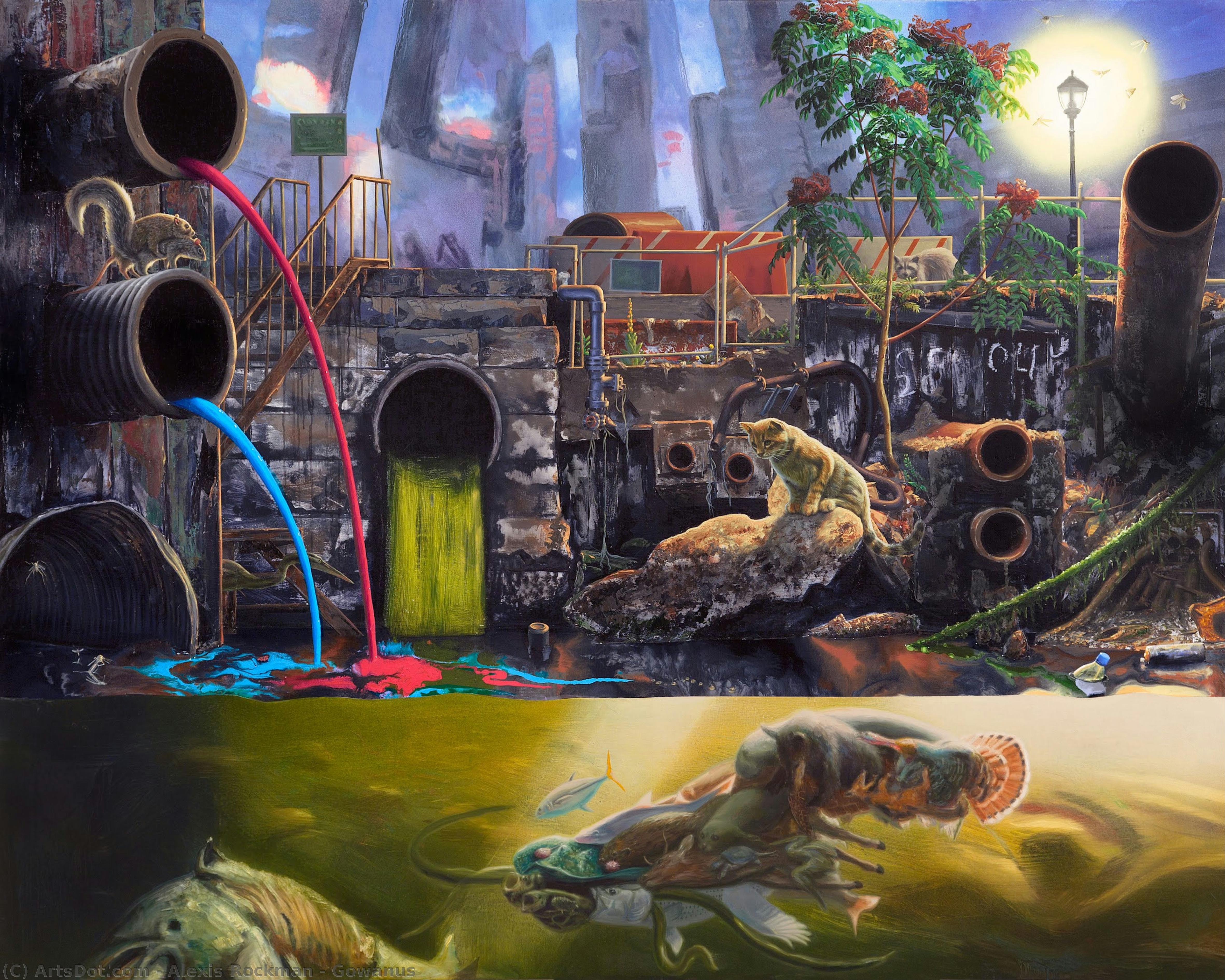
Gowanus


 詳細を見る
詳細を見る
オンラインプレビューをはるかに凌ぐ、高解像度で鮮明なデジタル画像をご購入いただけます。
各ファイルは、社内の専門家が高度なツールと熟練した手作業によるレタッチを用いて、細心の注意を払って準備されています。すべての画像において、卓越した鮮明度、正確な色彩再現性、そして繊細なディテールを保証いたします。
最終ファイルは、プロフェッショナルな編集・印刷環境ですぐにご利用いただけるよう最適化された状態で、72時間以内にメールにてお届けいたします。これは、一流のデザインスタジオ、出版社、ギャラリーから信頼されているものと同等の品質です。
デジタル画像のご注文に付随する特典
高品質なデジタル画像配信を、確かな品質で。
ArtsDot.com を選ぶことは、単に画像を手に入れることではありません。それは、プロの手によって精密に仕上げられ、満足保証が付いた高品質なデジタルアートワークを受け取ることを意味します。ご注文いただいた際に自動的に付随する内容は、以下の通りです:

メールですぐにお届け
ご注文から72時間以内に、高解像度のデジタル画像ファイルがメールでお手元に届きます。すぐにそのままご利用いただけます。

AI技術で最適化されたデジタルファイル
お客様の作品は、高度なAIツールと専門家による手作業の編集を組み合わせてプロフェッショナルに最適化されており、細部のディテール、鮮明さ、そして正確な色再現性を最大限に引き出しています。

一生涯無料の再送サービス
ファイルを誤って削除したり、紛失してしまったりしましたか?ご安心ください。いつでも無料で再送いたします。

輸入手数料は一切かかりません
関税や手数料、配送料を気にすることなく、お気に入りのアートワークをすぐにお楽しみいただけます。デジタルダウンロードは常に免税です。

色彩再現の保証
プロ仕様のツールとカラーマネジメント技術を用いることで、デジタル画像が元の色を最大限に忠実に再現することを保証いたします。

100日間満足保証
ご購入いただいたデジタル画像にご満足いただけない場合は、100日以内であれば、理由を問わず修正または100%の返金対応をさせていただきます。

100% 返金保証
ご満足いただけない場合は、デジタルファイルを受け取ってから100日以内であれば、理由を問わず全額返金いたします。

まとめ買い割引
3枚購入で10%OFF - 5枚購入で15%OFF - 10枚以上購入で20%OFF。クリエイティブなプロジェクト、ギャラリー、エージェンシーに最適です。
A Vision of Post-Human Decay
In the hauntingly beautiful oil painting Gowanus, Alexis Rockman invites us into a world where the boundary between the industrial and the organic has irrevocably dissolved. Created in 2013, this work serves as a cinematic window into a speculative future, focusing on the infamous Gowanus Canal in Brooklyn—a waterway notorious for its heavy pollution and designation as a Superfund site. Yet, Rockman does not merely document environmental degradation; he reimagines it through a lens of surrealist transformation. In his vision, the human presence is felt only through its wreckage: cascading piles of trash, crumbling monuments, and the toxic residue of a vanished civilization. The painting captures a profound sense of absence, presenting a landscape that has moved past humanity to forge a new, mutated identity.
The composition is a masterclass in complex layering, drawing the eye through a chaotic yet strangely rhythmic narrative of decay. In the foreground, a magnificent and unsettling creature dominates the viewer's attention—a fantastical, fish-like entity constructed from rusted metal pipes and industrial detritus. This metallic beast swims through the murky, polluted waters, embodying the very essence of the painting’s theme: the metamorphosis of nature under the weight of human excess. As we move into the midground, the scene becomes even more surreal. A bridge or elevated walkway spans the canal, from which vibrant, neon-colored liquids—striking blues, reds, and yellows—pour like toxic waterfalls from broken pipes. Amidst this chemical deluge, a solitary figure appears to be falling, a poignant symbol of human vulnerability and the loss of control over our own ecological destiny.
Technique and Symbolic Depth
Rockman’s technical prowess is evident in his meticulous use of oil on canvas, where he achieves a startling level of detail that borders on photorealism. The artist employs a rich, saturated palette to create a sense of "saturated dystopia," using the brilliance of the pollutants to ironically highlight the unnaturalness of the environment. There is a deliberate tension between the sharp, geometric lines of the industrial structures—the pipes, buildings, and traffic lights—and the more fluid, organic forms of the mutated wildlife and swirling waters. This contrast heightens the sense of unease, making the viewer feel the friction between man-made intrusion and biological adaptation.
Beyond its visual splendor, Gowanus is deeply symbolic, offering a profound meditation on the Anthropocene. The decaying urban elements—the car, the truck, the fire hydrant—act as fossils of a lost era, while the mutated creatures represent the resilient, albeit altered, survivors of an ecological crisis. For collectors and lovers of contemporary art, this piece offers more than just a striking visual; it provides a provocative intellectual experience. It is a work that demands reflection on our current environmental trajectory, making it a powerful centerpiece for any collection focused on themes of nature, science, or social commentary. Whether viewed as a warning or a window into a new evolutionary chapter, Rockman’s Gowanus remains an unforgettable exploration of the beauty found within the wreckage of the modern world.
関連作品


作家の略歴
The Architect of Speculative Ecosystems
Alexis Rockman, born in 1962, stands as one of the most profound visual chroniclers of our changing planet. An American contemporary artist whose work bridges the gap between scientific inquiry and fine art, Rockman has dedicated his career to painting the future of evolution. His canvases do not merely depict landscapes; they present meticulously detailed, often unsettling visions of ecosystems transformed by the relentless forces of climate change, genetic engineering, and biological mutation. Through his lens, the natural world is seen in a state of profound flux, where the boundaries between the organic and the synthetic begin to dissolve into a new, post-human reality.
Growing up in New York City, Rockman’s early consciousness was deeply shaped by the wonders of natural history. His mother, Diana Wall, worked briefly for the renowned anthropologist Margaret Mead, and through this connection, the young artist spent formative hours wandering the halls of the American Museum of Natural History. This immersion in scientific iconography provided him with a foundational vocabulary of biological forms and evolutionary narratives. His upbringing was further enriched by his stepfather, Russell Rockman, an Australian jazz musician, whose presence brought international perspectives and a sense of rhythmic, musical complexity to the artist's developing worldview.
A Synthesis of Science and Surrealism
Rockman’s artistic journey is marked by a sophisticated synthesis of disparate disciplines. His formal training began in the realm of animation at the Rhode Island School of Design before he transitioned to fine arts at the School of Visual Arts in Manhattan, earning his BFA in 1985. This background in animation is evident in the cinematic quality of his compositions, which often possess a sense of unfolding drama and temporal depth. His early works were heavily influenced by the intricate biological illustrations of Ernst Haeckel, yet he quickly moved beyond mere documentation to embrace a more speculative, psychological approach.
The emergence of what has been termed New Gothic Art defines much of Rockman’s mature period. This movement distinguishes itself from traditional landscape painting by rejecting idealized, Romantic depictions of nature in favor of exploring the darker, more dystopian possibilities of ecological decay. Drawing inspiration from Surrealists such as Salvador Dalí and René Magritte, Rockman utilizes the technique of juxtaposing incongruous or mutated elements to evoke a sense of unease. His palette often leans toward cool blues and greens—colors that suggest both the serene depths of the ocean and the murky, stagnant waters of an industrial wasteland.
Legacy of Environmental Witness
Throughout his career, Rockman has achieved significant recognition, exhibiting internationally since 1989 and securing prestigious placements in institutions such as the Brooklyn Museum and the Smithsonian American Art Museum. His work serves as a powerful medium for environmental advocacy; he has frequently collaborated with conservation groups like the Rainforest Alliance and the Riverkeeper project, using his art to illuminate the consequences of human impact on the biosphere.
The historical significance of Rockman’s oeuvre lies in its ability to act as both a warning and a window. Whether he is depicting the haunting, post-industrial decay of the Gowanus Canal or the swirling, heat-drenched intensity of Dust Devil, his paintings force a confrontation with the reality of our ecological trajectory. His achievements can be summarized through several key artistic contributions:
- Evolutionary Speculation: The creation of entirely new biological narratives that explore the potential outcomes of genetic manipulation and rapid evolution.
- Ecological Commentary: Transforming the landscape genre into a tool for environmental critique, highlighting the intersection of human industry and natural resilience.
- Technical Mastery: A unique ability to blend hyper-realistic detail with surrealist composition, creating works that are simultaneously beautiful and deeply unsettling.
As we navigate an era defined by unprecedented environmental shifts, the work of Alexis Rockman remains more prescient than ever. He remains a vital figure in contemporary art, reminding us that while the future may be uncertain and often frightening, it is a landscape we are actively, and irrevocably, painting with every action we take.

alexis rockman
1962 -
プロフィール概要
- Artistic Movement Or Style: New Gothic Art
- Artists Or Movements Influenced By This Artist: ['Landscape painting']
- Artists Who Influenced This Artist: ['Contemporary art']
- Date Of Birth: 1962
- Full Name: Alexis Rockman
- Nationality: American
- Notable Artworks:
- Evolution
- A Recent History of the World
- Place Of Birth: New York City, USA