

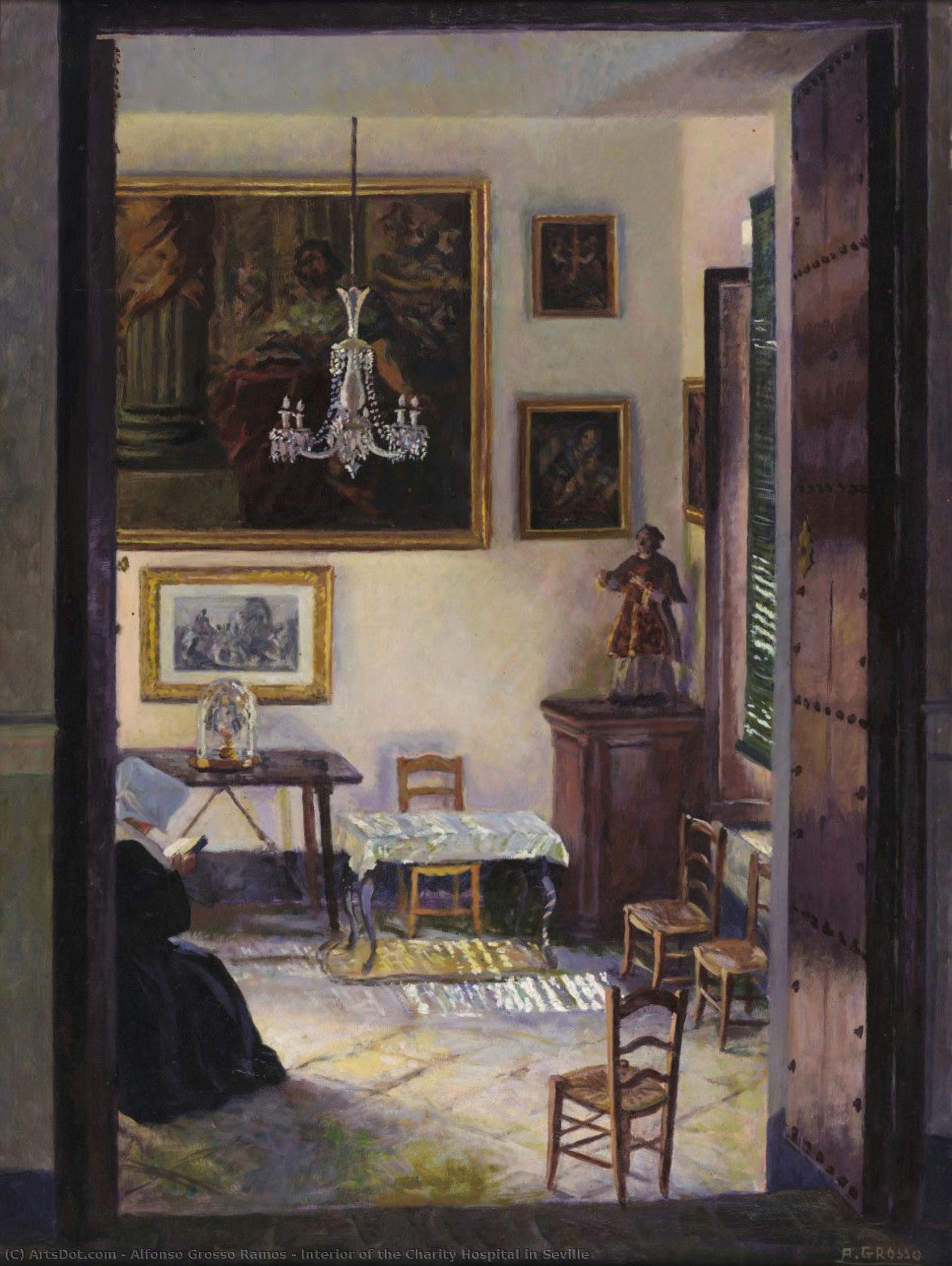
 プレビュー
プレビュー
 シェアする
シェアする シェアする
シェアする
 詳細を見る
詳細を見る

 ダウンロード
 似ている作品
 X線調査
X線調査 スライドショー
Interior of the Charity Hospital in Seville
 1955
1955 31.0 x 17.0 cm
 Museu do Caramulo
 詳細を見る
詳細を見る
ジークレー/アートプリント
迅速な制作と多彩な仕上げオプションを備えた、ミュージアムクオリティのジークレーまたはキャンバスプリント。 ( 手描きの絵画を購入 画像を購入)




































作品のオリジナル比率に合わせた、当店の規定サイズからお選びください。

特定のフレームやスペースに合わせて、ご自身でサイズを指定することも可能です。選択されたサイズが元の画像の比率と一致しない場合、作品をトリミングするか、鏡面反射または単色での塗りつぶしによって画像を拡張いたします。制作を開始する前に、ご確認用のデジタルモックアップをお送りいたします。
画面上のプレビューには、実際のトリミングや拡張は反映されませんのでご注意ください。最終的な構図を正確に確認できるのは、モックアップのみとなります。
カスタムサイズも承っておりますが、元の比率を維持するためには、あらかじめ用意されたリストからサイズを選択することをお勧めいたします。


 ガラスオプションは、110cm未満のサイズでのみご利用いただけます。

Interior of the Charity Hospital in Seville
ジークレー/アートプリント
複製画のサイズ
-


合計金額
$ 62
関連作品









アーティストの略歴
Andrew Warhola: A Pop Icon’s Transformation
Born Andrew Warhola Jr. on August 6, 1928, in Pittsburgh, Pennsylvania, Andy Warhol wasn't initially destined for the art world as we know it. He hailed from a family of Slovakian immigrants – his father, Andrej Warhola, was a successful shoe salesman and his mother, Julia Zavacky Warhola, ran a bakery. Early life instilled in him a strong work ethic and an appreciation for commerce, shaping his initial career path. However, a chance encounter with art dealer Klaus Arrigo sparked a profound shift, leading him to pursue formal training at the Carnegie Institute of Technology (now Carnegie Mellon University), where he earned a Bachelor of Fine Art in Pictorial Design.
Initially, Warhol’s artistic endeavors centered around commercial illustration. He quickly established himself as a highly sought-after illustrator for major brands like Tiffany & Co., *The New York Times*, and I. Miller Shoes. His work was characterized by its clean lines, bold colors, and meticulous attention to detail – skills honed through years of professional practice. Yet, despite his success in the commercial realm, Warhol yearned for a deeper artistic expression, one that moved beyond mere reproduction and embraced a new visual language.
The Rise of Pop Art and the Factory
The 1960s marked a pivotal decade for Warhol’s career, coinciding with the emergence of Pop Art. Influenced by artists like Richard Hamilton and Roy Lichtenstein, Warhol began to explore themes of celebrity culture, consumerism, and mass media – subjects that resonated deeply with the rapidly changing American landscape. He famously established “The Factory,” a sprawling studio space in New York City that served as both an artistic hub and a social gathering place for a diverse group of individuals including artists, musicians, fashion designers, and celebrities.
This unconventional environment fueled Warhol’s creative process. He experimented with various media – painting, sculpture, film, photography, and screen printing – pushing the boundaries of traditional art forms. His iconic silkscreen paintings, such as *Campbell's Soup Cans* (1962) and *Marilyn Diptych* (1967), became instantly recognizable symbols of Pop Art’s irreverent critique of American society. These works deliberately blurred the lines between high art and popular culture, challenging viewers to reconsider their perceptions of value and meaning.
Technique and Innovation: The Power of Screen Printing
Warhol's mastery of screen printing was central to his artistic vision. He didn’t simply replicate images; he transformed them through a meticulous process of layering colors, manipulating textures, and repeating motifs. This technique allowed him to create works that were both visually striking and conceptually complex. The repetitive nature of the process also reflected Warhol’s fascination with mass production and the homogenization of American culture.
His use of repetition was not merely mechanical; it served as a commentary on celebrity, fame, and the ephemeral nature of attention. By endlessly reproducing images of iconic figures like Marilyn Monroe, Elvis Presley, and Coca-Cola bottles, Warhol questioned the very notion of originality and explored the ways in which mass media shapes our understanding of reality.
Legacy and Influence
Andy Warhol’s impact on contemporary art is undeniable. He shattered traditional notions of what constituted “art” and paved the way for future generations of artists to explore new mediums, techniques, and subject matter. His work continues to be exhibited in museums around the world and remains a source of fascination and debate.
Beyond his artistic achievements, Warhol’s persona – his flamboyant style, his detached demeanor, and his willingness to embrace celebrity – solidified his status as a cultural icon. He was a shrewd businessman who understood the power of branding and marketing, transforming himself into one of the most recognizable figures of the 20th century. He died on February 22, 1987, in New York City, leaving behind a legacy that continues to inspire and provoke.

alfonso grosso ramos
1928 - 1995 , Spain
基本情報
- Artistic Movement Or Style: Assemblage, Pop Art
- Artists Or Movements Influenced By This Artist:
- Minimal Art
- Pop Art
- Artists Who Influenced This Artist:
- Ellsworth Kelly
- Paul Feeley
- Date Of Birth: September 13, 1928
- Date Of Death: May 19, 2018
- Full Name: Robert Indiana
- Nationality: American
- Notable Artworks:
- Stavrosis
- Jeanne d’Arc
- Wall of China
- Place Of Birth: New Castle, Indiana, USA

