

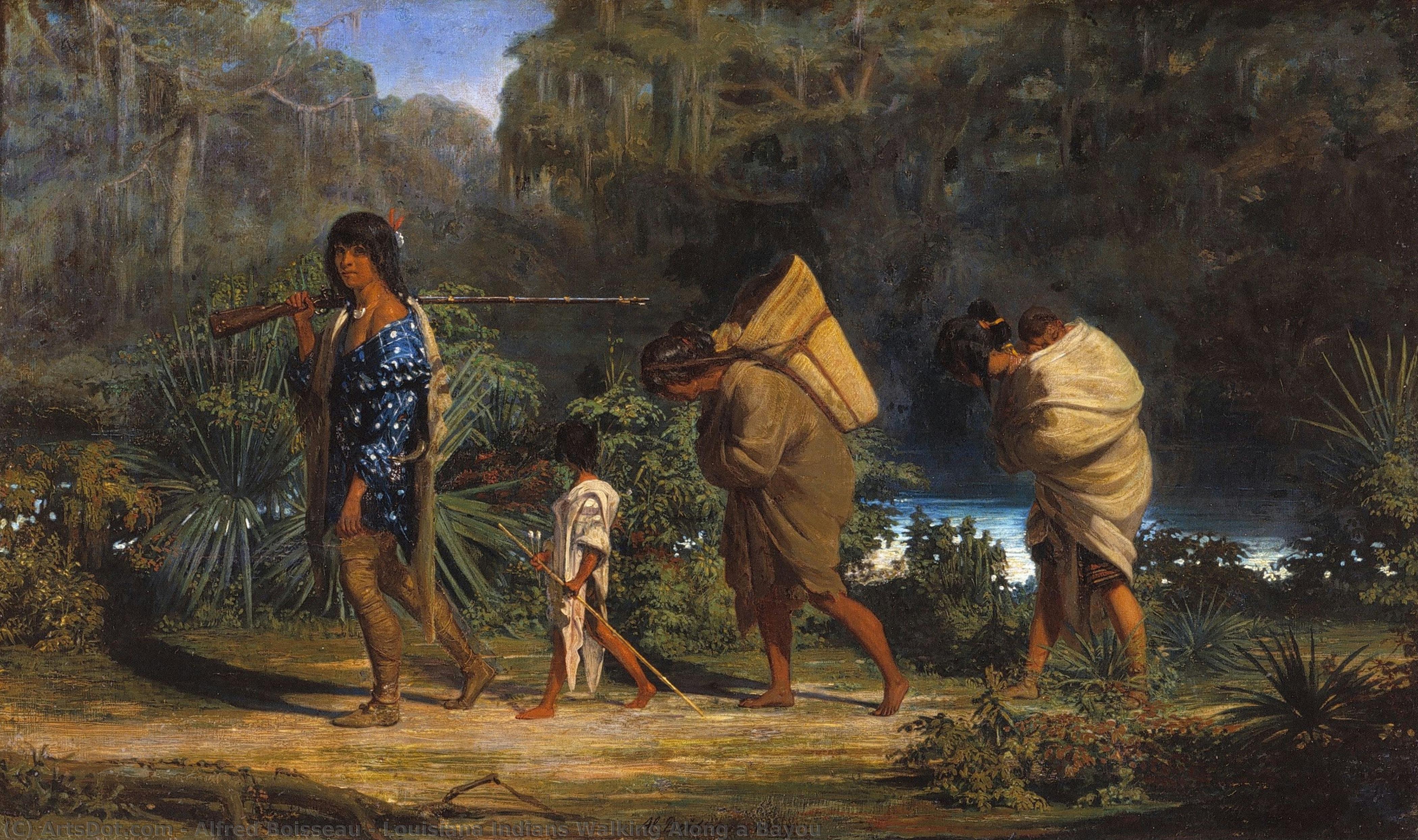
 プレビュー
プレビュー
 シェアする
シェアする シェアする
シェアする
 詳細を見る
詳細を見る

 ダウンロード
 似ている作品
 X線調査
X線調査 スライドショー
 統計情報
統計情報Louisiana Indians Walking Along a Bayou


 詳細を見る
詳細を見る
オンラインプレビューをはるかに凌ぐ、高解像度で鮮明なデジタル画像をご購入いただけます。
各ファイルは、社内の専門家が高度なツールと熟練した手作業によるレタッチを用いて、細心の注意を払って準備されています。すべての画像において、卓越した鮮明度、正確な色彩再現性、そして繊細なディテールを保証いたします。
最終ファイルは、プロフェッショナルな編集・印刷環境ですぐにご利用いただけるよう最適化された状態で、72時間以内にメールにてお届けいたします。これは、一流のデザインスタジオ、出版社、ギャラリーから信頼されているものと同等の品質です。
デジタルアート
個人での鑑賞、印刷、クリエイティブなプロジェクト用に、高解像度ファイルをダウンロードできます。 ( プリント版に切り替え 手描きの絵画を購入)
デジタル画像のご注文に付随する特典
高品質なデジタル画像配信を、確かな品質で。
ArtsDot.com を選ぶことは、単に画像を手に入れることではありません。それは、プロの手によって精密に仕上げられ、満足保証が付いた高品質なデジタルアートワークを受け取ることを意味します。ご注文いただいた際に自動的に付随する内容は、以下の通りです:

メールですぐにお届け
ご注文から72時間以内に、高解像度のデジタル画像ファイルがメールでお手元に届きます。すぐにそのままご利用いただけます。

AI技術で最適化されたデジタルファイル
お客様の作品は、高度なAIツールと専門家による手作業の編集を組み合わせてプロフェッショナルに最適化されており、細部のディテール、鮮明さ、そして正確な色再現性を最大限に引き出しています。

一生涯無料の再送サービス
ファイルを誤って削除したり、紛失してしまったりしましたか?ご安心ください。いつでも無料で再送いたします。

輸入手数料は一切かかりません
関税や手数料、配送料を気にすることなく、お気に入りのアートワークをすぐにお楽しみいただけます。デジタルダウンロードは常に免税です。

色彩再現の保証
プロ仕様のツールとカラーマネジメント技術を用いることで、デジタル画像が元の色を最大限に忠実に再現することを保証いたします。

100日間満足保証
ご購入いただいたデジタル画像にご満足いただけない場合は、100日以内であれば、理由を問わず修正または100%の返金対応をさせていただきます。

100% 返金保証
ご満足いただけない場合は、デジタルファイルを受け取ってから100日以内であれば、理由を問わず全額返金いたします。

まとめ買い割引
3枚購入で10%OFF - 5枚購入で15%OFF - 10枚以上購入で20%OFF。クリエイティブなプロジェクト、ギャラリー、エージェンシーに最適です。







作家の略歴
The Dual Legacy of Alfred Boisseau
Alfred Boisseau (1823–1901) stands as a fascinating figure in 19th-century art history—a painter who carved out a distinctive path by blending European academic tradition with the vibrant, untamed spirit of North American landscapes and indigenous cultures. Born in Paris, France, his formative years instilled him with a grounding in Neo-Classical aesthetics championed by the renowned Paul Delaroche. This rigorous training provided him with a meticulous approach to technique, characterized by careful observation and precise rendering. Yet, Boisseau possessed an adventurous spirit that refused to be confined by the gilded halls of Parisian academies. Driven by a restless curiosity and familial ties, he emigrated to the United States in 1845, settling initially in New Orleans. This migration marked the beginning of a profound artistic evolution, as his vision expanded to encompass the grandeur and intimacy of two distinct worlds.
In the burgeoning Creole society of New Orleans, Boisseau found an environment ripe for experimentation. His brother’s position at the French Consulate offered invaluable connections, allowing him to navigate the social and cultural complexities of the American South. It was here that his fascination with the indigenous peoples of the region began to flourish. Unlike many of his contemporaries who viewed the frontier through a lens of mere exoticism, Boisseau approached his subjects with a profound respect and a rare sensitivity. His depictions of the Choctaw Indians inhabiting Louisiana and Mississippi were imbued with a dignity that transcended simple portraiture. Through his brush, the landscapes of the bayous and the faces of their inhabitants became part of a larger, more complex narrative of human connection to the land.
A Synthesis of Style and Subject
The brilliance of Boisseau’s oeuvre lies in his ability to synthesize the structured elegance of Neo-Classicism with the emotive power of Romanticism. While his technical foundation remained rooted in the precise, academic methods learned under Delaroche, his subject matter pushed him toward a more atmospheric and spontaneous style. This duality is perhaps most evident in his landscape works, where the careful rendering of light and shadow meets the wild, unpredictable nature of the American wilderness. He captured not just the physical reality of the North American frontier, but its emotional resonance—the sense of vastness, mystery, and the encroaching change brought by westward expansion.
His artistic development can be viewed through several key pillars:
- Academic Foundation: The disciplined training in Paris that provided him with the technical mastery required to render complex textures and human anatomy.
- Cultural Documentation: His role as a visual chronicler of the Choctaw and other indigenous groups, capturing a way of life during a period of immense historical transition.
- Geographic Expansion: The movement from the structured urbanity of France to the lush, humid landscapes of Louisiana and eventually into the broader North American context.
- Technological Intersection: His unique position as both a painter and a photographer, which allowed him to approach his subjects with a dual perspective of artistic interpretation and documentary precision.
Historical Significance and Artistic Impact
The historical significance of Alfred Boisseau extends beyond the aesthetic value of his canvases. He remains a vital link between the established art traditions of Europe and the emerging identity of North American art in the 19th century. By documenting the lives of Native Americans with such nuanced empathy, he contributed to a much-needed shift in the artistic perception of indigenous cultures. His work serves as a poignant record of a disappearing era, preserving the dignity of the Choctaw people within the framework of fine art.
Today, Boisseau’s legacy is celebrated for its ability to bridge worlds. Whether through his sweeping landscapes or his intimate portraits, he invites the viewer to experience the intersection of tradition and exploration. His paintings remain a testament to an artist who was never content with the familiar, choosing instead to seek out the edges of the known world to find beauty in the unexpected. Through his eyes, we see a 19th-century landscape that is both a meticulously crafted academic study and a deeply felt romantic tribute to the spirit of the Americas.
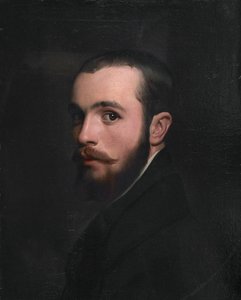
Alfred Boisseau
1823 - 1901 , France
プロフィール概要
- Artistic Movement Or Style: Neo-Classicism & Romanticism
- Artists Who Influenced This Artist: ['Paul Delaroche']
- Date Of Birth: Feb 1823
- Date Of Death: 1901
- Full Name: Alfred Boisseau
- Nationality: French/American/Canadian
- Notable Artworks:
- Louisiana Indians Walking Along a Bayou
- Portrait of Young Woman 1849
- UNTITLED (WINTER SCENE)
- Place Of Birth: Paris, France