

 プレビュー
プレビュー
 シェアする
シェアする シェアする
シェアする
 詳細を見る
詳細を見る

 ダウンロード
 似ている作品
 X線調査
X線調査 スライドショー
 統計情報
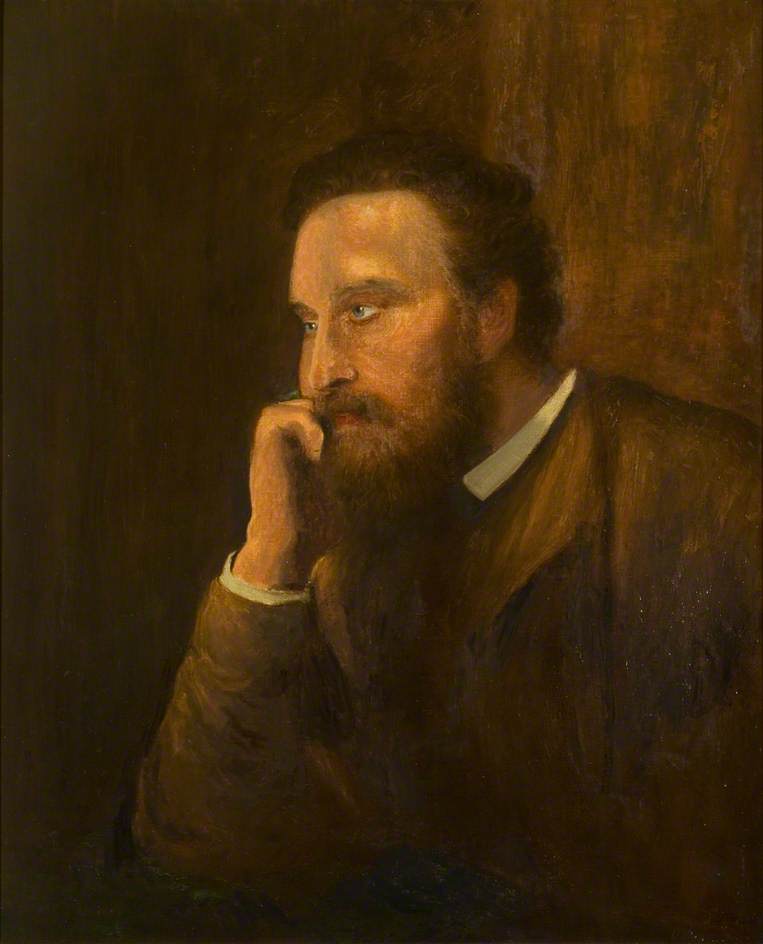
統計情報Edward Robert Lytton, 1st Earl of Lytton, GCB (1831–1891), Viceroy of India (1876–1880), Ambassador at Paris (1887–1891) (copy of George Frederick Watts)
 Realism
 67.0 x 55.0 cm
 County Hall
 詳細を見る
詳細を見る
手描き油彩複製画
当社のアーティストが、お客様のご希望のサイズと額縁に合わせて、キャンバスに手描きで制作する油彩画です。 ( プリント版に切り替え デジタル画像販売へ切り替え)




































作品のオリジナル比率に合わせた、当店の規定サイズからお選びください。

特定のフレームやスペースに合わせて、ご希望のサイズをご入力いただけます。選択されたサイズが元の画像の比率と異なる場合、アートワークをトリミングするか、手描きで要素を追加して絵画を拡張いたします。デジタルモックアップ を制作し、制作開始前にご確認(承認)をいただきます。
画面上のプレビューは、実際のトリミングや拡張を正確に反映しているものではありません。最終的な構図は、モックアップによってのみ正確にご確認いただけます。
カスタムサイズもご利用いただけますが、元の比率を維持するためには、あらかじめ用意されたリストからサイズを選択することをお勧めいたします。
ご注文後、ArtsDot.com チームより詳細な指示をお送りするとともに、仕上がりイメージ(モックアップ)をご提供いたします。


 ガラスオプションは、110cm未満のサイズでのみご利用いただけます。

Edward Robert Lytton, 1st Earl of Lytton, GCB (1831–1891), Viceroy of India (1876–1880), Ambassador at Paris (1887–1891) (copy of George Frederick Watts)
複製技法
複製画のサイズ
-


合計金額
$ 263
関連作品
アーティストの略歴
Alfred Edmund Dyer: A Victorian Master of Copyist Technique
Alfred Edmund Dyer (1884 – 1955) stands as a testament to the enduring legacy of Victorian portraiture and meticulous artistic craftsmanship. Born in Stow-on-the-Wold, Gloucestershire, Dyer’s career was largely devoted to replicating celebrated paintings by luminaries like William Dobson and John Singer Sargent, establishing him as one of Britain's foremost copyists during his era. His work isn’t merely imitation; it’s a profound engagement with artistic tradition and an unwavering commitment to capturing the essence of original masterpieces.- Early Life & Education: Dyer received his formative artistic training at Marlborough College, where he honed his skills in drawing and painting under influential tutors. This grounding in classical art principles would prove invaluable as he embarked on his professional journey.
- Career Highlights: Dyer’s reputation grew steadily throughout the early 20th century, securing commissions to reproduce iconic artworks for private collectors and institutions alike. Notably, he undertook a significant project replicating Dobson's ‘Portrait of Sir Jacob Astley,’ demonstrating an exceptional understanding of compositional balance and tonal gradation.
The Art of Replication: Dyer’s Methodological Approach
Dyer’s artistic philosophy centered on the belief that mastering a painting demanded more than simply reproducing its surface appearance. He meticulously studied the original artwork, analyzing brushstrokes, lighting effects, and color palettes to reconstruct them faithfully in his own canvases. This painstaking process wasn't driven by mere technical proficiency; it was underpinned by an intellectual appreciation for the artist’s vision and creative intent. His copies weren’t simply reproductions—they were dialogues with artistic history.- Technical Skill: Dyer possessed remarkable control over pigment mixing, brushwork, and layering techniques – skills honed through years of dedicated practice. He prioritized accuracy in capturing subtle nuances of tone and texture, striving to convey the same atmospheric qualities as the original.
- Influence of Dobson & Sargent: Dyer’s artistic sensibilities were profoundly shaped by the works of William Dobson and John Singer Sargent, two masters of portraiture who championed academic realism and dramatic lighting. He absorbed their stylistic innovations, adapting them to his own distinctive approach.
Notable Reproductions & Artistic Legacy
Among Dyer’s most celebrated achievements was his meticulous copy of John Singer Sargent's ‘The Right Honourable Weetman Dickinson Pearson,’ 1st Viscount Cowdray. This portrait exemplifies Dyer’s mastery of tonal modulation and directional illumination, successfully recreating Sargent’s masterful rendering of light and shadow—a feat that cemented Dyer’s place in the annals of British art history. His reproductions continue to be admired for their technical precision and artistic sensitivity.- The Captain Christie Crawfurd Collection: Dyer's work found its home within The Captain Christie Crawfurd English Civil War Collection, showcasing his dedication to preserving historical artistry.
Conclusion: A Quiet Champion of Artistic Tradition
Alfred Edmund Dyer’s contribution to Victorian art lies not in groundbreaking innovation but in unwavering devotion to upholding artistic standards. He served as a conduit for transmitting the spirit and technique of celebrated painters, ensuring that their masterpieces endured across generations. Dyer's legacy resides in his meticulous reproductions—testaments to his profound understanding of artistic craftmanship and his enduring respect for the heritage of British painting.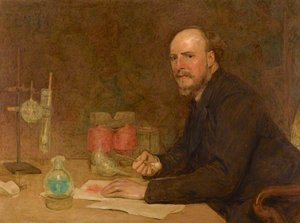
alfred edmund dyer
1884 - 1955
基本情報
- Artistic Movement Or Style: Victorian Portraiture
- Artists Or Movements Influenced By This Artist: ['John Singer Sargent']
- Artists Who Influenced This Artist: ['William Dobson']
- Date Of Birth: 1884
- Date Of Death: 1955
- Full Name: Alfred Edmund Dyer
- Nationality: British
- Notable Artworks:
- Portrait of an Officer (copy after William Dobson)
- The Right Honourable Weetman Dickinson Pearson (1st Viscount Cowdray, PC, GCVO (copy of John Singer Sargent)
- Place Of Birth: Stow-on-the-Wold, Gloucestershire
関連記事
George Frederic Watts: Symbolism, Spirituality & Victorian Ideal Beauty
Explore the captivating Symbolist art of George Frederic Watts. Discover his allegorical masterpieces, classical influences & spiritual themes. Learn about his legacy and find high-quality reproductions at ArtsDot.

Oil on Canvas: A Historical & Technical Exploration of a Timeless Artistic Medium
Explore the rich history & enduring techniques of oil painting on canvas. Discover the science behind its longevity, conservation practices, and contemporary relevance. Expert insights for art enthusiasts.
Frederick Waters Watts: A Victorian Vision of Aestheticism & Spiritual Symbolism
Explore the captivating world of Frederick Watts, a key Victorian painter blending aestheticism & spiritual symbolism. Discover his allegorical masterpieces like 'Hope' and delve into his artistic journey with ArtsDot.

The Enduring Legacy of Oil on Canvas: Technique, History & Aesthetic Impact
Explore the rich history & techniques of oil painting – from Renaissance masters to Impressionism. Discover pigments, layering methods, and why this timeless medium endures. Expert insights for artists & art enthusiasts.

The Enduring Power of Painting: A Historical & Contemporary Exploration of Form and Emotion
Explore the rich history & enduring techniques of oil painting with ArtsDot. Discover masterpieces, learn about art collecting, and find authentic handmade reproductions crafted by skilled artists.