 プレビュー
プレビュー
 シェアする
シェアする シェアする
シェアする
 詳細を見る
詳細を見る

 ダウンロード
 似ている作品
 X線調査
X線調査 スライドショー
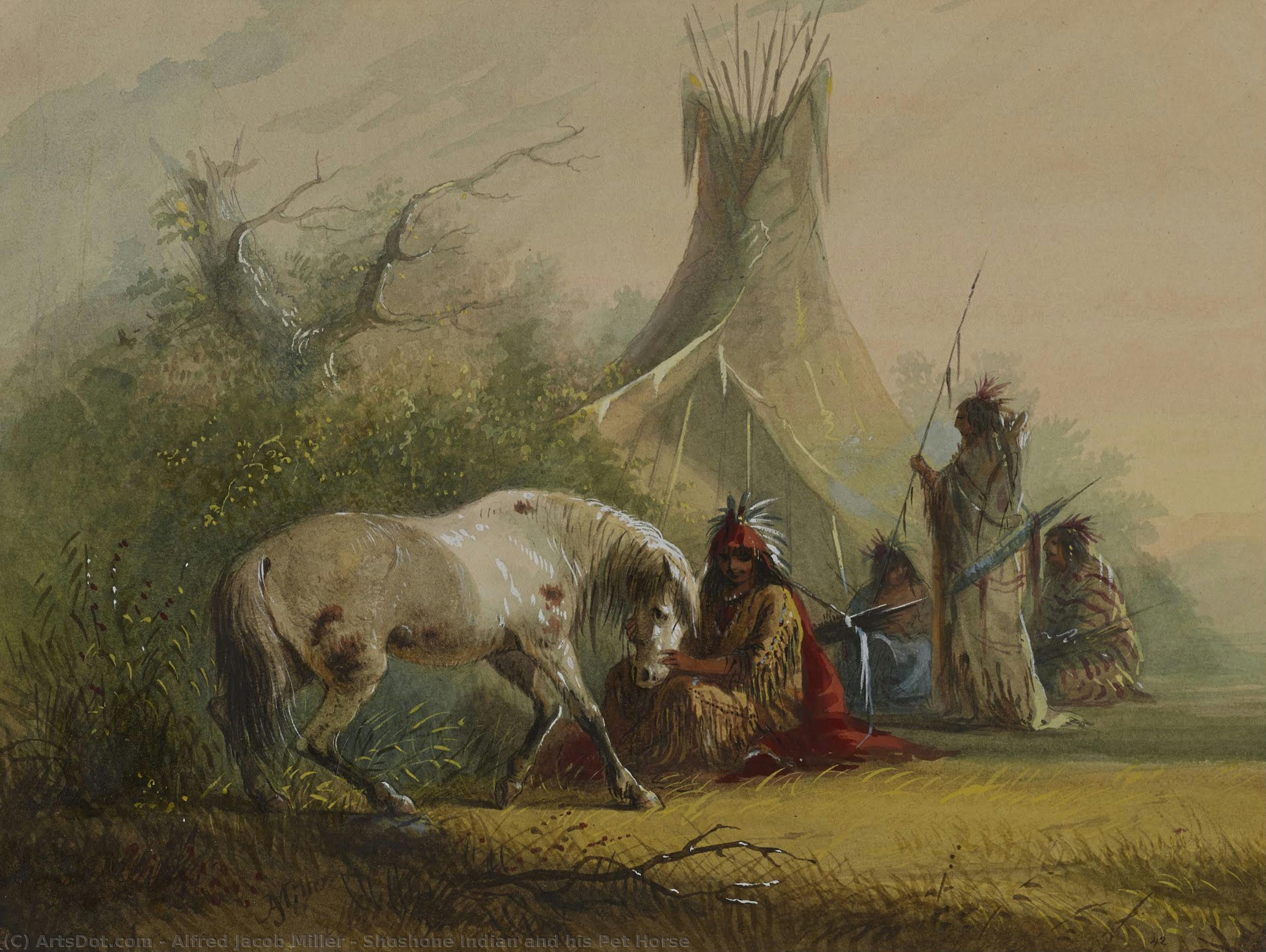
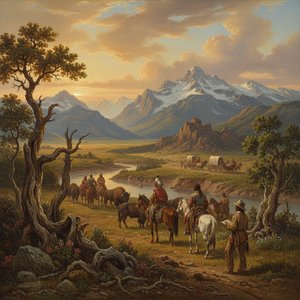
Shoshone Indian and his Pet Horse


 詳細を見る
詳細を見る
ジークレー/アートプリント
迅速な制作と多彩な仕上げオプションを備えた、ミュージアムクオリティのジークレーまたはキャンバスプリント。 ( 手描きの絵画を購入 画像を購入)




P118B $10

P118H $10

P118W $10

P438Z $10

P508JH $12

P508YH $12

P805H $10

P805Z $10

P919BZ $10

P919G $10

P919XJ $10

P959ZH $10

P968JZ $12

W106C $8

W218G $10

W218JH $8

W218Y $10

W307PJ $10

W316G $10

W316PJ $8

W316Y $10

W398PJ $8

W4111J $10

W500HY $15

W500JH $15

W692G $12

W849H $8

W940BG $15

W953PJ $8




作品のオリジナル比率に合わせた、当店の規定サイズからお選びください。

特定のフレームやスペースに合わせて、ご自身でサイズを指定することも可能です。選択されたサイズが元の画像の比率と一致しない場合、作品をトリミングするか、鏡面反射または単色での塗りつぶしによって画像を拡張いたします。制作を開始する前に、ご確認用のデジタルモックアップをお送りいたします。
画面上のプレビューには、実際のトリミングや拡張は反映されませんのでご注意ください。最終的な構図を正確に確認できるのは、モックアップのみとなります。
カスタムサイズも承っておりますが、元の比率を維持するためには、あらかじめ用意されたリストからサイズを選択することをお勧めいたします。


 ガラスオプションは、110cm未満のサイズでのみご利用いただけます。

Shoshone Indian and his Pet Horse
ジークレー/アートプリント
複製画のサイズ
-


合計金額
$ 62
作品詳細説明
Alfred Jacob Miller’s “Shoshone Indian and His Pet Horse”: A Window Into The American West
Alfred Jacob Miller's "Shoshone Indian and his Pet Horse," painted circa 1845–1847, stands as a remarkable testament to the burgeoning Romantic fascination with the untamed landscapes and indigenous cultures of America during its formative years. Commissioned by William T. Walters, this watercolor captures a seemingly simple tableau – an elderly Shoshone warrior tenderly caring for his horse – yet it resonates with profound layers of observation, narrative, and subtle symbolic representation that elevate it beyond mere depiction into a powerful statement about the era’s worldview.Subject Matter & Composition
The painting portrays a solitary Shoshone man seated on the ground beside his equine companion. The figure is positioned centrally within the frame, emphasizing intimacy and connection with nature. Surrounding him are two additional individuals – likely members of his tribe – who stand slightly to the right, providing context for the scene’s social dynamics. Scattered birds contribute to the overall atmosphere, adding visual interest and hinting at the vibrancy of the natural environment. Miller meticulously rendered details like the horse's musculature and the warrior’s weathered face, demonstrating a commitment to realism that was characteristic of his artistic approach.Style & Technique: Romantic Realism
Miller skillfully blended elements of Romantic idealism with meticulous observation—a hallmark of what is termed “Romantic Realism.” Like many artists of his time, Miller sought to convey emotion and grandeur while grounding his depictions in accurate representation. The watercolor medium itself lends a luminous quality to the painting, capturing the diffused light of the prairie sun. Miller’s brushstrokes are loose yet controlled, conveying texture and movement without sacrificing clarity. This technique allowed him to effectively communicate both the beauty of the landscape and the dignity of the Shoshone people.Historical Context: The Fur Trade Era & Western Expansion
“Shoshone Indian and His Pet Horse” emerged during a pivotal period in American history – the height of the fur trade era and the accelerating westward expansion. Artists like Miller were tasked with documenting these transformative changes, often reflecting prevailing attitudes toward Native Americans that oscillated between admiration for their resilience and justification for territorial conquest. The painting’s depiction of an elder Shoshone man caring for his horse speaks to a romanticized vision of indigenous life—a reverence for tradition alongside a recognition of the hardships endured by those inhabiting the frontier. Miller's work aligns with broader artistic trends that celebrated heroism, wilderness, and the sublime – concepts deeply intertwined with the burgeoning national identity.Symbolism & Emotional Impact
Beyond its descriptive accuracy, “Shoshone Indian and His Pet Horse” carries symbolic weight. The horse represents strength, companionship, and connection to the land—values central to Shoshone culture. Miller’s portrayal of an aged warrior underscores themes of wisdom, perseverance, and continuity amidst change. The painting evokes a feeling of tranquility and respect for the natural world, inviting viewers to contemplate the beauty and dignity inherent in both human and animal existence. It serves as a poignant reminder of a disappearing way of life—a moment frozen in time that captures the spirit of an era defined by exploration, ambition, and evolving perceptions of America’s relationship with its indigenous inhabitants.Provenance & Legacy
The painting's journey through history began with William T. Walters’ commission in 1858 and continued through subsequent generations, culminating in its bequest to The Walters Art Museum in 1931. Its inclusion in exhibitions like “Alfred Jacob Miller: An Artist on the Oregon Trail” ensured that Miller’s contribution to American art would be recognized and appreciated by a wider audience. Today, reproductions of "Shoshone Indian and His Pet Horse" continue to inspire collectors and designers alike—a testament to Miller's enduring artistic vision and its ability to convey timeless themes of connection, respect, and the sublime beauty of the American West.関連作品
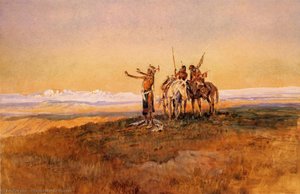
![The Medicine Man [no. 2] — チャールズ・マリー・ラッセル, Romanticism](/media/artworks/images-thumb/36/81/3681e761ccb07cc08045052b2f0bba9b.jpg)
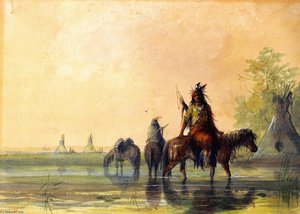
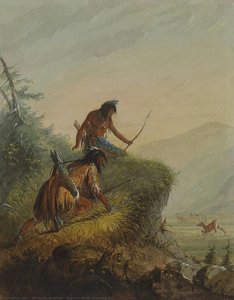
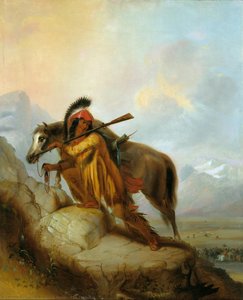
アーティストの略歴
アメリカ西部の先駆者
1810年にボルチモアで生まれたアルフレッド・ジェイコブ・ミラーは、アメリカ美術の歴史において、比類なき、そして極めて重要な地位を占めています。彼は単なる風景画や肖像画の画家ではありませんでした。彼は、消えゆく世界――ロッキー山脈の毛皮交易時代と、そこに暮らしていたネイティブ・アメリカンの部族たちの生活――を記録した、視覚的な年代記作家だったのです。芸術家としての名声への道のりは、型にはまらないものでした。アカデミックな正統的訓練から始まったのではなく、トーマス・サリーのような巨匠たちに幼い頃から触れることで育まれた、天賦の才能から始まったのです。ボルチモアのジョン・D・クレイグ・アカデミーに在籍していた頃、ミラーの教育には専門的な美術カリキュラムこそ欠けていましたが、その不在こそが、後に彼を際立たせることとなる独特なスタイルの醸成につながったのかもしれません。その後、1832年にパリへと渡ったことが決定的な転機となりました。彼はエコール・デ・ボザールでの厳格なデッサン修行に身を投じ、ヨーロッパの芸術的伝統を吸収しました。この基礎的な経験が彼の観察眼を研ぎ澄ませ、独自の「アメリカ的ビジョン」を築き上げるための技術的な基盤となったのです。変革をもたらした遠征
ミラーのキャリアは1837年、運命――あるいは芸術的な宿命――によって劇的な転換を迎えます。それは、手つかずの西部への情熱を抱くスコットランドの貴族、サー・ウィリアム・ドラモンド・スチュアートとの出会いでした。スチュアートは、ロッキー山脈の深部へと向かう狩猟遠征にミラーを同行させ、道中で目にする風景や文化を記録する任務を与えました。これは単なる仕事ではありませんでした。アメリカ人にとって、ましてや芸術家にとって、ほとんど誰も目にしたことのない世界への没入だったのです。数ヶ月もの間、ミラーはスー族、クロウ族、ショショーニ族といったネイグティブ・アメリカンの生活の情景を丹念にスケッチし、彼らの習俗、衣服、儀式、そして罠師や商人との交流を捉えていきました。彼は荒々しい地形の美しさ、狩猟のドラマ、そして辺境における日常の静かな瞬間を記録しました。これらの描写は、西部を美化しようとする単なるロマン主義的なものではなく、同時代の他の画家たちとは一線を画す、繊細な感性に満ちた誠実な観察の成果でした。ニューオーリンズに戻った彼は、これらのスケッチを一連の絵画へと昇華させました。それこそが、不可逆的な変化の淵にあった世界を貴重な光で照らし出し、アメリカ美術における重要な人物としての彼の名声を確立することとなったのです。様式と芸術的遺産
ミラーの芸術様式は、リアリズム(写実主義)とロマンティシズム(浪漫主義)の見事な融合に特徴づけられます。彼は細部を精密に描き出す驚異的な能力を備えていました。ネイティブ・アメリカンの衣服に施された複雑なビーズ細工、動物の毛皮の質感、そして風景の中に漂う光の微妙なニュアンスに至るまで、その筆致は鮮やかでした。しかし、彼の絵画は単なる写真的な再現にとどまりません。そこにはドラマチックな躍動感と、西部の冒険心や壮大さを呼び起こすような情緒的な空気感が宿っています。彼は場面に物語性を吹き込むことを恐れず、緊張感、仲間愛、あるいは静かな瞑想の瞬間を捉えました。The Lake Her Lone Bosレルギー Expands to the Sky(空へと広がる孤独な湖)や、Camp Scene (Sioux)(キャンプの情景:スー族)、Big Bowl (A Crow Chief)(ビッグ・ボウル:クロウ族の首長)、そしてSnake Indians Shooting Elk(エルクを射るスネーク族のインディアン)といった作品は、まさにこの手法を体現しています。それぞれの絵画が物語を語りかけ、観る者をミラーが鮮烈に描き出した世界へと誘うのです。特に彼の水彩画は、色彩と光の習熟を見せており、場面の感情的なインパクトを高めるような、どこか空想的で優美な質感を創り出しています。これらの重要な作品の多くは、現在ボルチモアのウォルターズ・アート・ミュージアムの権威あるコレクションに収蔵されており、彼の芸術的ビジョンの不朽の証として輝き続けています。歴史的重要性と永続的な魅力
アルフレッド・ジェイコブ・ミラーの遺産は、美術史の領域を遥かに超えて広がっています。彼は、ネイティブ・アメリカンの文化が未曾有の困難に直面していた時代において、その本質を真正に捉えた最初期の芸術家の一人であり、視覚的な記録を残しました。彼の絵画は極めて貴重な歴史的資料であり、西進運動によって間もなく劇的に変貌を遂げることになる部族たちの生活や習俗への洞察を与えてくれます。彼の作品には、当時の時代背景を反映した限界も存在しますが、ネイティブ・アメリカンの人々を描写する際に見せた驚くべき繊細さと敬意は、今なお色あせることがありません。今日、ミラーの芸術は、その美しさとドラマ、そして歴史的な重みによって、アーティストたちにインスピレーションを与え、観衆を魅了し続けています。彼の絵画は単なる過ぎ去った時代の再現ではありません。それは、大部分が失われてしまった世界への窓であり、アメリカ西部の複雑で、時に悲劇的な歴史と、文化遺産を保存することの重要性を私たちに思い起こさせてくれるのです。彼は、記録し、解釈し、そして最終的に「記憶」するための芸術の力を象徴する存在として、そこに立ち続けています。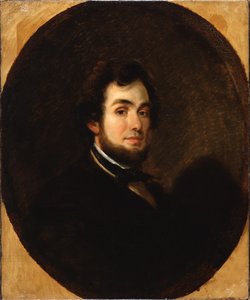
アルフレッド・ジェイコブ・ミラー
1810 - 1874 , アメリカ合衆国
基本情報
- Artistic Movement Or Style: 写実主義とロマン主義
- Artists Who Influenced This Artist:
- トーマス・サリー
- オラス・ヴェルネ
- Date Of Birth: 1810年1月2日
- Date Of Death: 1874年
- Full Name: アルフレッド・ジェイコブ・ミラー
- Nationality: アメリカ
- Notable Artworks:
- 広がる孤独な胸の湖...
- キャンプの風景(スー族)
- ビッグ・ボウル(クロ族の首長)
- アルガリ - マウンテンシープ
- エルクを狩るスネーク族のインディアン
- ショショーニ族のインディアンと愛馬
- Place Of Birth: アメリカ合衆国、ボルチモア
関連記事

Watercolor Wonders: 10 Masterpieces That Redefined Art History | ArtsDot
Journey through 10 legendary watercolor masterpieces by Sargent, Turner & Homer! Explore iconic landscapes, portraits & floral art that redefined history. Find museum-quality reproductions and curated decor ideas at ArtsDot.com.
Alfred Jacob Miller: Chronicling the American West Through Artistic Observation & Narrative
Explore the captivating art of Alfred Jacob Miller, chronicler of the American West. Discover his iconic paintings, techniques & lasting legacy – a valuable addition to any serious collection. Learn more at ArtsDot.

Ephemeral Visions: Exploring the Artistic Legacy & Contemporary Practice of Watercolor Painting
Explore the captivating world of watercolor painting! Discover its rich history, essential techniques, influential artists & collecting tips. A comprehensive guide for art enthusiasts from ArtsDot.

Ephemeral Visions: Exploring the History & Emotional Resonance of Watercolor Painting
Explore the captivating history of watercolor painting, from ancient techniques to modern masters like Kandinsky & Blake. Discover essential artists, collecting tips & the emotional power of this luminous medium. Expert insights for art enthusiasts.

Sir Alfred Munnings' Masterpieces: 25 Paintings That Define Equine Art | ArtsDot
Explore 25 iconic Sir Alfred Munnings paintings! Discover the beauty of British Impressionism, equine art & rural England. Find museum-quality reproductions and elevate your home decor with ArtsDot. Explore the full collection online.