

 プレビュー
プレビュー
 シェアする
シェアする シェアする
シェアする
 詳細を見る
詳細を見る

 ダウンロード
 似ている作品
 X線調査
X線調査 スライドショー
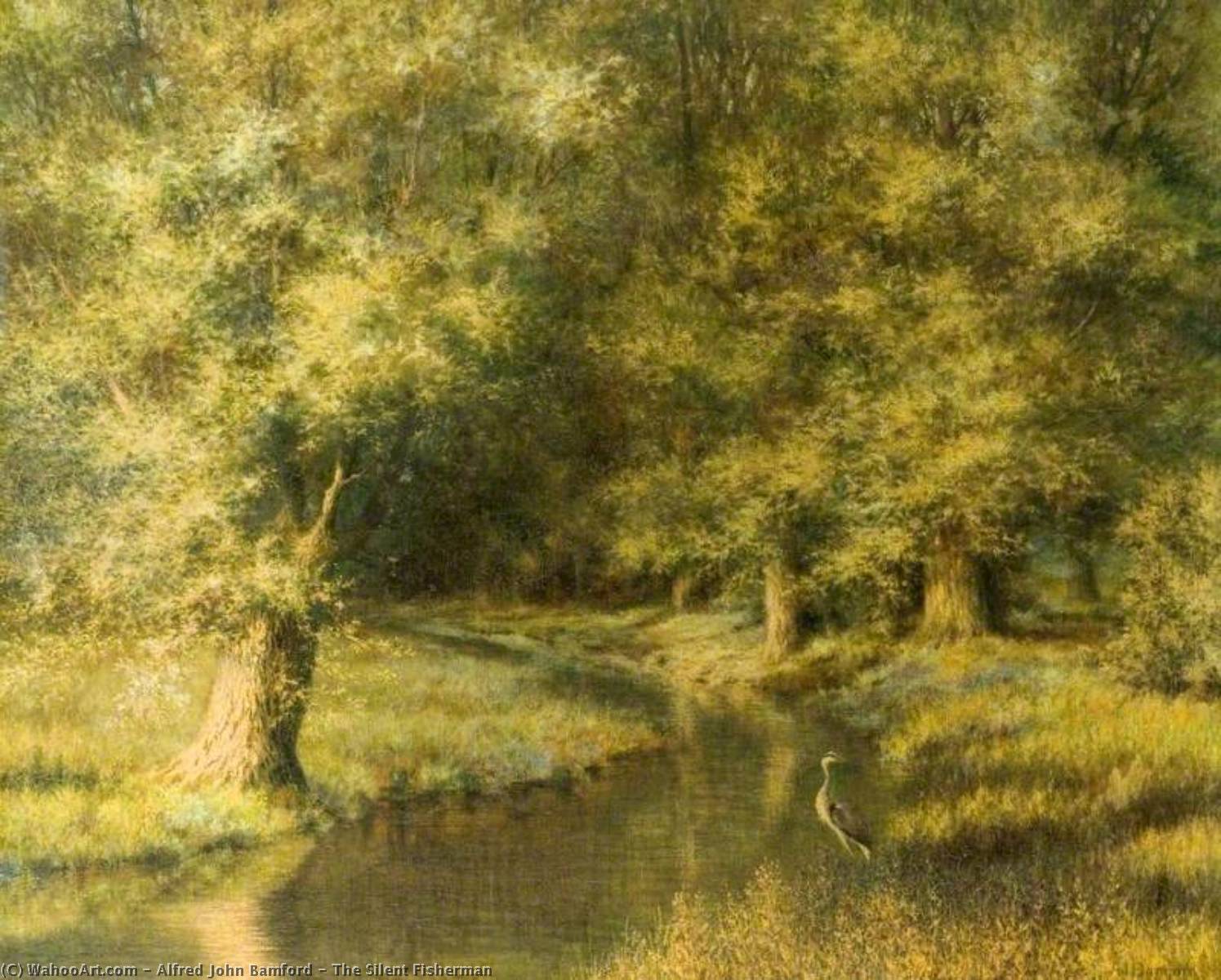
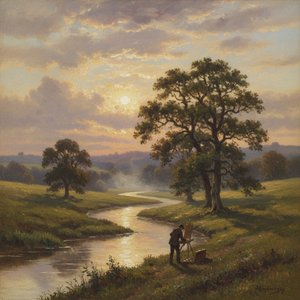
The Silent Fisherman
 Romanticism
 51.0 x 61.0 cm
 詳細を見る
詳細を見る
ジークレー/アートプリント
迅速な制作と多彩な仕上げオプションを備えた、ミュージアムクオリティのジークレーまたはキャンバスプリント。 ( 手描きの絵画を購入 画像を購入)




































作品のオリジナル比率に合わせた、当店の規定サイズからお選びください。

特定のフレームやスペースに合わせて、ご自身でサイズを指定することも可能です。選択されたサイズが元の画像の比率と一致しない場合、作品をトリミングするか、鏡面反射または単色での塗りつぶしによって画像を拡張いたします。制作を開始する前に、ご確認用のデジタルモックアップをお送りいたします。
画面上のプレビューには、実際のトリミングや拡張は反映されませんのでご注意ください。最終的な構図を正確に確認できるのは、モックアップのみとなります。
カスタムサイズも承っておりますが、元の比率を維持するためには、あらかじめ用意されたリストからサイズを選択することをお勧めいたします。


 ガラスオプションは、110cm未満のサイズでのみご利用いただけます。

The Silent Fisherman
ジークレー/アートプリント
複製画のサイズ
-


合計金額
$ 62
関連作品
アーティストの略歴
Alfred John Bamford: A Rural English Visionary
Alfred John Bamford (1850-1929) remains a quietly significant figure in 19th and early 20th century British art, an artist whose prolific output and evocative landscapes often go unnoticed outside specialist circles. Born in Romford, Essex, his life was inextricably linked to the evolving social and artistic landscape of rural England, and his work offers a poignant glimpse into the changing relationship between humanity and the natural world. Bamford’s story is one of a man who skillfully navigated the demands of both military service and artistic expression, ultimately forging a distinctive style deeply rooted in observation and a profound appreciation for the subtle beauty of the countryside.
Bamford's early life was shaped by his family’s connection to the East Anglian mercantile world. His father, Daniel Bamford, was a successful manager at Kemsley’s auctioneers, exposing young Alfred to the rhythms of commerce and the importance of detailed observation – skills that would later inform his artistic practice. Following a brief education at Manchester Grammar School, he entered the military service, joining the First Volunteer Battalion Regiment around 1875. This commitment to duty continued throughout his life, punctuated by periods of civilian art production. It’s crucial to understand that Bamford rarely considered himself solely an artist; rather, painting was often a means of managing the dual demands of his existence – a soldier and, increasingly, a keen observer of rural life.
The Influence of Cotman and the Rise of Watercolour
Bamford’s artistic development is inextricably linked to John Sell Cotman, a leading watercolourist of the early 19th century. Like Cotman, Bamford was captivated by the medium's unique ability to capture fleeting moments and atmospheric effects. He admired Cotman’s mastery of light and colour, particularly his skill in conveying the sense of stillness and tranquility that he sought in his own work. This influence is evident in Bamford’s compositions – often characterized by a quiet stillness, a careful rendering of detail, and an emphasis on capturing the subtle nuances of light and shadow. The prevalent use of watercolour reflects this approach; it allowed for delicate washes and atmospheric effects, perfectly suited to depicting the soft, diffused light of the English countryside.
Furthermore, Bamford’s artistic journey coincided with a broader shift in British art towards landscape painting. The Romantic movement had championed dramatic vistas and sublime landscapes, but by the mid-19th century, there was growing interest in more intimate depictions of rural life. Bamford's work aligns with this trend, focusing on scenes from everyday life – farmers tending their fields, children playing in meadows, and glimpses of charming village interiors. He wasn’t interested in grand narratives or heroic figures; instead, he sought to capture the quiet dignity and inherent beauty of the ordinary.
Norton Common and a Distinctive Style
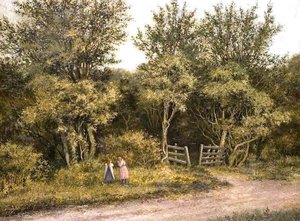
Bamford's most celebrated work undoubtedly revolves around his depictions of Norton Common in Hampshire. This vast expanse of heathland became a recurring subject throughout his career, providing him with endless opportunities to explore light, texture, and colour. The common’s undulating landscape, dotted with ancient trees and punctuated by patches of vibrant wildflowers, offered a rich tapestry for his artistic eye. His paintings of Norton Common are not merely topographical representations; they are imbued with a sense of atmosphere and mood – capturing the feeling of solitude, contemplation, and connection to the natural world.
A key element of Bamford’s style is his meticulous attention to detail. He carefully observed the textures of grass, heather, and soil, rendering them with remarkable accuracy. His use of colour was equally subtle and nuanced, employing a wide range of tones to create a sense of depth and realism. While influenced by Cotman's approach, Bamford developed a distinctive style characterized by a quiet confidence and an understated elegance. His paintings possess a serene quality that invites the viewer to linger and contemplate the beauty of the scene.
A Legacy of Observation
Alfred John Bamford’s artistic output is remarkably extensive – over 120 works are attributed to him, many of which can be found in public collections across the UK. His prolificness speaks to a deep-seated passion for observation and a commitment to capturing the beauty of his surroundings. Despite often being overshadowed by more celebrated contemporaries, Bamford’s work offers a valuable insight into the artistic sensibilities of Victorian England and the evolving relationship between art and rural life.
Today, Bamford's paintings are appreciated for their quiet dignity, technical skill, and evocative portrayal of the English countryside. His legacy lies not in grand pronouncements or revolutionary innovations, but rather in his unwavering dedication to observing and representing the beauty of the world around him – a testament to the power of simple observation and a profound appreciation for the subtle wonders of nature.
alfred john bamford
1850 - 1929
基本情報
- Artistic Movement Or Style: English Landscape Painting
- Artists Or Movements Influenced By This Artist: ['British Impressionism']
- Artists Who Influenced This Artist: ['John Sell Cotman']
- Date Of Birth: 1850
- Date Of Death: 1929
- Full Name: Alfred John Bamford
- Nationality: British
- Notable Artworks:
- In Norton Common
- The Chapel of St Erasmus
- Various rural scenes
- Place Of Birth: Romford, Essex, UK
関連記事

ジョン・コンスタブルの傑作25選:英国風景画の巨匠が描く自然と光の詩 | ArtsDot
ジョン・コンスタブルの傑作25選。英国風景画の巨匠が描く自然と光の詩の世界へ。ロマン主義を代表する絵画、デダム・ヴェールやヘイ・ウェインなど、ArtsDotで高品質なアートプリントをお楽しみください。インテリアに深みと感動を。コレクションはこちら。

Sir Alfred Munnings' Masterpieces: 25 Paintings That Define Equine Art | ArtsDot
Explore 25 iconic Sir Alfred Munnings paintings! Discover the beauty of British Impressionism, equine art & rural England. Find museum-quality reproductions and elevate your home decor with ArtsDot. Explore the full collection online.

ジョン・シンガー・サージェント:至高の25選 - 美と光の肖像画の世界 | ArtsDot
ジョン・シンガー・サージェントの至高の25選。肖像画、写実主義、光と影の表現が美しい作品群を紐解きます。マダムXや少女の肖像など、時代を超えて愛される名作をArtsDotで鑑賞。高品質なアート複製で、お部屋に美術館のような空間を。今すぐコレクションをご覧ください。
Alfred East: Pioneering Plein Air & Evoking Atmospheric Landscapes
Explore the life & work of Alfred East, a pioneer of British plein air painting. Discover his techniques for capturing atmospheric landscapes, Barbizon influences, and lasting legacy. Learn more at ArtsDot.

ロマン派ランドスケープ:時代を彩る巨匠の10選|アートとインテリアの世界
ロマン派絵画の時代を彩る10選。巨匠たちの風景が織りなす感動の世界へ。ターナー、ルーベンスなど、名作の裏話と高精細複製でアートをお部屋に。ArtsDot.comで至福のアート体験を。

